Introduction
Choosing the right diapers for your baby is essential for their comfort and well-being. With so many options available, how do you choose the best one? The type of diaper you use affects everything from sleep quality to skin health. In this guide, we will discuss the different types of diapers, how to select the right one based on your baby’s size and age, and provide tips to keep your baby comfortable and protected.
Types of Diapers for Newborns
Newborn Diapers vs. Regular Diapers
Newborn diapers are designed specifically to fit babies who weigh less than 10 pounds. These diapers are smaller, softer, and more absorbent to handle the delicate skin of a newborn. Regular diapers, on the other hand, are for babies who have outgrown the newborn stage but are still within the weight range for sizes 1 and 2. Newborn diapers often come with extra features to accommodate a baby’s smaller size, such as a cut-out for the umbilical cord stump, which helps prevent discomfort in the first few weeks of life.
Why It’s Important to Use Diapers Specifically for Newborns: Newborn diapers are tailored to prevent leaks and fit snugly around your baby’s tiny body. They are designed with softer materials to prevent skin irritation and often come with features like a cut-out for the umbilical cord stump, which protects the sensitive area from contact. Using diapers that are made specifically for newborns ensures that your baby’s delicate skin is cared for while keeping them dry and comfortable.
Cloth Diapers for Newborns
Cloth diapers are a more eco-friendly alternative to disposable ones. Made from materials like cotton, hemp, or bamboo, they are reusable and breathable, helping reduce the risk of diaper rash. However, they do require frequent washing and may not be as absorbent as disposable options, especially for long periods. Cloth diapers also tend to be less convenient as they require cleaning after each use, which may be a challenge for busy parents.
When Cloth Diapers Are Most Useful for Newborns: Cloth diapers can be a good choice if you are looking for a more sustainable option and have the time to wash and maintain them. They are ideal for parents who want to reduce their environmental impact and are willing to invest in additional accessories like liners for better absorbency. Additionally, cloth diapers are gentle on sensitive skin, which can be beneficial for newborns prone to rashes or irritation.
| Feature | Cloth Diapers | Disposable Diapers |
| Environmental Impact | Reusable, eco-friendly | Single-use, contributes to waste |
| Absorbency | Less absorbent, may need inserts | Highly absorbent, ideal for overnight use |
| Skin Sensitivity | Gentle on skin, reduces rash risk | Can irritate skin if not changed frequently |
| Convenience | Requires washing, less convenient | Convenient, no washing required |
| Cost | Higher upfront cost, savings over time | Ongoing cost, higher in the long term |
| Fit | Adjustable, may require inserts | Snug, available in multiple sizes |
Disposable Diapers for Newborns
Disposable diapers are the most common choice for parents due to their convenience. These diapers are designed for maximum absorbency, keeping your baby dry for longer periods, and they often come with a wetness indicator to show when the diaper needs changing. Disposable diapers are especially popular for parents who are on the go, as they eliminate the need for washing and are easy to dispose of.
When to Switch to Regular Disposable Diapers: As your newborn grows, they will outgrow the small size of newborn diapers and move to size 1. Regular disposable diapers are designed to accommodate growing babies, offering a snug fit and leak protection. Switching to the appropriate size helps prevent leaks and ensures that the diaper fits properly around the waist and legs, keeping your baby comfortable.
Diaper Types by Age and Size
Choosing the Right Size as Your Baby Grows
It’s crucial to choose the right size diaper as your baby grows to prevent leaks, skin irritation, and discomfort. Babies grow rapidly, so you’ll likely need to switch diaper sizes a few times within the first year. Choosing the right diaper size is not just about weight but also the fit, as a diaper that is too big or too small can cause leaks or discomfort.
Tips on Transitioning Between Diaper Sizes:
Pay attention to signs that the diaper is too tight or loose, such as red marks or leaks.
Consider your baby’s weight and body shape when selecting a size, not just their age. Each baby grows differently, and some may require a different size based on their body type rather than their weight alone.
Always check the diaper’s fit around the waist, legs, and bottom. If it’s snug without causing discomfort or irritation, you’ve found the right size.
Size Differences and When to Size Up
Diaper sizes are based on your baby’s weight, and the fit will affect how well the diaper performs. For example, size 2 is generally for babies weighing between 12 to 18 pounds, but if your baby’s weight is on the higher end of the spectrum, you might need to size up earlier. The right size will prevent leaks, minimize diaper rash, and keep your baby comfortable.
Signs It’s Time to Size Up:
The diaper’s side tabs often pop open.
You notice leaks, even after adjusting the diaper.
The waistband feels tight, and you can’t fit two fingers under it. This could indicate that the diaper is too small and is restricting your baby’s movement.
You see red marks around your baby’s legs or waist where the diaper’s elastic is too tight.
Preemie Diapers
Premature babies require specialized diapers due to their smaller size. Preemie diapers are designed to fit babies under 6 pounds and provide extra protection for their fragile skin. These diapers often feature a softer fabric and a snug fit to minimize leaks and discomfort. Preemie diapers are a must-have for parents of premature babies, as standard newborn diapers may be too large.
Why Preemie Diapers Are Essential: Preemie diapers are essential because they provide a proper fit for babies who are born early. Regular newborn diapers may be too large and cause unnecessary friction, leading to irritation and discomfort. Preemie diapers are specifically designed to protect the skin of tiny, delicate babies and provide the best fit to avoid any leaks.
Features of Different Diaper Types
Disposable Diapers
Disposable diapers are popular due to their convenience, absorbency, and ability to prevent leaks. Made with super-absorbent materials, these diapers draw moisture away from your baby’s skin, keeping them dry and comfortable. They are ideal for busy parents who need a hassle-free solution and often come with extra features like wetness indicators and leak guards.
Why Parents Prefer Disposable Diapers:
They are easy to use and dispose of, making them ideal for busy parents.
Most brands offer a range of sizes and features such as wetness indicators, leak guards, and extra absorbency for overnight use.
Cloth Diapers
Cloth diapers are reusable, making them an environmentally friendly option. They are breathable, which can help prevent diaper rash, and they are free from the chemicals often found in disposable diapers. While they may require more maintenance, cloth diapers can save money in the long run and are gentler on sensitive skin.
How Cloth Diapers Help with Skin Sensitivity: Cloth diapers tend to be gentler on the skin since they don’t contain the synthetic materials and fragrances found in some disposable diapers. They also allow air circulation, reducing the chances of rashes. For babies with sensitive skin, cloth diapers are often a better choice since they reduce exposure to irritating chemicals.
Hybrid Diapers
Hybrid diapers combine the benefits of both cloth and disposable options. These diapers feature a reusable cloth shell with a disposable insert. This design provides flexibility, allowing parents to choose the most cost-effective or environmentally friendly solution. Hybrid diapers are great for those who want a balance between sustainability and convenience.
When Hybrid Diapers Are the Best Option: Hybrid diapers are perfect for parents who want the convenience of disposables but with a sustainable twist. They’re especially useful during outings or when traveling, as they offer the best of both worlds—disposable inserts and reusable cloth shells.
Special Purpose Diapers
Overnight Diapers
Overnight diapers are designed for extended wear, offering extra absorbency to keep your baby dry through the night. These diapers typically feature additional layers of absorbent material and a snug fit to prevent leaks while sleeping. They are essential for babies who sleep longer stretches without waking up for a diaper change.
Why Overnight Diapers Are More Absorbent: Overnight diapers often have a more absorbent core and leak protection mechanisms to handle a full night’s worth of wetness. They are designed to ensure your baby sleeps through the night comfortably without needing a change.
Swim Diapers
Swim diapers are a must-have for pool outings or beach trips. Unlike regular diapers, swim diapers are designed to prevent solid messes from escaping, but they do not absorb liquid. This makes them ideal for water-based activities, as they allow your baby to enjoy the water without any concerns about leaks.
Key Features of Swim Diapers:
They won’t swell up in water, keeping your baby comfortable.
Most are designed to fit snugly, preventing leaks while in the pool. Swim diapers are perfect for outdoor adventures and vacations.
Training Pants (Pull-Ups)
Training pants, or pull-ups, are perfect for toddlers who are transitioning from diapers to underwear. These diapers allow your child to practice using the potty while still providing the security of a diaper. They are designed to be easy to pull up and down, making potty training a little less stressful for both parents and toddlers.
When to Switch to Pull-Ups: Switch to pull-ups when your toddler shows signs of potty training readiness, such as staying dry for extended periods or expressing interest in using the toilet. Pull-ups are a great tool for encouraging independence during the potty training process.
Choosing the Right Diaper for Your Baby's Skin
Diapers for Sensitive Skin
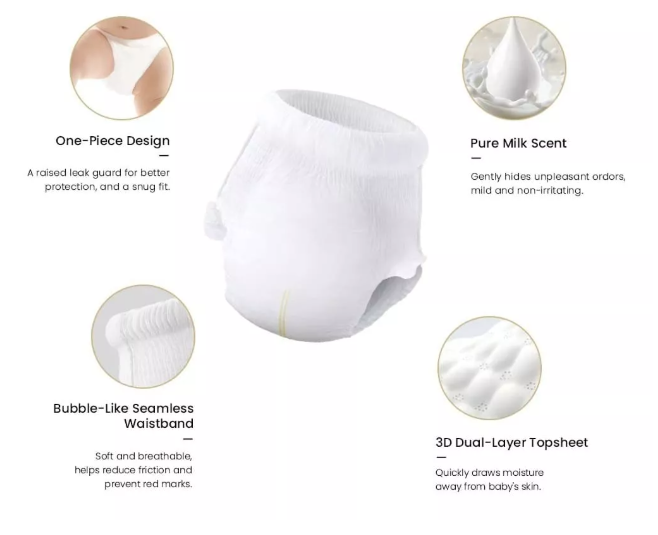
If your baby has sensitive skin or is prone to rashes, hypoallergenic diapers are a must. These diapers are free from harsh chemicals, dyes, and fragrances that can irritate your baby’s skin. Opting for gentle, skin-friendly materials can help prevent diaper rash and keep your baby comfortable.
Recommended Brands for Sensitive Skin:
Diapers with Added Lotion or Fragrance
Some diapers contain added lotions or fragrance to help keep your baby’s skin moisturized and fresh. However, these may not be suitable for all babies, especially those with allergies or sensitive skin. Always check your baby’s skin for any signs of irritation before using diapers with added fragrance or lotion.
When Lotion or Fragrance Can Be Beneficial: These features are helpful if your baby tends to experience dry skin or irritation in the diaper area. However, always check for skin sensitivity before choosing these options.
Avoiding Diaper Rash with Proper Fit
A well-fitting diaper is key to preventing diaper rash. Ensure that the diaper fits snugly around the waist and legs without being too tight, and that it covers your baby’s entire bottom. A diaper that fits well will keep your baby comfortable and reduce the risk of skin irritation.
Signs of a Poor Fit:
Conclusion
Choosing the right diaper is crucial for your baby's comfort and your peace of mind. Take into account your baby’s size, skin sensitivity, and your family’s lifestyle when choosing the right type. Whether you prefer disposable, cloth, or hybrid diapers, there's a perfect fit for every baby.Explore different types and brands to find the best option for your baby. With the right diaper, your baby stays comfortable, dry, and happy.
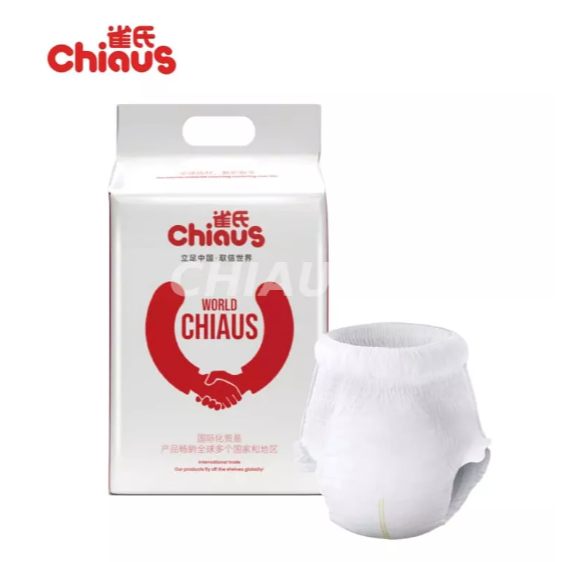
Chiaus offers a wide range of high-quality diapers that cater to various needs, ensuring comfort and protection. Their products are designed with advanced features to keep your baby dry for longer, while providing soft and breathable materials. These diapers offer great value and meet the highest standards for both babies and parents.
FAQ
Q: What are the different types of diapers for babies?
A: The main types of diapers are disposable, cloth, and hybrid. Disposable diapers are convenient, while cloth diapers are eco-friendly. Hybrid diapers combine the benefits of both.
Q: How do I know which diaper size to choose for my baby?
A: Diaper size is based on your baby’s weight. Make sure to choose a size that fits snugly around the waist and legs to prevent leaks and discomfort.
Q: Why are cloth diapers better for sensitive skin?
A: Cloth diapers are made from natural, breathable materials, reducing the risk of irritation and diaper rash, making them ideal for babies with sensitive skin.
Q: Can I use disposable diapers overnight?
A: Yes, overnight diapers are designed with extra absorbency to keep your baby dry for longer periods, making them perfect for nighttime use.


