Do you ever wonder if you’re disposing of a Baby Diaper the right way? Many parents face this daily challenge. Small mistakes can cause odor and hygiene problems. This article explains simple and safe disposal habits. It shows why proper steps matter at home and outdoors. In this guide, you will learn how to dump, wrap, seal, and discard diapers correctly. You will also see cleaner, easier methods used by many families.
Key Takeaways
Proper diaper disposal improves hygiene, reduces household odors, and prevents germs from spreading in living spaces.
Always remove solid waste into the toilet, roll and seal the Baby Diaper, and place it inside a sealed bin or bag before throwing it away.
When outdoors or traveling, carry wet bags or small trash bags, and always dispose of diapers in designated bins to protect public hygiene.
Eco-friendly habits—using compostable diapers, biodegradable bags, or cloth-diaper routines—help reduce long-term landfill waste.
Use the right tools like diaper pails, strong liners, and routine cleaning schedules to maintain a hygienic changing environment at home or in childcare facilities.
Understanding the Core Problem: Why Proper Diaper Disposal Matters
The Hygiene Risks of Improper Baby Diaper Disposal
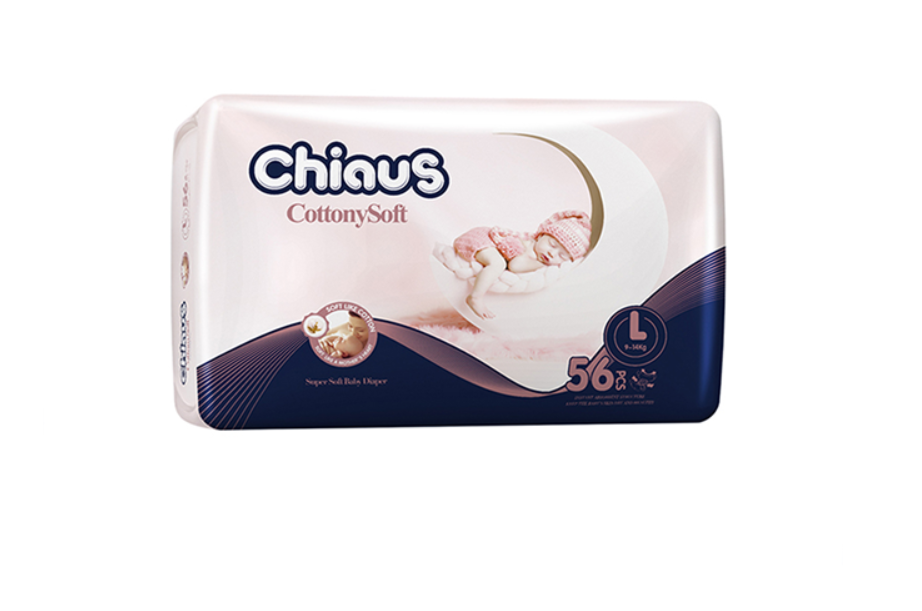
Improper disposal of a Baby Diaper can expose families to harmful bacteria, especially when feces remain sealed inside for long periods. Human waste left in landfills poses contamination risks, which is why experts stress removing stool into the toilet whenever possible. Parents using Chiaus Night-Use Baby Diapers benefit from strong side tabs that make rolling and sealing much more secure. By following recommended steps, families maintain a cleaner home and reduce the spread of germs between surfaces and hands.
Odor Control and Indoor Air Quality
Unpleasant smells from diapers usually come from bacteria breaking down waste inside warm, damp conditions. Rolling and sealing diapers tightly significantly reduces odor leakage, keeping the air in your home fresher. Premium brands like Chiaus use breathable yet leak-proof materials that contain moisture better, which also lowers odor levels before disposal. Delaying trash removal increases the smell, so frequent emptying helps maintain a healthier indoor environment.
Protecting Household Surfaces and Other Waste
An unwrapped diaper can leak onto other trash, damage recyclable materials, and contaminate bins or floors. Using tight liners helps create a barrier that prevents dirty leakage from moving inside the trash can. Chiaus Night-Use Baby Diapers, with their thick absorbent core, are less likely to leak or drip during disposal, making the handling process cleaner. Taking a bit of extra care during disposal protects your surfaces and keeps your bin cleaner for longer.
Public Health Concerns in Shared Spaces
Shared spaces like restaurants, airplanes, public restrooms, and parks require extra caution when disposing of diapers. A poorly wrapped diaper can leak onto shared bins, creating hygiene issues for cleaning staff and other families. Properly sealing a diaper is a simple yet respectful step that keeps public areas sanitary for everyone. Guidance from major diaper brands confirms similar rules: always secure and contain the diaper before throwing it away.
Environmental Burden of Disposable Diapers
Disposable diapers take many years to break down, adding pressure to global landfill systems. Even small habits—such as removing feces before disposal or using biodegradable bags—make a meaningful difference. Families who choose eco-friendly options or switch partially to cloth diapers reduce overall waste volume. Chiaus has been investing in cleaner materials and safer designs, helping parents make more responsible choices without sacrificing convenience.
Legal and Municipal Considerations
Most regions allow diapers in household waste bins, but global recommendations emphasize preventing untreated human waste from entering landfills. Some areas have stricter rules for daycare centers, hospitals, or large facilities that generate more diaper waste. This makes it important to understand how your municipality handles diaper disposal. Always check local guidelines before designing a diaper routine for a childcare business or facility.
Baby Safety at Home
Diaper bins, plastic bags, and disposal tools must stay out of reach of curious babies and toddlers. Babies are naturally drawn to bins with interesting smells or bright bags, which can create safety hazards. Using covered or pedal-operated bins helps reduce risks and prevents accidental contact with waste. High-capacity bins, like those recommended for use with Chiaus Night-Use Baby Diapers, further improve safety by reducing frequent handling.
Step-by-Step: How to Properly Dispose of Diapers at Home
Step 1 — Remove Waste into the Toilet When Possible
Removing solid waste into the toilet is one of the most effective hygiene steps parents can take. It reduces odors, limits bacteria growth, and keeps more contaminants out of landfills. Chiaus Night-Use Baby Diapers are designed to hold solid waste securely, making it easier to shake or scrape stool into the toilet. This step also helps keep your diaper bin cleaner and easier to manage long-term.
Step 2 — Roll and Seal the Baby Diaper Tightly
Rolling the diaper into a compact ball keeps moisture and odor inside, reducing spills and contamination. Secure the rolled diaper using the adhesive tabs, which are especially strong on high-quality diapers such as Chiaus Night-Use Baby Diapers. A tightly sealed diaper becomes much easier to handle, especially when carrying multiple diapers to the outdoor bin. This habit improves hygiene and prevents the bin from emitting strong odors.
Step 3 — Use a Hands-Free Diaper Bin or Diaper Pail
Hands-free bins reduce the need to touch lids, making disposal cleaner and safer. Many parents appreciate diaper pails designed specifically to lock odors inside, though basic trash bins with lids also work. A hands-free system pairs well with Chiaus Night-Use Baby Diapers, which are easy to handle thanks to their firm structure and strong seals. Choose the disposal system that best fits your space, budget, and the number of diapers your household uses daily.
Step 4 — Transfer to Outdoor Trash Frequently
No matter how good your diaper pail is, it eventually fills and begins to release odors. Taking sealed diaper bags to an outdoor bin keeps your home cleaner and reduces bacterial growth in indoor trash. Outdoor bins with lids remain the safest option, especially in homes with pets or children. Routine disposal also means fewer messes and easier cleaning around your changing area.
Table 1 — Home Disposal Checklist
| Step | What to Do | Why It Matters | Chiaus Advantage |
| 1 | Remove stool into toilet | Reduces germs and smell | Easy waste separation |
| 2 | Roll & seal diaper | Prevents leaks | Strong side tabs |
| 3 | Use hands-free bin | Hygienic & faster | Compatible with all Chiaus sizes |
| 4 | Empty bin often | Keeps home odor-free | Less leakage due to strong absorbency |
Disposing of Diapers in Public and On-the-Go
Keeping Travel Essentials: Wet Bags, Doggie Bags, Liners
A well-prepared travel kit prevents stress during unexpected diaper changes. Wet bags allow parents to store sealed diapers while containing odors, even during long trips. Disposable doggie bags or biodegradable trash bags provide a backup solution when bins are far away. Families using Chiaus Night-Use Baby Diapers often find they need fewer emergency changes because the diaper holds securely even during long outings.
Where to Throw Away a Baby Diaper in Public
Any public trash can is acceptable as long as the diaper is properly wrapped and sealed. Parents should always avoid placing diapers on top of bins or leaving them in open spaces. Parenting guides recommend sealing diapers tightly and placing them deep inside the bin for better hygiene. Chiaus diapers tend to keep their shape, making them easier to handle in quick public situations.
Airplane, Car, and Remote Travel Disposal Rules
On airplanes, parents can use lavatory trash bins or sick bags for sealed diapers. They should never hand loose diapers to attendants during food service. Remote travel requires packing out used diapers until a proper bin is available, ensuring that no diaper waste is left in nature. Chiaus Night-Use Baby Diapers are especially helpful in these settings because they are leak-resistant and easier to transport when sealed tightly.
Table 2 — Travel Disposal Essentials
| Situation | Best Disposal Method | Tools Needed | Why It Works |
| Airplane | Lavatory bin or sick bag | Small bags, wipes | Contained & hygienic |
| Car travel | Car trash bin or rest stop | Wet bags, doggie bags | Odor control |
| Outdoors | Carry out until bin is found | Reusable pouches | Protects environment |
| Mall/park | Public trash bins | Sealed bags | Clean & convenient |
Eco-Friendly and Sustainable Disposal Options
Compostable Diapers — What's Realistic Today
Compostable diapers sound like an ideal solution, but most require industrial composting systems to break down properly. Families should check whether their city offers a composting service before relying on this option. These diapers still reduce chemical waste and may offer better environmental impact than traditional disposables. Even families who use Chiaus Night-Use Baby Diapers can combine them with eco-friendly disposal habits for greater effect.
Cloth Diaper Rinsing, Washing, and Safe Storage
Cloth diapers reduce landfill waste but require strong hygiene routines to stay safe. Rinsing solid waste into the toilet prevents odor buildup and improves wash results. Hot water and mild detergent keep fabric clean without irritating baby skin. Sun-drying adds natural disinfection, making reusable cloth diapers a practical eco-choice for many households.
Local Recycling or Pilot Programs for Diapers
Some cities have programs to recycle disposable diapers through specialized processing plants. These programs accept bags of used diapers separately from regular trash and break down components through industrial methods. Not every region offers such services, but parents can check with local waste authorities. Businesses or daycares using Chiaus diapers may request bulk collection options where available.
Using Biodegradable Bags for Baby Diaper Waste
Biodegradable bags break down faster than traditional plastics and help reduce landfill footprint. They also contain odors more effectively, making them ideal for outdoor or travel disposal. While they may cost slightly more, the environmental benefits often justify the change. Combining biodegradable bags with Chiaus Night-Use Baby Diapers enhances both sustainability and hygiene.
Table 3 — Eco-Friendly Options Comparison
| Option | Environmental Benefit | Cost Level | Ease of Use |
| Cloth diapers | Very low waste | Medium | Requires washing |
| Compostable diapers | Lower landfill impact | Higher | Depends on local programs |
| Biodegradable bags | Less plastic waste | Medium | Very easy |
| Partial cloth + Chiaus night use | Balanced solution | Medium | Reliable overnight |
Choosing the Right Tools and Supplies for Cleaner Disposal
Diaper Pails vs. Regular Trash Bins
Diaper pails offer specialized odor-locking mechanisms that make daily diaper disposal easier for busy homes. They often use foot pedals, preventing the need to touch lids with dirty hands. Regular trash bins work well too, as long as they have tight lids and strong liners. Parents using Chiaus Night-Use Baby Diapers can rely on fewer leaks and better containment regardless of the disposal system.
Best Bags and Liners for Odor Control
High-quality trash liners prevent tears and keep liquids sealed inside when a bag is full. Scented or odor-neutralizing liners reduce smells even further, especially if the bin stays indoors for long periods. Biodegradable liners offer an eco-friendly alternative without sacrificing performance. When paired with a durable diaper like Chiaus, the disposal experience becomes cleaner and more efficient.
Keeping a Clean Changing Area to Prevent Cross-Contamination
The changing area should stay organized, disinfected, and well-stocked at all times. Storing wipes, clean diapers, and creams within arm’s reach improves workflow during busy routines. After every visible mess, wipe down the surface using a safe disinfectant to avoid cross-contamination. Using Chiaus Night-Use Baby Diapers, which are more leak-resistant, also helps maintain cleaner changing surfaces overall.
Common Mistakes to Avoid When Disposing of Diapers
Flushing Baby Diapers or Gel Beads
Flushing diapers or their absorbent gel beads can clog pipes and damage plumbing systems. These materials are not designed to dissolve in water, and plumbers often warn against flushing anything other than toilet paper. Parents should always treat diapers as solid waste and follow regular disposal steps. Using high-quality diapers like Chiaus Night-Use Baby Diapers reduces breakup and leakage that might tempt flushing.
Throwing Unwrapped Diapers into Public Bins
Unwrapped diapers can contaminate shared bins by leaking waste onto other trash or bin surfaces. Properly wrapping the diaper protects the environment and the people who handle those bins. Parents should always seal diapers in small bags or roll them tightly before disposal. This simple step remains one of the most important habits in public hygiene.
Leaving Diapers in Hot Cars or Indoor Trash Too Long
Heat accelerates bacteria growth, causing diapers to smell stronger and attract insects. Leaving diapers in a car for hours can create unbearable odors and hygiene issues. Indoor bins also require frequent emptying because accumulated diapers can leak over time. With Chiaus Night-Use Baby Diapers, odor control is better, but regular disposal still matters.
Using Non-Sealed Bags That Leak or Tear
Cheap or thin bags may tear when holding multiple diapers, creating messy and unsafe situations. Choosing durable liners prevents leaks and keeps waste fully contained. Daycares and parents benefit most from investing in slightly thicker bags for dependable performance. Strong diapers like Chiaus make this process cleaner, but bag quality remains essential.
Hygiene Habits After Every Diaper Change
Proper Handwashing Techniques
Handwashing removes germs left after handling used diapers, wipes, or changing surfaces. Scrubbing between fingers and under nails prevents bacteria from spreading to household items and toys. When soap and water are unavailable, alcohol-based sanitizers offer a temporary solution. Caregivers should wash hands as soon as possible to ensure full hygiene.
Cleaning and Disinfecting Diaper Bins
Diaper bins can collect invisible waste residue even when bags are changed regularly. Cleaning the bin weekly with disinfectant prevents lingering smells and bacterial buildup. Adding baking soda or deodorizing packets inside the bin helps absorb odors. Families using Chiaus Night-Use Baby Diapers often notice less odor but still benefit from routine cleaning.
Safe Handling of Wipes, Pads, and Accessories
Wipes and disposable pads used during changes must be thrown away with the diaper or sealed separately. Folding pads inward keeps contaminated surfaces hidden and safer to handle. Keeping diaper creams and clean diapers stored away from soiled items prevents accidental contamination. A consistent system helps families maintain a cleaner and safer environment.
Conclusion
Proper diaper disposal keeps homes clean and safe. It reduces germs, odors, and environmental impact. The simple steps—dump, wrap, seal, and discard—make daily care easier. Using reliable CHIAUS diapers provides better leak control. Their strong absorbency supports cleaner handling and safer routines. With good tools and habits, families create a healthier space for every baby.
FAQ
Q: What is the safest way to dispose of a Baby Diaper?
A: The safest method is to dump waste, wrap the Baby Diiper, seal it, and place it in a covered bin. This follows core steps in how to dispose diapers.
Q: Should I flush Baby Diaper materials?
A: No. A Baby Diaper can clog pipes and create damage. Flushing is never recommended in any guide on how to dispose diapers.
Q: How can I reduce odors when disposing of diapers?
A: Roll the diaper tightly, seal it, and empty bins often. This helps when learning how to dispose diapers cleanly.
Q: Can I throw diapers in public trash bins?
A: Yes, if the diaper is sealed. Always wrap it first to follow basic how to dispose diapers hygiene rules.


