Have you ever struggled to find the right diapers for your baby with sensitive skin? Diaper rash, itching, and discomfort not only make babies miserable but also break parents' hearts. Studies show that about 50% of infants experience diaper rash to varying degrees, with sensitive-skinned babies accounting for as high as 30% of cases. These figures underscore that skin issues in babies demand serious attention.
Bamboo fiber diapers are becoming the preferred choice for quality- and health-conscious families worldwide. Made from bamboo fiber, these diapers are not only eco-friendly but, more importantly, offer exceptional care for sensitive skin. This article will detail the five key benefits of choosing bamboo fiber diapers for sensitive skin, helping you make a safer, more comfortable choice for your baby.
5 Features of Bamboo Baby Diapers
1.Ultra-soft, reduces friction irritation
Babies with sensitive skin often have weaker skin barrier functions, with an epidermis layer 30% thinner than adults. This means their skin is more susceptible to external irritants. Any rough friction can cause rashes and discomfort, while the surface material of traditional diapers may lack sufficient softness, causing persistent friction against the skin during the baby's movements.
Bamboo diapers excel in softness, thanks to bamboo fiber's unique physical structure. As a natural cellulose fiber, bamboo fibers are 2-3 times longer than cotton fibers while featuring a smoother surface. This structural characteristic gives bamboo fiber fabrics an inherently soft and silky texture, comparable to high-end silk.
At the microscopic level, the cross-section of bamboo fibers is densely packed with pores of varying sizes. These micro-pores not only enhance breathability but also create a softer surface texture. When woven into non-woven fabric, these fibers form countless tiny cushioning points that distribute pressure upon skin contact, significantly reducing friction.
In practical use, this exceptional softness means bamboo fiber diapers envelop a baby's bottom as gently as a cloud. Whether protecting a newborn's delicate skin or withstanding the friction of an active toddler, bamboo fiber offers gentle care. Many parents report a noticeable reduction in friction-induced rashes on their baby's inner thighs and waist after switching to bamboo fiber diapers.
Notably, the softness of bamboo fiber does not significantly diminish with repeated washing (for reusable bamboo diapers), a key advantage over cotton materials. For disposable bamboo diapers, manufacturers typically use 100% bamboo spunlace non-woven fabric on the surface layer, ensuring each use delivers the original softness experience.
2.Exceptional breathability
Moisture and heat trapped in diapers are the primary culprits behind diaper rash. Studies show that when humidity inside disposable diapers rises, the skin's barrier function weakens, making it more vulnerable to irritants and microorganisms. While traditional diapers offer some breathability, they often fail to meet the high demands of babies with sensitive skin.
Bamboo diapers deliver exceptional breathability, primarily due to the unique structural characteristics of bamboo fibers. Their hollow structure is densely packed with pores of varying sizes, creating natural ventilation channels that allow air to circulate freely. Test data indicates bamboo fiber material offers approximately 20-30% higher breathability than cotton.
This superior breathability functions similarly to plant transpiration. When internal diaper temperature rises, moist, warm air rapidly escapes through these micro-channels while drier external air is drawn in, creating a continuous airflow cycle. This sustained air exchange effectively lowers internal temperature and humidity, fostering a more comfortable micro environment.
In practical use, this superior breathability means babies can remain relatively dry inside the diaper even after wearing it for hours. This is particularly crucial for preventing diaper rash, as studies show friction damage to skin increases by over 50% in damp conditions. Many parents report significantly reduced moisture on their baby's bottom after switching to bamboo diapers, especially during nighttime sleep.
The breathability of bamboo diapers offers an additional benefit: superior heat dissipation. During summer or in warm environments, babies are less prone to excessive sweating from the diaper, reducing the likelihood of heat rash and other skin issues. For active babies, good breathability also translates to greater comfort and ease during movement.
It's important to note that the breathability of bamboo fiber diapers does not compromise their leak-proof functionality. High-quality products achieve this through thoughtful structural design, ensuring both breathability and leak protection to provide comprehensive care for babies with sensitive skin.

3.Highly effective absorption of moisture and sweat
Maintaining dry skin is key to preventing diaper rash, which requires diapers to not only offer excellent breathability but also superior moisture absorption. Bamboo diapers excel in this regard, with moisture-wicking capabilities that surpass many high-tech synthetic materials.
The exceptional moisture absorption of bamboo fiber stems from its unique microscopic structure. Each bamboo fiber features a hollow structure with countless microscopic pores on its surface, creating an enormous specific surface area. Test data indicates that bamboo fiber absorbs moisture 3-5 times faster than cotton fiber and holds approximately 60% more liquid. This means bamboo fibers can rapidly capture and absorb liquids, preventing urine from lingering on the skin's surface.
The moisture absorption process in bamboo diapers occurs in three stages:
First, the surface bamboo fibers rapidly draw liquid away from the skin via capillary action.
Next, the liquid is channeled through the distribution layer to the absorbent core.
Finally, polymer absorbent materials lock the liquid within the core.
This multi-stage absorption system ensures large volumes of liquid are quickly absorbed and securely stored.Beyond rapid moisture absorption, bamboo diapers exhibit low moisture return rates. This means once liquid is absorbed, it rarely migrates back to the surface. Traditional diapers often exhibit moisture buildup after prolonged use, whereas bamboo fiber materials maintain a relatively dry surface. Tests show that under identical conditions, the surface humidity of bamboo fiber diapers is approximately 40% lower than that of conventional diapers. Numerous clinical observations indicate that babies using highly absorbent diapers experience a 30-50% reduction in diaper rash incidence.
Notably, bamboo fiber's superior absorbency works equally well for sweat as it does for urine. This means during hot weather or when babies have fevers, bamboo fiber diapers better absorb perspiration, keeping the skin dry and comfortable while providing comprehensive protection for sensitive skin.
4.Natural Antibacterial and Antimicrobial Properties
The warm, moist environment inside diapers provides an ideal breeding ground for bacteria and fungi. The proliferation of these microorganisms not only causes unpleasant odors but, more critically, breaks down urine to produce irritants like ammonia, directly damaging the skin barrier function. For sensitive skin with weaker defenses, this microbial threat is particularly severe.
Bamboo diapers possess natural antibacterial and antimicrobial properties inherent to bamboo itself. During growth, bamboo produces a natural antimicrobial substance called "bamboo quinone," which helps the plant resist pests, diseases, and mold. Even after processing into fibers, bamboo quinone retains most of its antibacterial properties.
Scientific research demonstrates that bamboo fiber significantly inhibits multiple common bacteria. Experimental data shows bamboo fiber achieves over 70% inhibition against E. coli and exceeds 80% against Staphylococcus aureus. This natural antibacterial action requires no chemical additives, thus avoiding additional irritation to sensitive skin.
Bamboo fiber's antimicrobial mechanism operates on multiple fronts:
Firstly, bamboo quinone disrupts bacterial cell structures;
secondly, its superior moisture absorption keeps surfaces relatively dry, inhibiting bacterial proliferation;
finally, its excellent breathability maintains an oxygen-rich environment that discourages anaerobic bacteria growth.
This multi-pronged approach provides comprehensive protection for babies.
For babies with sensitive skin, reducing bacterial levels in the diaper environment is crucial. Clinical observations indicate that using antibacterial diapers can lower diaper rash incidence by 25-35%. Especially for babies with existing skin issues, the antibacterial properties of bamboo fiber diapers help prevent secondary infections and promote skin repair.
Notably, bamboo fiber's antimicrobial effect is permanent and does not significantly diminish with washing or prolonged use. This is particularly important for reusable cloth diapers, while for disposable bamboo fiber diapers, it ensures continuous antimicrobial protection throughout their entire usage period.
5.Eco-friendly and hypoallergenic, gentle and non-irritating
Babies with sensitive skin are often particularly reactive to chemicals. Traditional diapers may contain fluorescent whitening agents, chlorine residues, fragrances, and dyes that can act as allergens. While these chemical additives enhance the product's appearance or scent, they may irritate delicate skin.
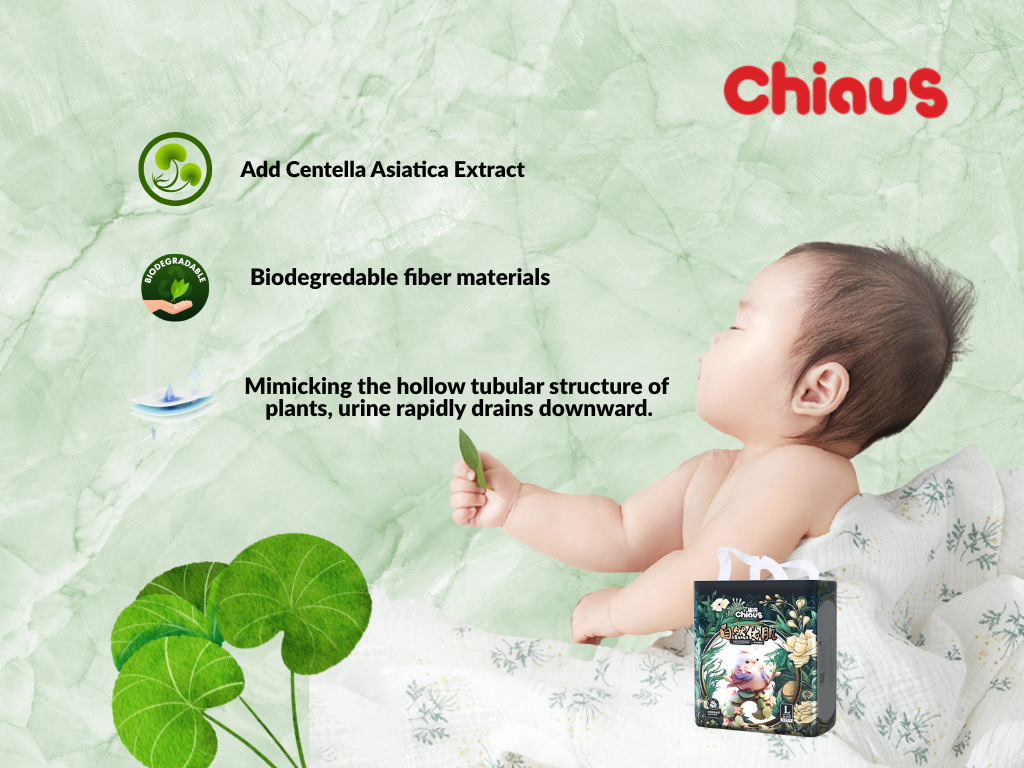
Bamboo fiber diapers prioritize natural and hypoallergenic properties in both raw material selection and manufacturing processes. Bamboo is an exceptionally sustainable resource—it grows rapidly and requires no pesticides or fertilizers, minimizing chemical pollution at the source. The production of bamboo fiber is also more eco-friendly, typically relying on physical rather than chemical processing methods.
During manufacturing, high-quality bamboo fiber diapers avoid many chemicals common in conventional diapers:
No chlorine bleaching: Uses gentler methods like oxygen bleaching
No artificial fragrances: Prevents allergic reactions from perfumes
No optical brighteners: Reduces chemical irritants
Plant-based dyes: Employs safer coloring solutions
These measures significantly reduce potential allergens in diapers, offering a safer option for babies with sensitive skin. Clinical patch tests show bamboo fiber materials cause approximately 60% fewer skin allergic reactions than traditional materials.
Beyond skin gentleness, the eco-friendliness of bamboo fiber diapers indirectly benefits baby health. Pesticides, bleaches, and other chemicals used in traditional diaper production may leave trace residues in the final product—though meeting safety standards, these could still affect particularly sensitive babies. Bamboo fiber diapers offer a cleaner, safer lifecycle from raw materials to finished product.
Notably, bamboo fiber diapers typically have a pH level closer to skin's natural pH (around 5.5), which helps maintain the integrity of the skin's natural protective barrier. Some conventional diapers may have an alkaline bias due to manufacturing processes, and prolonged use could disrupt skin pH balance.
For babies with eczema, allergies, or other skin concerns, choosing bamboo fiber diapers offers a "subtraction" solution—protecting skin health by reducing chemical irritants rather than adding medicinal ingredients. This naturally gentle characteristic makes bamboo fiber diapers an ideal choice for babies with sensitive skin.
How to Choose High-Quality Bamboo Diapers
After learning about the various benefits of bamboo fiber diapers, parents may wonder: How do I choose the right bamboo fiber diapers for my baby? Here are some practical tips:
First, check the ingredient label. High-quality bamboo fiber diapers should clearly state the bamboo fiber content, with the top layer typically made of 100% bamboo fiber. Pay attention to whether any other potentially allergenic materials have been added.
Look for certification marks. Seek out organic certifications, eco-labels, or skin safety testing certifications. These certifications indicate the product has undergone third-party testing and meets relevant safety and environmental standards.
Consider the absorbent layer design. While the outer layer is bamboo fiber, the absorbent core is equally important. Good bamboo fiber diapers pair this with highly effective polymer absorbent materials to ensure moisture absorption.
Focus on fit and leak-proof design. Even the best materials require thoughtful design to function effectively. Choose diapers with elastic waistbands, leak-proof side panels, and a cut tailored to your baby's body shape.
Try small packs first. When trying a new brand for the first time, purchase a small pack to test. Observe how your baby's skin reacts and confirm there are no allergic reactions before buying in bulk.
Practical Usage Experience and Precautions
When using bamboo fiber diapers, standard care practices remain essential:
Ensure regular changes—never prolong usage time regardless of diaper type.
Allow skin to "breathe" during each change by providing brief air exposure.
Use gentle cleansers during cleaning and avoid excessive rubbing
Consult a pediatrician promptly if severe skin issues arise
Note: While bamboo fiber diapers offer many benefits for sensitive skin, every baby is unique. A very small number of babies may be sensitive to bamboo fiber itself. Therefore, it is recommended to closely monitor skin reactions during initial use.
Conclusion
Bamboo diapers offer comprehensive care for babies with sensitive skin through five key advantages: exceptional softness, superior breathability, high absorbency, natural antibacterial properties, and eco-friendly hypoallergenic design. These features not only help prevent and reduce diaper rash but also provide a more comfortable experience for your baby.
Choosing diapers is an important decision every parent must make, especially for babies with sensitive skin. Bamboo fiber diapers represent a more natural and gentle approach to care, reducing reliance on chemicals and leveraging the superior properties of natural materials.
If you're seeking solutions for your baby's skin concerns, consider trying high-quality bamboo fiber diapers. Contact with us for further details.


