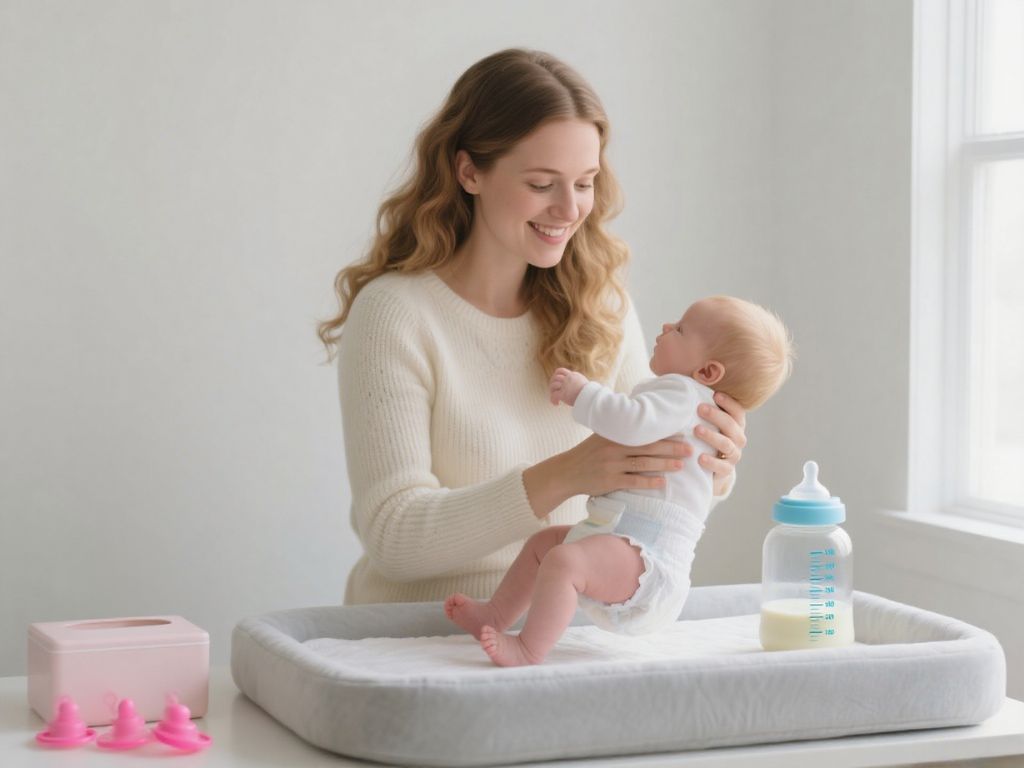
The invention of disposable diapers has liberated mothers, granting them greater freedom, more time to sleep and rest, and freeing them from the daily chore of hand-washing cloth diapers.
Although disposable diapers have higher absorbency and do not require changing as frequently as cloth diapers, it is still incorrect to leave them on for too long or wait until they are overly saturated and begin to leak. So how many diapers does a baby need per day to avoid skin irritation?
Disagreement of How Many Diapers Does a Baby Need
Grandmother says, "Changing after just one wet? That's wasteful!"
Mother shares, "I usually check after feeding to see if the diaper is soiled. Typically, that means changing every 3 to 4 hours."
Father admits, "It's hard to get up at night—sometimes we only change once before morning."
So how often should you change your baby's diaper? Practices vary from family to family.Let’s explore some scientific and reasonable tips to help guide your routine.
Scientific and Reasonable Tips to Change Diapers
Arrangements will be made on a case-by-case basis.
When baby has the pooh:
When your baby has a bowel movement, regardless of the amount, you should change the diaper immediately to keep your baby clean and comfortable.
When Baby has the pee:
You can decide when to change based on how wet the diaper is, how sensitive your baby's skin is, and how absorbent the diaper is. A good rule of thumb: if the diaper is very full after one wetting, it's time for a fresh one. If your baby has only wet a little, the diaper remains dry to the touch, and your baby is comfortable, you may change it every 2 hours.
Here's a handy tip for parents:
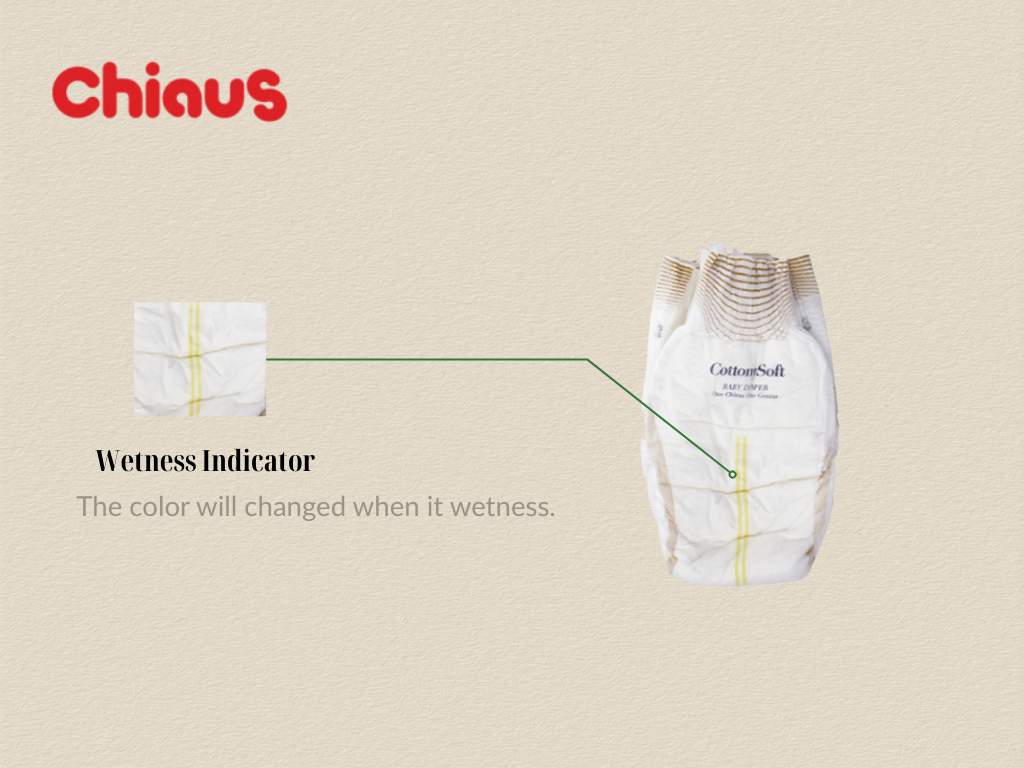
Many diapers on the market now feature a “wetness indicator.” When urine soaks into this indicator strip, it turns blue, serving as a visual cue for parents to change their baby's diaper.
Scenario 2: Diaper Absorbency
Good vs. Poor
If you choose high-quality diapers with strong absorbency and moisture-locking capabilities, they can naturally last longer.
However, if the diapers you use have weaker absorbency and dryness, you'll need to change them even after just one small wetness.
Scenario 3: DIaper Use by Age
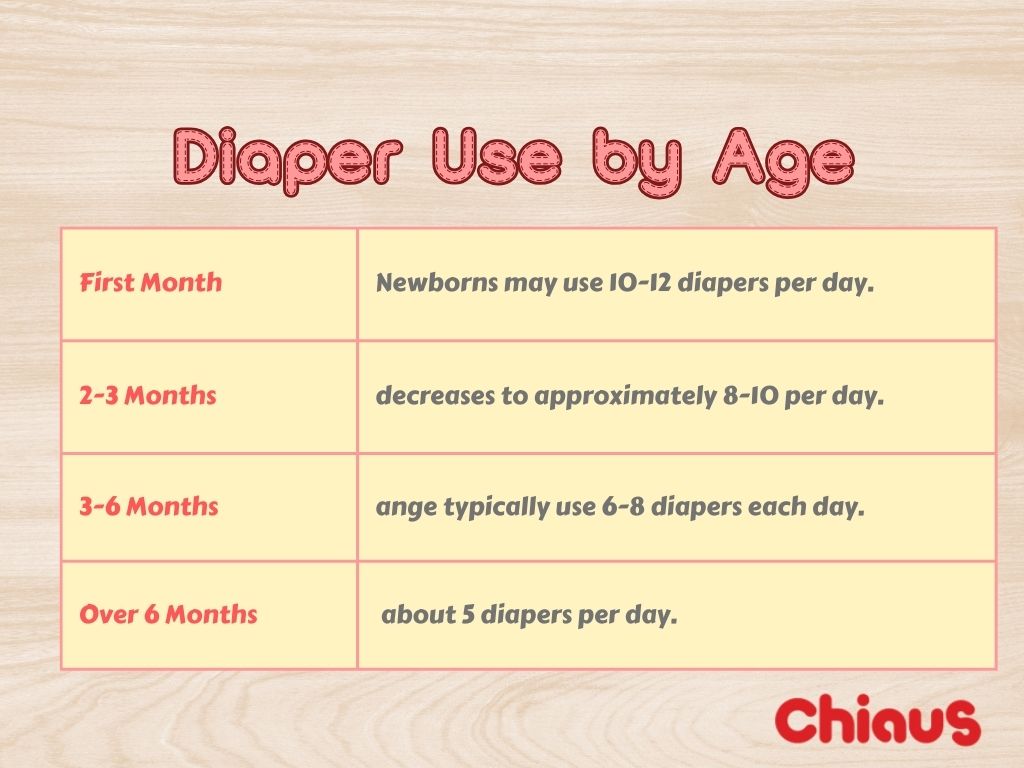
Newborns aged 0-3 months have underdeveloped bladders and cannot store urine for extended periods, making them the most frequent diaper changers:
Typically requiring a change every 2 hours, with up to 10 changes per day;
Always change diapers before feeding, after bowel movements, before sleep, and upon waking.
For younger infants, avoid changing diapers immediately after feeding. Their underdeveloped stomachs may cause milk to flow back up or lead to spitting up if changed right after eating.
For infants aged 3-6 months, diaper changes can be less frequent than for newborns. Without bowel movements, change every 3 hours or so, using about 8 diapers daily.
After 6 months, as babies start solid foods, bowel movements become more regular and they gain some bladder control. Diapers may only need changing every 4-5 hours, requiring about 5-6 diapers daily.
After turning one year old, babies become more active as they learn to walk. Increased physical activity helps eliminate fluids through sweating.
Additionally, babies at this stage can hold their urine and develop regular bowel and bladder patterns. They typically require only 3-4 diapers per day.
Scenario 4: Hot Weather vs. Cold Weather
Hot weather creates an ideal environment for bacterial growth, and the damp, urine-and-stool-filled space inside a baby's diaper is a veritable paradise for bacteria.
Therefore, during hot weather or when indoor temperatures are high, monitor your baby's pooh/pee more frequently, change diapers often, and keep their bottom dry and comfortable.
In colder weather, diaper changes may be less frequent, but still adjust based on your baby's pee/pooh situation.
Baby's Elimination Routine
Check the diaper for stool or urine:
-15-30 minutes after each feeding;
- Before bedtime;
- After the baby wakes up;
- Before taking the baby out;
- After any of the above.
Change the diaper promptly if soiled or wet.
Common Misconceptions About Using Diapers for Babies
Cloth Diapers/Disposable Diapers
Beyond the common question of "how many diapers does a baby need?" and "how often to change diapers," parents often encounter other misconceptions when using disposable diapers for their children. Let's clarify these one by one to help you make more informed care choices.Misconception 1: Disposable Diapers Are Better to Cloth Diapers
Many older generations believe cloth diapers are better than disposable ones, claiming diaper rash and red bottoms are caused by disposable diapers!
In reality, diaper rash occurs when the baby's bottom is wrapped in a diaper or cloth diaper for extended periods without timely cleaning. This hinders moisture evaporation, leaving the skin saturated with urine and feces, which then triggers a rash.
For infants, especially those under 6 months old, it's essential to keep the skin dry after every diaper change and apply diaper cream. This maximizes protection against urine and stool irritation, effectively preventing diaper rash.
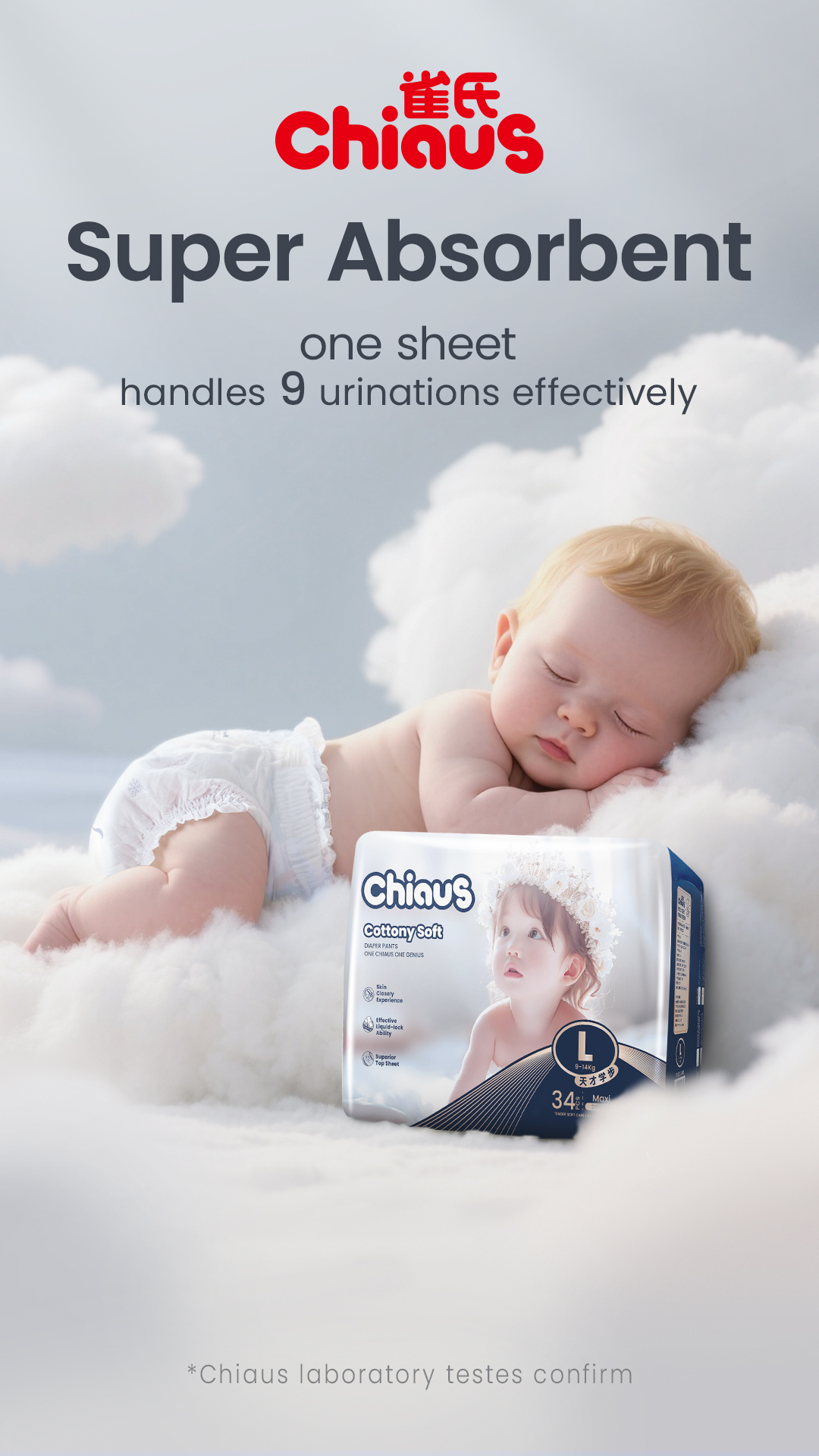
Misconception 2: Thicker Diapers Mean Better Absorption
Many new moms fall into this trap, assuming thicker diapers naturally absorb more liquid.
Little do they realize that bulky diapers are a burden for babies. Once wet, they become heavy and damp, prone to clumping and separation. This restricts the baby's movement, causes red marks on their delicate skin, and in severe cases, may even affect leg development.
Especially during hot summer days, thicker diapers offer poorer breathability, significantly increasing the risk of diaper rash and allergies. This causes immense discomfort for babies and heartache for mothers.
Absorbency and thickness are not directly correlated. Mothers are advised to choose reliable diaper brands that prioritize quality, breathability, strong absorbency, and softness against the skin.
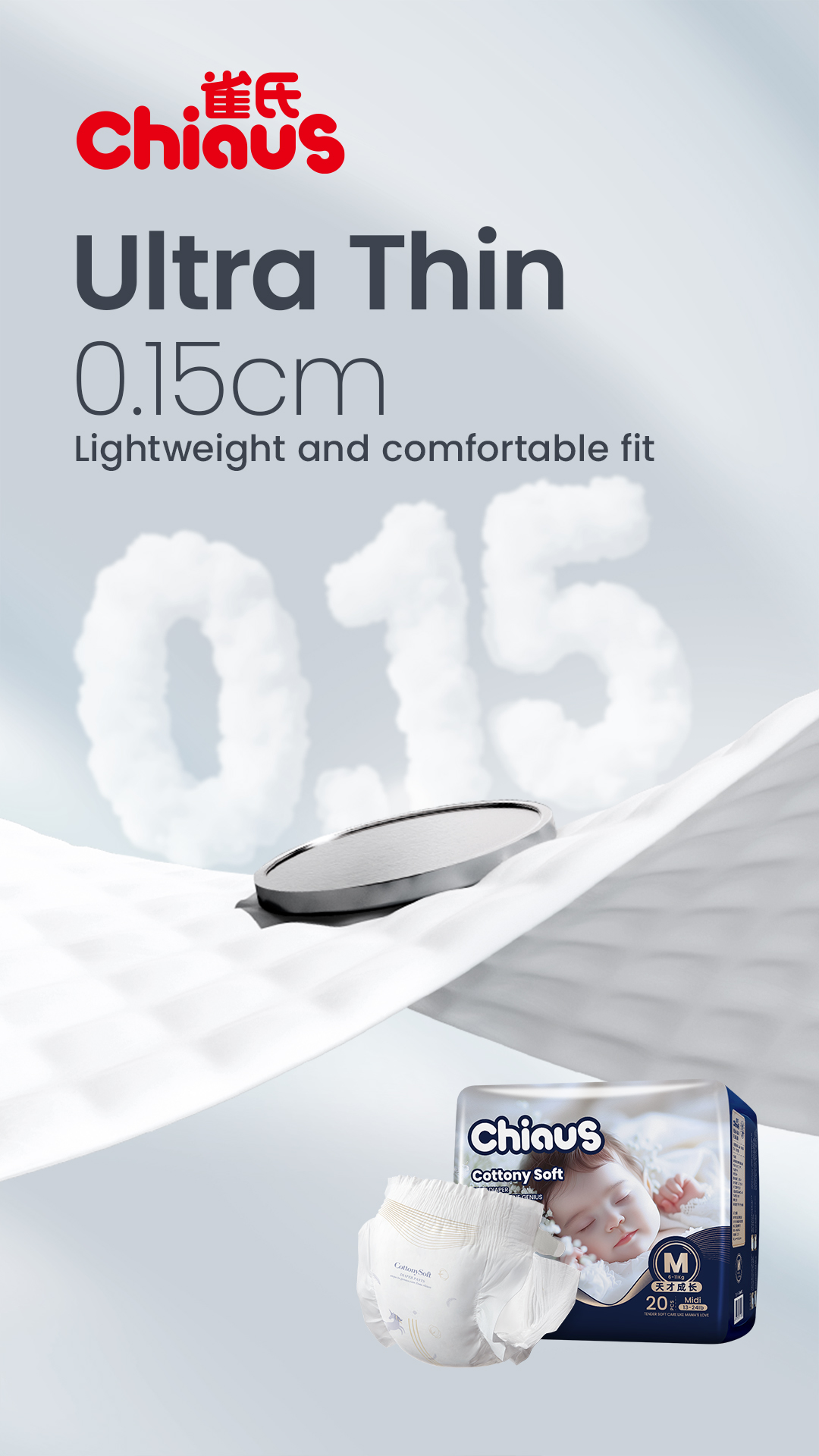
Misconception 3: A Dry Surface Means True Dryness
Many moms assume that if the diaper feels dry to the touch, their baby's bottom stays equally dry after peeing. Yet, after use, the baby still develops a red bottom.
In reality, choosing diapers shouldn't rely solely on surface dryness—true dryness requires a dry core too.
How can you determine if a diaper is comfortable, breathable, and truly dry? Here's a handy trick:
Moms can test it with a cup of hot water. Take a diaper and pour a small amount of hot water (roughly equivalent to one diaper change's worth of urine) onto it.
Place a cold glass cup upside down over the outer surface of the diaper. Observe if water droplets quickly form on the inner wall of the glass. If condensation occurs rapidly, it indicates good breathability.
While testing breathability, place the inside of your arm against the inner surface of the diaper for a few minutes. Remove it afterward and check for moisture. If it feels dry, it's a quality product.
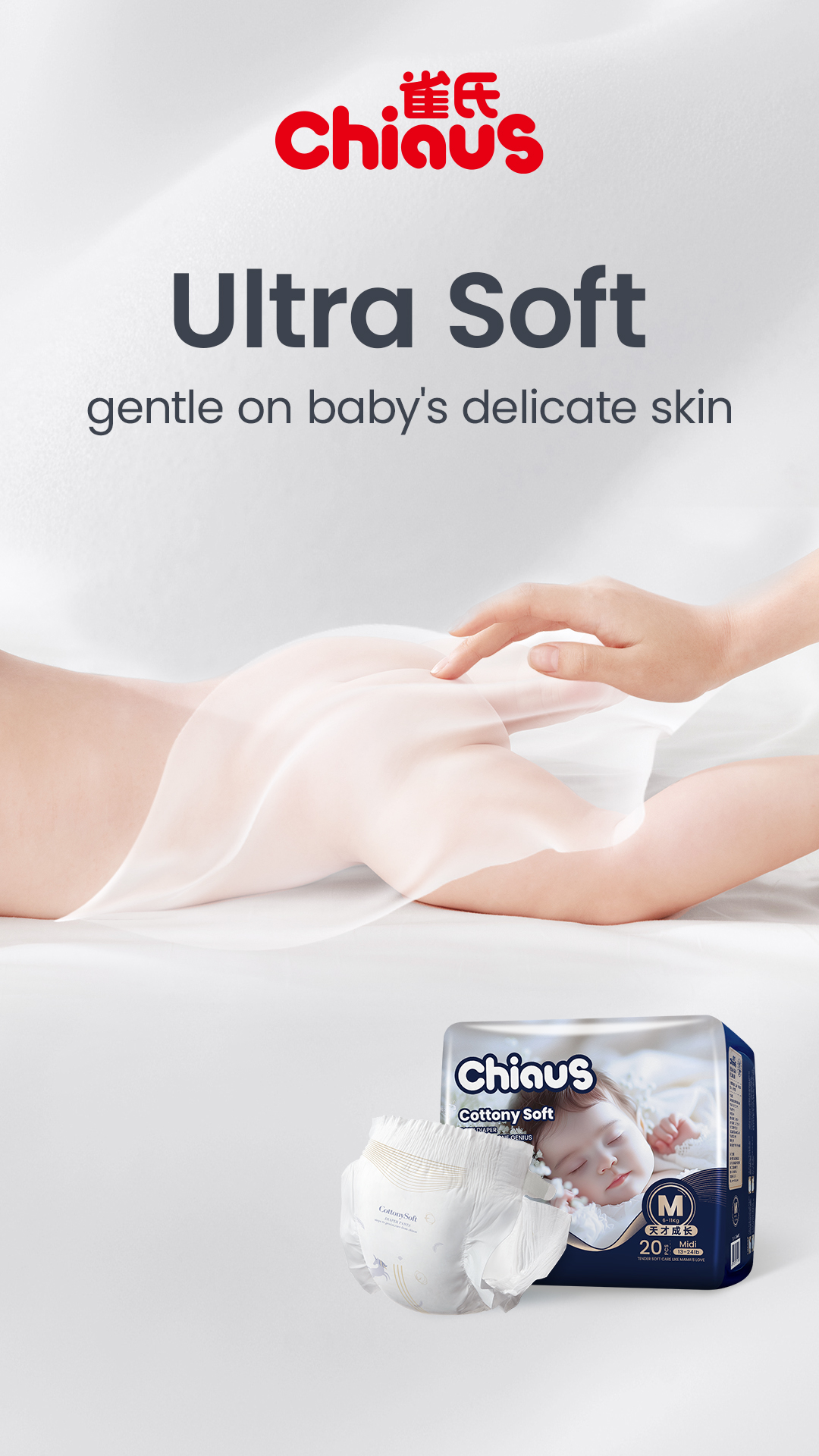
Misconception 4: No need to wipe with highly absorbent diapers
Many moms, wanting to save time, simply remove the soiled diaper and put on a new one without wiping. This approach can easily irritate and redden a baby's delicate skin.
While most diapers offer decent absorbency, residual urine may still remain after wetting. Relying solely on wipes can cause friction and irritate delicate skin.
After urination, gently wipe with a wet wipe, allow the area to air dry completely, then apply a fresh diaper.
After a bowel movement, in addition to wiping with a wet wipe, rinse the bottom with warm water. Then, gently pat dry with a clean, soft towel and apply diaper cream. Avoid rushing to put on a new diaper. Give the skin a chance to breathe and fully dry.
Misconception 5: Smaller-Sized Diapers Prevent Side Leaks
Many moms deliberately choose diapers one size smaller to avoid side leaks. Yet despite fastening the Velcro snugly, leaks still occur when babies sleep on their sides.
Worse, the tight fit leaves red marks on babies' delicate thighs—a clear case of losing more than you gain.
In reality, preventing side leakage isn't about size—it hinges on material quality, cutting techniques, and whether the diaper truly fits comfortably.
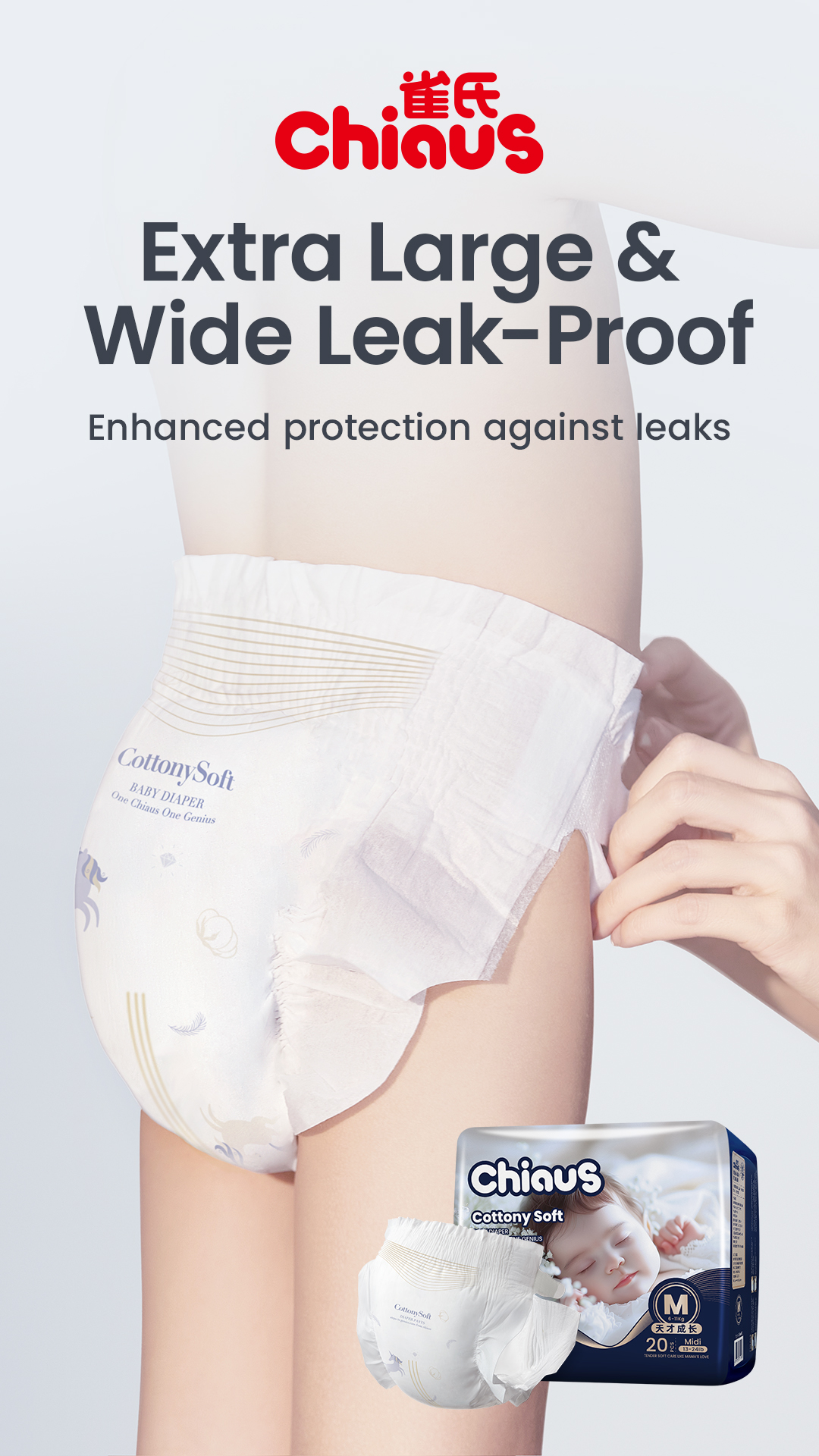
To effectively prevent leaks and ensure optimal comfort for your baby, we highly recommend selecting diapers with advanced leak-proof designs. Look for features such as raised inner girth gussets around the thighs and elastic sealing waistbands, which work together to securely contain even heavy wetness and prevent unexpected leaks.
It is also essential to choose the right diaper size based on your baby's current measurements. You can generally follow the weight recommendations provided on the packaging. For a more customized fit, consider your baby's waist and thigh circumference to ensure the diaper fits snugly without being too tight.
So, how many diapers does a baby need? While usage varies, a well-designed diaper that fits properly and offers superior leak protection may help reduce overall changes—especially overnight.
At Chiaus, we offer OEM & ODM services and support customized packaging and material options. Whether you're looking to develop a high-absorbency, eco-friendly, or ultra-soft diaper line—we help you create products that meet real caregiver needs. Contact us to explore partnership opportunities.