Within the adult care niche market, ABDL diapers have emerged as a key procurement category for overseas B2B clients due to their alignment with user demands for "long-term comfort and low visual presence." However, selecting reliable ABDL diaper suppliers remains challenging for many partners—requiring not only product quality tailored to specific needs but also customization flexibility, delivery reliability, and compliance with target market regulations. When evaluating numerous suppliers, accurately determining their alignment with specific B2B procurement requirements becomes a critical pre-collaboration question. This article dissects key criteria for B2B clients selecting suppliers by examining ABDL diaper characteristics, customization services, and quality compliance dimensions, while offering practical collaboration guidance.
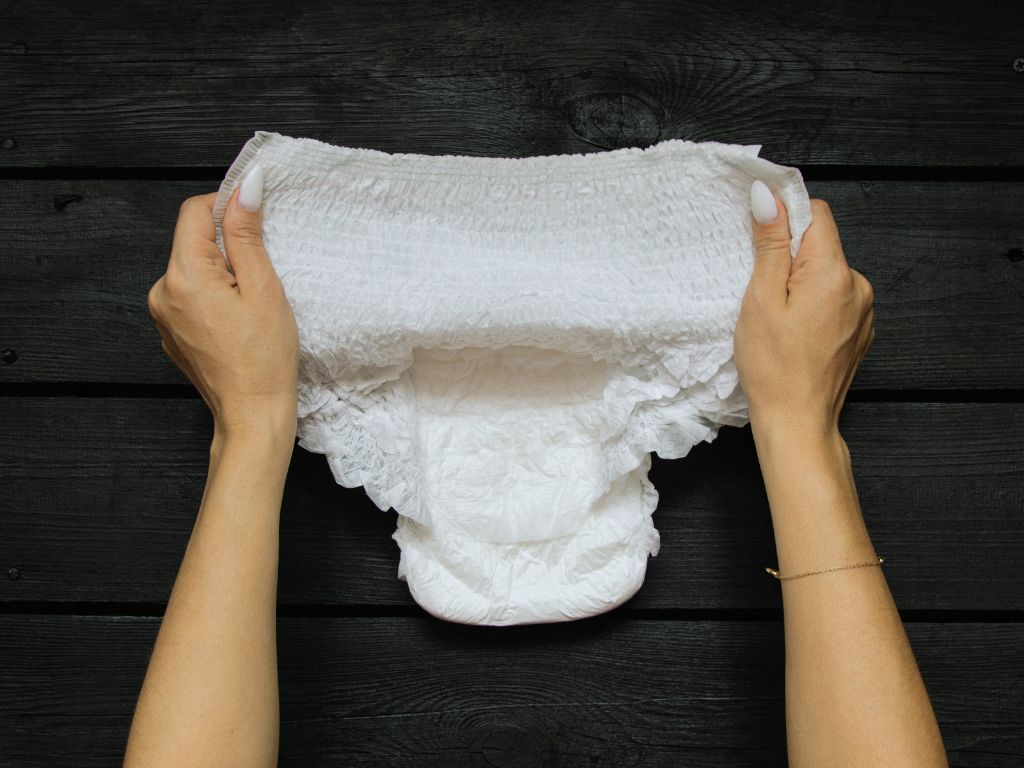
I. What distinguishes ABDL diapers from conventional adult diapers?
Before selecting an ABDL diaper supplier, it is essential to clearly understand the core differences between them and conventional adult diapers—this directly determines whether the supplier possesses "specialized R&D capabilities for niche categories." Suppliers capable only of producing conventional adult diapers often struggle to meet the specific requirements of ABDL diapers. The key distinctions between the two can be compared in the following table:
Compare Dimensions | ABDL Diapers | Regular Adult Diapers |
Core Requirements | Long-term wear comfort, leak-proof stability, minimal medical aesthetic | Emergency leak prevention, easy to put on and take off, cost-effectiveness prioritized |
Design Focus | High-elastic waistband (fits waist sizes 90-140cm), slim core, soft surface layer (reduces friction) | Adjustable hook-and-loop fasteners, high-absorbency core, basic pant style |
Materials Requirements | Fluorescent-free surface layer, food-grade adhesive, breathable backing film (≥600 breathable pores per square meter) | Medical-grade base material, super-absorbent polymer (SAP) |
Applicable Scenarios | Daily long-term wear (at home / light outdoor activities) | Postoperative Care, Emergency Management of Elderly Incontinence, Short-Term Bed Rest |
According to the "Adult Diapers Market Report" released by Global Market Insights, the "adult care segment" encompassing abdl diapers achieved an annual growth rate of 8.2% in 2023, significantly outpacing the 5.1% growth rate of conventional adult diapers. This trend indicates that B2B clients require suppliers with specialized R&D capabilities for ABDL diapers, rather than merely repurposing standard adult diapers. For instance, some specialized suppliers optimize surface layer techniques for ABDL diapers (such as 3D raised dot designs to reduce skin contact area) or adjust core material ratios (e.g., a 7:3 blend of super-absorbent polymer and fluff pulp to balance absorption speed and water retention). These details serve as crucial indicators of a supplier's expertise.
II. Core OEM Customization Services for ABDL Diapers
For most overseas B2B clients, procuring ABDL diapers often requires OEM customization (i.e., OEM adult diapers services). Whether building a private label or adapting to specific target market needs—such as more breathable liners for tropical regions or multilingual packaging for European and American markets—customized support from suppliers is essential. When selecting OEM services, prioritize evaluating three key supplier capabilities:
1. Comprehensive Customization Scope: Can they cover all requirements spanning "Appearance - Functionality - Packaging"?
Premium ABDL diaper OEM services should offer multi-dimensional customization beyond mere logo printing. Professional suppliers typically support the following customization areas:
Appearance customization: Waistband patterns (low-saturation color schemes, minimalist textures to avoid the "medical feel" of traditional adult diapers), pant-style cuts (e.g., narrow crotch design to reduce friction during movement), size expansion (supporting special sizes like XXS/XXL to cater to niche user groups);
Functional Customization: Core thickness (0.8mm thin options for tropical regions, 1.2mm thickened options for temperate zones), breathable film density (upgrade to 800 breathable holes/㎡ for high-humidity areas), absorption capacity adjustment (modify SAP usage to achieve 6-12 hour leak protection);
Packaging Customization: Individual sachets (for user portability), family packs (for home use), multilingual instructions (English/Spanish/French/etc. to meet target market labeling standards).
If suppliers offer only partial customization (e.g., logo printing without core thickness adjustment), products may fail to meet market demands, increasing post-launch sales risks.
B2B procurement of ABDL diapers typically involves bulk orders, where a supplier's production capacity and delivery cycle directly impact the client's market deployment pace. Key information to confirm includes:
Minimum Order Quantity (MOQ): Is the MOQ for standard ABDL diaper OEM orders flexible? For example, specialized suppliers may support orders starting at 100,000 pieces with mixed sizing options (e.g., S/M/L in a 3:4:3 ratio), lowering barriers for small and medium-sized clients.
Delivery Lead Time: What is the standard cycle from design confirmation to production delivery? Can rush orders shorten this timeline? Typically, established suppliers maintain a standard lead time of 15-20 days, with rush orders achievable in 10 days (subject to prior capacity confirmation);
Quality Inspection Process: Does each batch of ABDL diapers undergo rigorous testing? Examples include:
- Absorption speed test (≤3 seconds)
- Leak-proof performance test (simulates 8-hour wear with no side leakage)
- Skin irritation test (pH 5.5-6.5, aligning with human acid-base balance)
These tests directly ensure product qualification rates (≥99.8% required).
3. Additional Support: Can market operation costs be reduced?
Beyond custom manufacturing, premium suppliers offer “market adaptation” services to help B2B clients minimize post-production investments. Common support includes:
Compliance certification assistance: Helps apply for target market access certifications (e.g., US FDA 510(k), EU CE [EN 14683 standard], UK BSCI) to prevent launch delays due to certification issues;
Sample Support: Free provision of 5-10 ADBL diaper samples (shipping collect), enabling clients to pre-test quality and fit;
Technical Documentation: Issuance of electronic documents like material composition reports and test reports to meet compliance requirements for platforms like Amazon or offline channel promotions.
III. Quality and Compliance of ABDL Diapers
When sourcing ABDL diapers through overseas B2B channels, "quality safety" and "compliance" are non-negotiable. Products failing to meet local standards risk order returns and potential legal penalties. When selecting suppliers, rigorously evaluate both "raw materials" and "compliance certifications":
1. Raw Materials: Eliminating Safety Hazards at the Source
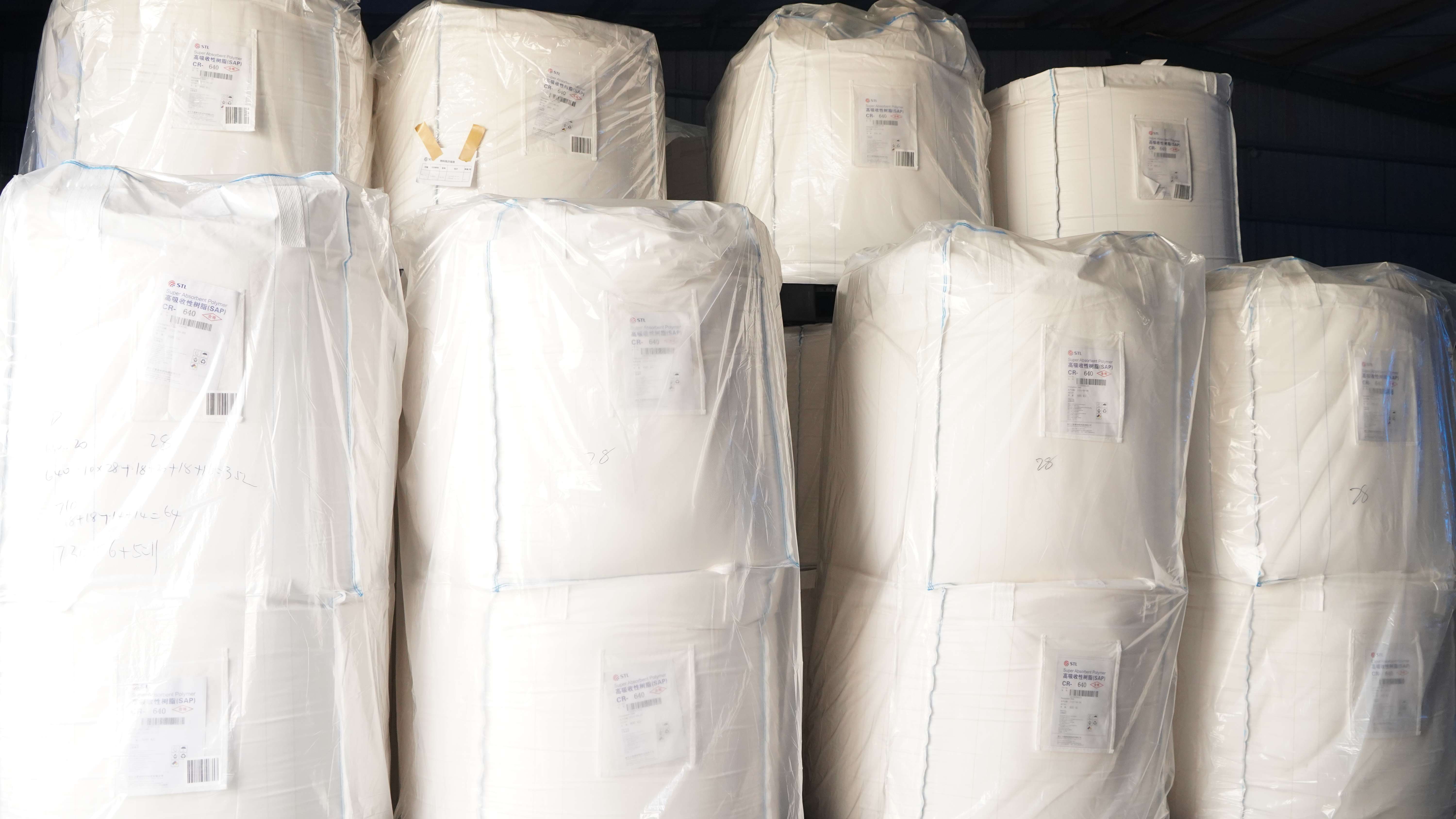
ABDL diapers require prolonged wear, making raw material safety directly impact user health. Confirm whether suppliers implement a "Supplier Access System" and verify that key materials meet the following standards:
Outer Layer Material: Utilizes imported ES non-woven fabric (30g/㎡), free of fluorescent agents and formaldehyde, skin-friendly, compliant with importing country's testing standards to prevent skin allergies;
Core Material: Utilizes compliant superabsorbent polymers (SAP) (e.g., Sumitomo SAP from Japan) with an absorption capacity ≥50 times (each gram of SAP absorbs 50g of saline solution) and no heavy metal residues;
Adhesive: Employs food-grade hot melt adhesive compliant with EU Regulation 10/2011 for food contact materials, preventing adhesive migration irritation from prolonged wear.
Recommend requesting raw material test reports and supplier certification from vendors to avoid purchasing "substandard material" ABDL diapers.
2. Compliance Certification: Verify products meet target market entry requirements
Different countries/regions have varying standards for ADBL diapers. Confirm suppliers' products hold core certifications for target markets, eliminating additional client certification costs. Examples:
US Market: Requires FDA 510(k) clearance (mandatory for adult care products) and compliance with FTC labeling regulations (clear ingredient/usage instructions).
EU Market: Requires CE certification (EN 14683 medical device standard) and compliance with REACH regulations on chemical restrictions (e.g., heavy metal content ≤10ppm);
Southeast Asian Market: Requires certifications like Malaysia's SIRIM and India's BIS, plus adaptation to local humid climates (e.g., enhanced breathable liners, anti-mold packaging).
Taking Chiaus as an example, its abdl diapers and OEM adult diapers have obtained certifications across multiple regions. For instance, Chiaus’ FSC certificate number is RINA-COC-004260. Customers can verify the electronic certificate via the FSC official website for direct use in market access audits. Additionally, if clients require supplementary certifications for specific markets, professional suppliers will provide assistance to mitigate compliance risks.
IV. How to Ensure Smooth Collaboration with ABDL Diaper Suppliers?
Beyond product and service capabilities, a supplier's "collaboration process" and "after-sales support" significantly impact B2B partnership efficiency. A mature collaboration process should be streamlined and transparent, typically comprising four steps:
Requirement Confirmation: The client provides customization requirements for ABDL diapers (appearance, functionality, order quantity), and the supplier responds with a proposal and quotation within one business day.
Sample Production: Upon proposal confirmation, samples are completed within 3-5 business days and shipped via DHL/FedEx to the client's designated address;
Order Production: After sample approval, the contract is signed and a 30% advance payment is made, triggering production commencement by the supplier (completed within the agreed timeline);
Delivery & Acceptance: Upon production completion, the customer pays the remaining 70% balance. The supplier arranges shipment via sea/air freight (providing tracking numbers) and simultaneously sends product inspection reports.
After-sales support is equally crucial. Confirm whether the supplier offers at least one year of warranty coverage: For instance, if quality issues arise (e.g., leakage failure, material defects), can they provide a solution (replacement or refund) within 3 business days? If market feedback indicates ABDL diapers require optimization (e.g., users find waistbands too tight), can the supplier provide free adjustment solutions? These details help B2B clients mitigate potential post-collaboration risks and achieve long-term mutual success.
By evaluating these dimensions, overseas B2B clients can more accurately select ABDL diaper suppliers that meet their requirements—whether assessing professional capabilities or managing customization and compliance details, clear reference standards become available. Ultimately, choosing a reliable supplier not only ensures ABDL diaper product quality but also saves time and costs in subsequent market planning, securing an advantage in the highly competitive adult care niche market.


