Choosing the right diaper is a crucial decision for parents, as it directly impacts a baby's comfort, health, and overall well-being. The market is flooded with numerous options, making it challenging to determine which diaper is best suited for a baby's needs. Factors such as material, absorbency, fit, and environmental impact all play significant roles in this decision-making process. Among the myriad of choices, baby diaper pants have gained popularity for their convenience and ease of use. This comprehensive analysis aims to delve deep into the different types of baby diapers available, evaluating their features, benefits, and drawbacks to help parents make an informed choice.
The Importance of Choosing the Right Diaper
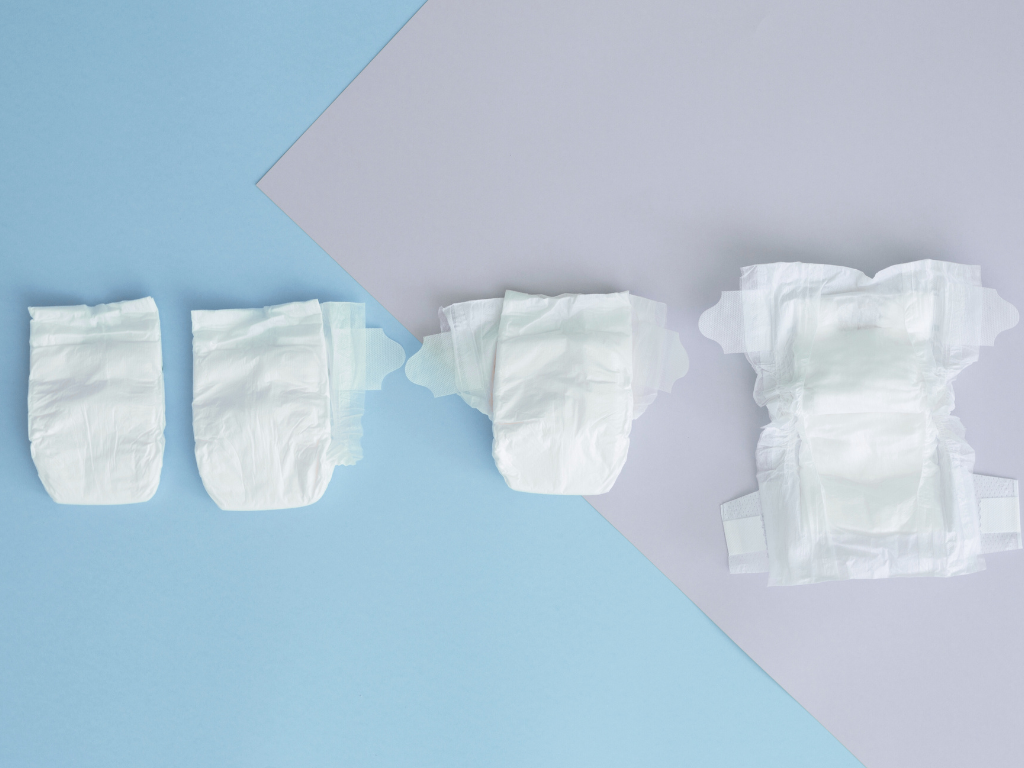
A diaper is more than just a piece of clothing; it's an essential product that affects a baby's daily comfort and health. An inappropriate diaper can lead to discomfort, skin irritations, or even more severe health issues. It is important to select diapers that are not only comfortable but also safe and effective in keeping the baby dry. Parents must consider the diaper's absorbency, material composition, size, and overall fit to ensure it meets the baby's needs. Moreover, the right diaper can make parenting more manageable by reducing the frequency of leaks and diaper changes.
Types of Baby Diapers
The variety of baby diapers available can be broadly categorized into disposable diapers, cloth diapers, and biodegradable diapers. Each type has its unique features, advantages, and disadvantages that cater to different parental preferences and priorities.
Disposable Diapers
Disposable diapers are the most commonly used type due to their convenience. They are designed for single use and are discarded after they become soiled. These diapers are made from absorbent materials that effectively lock away moisture, keeping the baby's skin dry. Brands like Chiaus offer a range of disposable baby diapers that prioritize comfort and absorbency.
Advantages:
High absorbency levels reduce the frequency of diaper changes.
Convenient for on-the-go parents or when traveling.
Available in various sizes and designs to accommodate different ages.
Disadvantages:
Not environmentally friendly due to the accumulation of waste.
Ongoing expense as they need to be purchased regularly.
Some babies may be sensitive to the chemicals used in the materials.
Cloth Diapers
Cloth diapers are reusable diapers made from natural fibers, synthetic materials, or a combination of both. They have evolved significantly over the years and now come in various styles, including prefold, fitted, and all-in-one designs. Cloth diapers are favored by parents who are environmentally conscious and prefer a more sustainable option.
Advantages:
Reusable and reduce environmental waste.
Cost-effective in the long run compared to disposable diapers.
Gentle on the baby's skin due to the use of natural materials.
Disadvantages:
Require frequent washing and maintenance.
Less absorbent, leading to more frequent diaper changes.
Initial investment can be higher due to the cost of multiple diapers.
Biodegradable Diapers
Biodegradable diapers are a hybrid between disposable and cloth diapers. They are designed to be more environmentally friendly than traditional disposables by using materials that break down more easily. Brands like Chiaus have started incorporating biodegradable materials to reduce their environmental footprint.
Advantages:
Eco-friendly alternative to traditional disposables.
Convenient and hygienic like standard disposable diapers.
Made with fewer chemicals, reducing the risk of skin irritation.
Disadvantages:
Can be more expensive than regular disposable diapers.
Availability might be limited in some regions.
May not decompose effectively in landfills without proper conditions.
Factors to Consider When Choosing a Diaper
Selecting the best diaper involves evaluating several critical factors. Parents should prioritize features based on their baby's specific needs and their values regarding convenience, cost, and environmental impact.
Absorbency
A diaper's primary function is to absorb moisture and keep the baby's skin dry to prevent rashes and discomfort. The absorbency level varies among different diaper brands and types. Disposable diapers typically offer high absorbency due to their superabsorbent polymers, which can hold significant amounts of liquid. Cloth diapers may require additional inserts to enhance absorbency, especially during nighttime or for heavy wetters.
Fit and Comfort
A proper fit ensures that the diaper effectively contains waste without causing discomfort. Diapers that are too tight may irritate the baby's skin or restrict movement, while those that are too loose can lead to leaks. Many brands provide a baby diaper size chart to help parents select the correct size based on the baby's weight and age.
Skin Sensitivity
Some babies have sensitive skin that reacts negatively to certain materials or chemicals found in diapers. Hypoallergenic diapers made from natural or organic materials can reduce the risk of diaper rash and allergic reactions. Parents should monitor their baby's skin condition and consider switching to a different diaper type if irritation occurs.
Cost
The cost of diapers can be a significant consideration, as babies require frequent diaper changes, especially during the first few months. Disposable diapers represent a recurring expense, while cloth diapers involve an upfront investment and ongoing costs related to cleaning. Purchasing baby diapers wholesale can offer cost savings for disposable diaper users.
Environmental Impact
Environmental concerns influence many parents' diaper choices. Disposable diapers contribute to landfill waste, as they take a long time to decompose. Cloth diapers, while reusable, require water and energy for washing. Biodegradable diapers offer a compromise by using materials that break down more quickly, although their environmental benefits depend on proper disposal methods.
Diaper Sizes and Fit
Understanding diaper sizing is essential for ensuring a snug and comfortable fit. Diaper sizes are generally based on the baby's weight, but there can be variations between brands. The use of a baby diaper size chart can assist parents in selecting the appropriate size. Signs that a diaper is too small include red marks on the skin, frequent leaks, and difficulty fastening the diaper. Conversely, if the diaper is too large, it may not provide adequate protection against leaks.
To ensure the best fit:
Check the weight guidelines provided by the diaper manufacturer.
Observe how the diaper fits around the legs and waist.
Adjust the diaper tabs for a snug but comfortable fit.
Consider moving up a size if the baby is at the upper limit of the current size's weight range.
Diaper Pants vs Traditional Diapers
Diaper pants, also known as pull-up diapers, are designed to be worn like regular underwear. They are particularly useful for active babies and toddlers who are beginning to explore movement or undergoing potty training. Traditional diapers require fastening with tabs and are more suitable for younger babies who are less mobile.
Benefits of Diaper Pants:
Easy to pull up and down, facilitating potty training.
Provide a comfortable fit for active babies.
Eliminate the need for fastening tabs, simplifying the diapering process.
Considerations:
May be more expensive than traditional diapers.
Changing soiled diaper pants can be challenging without side openings.
Not all brands offer a wide range of sizes in diaper pants.
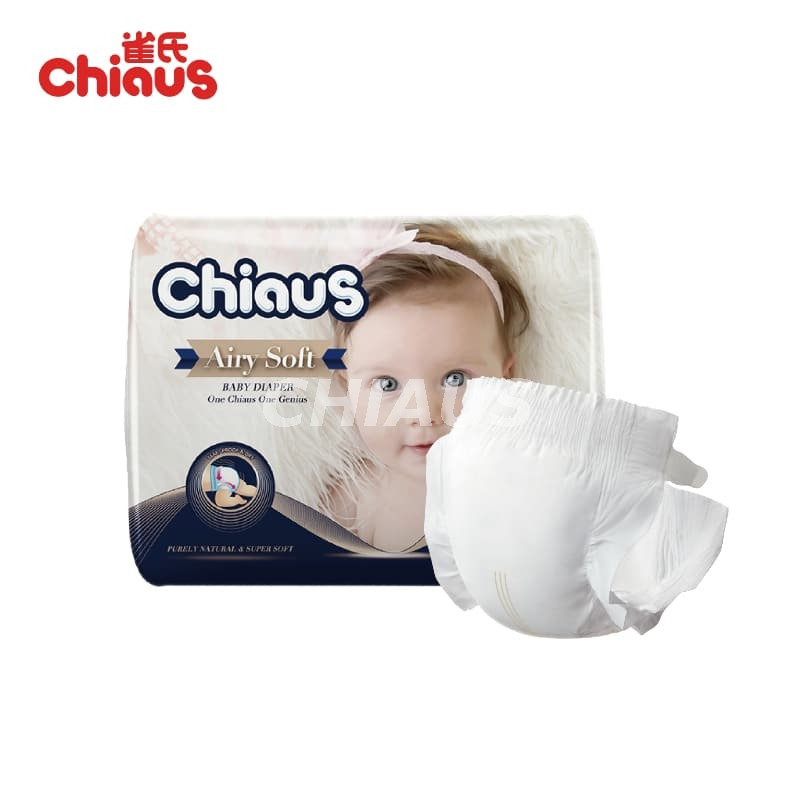
Brands like Chiaus provide a variety of baby diaper pants that cater to different stages of a baby's development.
Wholesale Options for Baby Diapers
Purchasing baby diapers in bulk can lead to significant cost savings, which is particularly beneficial for families on a budget. Wholesalers and manufacturers often offer discounted prices for larger quantities. When considering baby diapers wholesale, it's important to ensure that the diapers meet quality standards and are appropriate for the baby's size and needs.
Advantages of buying wholesale:
Reduced cost per diaper compared to retail prices.
Convenience of having a large supply readily available.
Opportunity to try different products if purchasing variety packs.
Considerations:
Storage space required for bulk quantities.
Risk of outgrowing diapers before they are used up.
Initial upfront cost can be higher due to purchasing in large quantities.
Selecting the best diaper for a baby involves careful consideration of various factors, including absorbency, fit, skin sensitivity, cost, and environmental impact. There is no one-size-fits-all solution, as each baby has unique needs and each family has different priorities. By understanding the options available and evaluating them against personal preferences, parents can choose diapers that will keep their babies comfortable and healthy. Exploring options like baby diaper newborn sizes or investing in eco-friendly choices can significantly enhance the diapering experience. Brands like Chiaus offer a wide range of products that cater to diverse needs, making it easier for parents to find the perfect fit for their babies.
Frequently Asked Questions
It's recommended to change your baby's diaper every two to three hours or whenever it is soiled. Frequent changes help prevent diaper rash and keep the baby's skin healthy.
Newborns typically require the smallest size available. Refer to a baby diaper size chart and choose diapers designed for babies weighing up to 10 pounds (4.5 kg).
Biodegradable diapers are made from materials that decompose more quickly than traditional disposables. While they are more eco-friendly, proper disposal methods are essential to maximize their environmental benefits.
Yes, purchasing baby diapers wholesale can provide access to high-quality products at reduced prices. Ensure that you buy from reputable suppliers to maintain quality standards.
Diaper rash appears as red, irritated skin in the diaper area. Prevent it by changing diapers frequently, cleaning the area gently, and using barrier creams if necessary. Selecting diapers that are gentle on the skin can also help.
Diaper pants are often more suitable for active toddlers as they allow greater freedom of movement and are easier to change when the child is standing. They also facilitate potty training.
Signs of an allergic reaction include persistent diaper rash, redness, or swelling in the diaper area. If you suspect an allergy, try switching to a different brand or type, such as hypoallergenic or natural fiber diapers, and consult a pediatrician if symptoms persist.


