Diaper changes are a routine yet challenging part of caring for a baby, especially when your baby cries during these moments. Understanding why your baby cries during diaper changes is crucial for parents. In this post, we'll explore common causes of fussiness and share effective strategies to make diaper changes easier and more comfortable for both you and your baby. With the right baby diapers and approach, diaper changes can become a smoother experience.
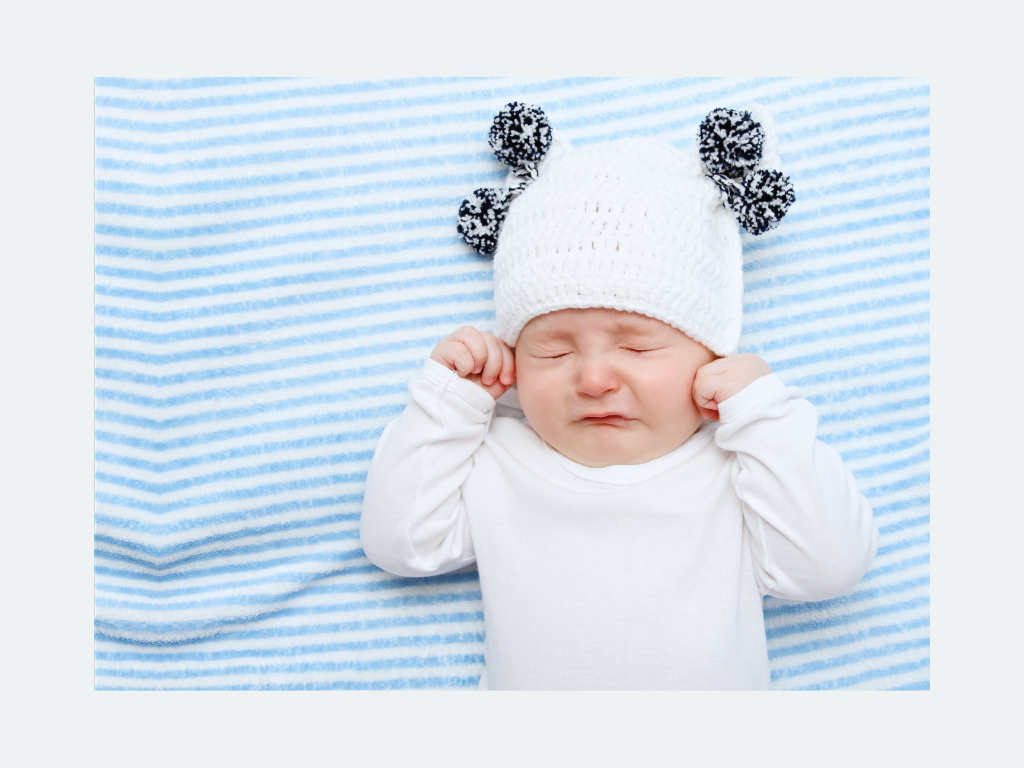
Why Does Your Baby Cry During Diaper Changes?
Common Reasons for Crying
Many babies cry during diaper changes because they find the experience uncomfortable or unsettling. They cannot explain their feelings, so crying becomes their way to communicate distress. Some common reasons include:
● Feeling cold: Babies are used to the warmth of clothing or blankets. When you remove their diaper, the sudden exposure to cooler air can startle them.
● Discomfort from wipes: Even gentle wipes can feel cold or strange on sensitive skin, causing fussiness.
● Physical handling: Lifting their legs or moving them can feel unfamiliar or restrictive, especially to newborns.
● Interruption of activity: Older babies may resist because diaper changes interrupt their play or exploration.
● Sensory overload: Bright lights, noises, or unfamiliar surroundings during a change can overwhelm them.
Temperature and Sensation Changes
Temperature shifts play a big role in the crying. Babies quickly notice when warm clothing comes off and cold air touches their skin. This sudden change can cause discomfort or surprise. Using a soft blanket to cover the baby's chest during changes helps keep them warm and reduces distress.
The sensation of wipes or diaper materials also matters. Some babies react to the texture or coolness of wipes. Using warmed wipes or wiping gently can make a big difference.
Communication of Discomfort
Since babies cannot use words, crying is their main way to tell you something feels wrong. They might be wet, irritated, or experiencing diaper rash. Sometimes the diaper is too tight or not fitted properly, causing discomfort.
Pay attention to your baby's cues. If crying is intense or unusual, check for redness, rash, or signs of pain. Adjust diaper size or try different products to improve comfort.
Understanding your baby's reasons for crying during diaper changes helps you respond with patience and care, making the process smoother for both of you.
Preparing for a Smooth Diaper Change
Gathering All Necessary Supplies
One of the best ways to make diaper changes easier and less stressful is to have everything ready before you start. Imagine reaching for wipes or a clean diaper only to realize they're out of reach or missing. This can prolong the process and make your baby more upset.
Here's a checklist of essentials to gather before changing your baby's diaper:
● Clean diapers: Keep enough on hand to avoid running out during the day.
● Baby wipes: Choose gentle, fragrance-free wipes to prevent irritation.
● Diaper cream or ointment: Useful if your baby has diaper rash or sensitive skin.
● Changing pad or mat: Provides a clean, soft surface.
● Plastic bag: For disposing of the used diaper and wipes.
● Extra clothes: In case of leaks or accidents.
Having these items within arm's reach helps you change the diaper quickly and efficiently, reducing the time your baby is exposed and uncomfortable.
Choosing the Right Location for Diaper Changes
The environment where you change your baby's diaper can make a big difference in how they react. A calm, cozy spot helps your baby feel more secure and less likely to fuss.
Consider these tips for picking the best place:
● Quiet and calm: Choose a room with minimal noise and distractions.
● Comfortable temperature: Make sure the area is warm so your baby doesn't get cold.
● Clean and safe: Use a clean changing pad on a stable surface to prevent accidents.
● Good lighting: Soft lighting is best, especially for nighttime changes to avoid startling your baby.
● Familiar space: Changing your baby in the same spot builds a routine and sense of security.
If you're on the go, prepare a portable changing kit with all essentials. This helps you maintain consistency and comfort even outside the home.
Always prepare your diaper changing area ahead of time to keep the process quick and stress-free for both you and your baby.
Techniques to Calm Your Baby During Diaper Changes
Using Gentle and Efficient Movements
When changing your baby’s diaper, gentle handling is key to reducing their distress. Instead of quick, abrupt motions, use smooth, steady movements. For example, lift your baby’s legs carefully by supporting their lower back and hips rather than pulling too hard. This prevents discomfort and helps your baby feel secure.
Try to work efficiently but calmly. Having everything ready beforehand means you can finish the change quickly, minimizing the time your baby is exposed to cold air or feeling uncomfortable. Avoid leaving your baby unattended during the process, as this can increase their anxiety.
Using a soft, warm blanket to cover your baby’s chest during the change also helps maintain their body temperature. This reduces the shock of cold air and can soothe them, making the experience less upsetting.
Maintaining Eye Contact and Offering Comfort
Eye contact is a powerful way to connect and calm your baby. While changing their diaper, look into their eyes and smile. Your calm, reassuring expression can help your baby feel safe and loved, even if they're a bit fussy.
Talking softly or singing a gentle song during the change can also comfort your baby. Hearing your voice reassures them and distracts from the discomfort of the change. Some parents find that narrating what they’re doing helps babies feel involved and less startled.
If your baby starts to cry, pause for a moment and offer cuddles or gentle strokes. This physical comfort can quickly soothe their distress and make the diaper change a more positive experience. Remember, your calm demeanor influences your baby's mood. Staying relaxed helps them relax too.
Use slow, smooth movements and maintain gentle eye contact during diaper changes to build trust and reduce your baby's fussiness.
Using Distractions to Ease Diaper Changes
Introducing Toys and Music
Distractions can be a game-changer during diaper changes. Babies often cry because they feel uncomfortable or bored. Offering something interesting to focus on helps shift their attention away from the change itself.
Toys are perfect for this. Choose small, safe toys that your baby can hold or look at during the change. Soft plush toys, colorful rattles, or teething rings work well. Some parents find success using special toys reserved only for diaper time. This creates a positive association and makes the moment more enjoyable.
Music is another excellent distraction. Singing a favorite nursery rhyme or playing gentle lullabies soothes babies and can make them calmer. Your voice is familiar and comforting, helping reduce fussiness. Even simple humming or soft background music can ease tension.
Try combining toys and music. For example, sing while your baby plays with a toy. This multi-sensory approach can keep your baby engaged longer and reduce crying.
Creating a Calming Environment
Beyond toys and music, the environment itself plays a big role in how your baby reacts. A calm, quiet space helps your baby feel safe and less overwhelmed.
Dim the lights slightly to avoid startling your baby with harsh brightness. Keep noise levels low, avoiding loud TV or sudden sounds. If possible, choose a room where your baby feels comfortable and secure.
Soft textures and warm blankets also contribute to a calming atmosphere. Cover your baby's chest with a cozy blanket during the change to keep them warm and shielded from cold air. This simple step can prevent crying caused by temperature shock.
You might also try gentle rocking or swaying motions while changing your baby's diaper. This movement mimics the comforting sensations they felt in the womb and can help them relax.
Remember, babies pick up on your mood too. Staying calm and patient creates a peaceful environment, encouraging your baby to feel calm as well.
Keep a special toy and a playlist of soothing songs handy at your diaper changing station to quickly engage your baby and ease fussiness.
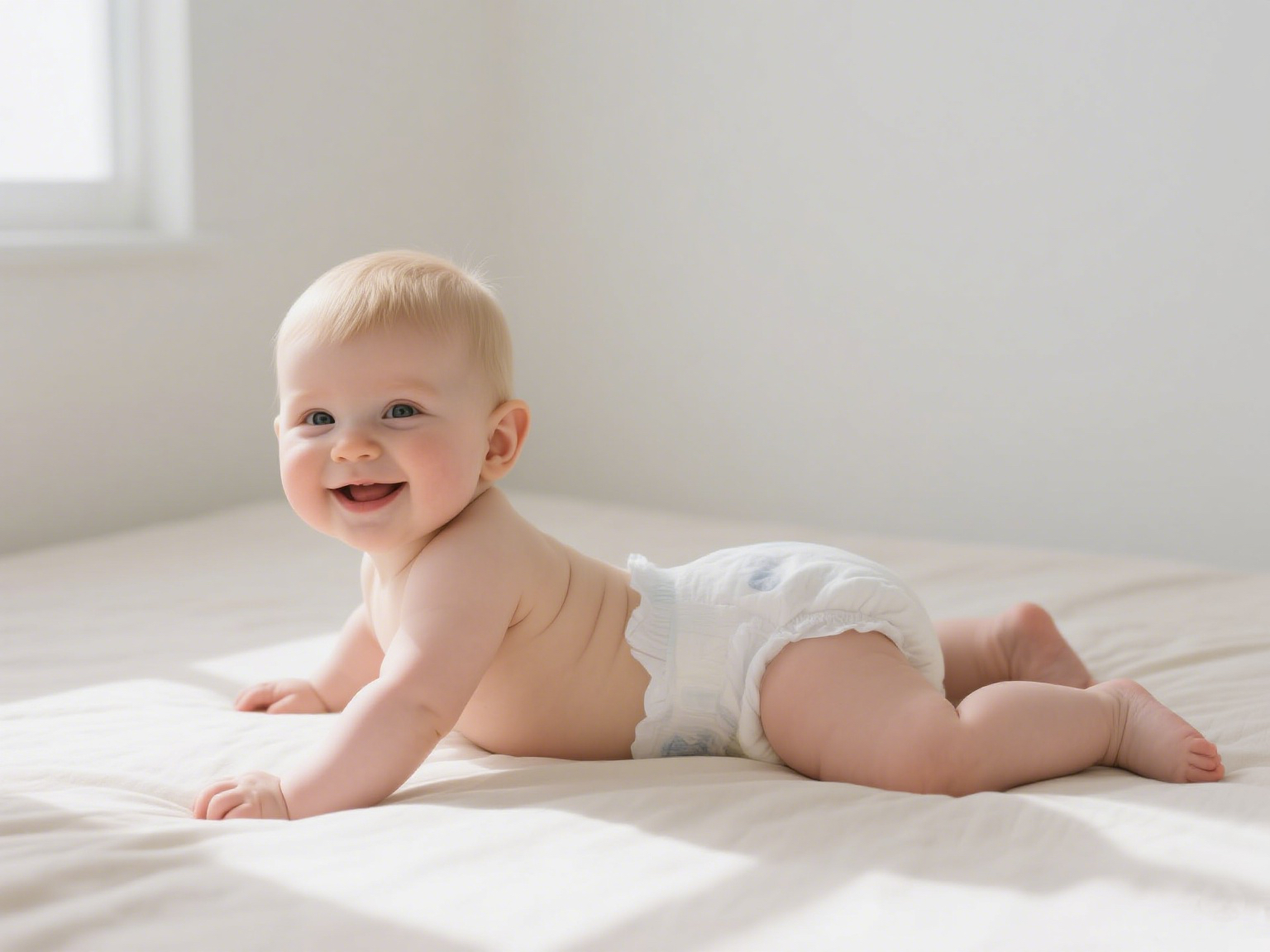
Choosing Low sensitivity Baby Diapers
Choosing baby diapers for sensitive skin with soft, breathable materials can help improve comfort during everyday use. For brands developing low sensitivity baby diapers, selecting skin-friendly materials and maintaining consistent quality are also important considerations.
Establishing a Routine for Diaper Changes
Benefits of a Predictable Routine
Babies thrive on predictability. Establishing a diaper changing routine helps your baby feel safe and more comfortable. When they know what to expect, they tend to fuss less. A consistent routine builds trust and reduces anxiety for both baby and caregiver.
Having a set sequence of actions during diaper changes can make the process smoother. For example, always starting with unfastening the diaper, then gently wiping, followed by putting on a fresh diaper. Repeating the same steps in the same order helps your baby anticipate what's next.
Routines also help you work efficiently. When you know the flow, you can prepare better and change diapers faster. This reduces the time your baby is exposed to cold air or uncomfortable sensations.
Consistency in Diaper Changing Locations
Changing your baby's diaper in the same place each time adds to the sense of routine. A familiar spot feels secure and calming. Your baby learns that this place is where diaper changes happen, which reduces resistance.
Choose a location that is quiet, warm, and safe. Use a soft changing pad on a stable surface. Keep supplies nearby so you don't have to leave your baby unattended.
If you must change diapers in different places, try to keep the setup similar. For example, always use a changing pad and have wipes and diapers ready. This consistency helps your baby adjust more easily.
Over time, your baby will associate the location and routine with comfort and care. This can greatly reduce crying and fussiness during diaper changes.
Establish a simple, consistent diaper changing routine and use the same location to help your baby feel secure and reduce crying.
Addressing Common Concerns During Diaper Changes
Handling Crying and Fussiness
Crying and fussiness during diaper changes are common challenges many parents face. When your baby cries, it's their way of communicating discomfort or distress. Instead of rushing, take a moment to pause and respond with calmness. Your baby picks up on your emotions, so staying composed can help soothe them.
If your baby starts crying mid-change, try gently talking or singing to them. Soft, reassuring words can calm their nerves. Sometimes, a brief cuddle or gentle touch helps reset their mood before continuing. Avoid forcing the change if your baby is very upset; instead, pause and try again in a few minutes.
Remember, crying doesn't always mean something is wrong. It might just be a reaction to being handled or the temporary discomfort of being exposed. Patience and gentle care during these moments build trust and make future diaper changes easier.
Checking for Discomfort or Irritation
Persistent crying during diaper changes may signal discomfort or irritation. Always check your baby's skin for redness, rash, or swelling. Diaper rash is a common cause of distress and can make diaper changes painful.
If you notice redness or irritation, consider applying a barrier cream or ointment designed for sensitive skin. Make sure the diaper is not too tight, as this can cause chafing or restrict movement. Switching to a different diaper brand or size might also help if your baby seems uncomfortable.
Additionally, check for any signs of infection or unusual skin conditions. If irritation persists or worsens, consult your pediatrician for advice.
By addressing these concerns promptly, you help keep your baby comfortable and reduce crying during diaper changes.
Always observe your baby's skin carefully during changes and respond promptly to irritation to prevent discomfort and ease fussiness.
Conclusion
Understanding why babies cry during diaper changes helps parents address their needs effectively. Babies may cry due to discomfort, temperature changes, or sensory overload. Preparing supplies, creating a soothing environment, and using distractions can ease the process. Establishing a routine enhances comfort and reduces fussiness. By considering these factors, parents can make diaper changes smoother and more pleasant. For added comfort, consider Chiaus diapers, known for their gentle materials and excellent absorption, ensuring your baby stays comfortable and dry.
Q: Why does my baby cry during diaper changes?
A: Babies often cry during diaper changes due to discomfort from cold air, wipes, or physical handling. They use crying to communicate distress, as they cannot express their feelings verbally.
Q: How can I make diaper changes smoother for my baby?
A: Prepare all necessary supplies beforehand, choose a calm location, and use gentle movements. Offering distractions like toys or music can also help ease your baby's fussiness during diaper changes.
Q: What should I do if my baby has diaper rash?
A: If your baby has diaper rash, apply diaper cream or ointment designed for sensitive skin. Ensure the diaper isn't too tight and consider switching brands if irritation persists.
Q:What makes baby diapers suitable for sensitive skin?
A:Baby diapers for sensitive skin typically focus on soft materials, breathability, reliable absorbency, and a comfortable fit to help minimize potential discomfort.


