You know the feeling—your pet or child has an accident on the carpet, and suddenly you’re searching for quick and easy tips to fix the mess. Urine can seep deep into carpet fibers and even padding, making it tough to get rid of both stains and that stubborn smell. Sometimes, you try air fresheners or basic cleaners, but the odor just comes back stronger. If you want real results, you need tips to clean urine in house that tackle the problem right away and reach below the surface. Don’t worry—you can handle it!
Key Takeaways
Act fast when you see urine. This stops stains and smells from getting worse.
Dab urine stains with paper towels. Do not rub them or the mess will spread.
Use enzyme-based cleaners. They break down urine crystals and remove smells.
Test cleaning products on a small hidden spot first. This helps you avoid damage or color changes.
Be safe by wearing gloves and opening windows. Keep pets and kids away while you clean.
Use black lights and your nose to find hidden urine stains. This helps you clean everything well.
Clean often, use covers, and teach pets or kids. This helps stop future accidents.
Call professional cleaners if stains or smells do not go away.
Tips to Clean Urine in House
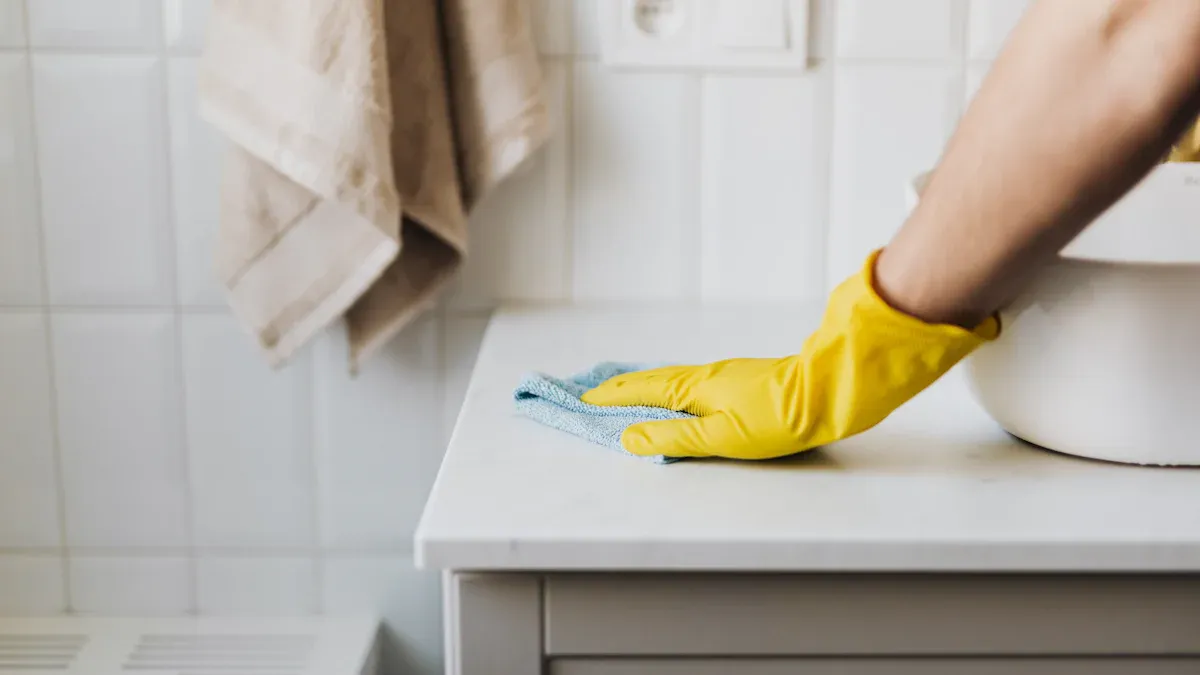
Quick Action
When you spot a urine accident, don’t wait. The faster you act, the better your chances of stopping stains and odors before they set in. Cleaning experts agree that immediate action is one of the most important tips to clean urine in house. If you let urine sit, it can soak deep into carpets, wood, or fabric. This makes it much harder to remove later. On hardwood floors, waiting too long can even cause black stains or damage the wood.
Grab some paper towels or a clean cloth right away. Blot up as much liquid as you can. If you have an enzyme-based cleaner, spray it on the spot as soon as possible. These cleaners need time to work, so let them sit for several hours if you can. Quick and easy tips like this help you avoid permanent stains and keep your home smelling fresh. If you’re cleaning up after a pet, fast action also helps prevent repeat accidents in the same spot.
Tip: Always keep a bottle of enzyme cleaner handy for those surprise accidents. Acting quickly is the first step to effective cleanup.
Blot, Don’t Rub
You might feel tempted to scrub the stain, but resist the urge! Blotting is the best way to lift urine from carpets and fabrics. Rubbing only spreads the mess and pushes it deeper into the fibers. This makes it even harder to get rid of the smell later.
Blotting absorbs the urine without spreading it.
Rubbing can push urine deeper into carpet fibers.
Use paper towels or a clean cloth to blot the stain.
Press down firmly—standing on the towel or using a heavy object helps soak up more liquid.
These quick and easy tips make a big difference. You’ll find that blotting is much more effective than rubbing when it comes to urine stain removal.
Test Cleaners
Before you reach for a strong cleaning solution, always test it on a small, hidden area first. Some cleaners can discolor or damage certain surfaces. You don’t want to swap a urine stain for a faded patch on your carpet or couch.
Enzyme-based cleaners work best for breaking down urine and removing odors.
Avoid cleaners with ammonia. Ammonia smells like urine and can make pets want to mark the spot again.
For tough stains, try a mix of white vinegar and water after using an enzyme cleaner.
Always follow the instructions on the product label.
Testing first helps you avoid surprises and ensures you pick the right product for your home. These tips to clean urine in house will help you handle any accident with confidence and keep your surfaces looking their best.
Safety First
When you clean up urine, you need to think about your safety. Urine can carry germs, and some cleaning products can be harsh on your skin or lungs. You want to protect yourself while following the best tips to clean urine in house.
Here are some simple steps to keep you safe:
Wear gloves. Disposable gloves keep your hands clean and protect you from germs. If you do not have gloves, wash your hands very well after cleaning.
Open windows. Fresh air helps clear out strong smells and keeps you from breathing in fumes. Good ventilation is important, especially if you use a strong cleaning solution.
Avoid mixing cleaners. Never mix products like bleach and ammonia. This can create dangerous gases. Always read the label before you use any cleaner.
Keep pets and kids away. Make sure children and animals stay out of the area until you finish cleaning and the spot is dry.
Wash your hands. Even if you wear gloves, wash your hands with soap and water after you finish.
Tip: Always store cleaning products in a safe place. You do not want kids or pets to get into them by accident.
You want to follow these tips to clean urine in house safely every time. Taking a few extra steps can help you avoid accidents and keep your home healthy.
Find the Source
Accidents happen, but sometimes you can’t see where the urine landed. Maybe you smell something odd, but the spot looks clean. Don’t worry—you have a few smart ways to track down hidden stains and get your home smelling fresh again.
Visual Inspection
Start with your eyes. Look closely at the area where you think the accident happened. Sometimes, you’ll see a yellowish stain or a darker patch on the carpet or floor. If you have pets, check their favorite corners or spots near doors and furniture.
Move furniture and lift rugs to check underneath.
Look for sticky spots or dark marks on baseboards, floors, or even walls.
Watch for any changes in color or texture on carpets and upholstery.
You can also feel for sticky or damp areas with your hand. Urine often leaves a residue that feels different from the rest of the surface. If you have a moisture detector, use it to find damp spots under carpets. Pets sometimes return to the same place, so keep an eye on their behavior. If you notice your dog sniffing or scratching a certain spot, that’s a clue!
Tip: Use a flashlight to help spot stains on darker carpets or in low-light areas.
Smell Test
Your nose is a powerful tool. Fresh urine has a sharp, sweet smell that gets stronger as it dries. Walk slowly around the room and sniff near the floor, baseboards, and furniture. Try not to use air fresheners or strong cleaners before searching. These can hide the odor and make it harder to find the source.
Sniff close to the carpet, rugs, or upholstery.
Check under furniture and along walls.
If you notice a strong ammonia smell, you’re probably close to the stain.
Sometimes, you can mix a little vinegar and water and spray it on a suspicious area. If it foams up, you’ve likely found a urine spot. This simple trick helps you confirm what your nose already suspects.
Black Light Use
If you still can’t find the stain, grab a black light (UV flashlight). Urine contains proteins and phosphorus that glow under ultraviolet light. Turn off the lights and shine the black light over the area. Any hidden urine stains will usually show up as bright yellow or green spots.
Black light works best in a dark room. Move the light slowly and look for glowing patches on carpets, floors, or even walls. Keep in mind, though, that other things—like some cleaners, glues, or even dust—can also glow. It takes a little practice to tell the difference between a urine stain and something else.
Note: Black light is a great first step, but use it along with your eyes and nose for the best results. If you spot a glowing area, double-check by feeling for stickiness or sniffing for odor.
Finding the source is the first step to successful urine cleaning. Once you know where the stain is, you can use the right tips to clean urine in house and finally say goodbye to that stubborn smell!
Why Odor Lingers
Uric Acid Crystals
You might clean up, but the strong urine smell can stay. This happens because of uric acid crystals and other tough stuff in urine. When urine dries, it leaves behind tiny crystals. These crystals stick to things like carpet, fabric, and wood. Most cleaners cannot break them down, so the smell does not go away.
Here is what happens when urine sits:
Urine has urea, which turns into ammonia.
Bacteria eat the urea and make more ammonia.
This makes a sharp smell that lasts a long time.
Ammonia and amines stick to soft surfaces.
These molecules hide deep in carpets and mattresses.
If you only clean the top, the smelly stuff stays. That is why you may smell urine days or weeks later. Enzymatic cleaners work best because they break down uric acid crystals. They also stop the smell at its source. These cleaners do not just hide the odor—they remove it for good.
Tip: Let enzymatic cleaners sit as long as the label says. This helps them break down the crystals and get rid of the smell.
Health Impact
Urine smells are not just annoying. They can also hurt your health and comfort at home. If you do not clean urine well, bacteria can grow. This can cause problems, especially if someone has allergies or a weak immune system.
Here is how urine can affect your health:
Bacteria from pet urine can cause infections.
Wet spots from urine can cause mold and mildew, which make spores.
Breathing in these spores can cause asthma or allergies.
Urine has allergens that make sneezing and itchy eyes worse.
Chemicals from urine, like VOCs, can bother your lungs and cause health problems.
The smell can cause stress and make your home less nice.
You can lower these risks by cleaning up fast and using the right products. Good airflow helps, too. If the smell will not go away or you feel sick, call a professional cleaner. They have tools and products to remove deep smells and help your air quality.
Get Rid of Urine Smell
Enzymatic Cleaner
If you want to get rid of urine smell for good, reach for an enzymatic cleaner. These cleaners work differently from regular sprays or soaps. They use special enzymes made by friendly bacteria. When you spray the cleaner on a urine stain, the enzymes break down the tough stuff in urine—like proteins and uric acid—into tiny, harmless pieces. The bacteria then eat these pieces and turn them into water and carbon dioxide. This process wipes out the source of the odor, not just the smell itself.
Many cleaning experts and veterinarians recommend enzyme-based odor neutralizer products for pet accidents. Research shows these cleaners do a better job than regular cleaners, especially with cat urine. Uric acid crystals in urine do not dissolve in water, so the smell can stick around for weeks. Enzymatic cleaners break down these crystals, making them disappear for good. You will notice the difference after just one use.
How to use an enzymatic cleaner:
Blot up as much urine as you can with paper towels.
Spray the enzymatic cleaner on the stain until it is soaked.
Let it sit for at least 10-15 minutes, or longer if the label says so.
Blot again and let the area air dry.
Tip: For old or stubborn stains, cover the spot with a damp towel after spraying. This keeps the area moist and gives the enzymes more time to work.
Vinegar Solution
You might want to use white vinegar when you clean up urine. Vinegar is a popular home remedy because it is easy to find and safe for most surfaces. It helps neutralize some of the acids in urine and can cut down on the smell. To make a vinegar solution, mix equal parts white vinegar and water in a spray bottle.
Spray the mixture on the urine spot and let it sit for a few minutes. Then, blot it up with a clean towel. Vinegar can help reduce the smell, but it does not always get rid of urine smell completely. Pets may still notice the odor and return to the same spot. Studies show that vinegar and other home remedies only mask the smell for a short time. The odor can come back after a few days, especially if you do not use an enzyme-based cleaner afterward.
Vinegar is safe for most carpets, floors, and fabrics.
It is a good first step if you do not have a special cleaner.
Always test on a small area first to make sure it does not damage the surface.
Note: If you want to eliminate urine odors for good, follow up with an enzyme-based cleaner after using vinegar.
Baking Soda
Baking soda is another handy tool for fighting urine smells. You can sprinkle baking soda to remove odors from carpets, rugs, or even mattresses. Baking soda is alkaline, so it reacts with the acids in urine and helps neutralize the smell. When you put baking soda on a damp spot, it absorbs moisture and some of the odor.
Here is how to use baking soda:
After blotting up the urine, sprinkle a thick layer of baking soda over the area.
Let it sit for several hours, or overnight if possible.
Vacuum up the baking soda once it is dry.
Baking soda works by temporarily neutralizing and absorbing odors. It does not break down the chemicals in urine that cause the smell. So, while it can make your home smell fresher, it may not eliminate the root cause of the odor. For the most effective ways to eliminate urine odor, use baking soda along with an enzyme-based cleaner.
Tip: Baking soda is safe, cheap, and easy to use. Keep a box in your cleaning kit for quick fixes.
Hydrogen Peroxide
Hydrogen peroxide can help you tackle tough urine stains and odors, especially on light-colored carpets or hard surfaces. This common household item works by breaking down the compounds in urine that cause stains and smells. You can find hydrogen peroxide at most grocery stores or pharmacies.
To use hydrogen peroxide for urine cleaning, follow these steps:
Blot up as much urine as you can with paper towels.
Mix a solution of 3% hydrogen peroxide and a few drops of dish soap.
Pour or spray the mixture onto the stained area.
Let it sit for about 10–15 minutes.
Blot the area again with a clean cloth.
Rinse with water and blot dry.
Tip: Always test hydrogen peroxide on a hidden spot first. It can bleach or lighten some fabrics and carpets.
Hydrogen peroxide works well for urine stain removal, but you need to use it carefully. Never mix it with other cleaners, especially ammonia or vinegar. This can create dangerous fumes. Keep pets and kids away from the area until it dries.
Club Soda
Club soda is another handy tool for cleaning accidents. You might already have a bottle in your fridge. The bubbles in club soda help lift urine from carpet fibers and upholstery. It also helps rinse away some of the odor.
Here’s how you can use club soda to clean up urine:
Pour club soda directly onto the urine spot.
Let it fizz for a minute or two.
Blot the area with a clean towel to soak up the liquid.
Repeat if needed until the stain and smell fade.
Allow the spot to air dry.
Club soda works best right after the accident happens. It won’t remove deep odors, but it can help with fresh stains. For stubborn smells, you may need to use an enzymatic cleaner afterward.
Note: Club soda is safe for most carpets and fabrics, but always test a small area first.
Air Out Room
Fresh air is one of the simplest ways to get rid of urine smell in your home. After you clean up the mess, open windows and doors to let air flow through the room. Good ventilation helps remove lingering odors and speeds up drying.
You can also use fans to move air around. Place a fan near the cleaned area to help dry carpets or floors faster. If the weather is nice, leave windows open for a few hours. Sunlight can also help kill bacteria and freshen up the space.
Open windows and doors after cleaning.
Use fans to boost airflow.
Place items like rugs or cushions outside in the sun if possible.
Tip: If the smell sticks around, try placing a bowl of baking soda or white vinegar in the room. These can help absorb any leftover odors.
When you combine these steps with other cleaning methods, you can get rid of urine smell and enjoy a fresher, cleaner home.
Remove Urine Smell from Carpets and Upholstery
Blot and Absorb
When you notice a fresh urine spot on your carpet or sofa, act fast. Grab some paper towels or a clean cloth. Press down firmly on the wet area. Do not rub. Rubbing spreads the stain and pushes it deeper into the fabric. Keep blotting until the spot feels almost dry. If you want extra help, sprinkle a little baking soda or even unscented kitty litter on the damp area. These powders soak up moisture and help with odor.
Tip: Always wear gloves when cleaning up urine. This keeps your hands clean and safe.
If you have a black light, use it to check for hidden stains. Sometimes, you cannot see all the spots with your eyes. A black light will show you where to clean next. This step helps you remove urine smell from every hidden corner.
Vinegar and Water
After you blot up as much liquid as possible, you can use a simple vinegar and water mix. Fill a spray bottle with equal parts white vinegar and water. Spray the mixture on the stained area. Vinegar helps break down the acids in urine and starts to neutralize the odor.
Let the solution sit for about five minutes. Then, blot the area again with a clean towel. You might notice the smell of vinegar at first, but it fades as the spot dries. This step works well for both carpets and upholstery. If you want a clean and comfortable sofa, this method is a great start.
Note: Always test the vinegar solution on a small, hidden spot first. Some fabrics react differently.
Baking Soda Application
Baking soda is a powerful tool for fighting the smell of urine from the sofa or carpet. Once the area is dry from the vinegar treatment, sprinkle a thick layer of baking soda over the spot. Baking soda absorbs odors and pulls out any leftover moisture.
Let the baking soda sit for several hours, or overnight if you can. The longer it sits, the better it works. Afterward, vacuum up all the powder. Your carpet or sofa should smell much fresher.
If you still notice an odor, you may need to use an enzyme-based odor neutralizer. These cleaners break down the tiny particles in urine that cause lingering smells. For deep or old stains, you might want to call a professional cleaner. They use special tools and hot water extraction to remove urine smell from deep inside the carpet fibers.
Tip: Regular cleaning and quick action help keep your home fresh and inviting.
Enzymatic Cleaner Use
You want a solution that really works when you need to remove urine smell from carpets or upholstery. Enzymatic cleaners are your best friend for this job. These special cleaners use natural enzymes to break down the tough stuff in urine. The enzymes eat away at the uric acid crystals and proteins that cause those stubborn odors. Regular cleaners might mask the smell, but enzymatic cleaners get rid of it at the source.
Start by blotting up as much of the urine as you can. Use paper towels or a clean cloth. Press down hard to soak up the liquid. Do not rub. Rubbing can push the urine deeper into the fabric. Once the area feels dry, grab your enzymatic cleaner.
Here’s how you can use it:
Shake the bottle well before you spray.
Spray the cleaner generously over the stained area. Make sure you cover a little beyond the edges of the stain.
Let the cleaner sit. Most products need at least 10 to 15 minutes to work. Some tough stains may need a few hours.
Blot the area again with a clean towel. Remove as much moisture as possible.
Allow the spot to air dry. The enzymes keep working as the area dries.
Tip: For old or deep stains, place a damp towel over the treated area. This keeps the spot moist and gives the enzymes more time to break down the odor.
Enzymatic cleaners work well on both fresh and old stains. If you have pets, you know how important it is to remove urine smell completely. Pets often return to the same spot if they can still smell urine. Using an enzymatic cleaner helps stop this cycle.
You can find these cleaners at most grocery stores or pet shops. Always read the label and follow the instructions. Some fabrics or carpets may need a patch test first. Spray a small hidden area to make sure the cleaner does not cause discoloration.
If you want to keep your home fresh and free from lingering odors, make enzymatic cleaners a regular part of your cleaning routine. They do the hard work for you and help you enjoy a cleaner, healthier space.
Cleaning Hard Surfaces
Blot and Wipe
When you spot a urine accident on a hard surface like tile, wood, or laminate, you want to act fast. Grab some paper towels or a clean cloth and blot up as much of the liquid as you can. Press down firmly to soak up the urine. Don’t rub the area, because that can spread the mess and push it into cracks or grout lines.
Once you’ve blotted up the liquid, wipe the area with a damp cloth. This helps remove any leftover residue. If you have a favorite odor eliminating spray, now is a great time to use it. Spray the area and let it sit for a few minutes before wiping again. This step helps make sure you don’t leave any hidden smells behind.
Tip: Always wear gloves when cleaning up urine. This keeps your hands safe from germs and cleaning products.
Vinegar Mix
Vinegar is a simple and safe way to tackle urine on hard surfaces. You can make your own cleaning solution by mixing equal parts white vinegar and water in a spray bottle. Vinegar helps break down the acids in urine and starts to neutralize the smell right away.
Here’s how you can use a vinegar mix:
Spray the vinegar solution directly onto the stained area.
Let it sit for about five minutes. This gives the vinegar time to work on the stain and odor.
Wipe the area with a clean, damp cloth.
Dry the surface with a towel.
Vinegar works well on tile, sealed wood, and laminate. It’s gentle, but always test a small hidden spot first to make sure it won’t damage your floor. If you want extra odor control, follow up with an odor eliminating spray after the vinegar treatment. This double step helps keep your home smelling fresh.
Baking Soda Paste
Baking soda is a great tool for cleaning hard surfaces and removing stubborn smells. You can make a paste by mixing baking soda with a little water until it’s thick like toothpaste. Spread the paste over the stained area and let it sit for 10 to 15 minutes.
Baking soda absorbs odors and helps lift stains from the surface.
After the paste dries, wipe it away with a damp cloth.
Rinse the area with water and dry it with a towel.
If you still notice a smell, repeat the process or try a specialized cleaner made for hard floors. Products like Nature’s Miracle Hard Floor Cleaner use bio-enzymatic formulas to break down tough stains and odors on sealed wood, tile, and vinyl. These cleaners are safe for pets and families and work well for both new and old stains.
Note: Never use baking soda paste on unsealed or unfinished wood, as it can cause damage.
Hydrogen Peroxide Caution
Hydrogen peroxide can help you tackle tough urine stains on hard surfaces. You might reach for it when other cleaners do not work. This cleaner breaks down stains and helps with odor, but you need to use it with care.
First, always test hydrogen peroxide on a small, hidden spot. Some surfaces, like dark wood or colored tiles, can fade or bleach if you use too much. You do not want to swap a urine stain for a pale patch on your floor.
Here’s how you can use hydrogen peroxide safely:
Wear gloves to protect your skin.
Mix a solution of 3% hydrogen peroxide with a few drops of dish soap.
Pour or spray the mix onto the stained area.
Let it sit for about 10 minutes.
Wipe up the area with a clean, damp cloth.
Rinse with water and dry the surface.
Never mix hydrogen peroxide with vinegar or ammonia. This can create dangerous fumes. Always keep pets and kids away from the area until it dries. If you notice any color change or damage, stop using hydrogen peroxide right away.
Tip: Use hydrogen peroxide only on sealed or light-colored surfaces. For dark or delicate floors, try a gentle cleaner first.
If you still notice a smell after using hydrogen peroxide, you can follow up with an odor eliminating spray. This helps make sure your home smells fresh and clean.
Disinfectant Spray
After you clean up the urine and remove the stain, you want to make sure the area is truly clean. Disinfectant sprays help kill germs and bacteria that can linger on hard surfaces. You can find many types at the store, or you can make your own with rubbing alcohol and water.
To use a disinfectant spray, follow these steps:
Spray the disinfectant directly onto the cleaned area.
Let it sit for the time listed on the label. This gives it time to kill germs.
Wipe the area with a clean cloth if needed.
Allow the surface to air dry.
Disinfectant sprays work well on tile, laminate, and sealed wood. They help prevent the spread of germs and keep your home safe. If you want extra odor control, choose an odor eliminating spray. This type of spray not only kills germs but also helps remove any leftover smells.
Note: Always read the label before using any disinfectant. Some sprays need to stay on the surface for a few minutes to work best.
You can use an odor eliminating spray as the final step in your cleaning routine. This leaves your home smelling fresh and helps stop pets from returning to the same spot.
Bedding and Clothing
Urine accidents on bedding or clothes can feel overwhelming, but you can handle them with the right steps. Acting quickly helps prevent stains and lingering odors. Here’s how you can tackle these messes and keep your fabrics fresh.
Presoak
Start by soaking any urine-stained bedding or clothing as soon as possible. Fill a sink or tub with cold water. Add about half a cup of white vinegar or rice wine vinegar. Vinegar helps neutralize the ammonia in urine and breaks down uric acid crystals. You can also add a few drops of tea tree or lavender essential oil for extra odor-fighting power. Let the items soak for at least 15 minutes. For strong odors, leave them overnight.
Always use cold water for soaking. Hot water can set the stain and make the smell worse.
If you want to brighten whites, sprinkle in half a cup of baking soda during the soak. Baking soda absorbs odors and helps lift stains.
Tip: Presoaking is a great way to remove urine smell from mattresses, especially if you can unzip and wash the cover.
Enzyme Detergent
After soaking, wash your items with an enzyme-based detergent. These detergents contain special enzymes that break down the proteins and uric acid in urine. Standard detergents only lift dirt and may mask odors, but enzyme cleaners destroy the source of the smell. This makes them perfect for tough pet or child accidents.
Enzyme detergents work best when you use enough to coat the fabric fibers. Choose a washing machine cycle designed for heavy soil or urine-stained items. If the odor is strong, you can add a commercial odor remover with enzymes, like Odor Ban or Clorox Urine Remover. These products keep working as long as organic material remains, so they eliminate odors at the source.
Avoid mixing bleach with ammonia-based products. This can create dangerous fumes.
For extra cleaning power, add a little more detergent or run a second wash cycle.
Note: Enzyme detergents are safe for most fabrics, but always check the care label first.
Air Dry
Once you finish washing, skip the dryer for now. Air drying is the best way to make sure the odor is gone. Heat from the dryer can set any remaining smell, making it harder to remove later. Hang your bedding or clothes outside if you can. Fresh air and sunlight help kill bacteria and speed up drying.
If you still notice a smell after drying, repeat the soaking and washing steps.
Make sure everything is completely dry before putting it away. Dampness can trap odors and lead to mildew.
Tip: Air drying also helps you check if the urine smell is truly gone before you use the item again.
With these steps, you can keep your bedding and clothing fresh, clean, and free from stubborn odors.
Remove Dog Urine Smell

Pet-Safe Cleaners
If you want to get rid of dog urine smell, you need a cleaner that works and is safe. Many people use enzymatic cleaners. These break down the ammonia crystals in dog urine. They do not just hide the smell. You can use these cleaners on carpets, hard floors, and furniture. They also work for cleaning dog urine from sofas.
Here is a table with some top pet-safe cleaners:
| Product Name | Key Features | Pet Safety & Effectiveness | User Feedback Highlights |
| Rocco & Roxie Pet Stain & Odor Eliminator | Powerful enzymes, safe on many surfaces | Safe for pets and kids, prevents remarking | Fast-acting, pleasant scent |
| Nature's Miracle Urine Destroyer Plus | Budget-friendly, multi-surface use | Safe for pets, effective odor removal | Good for large areas, easy to use |
| Biokleen Bac-Out Pet Stain + Odor Remover | Biodegradable, mild scent, Green Seal-certified | Safe for pets and children | Works well on fresh stains |
| Angry Orange Pet Odor Eliminator | Natural citrus scent, non-toxic | Safe for pets and people | Strong odor eliminator, pleasant smell |
| Puracy Natural Pet Stain & Odor Remover | Plant-based, hypoallergenic, no harsh chemicals | Safe on all surfaces, cruelty-free | Developed with doctors, family-safe |
Pick a cleaner that fits your needs. If you have kids or pets, choose non-toxic and eco-friendly products. Always read and follow the label directions. Most times, you spray the cleaner, wait about 10 minutes, and then blot the spot dry. This helps remove the smell and keeps your home safe.
Tip: Use enzyme cleaners right after an accident. This helps stop your dog from peeing in the same place again.
Training Tips
Cleaning is only part of the solution. To stop accidents and remove dog urine smell for good, you need to help your dog learn where to go. Training is important. Here are some easy steps you can try:
Take your dog outside every four hours. Go after meals, play, and naps.
Try crate training. Dogs like to keep their sleeping area clean, so a crate can help.
Keep things quiet during potty breaks. Fewer distractions help your dog focus.
Give your dog praise or a treat right after they go outside.
Do not punish your dog for accidents. This can make them scared and cause more problems.
Clean up accidents fast with an enzyme cleaner. This removes the smell and stops your dog from marking the same spot.
Use baby gates or close doors to keep your dog out of some rooms.
If accidents keep happening, talk to your vet. Sometimes, health problems or stress can cause indoor accidents.
Dogs learn best when you are patient and keep a steady routine. Celebrate small wins and stick to your schedule.
With the right cleaners and training, your home can stay fresh and free from bad smells. Your dog will be happier, and you will enjoy a cleaner house.
Neutralize Smell of Urine
Getting rid of urine odor in your home can feel like a big challenge, but you have several tools that really work. Let’s look at some of the best ways to neutralize smell of urine and keep your space fresh.
Odor Eliminators
You might notice that some sprays only cover up bad smells for a short time. If you want a real solution, try a commercial odor neutralizer made for urine. Products like Uradicator™ Urine Odor & Stain Control Eliminator use special enzymes and bacteria. These tiny helpers break down uric acid molecules right at the source. Instead of just masking the smell, they actually remove it. You can use this kind of odor neutralizer on carpets, furniture, and even hard floors. It’s safe for your family and pets, and it works naturally. Most people see results in just a few days. When you need to reduce urine smell quickly and for good, reach for a product that targets the problem, not just the symptoms.
Tip: Always follow the instructions on the label for the best results. Let the product sit as long as needed so the enzymes can do their job.
Air Purifiers
Sometimes, even after cleaning, a faint smell lingers in the air. Air purifiers can help with this problem. If you pick a purifier with a carbon filter or ozone-free bipolar ionization, it can trap and break down odor molecules floating around your room. HEPA filters are great for dust and pet hair, but carbon filters work better for smells. Keep your air purifier running in the room where the odor is strongest. Remember, air purifiers work best when you also clean up the source of the smell. They help freshen the air and make your home more comfortable, but they can’t do all the work alone.
If you want to boost results, open a window or use a fan to help move fresh air through the space.
Coffee Grounds/Vinegar Bowls
You don’t always need fancy products to fight odors. Some simple household items can help absorb bad smells. Coffee grounds, for example, are natural odor absorbers. Just place a bowl of dry coffee grounds in the room with the smell. They soak up odors and leave a mild, pleasant scent. White vinegar works in a similar way. Pour some vinegar into a small bowl and set it out in the smelly area. Over time, the vinegar absorbs the odor from the air. Baking soda is another great option—sprinkle it on carpets or pet beds, let it sit, then vacuum it up.
Here’s a quick table to show how these items work:
| Household Item | How It Helps | How to Use |
| Coffee Grounds | Absorbs odors naturally | Place in open bowls in smelly rooms |
| White Vinegar | Neutralizes and absorbs odors | Set out bowls or use in cleaning solutions |
| Baking Soda | Neutralizes urine odors on surfaces | Sprinkle, let sit, then vacuum |
| Activated Charcoal | Absorbs odors and moisture | Place in small bowls around the house |
These natural solutions are easy, safe, and budget-friendly. Try them when you need a quick fix or want to keep your home smelling fresh between deep cleanings.
Prevent Future Accidents
Protective Covers
Protective covers are your secret weapon for keeping furniture, mattresses, and even car seats safe from accidents. You can find waterproof covers for beds, couches, and pillows. These covers act like a shield, stopping urine from soaking into fabric or foam. If an accident happens, you just remove the cover and wash it. No more deep cleaning or lingering smells.
You might want to use mattress protectors for kids’ beds or pet beds. Couch covers are great if your dog or cat likes to nap on the sofa. Some covers even have a soft top layer, so they feel comfy but still block moisture. When you use protective covers, you make cleanup much easier and help prevent urine odor from sticking around.
Tip: Choose covers that are machine washable. This saves you time and keeps things fresh.
Regular Cleaning
A regular cleaning routine is one of the best ways to keep your home smelling fresh and free from accidents. Cleaning often helps you spot small messes before they turn into big problems. It also removes hair, dander, and bacteria that can add to odors.
Here’s a quick look at how often you should clean different spaces:
| Environment/Condition | Cleaning Frequency | Purpose/Benefit |
| Homes with pets, children, or allergy concerns | Weekly | Controls hair, dander, allergens, bacteria; reduces odors |
| Moderately used homes | Bi-weekly | Maintains cleanliness and odor control |
| Small or well-kept homes | Monthly | Basic maintenance, less frequent odor buildup |
| Seasonal deep cleaning (all homes) | At least twice a year | Removes dust, mold, lingering odors from hard-to-reach areas, carpets, upholstery, appliances |
If you have pets or kids, aim for weekly cleaning. For smaller homes or if you don’t have many accidents, monthly cleaning may be enough. Don’t forget to do a deep clean at least twice a year. This helps remove hidden dirt and keeps your home healthy.
Keeping up with regular cleaning makes it much easier to prevent stains and smells before they start.
Pet and Child Training
Training is key if you want to stop accidents before they happen. You can teach both pets and kids good bathroom habits with a little patience and the right tools.
Use urine alarms or dry pants checks. These alert you right away when an accident happens, so you can respond quickly.
Try revising toileting schedules. Take your child or pet to the bathroom more often, like every 15 minutes at first, then slowly stretch out the time as they improve.
Switch from diapers to underpants for kids. This makes accidents more noticeable and helps them learn faster.
Keep overcorrection simple. If an accident happens, use calm words and help your child or pet change clothes or clean up.
Shorten bathroom visits. Short sits (3-5 minutes) can help reduce frustration and keep training positive.
Limit distractions. Remove toys or other things that might make it hard for your child or pet to focus on using the bathroom.
These steps work best when you adjust them to fit your family’s needs. Stay patient and celebrate small wins. Over time, you’ll see fewer accidents and a cleaner home.
Hygiene Reminders
Keeping good hygiene habits in your home makes a big difference when you want to prevent future urine accidents. You might not think about it every day, but small routines can help you avoid stains, odors, and even germs. Let’s look at some easy ways you can boost hygiene and keep your space fresh.
1. Wash Hands After Cleaning
Always wash your hands with soap and warm water after you clean up any urine accident. This step removes germs and keeps you from spreading bacteria to other places in your home. You can use hand sanitizer if you do not have soap nearby, but washing with water works best.
2. Clean Tools and Supplies
You use towels, mops, and sponges to clean up messes. These tools can hold onto germs if you do not wash them. After each use, rinse them with hot water and a little disinfectant. Let them dry completely before you put them away. If you use paper towels, throw them out right after cleaning.
3. Change and Wash Bedding Often
Accidents can happen at night, especially with kids or pets. Change sheets, pillowcases, and mattress covers often. Wash them in hot water with an enzyme-based detergent. This step helps remove any hidden urine and keeps your bed fresh.
4. Wipe Down High-Touch Surfaces
You touch doorknobs, light switches, and handles every day. Wipe these spots with a disinfectant wipe or spray at least once a week. This habit stops germs from spreading and keeps your home healthier.
5. Remind Family Members
Sometimes, people forget to tell you about an accident. Remind everyone in your home to let you know right away if they spill or have an accident. Quick action helps you clean up before stains and smells set in.
Tip: Keep a small cleaning kit in an easy-to-reach spot. Stock it with gloves, paper towels, enzyme cleaner, and disinfectant wipes. You will be ready for any surprise mess!
6. Encourage Bathroom Breaks
Ask kids and remind pets to use the bathroom often. Set a timer if you need to. Regular bathroom breaks lower the chance of accidents and help everyone build good habits.
7. Air Out Rooms Regularly
Open windows for a few minutes each day. Fresh air helps remove odors and keeps your home smelling clean. You can also use a fan to move air around if the weather is bad.
Here’s a quick checklist to help you remember these steps:
| Hygiene Habit | How Often? | Why It Matters |
| Wash hands | After each cleanup | Stops germs from spreading |
| Clean tools | After each use | Keeps cleaning supplies fresh |
| Change bedding | Weekly/as needed | Removes hidden urine and odors |
| Wipe high-touch surfaces | Weekly | Reduces bacteria in the home |
| Air out rooms | Daily | Keeps air fresh and clean |
Good hygiene keeps your home safe, healthy, and free from unwanted smells. When you make these habits part of your routine, you will notice fewer accidents and a fresher living space.
When to Call Professionals
Persistent Odor
Sometimes, no matter how hard you try, that urine smell just will not go away. You clean, you scrub, and you use every spray you can find. The odor keeps coming back. This is a sign you might need help from a professional cleaning service.
You may notice these signs in your home:
The smell returns after you vacuum or use air fresheners.
The odor gets stronger when you close a room and then open it again.
You have tried baking soda, vinegar, and enzyme sprays, but the smell still lingers.
The carpet or furniture smells musty or stale, even after cleaning.
When urine soaks deep into carpet fibers or padding, it can trap bacteria and allergens. Regular cleaning methods often cannot reach these hidden spots. Professionals use special tools and commercial-grade enzymatic cleaners. These break down the odor-causing compounds at a molecular level. They also use hot water extraction, which pulls out stains and smells from deep inside the carpet.
Tip: If you have cleaned the same spot several times and the odor keeps coming back, it is time to call in the experts. They have the equipment and know-how to get rid of even the toughest pet urine odor.
Professional cleaning services guarantee odor neutralization. They can handle deep contamination and even damage under the carpet. You will notice a big difference after just one visit.
Deep Stains
Urine stains can be stubborn. Sometimes, they do not respond to any cleaner you try at home. Old or deep-set stains can spread, change color, or even resurface after you think they are gone. These are all signs you need professional help.
Look for these warning signs:
Stains that keep coming back after you clean them.
Discoloration or spreading spots on your carpet or upholstery.
Sticky or rough patches that do not go away.
Stains that have been there for weeks or months.
Deep stains can hide in the padding under your carpet. They can also cause health problems if left untreated. Professionals use subsurface extraction and antimicrobial treatments. These methods remove stains and kill bacteria that regular cleaning cannot reach.
Note: DIY cleaning can sometimes make stains worse if you use the wrong products or scrub too hard. Professionals know how to treat each type of stain safely.
A homeowner once tried every store-bought product to remove pet urine odor. Nothing worked. After hiring a green carpet cleaning service with enzyme-based cleaners, the smell disappeared completely. This shows how much more effective professional cleaning can be.
If you see any of these signs, do not wait. Calling a professional can save your carpet, protect your health, and give you peace of mind.
You can tackle urine accidents with confidence when you act fast and use the right cleaning methods for each surface. Try out these tips in your home and see what works best for you. Got a question or a clever trick? Share it in the comments below!
Remember: With the right approach, you can keep your home fresh and odor-free. You’ve got this!
FAQ
How do you get rid of urine smell fast?
Blot the area, then spray an enzymatic cleaner. Let it sit as directed. Open windows for fresh air. You can also place a bowl of baking soda nearby to absorb odors. This combo works quickly for most fresh accidents.
Can you use vinegar on all surfaces?
Vinegar works on most hard floors and washable fabrics. Always test a small hidden spot first. Some surfaces, like natural stone or delicate fabrics, may react badly. If you see discoloration, stop using vinegar right away.
What if the urine stain keeps coming back?
You probably have urine deep in the carpet or padding. Try a professional-grade enzymatic cleaner. If the smell or stain returns, call a professional cleaning service. They have special tools to reach deep layers.
Are enzymatic cleaners safe for pets and kids?
Most enzymatic cleaners are safe when used as directed. Keep pets and kids away from the wet area until it dries. Always read the label for safety instructions. If you have concerns, choose a cleaner labeled non-toxic and pet-safe.
Can you use baking soda on upholstery?
Yes, you can sprinkle baking soda on couches or chairs. Let it sit for a few hours, then vacuum it up. Baking soda helps absorb odors from fabric. Always check the care label before cleaning.
How do you stop pets from peeing in the same spot?
Clean the area with an enzymatic cleaner to remove all traces of odor. Block access to the spot if possible. Give your pet more bathroom breaks and reward them for going outside. Consistent training helps prevent repeat accidents.
What should you do if urine gets on a mattress?
Blot up the liquid right away. Spray with a vinegar solution or enzymatic cleaner. Let it sit, then blot again. Sprinkle baking soda, let it dry, and vacuum. Use a waterproof mattress cover to protect against future accidents.


