Across the internet, an increasing number of women are sharing experiences of burning sensations, itching, and even chemical burns after using sanitary pads. These firsthand accounts are prompting consumers worldwide to revisit a fundamental question: Are sanitary pads toxic?
Recently, social media and news outlets have been flooded with women's accounts of adverse reactions after using sanitary pads. Many describe symptoms far beyond ordinary skin allergies, including intense burning sensations, blister-like rashes, and deep, persistent stinging.
These cases compel us to delve deeper: How safe are sanitary napkins—the menstrual products trusted monthly by millions of women worldwide?
The Basic Structure and Potential Risks of Sanitary Pads
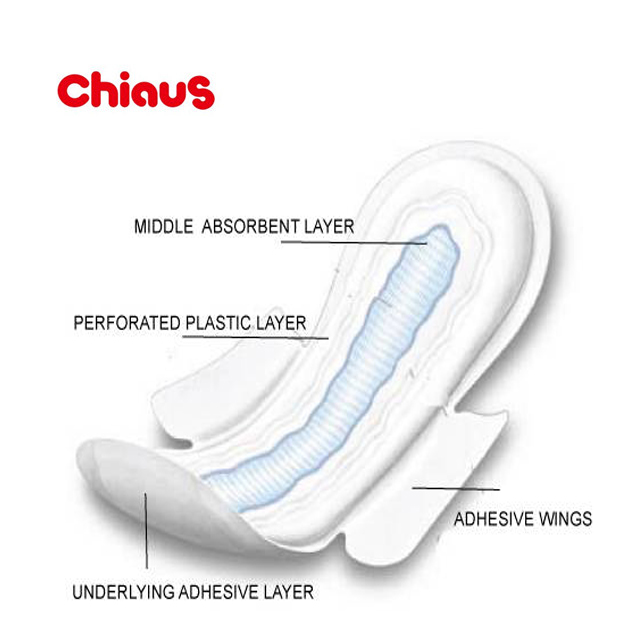
Modern disposable sanitary pads are complex engineered products, typically composed of multiple layers: including the top layer in direct skin contact (non-woven fabric or cotton-soft layer), the absorbent core layer (pulp fluff and polymer absorbent resin), the leak-proof bottom layer (PE film), and adhesive for fixation.
Each layer may involve the use of chemical substances, and these components are often unknown to the average consumer.
Potential Chemical Components
Volatile Organic Compounds (VOCs): Independent testing has detected VOCs in sanitary napkins from multiple brands, including Always. These chemicals may be released from the product, causing irritation and discomfort.
PFAS (Per- and Poly fluoroalkyl Substances): Recent studies indicate sanitary pads may contain PFAS, known as "forever chemicals," which are linked to endocrine disruption and other health concerns. One U.S. study even found high levels of PFAS in some reusable menstrual products.
Fragrances and Dyes: To enhance the product experience, many disposable sanitary pads incorporate artificial fragrances and dyes, which are common triggers for skin allergic reactions.
Consumer Reports: Warning Signs from Real-Life Experiences
A phenomenon that cannot be ignored is the large number of women worldwide reporting severe discomfort after using sanitary pads. These firsthand accounts warrant serious attention:
Many women describe experiences far beyond ordinary pad rashes. Some report stinging so intense they feel "unable to sit down." Others note blister-like rashes, persistent deep-skin burning sensations, and symptoms that only improve after discontinuing the product.
On social media, one user shared her experience: "I checked the burn under flashlight—my skin looked genuinely gooey! I was terrified." She initially thought the pain was from chafing or an allergy to spandex in her underwear, only later discovering online that other women described identical symptoms.
More concerning, many users reported discomfort starting just hours after wearing the pads, worsening with each subsequent menstrual cycle.
Industry Responses and Regulatory Blind Spots
When confronted with consumer health concerns, sanitary napkin manufacturers typically emphasize that their products meet "the same stringent standards as internationally recognized safety and quality benchmarks."
For instance, Always addressed global concerns by stating its products meet "the same stringent internationally recognized safety and quality standards as those sold in other regions."
Critics contend, however, that the issue extends far beyond user error, pointing instead to deeper problems with how menstrual products are regulated.
The Challenge of Insufficient Transparency
Because sanitary pads are classified as "medical devices" in some jurisdictions, ingredient disclosure is limited—making it harder for consumers to assess what they are exposed to. This lack of transparency hinders consumers from making informed purchasing decisions and prevents them from fully understanding the chemicals they may encounter.
How to Choose Safer Sanitary Napkin Products
Faced with the vast array of disposable sanitary pads on the market, consumers can adopt practical strategies to reduce potential risks:
Pay Attention to Material Composition
Understand Absorbent Layer Materials: Some brands have begun publicly committing to avoiding specific chemicals, such as PFAS. Look for these transparent brands.
Consider certification standards: Look for organic certifications, eco-labels, or other third-party verifications, which typically indicate stricter ingredient standards.
Explore alternative products
Multiple menstrual product alternatives exist on the market, each with its own pros and cons:
Menstrual cups: Reusable silicone cups that collect rather than absorb menstrual blood.
Period panties: Specialized underwear with built-in absorbent layers, washable and reusable.
Organic cotton pads: Made from pesticide-free cotton, typically free of chemical bleaches and fragrances.
It's important to note that even reusable products marketed as eco-friendly may contain harmful chemicals. One study found extremely high levels of PFAS in 33% of period panties and 25% of reusable pads, indicating these substances were likely added during manufacturing.
Our Commitment: Transparency and Safety
At Chiaus Diapers, we firmly believe consumers have the right to know the ingredients and potential risks of products they come into intimate contact with. We pledge to provide full ingredient disclosure on our product labels, empowering you to make informed choices.
Our sanitary pad series adheres to:
Using globally recognized safe materials, free from PFAS, chlorine bleach, and artificial fragrances;
We also offer complementary products like disposable panties, adhering to the same stringent safety standards to provide comprehensive menstrual care solutions. Visit our website to explore our full product line and safety commitments.
Conclusion: The Right to Informed Choice
Are sanitary pads toxic? Evidence suggests that while not all sanitary pads are harmful, certain products may contain chemicals that cause discomfort for some users. The industry's lack of comprehensive ingredient transparency remains a major barrier to consumers making fully informed choices.
As a consumer, you have the right to demand greater transparency and safer products. By supporting brands that disclose full ingredient lists, understanding potential risks, and selecting menstrual products aligned with your personal needs and values, you can protect your health while driving the industry toward greater safety and transparency.


