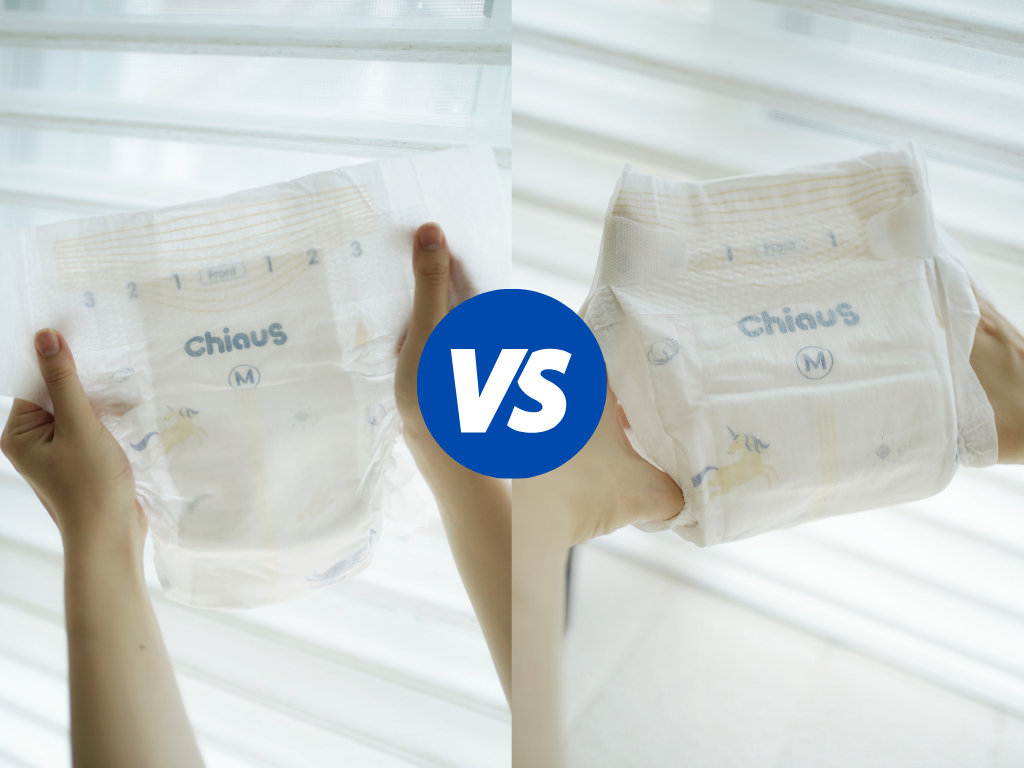
As children grow from infancy into toddlerhood, many parents begin contemplating a practical question: Should they transition from traditional disposable diapers to pull-up pants? This decision may seem straightforward, but it requires careful consideration of key differences between the two products, particularly in absorbency performance. As a professional manufacturer of infant and toddler care products, Chiaus understands that parents prioritize product effectiveness and child comfort above all else. In this comprehensive guide, we'll delve into the similarities and differences between pull-up pants and traditional diapers—covering absorption capacity, design structure, and suitable scenarios—to help you make an informed choice based on your child's specific needs.
In infant care, there's no one-size-fits-all solution. Both traditional diapers and pull-up pants offer distinct advantages and optimal usage scenarios. Understanding these differences not only helps you better meet your child's needs but also makes the potty training process smoother. Whether you're a long-time customer of our official website or a new friend just discovering the Chiaus brand, this article will provide valuable insights to help you make confident decisions.
To understand the absorbency differences between pull-up pants and traditional disposable diapers, one must first grasp their fundamental design distinctions. Traditional diapers typically feature a snap-fastener design, allowing parents to open them from the sides and slip them on easily—particularly suited for infants who cannot yet stand independently. In contrast, pull-up pants employ an all-in-one design resembling underwear, intended to encourage independence in toddlers during potty training.
Structurally, both products incorporate multi-layered designs to ensure absorbency and leak protection. However, pull-up pants prioritize a different design focus. To maintain their pant-like slim profile and flexibility, pull-up pants sometimes compromise slightly on the thickness of the absorbent layer. This doesn't mean all pull-up pants have poor absorbency—premium products like Chiaus's pull-up pants series achieve a good balance between absorbency and lightweight design by using highly absorbent materials and optimizing internal structures.
The design differences between the two products also reflect their distinct purposes. Traditional diapers primarily target infant needs, emphasizing maximum absorbency and leak protection. Pull-up pants, however, are specifically designed for the potty training phase. While providing sufficient absorbency, they are easy for children to put on and take off themselves, supporting their development of independence.
Absorption Technology Analysis: How Pull Up Pants Manage Fluids
The absorbency of pull-up pants depends on their internal structure and the technology employed. Similar to traditional disposable diapers, high-quality pull-up pants typically consist of several key layers: the skin-contact layer, the wicking layer, the absorbent core, and the leak-proof layer. Each layer plays a vital role in overall liquid management.
The skin-contact layer directly touches the child's skin and must rapidly absorb liquids while directing them toward the inner layers. This layer is typically made from soft, breathable materials like organic cotton. According to Organic Relish, organic cotton is not only gentler on sensitive skin but also offers excellent breathability, helping keep skin dry.
The distribution layer evenly spreads liquid across the absorbent core, preventing localized saturation. The absorbent core is the product's heart, usually containing a blend of super absorbent polymers (SAP) and fluff pulp. These materials can absorb and lock in several times their own weight in liquid. The leak barrier is typically a thin, waterproof layer that prevents liquid from seeping out of the product.
It's worth noting that to maintain the thinness and flexibility of pull-up pants, manufacturers sometimes reduce the thickness of the absorbent core. This means certain pull-up pants models may not be as suitable for extended wear or overnight use as traditional diapers. However, Chiaus ensures excellent performance under normal usage by employing more efficient absorbent materials and optimizing the layered structure.
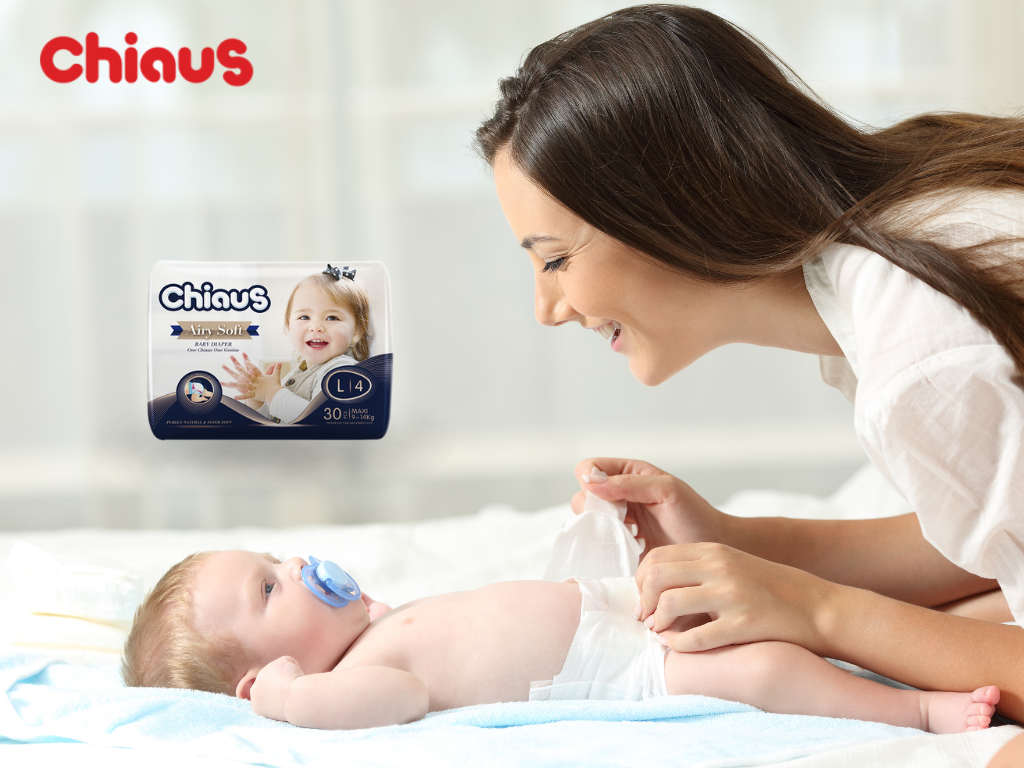
Actual Absorption Performance Comparison: The Data Doesn't Lie
Comparing the designs of pull-up pants and traditional diapers is one thing in theory, but understanding how they perform in real life is more important. Multiple independent tests and user reports show that pull-up pants typically have slightly lower absorbency than the same brand's premium traditional diapers, but the gap isn't as significant as many imagine.
For most pull-up pants, they can handle 2-3 typical urinations, which is usually sufficient for daily use during potty training. However, for overnight use or extended outings, traditional diapers may still be the better choice, as they are typically designed with larger-capacity absorbent cores.
A product's absorbency depends not only on the quantity of materials but also on their quality and overall structural design. This is why Chiaus invests in premium materials and innovative technology to ensure our pull-up pants achieve the optimal balance between absorbency and comfort.
It's important to note that absorbency isn't the sole measure of a product's effectiveness. The fit and leak-proof design of pull-up pants are equally crucial. A well-fitting pair better prevents side leaks, even before its absorbency capacity is fully saturated. Therefore, when selecting pull-up pants, parents should consider their child's specific needs, including body type, activity level, and bladder capacity.
From a Potty Training Perspective: Why Absorbency Isn't the Only Consideration
When parents consider transitioning from disposable diapers to pull-up pants, understanding the broader context of potty training is crucial. During this phase, the primary purpose of pull-up pants extends beyond merely absorbing liquids—they help children develop independence and body awareness.
Unlike traditional diapers, pull-up pants are designed to be put on and taken off independently—a vital skill in the potty training process. This cultivation of self-reliance boosts a child's confidence and encourages more active participation in the toilet routine. Additionally, pull-up pants deliver a more noticeable sensation of wetness compared to traditional diapers, helping children establish the connection between urination and the need to use the toilet, thereby accelerating the potty training journey.
From an absorbency perspective, the capacity of pull-up pants also reflects their training purpose. Unlike traditional diapers designed for maximum absorption, pull-up pants are intended to handle minor "accidents" rather than completely replace diapers. This design philosophy encourages children to use the toilet more frequently instead of relying on the absorbency of the pull-up pants.
Chiaus understands that potty training is a crucial developmental stage. Therefore, our pull-up pants focus not only on absorbency but also on supporting every aspect of this process. This includes easy-to-wear and remove designs, child-friendly patterns, and a snug fit tailored for active toddlers.
Material and Technological Innovations: Enhancing Pull-Up Pants Performance
Advancements in materials science and manufacturing techniques are continuously improving the performance of pull-up pants. Modern pull-up pants incorporate multiple innovative technologies to enhance absorbency and comfort while maintaining a lightweight design.
A key innovation lies in the refinement of superabsorbent polymers (SAP). These materials are now more efficient than ever, capable of absorbing and retaining greater volumes of liquid while occupying less space. This enables modern pull-up pants to deliver absorption comparable to traditional diapers without bulkiness.
Another innovation lies in smart moisture management. For instance, researchers at Jiangnan University developed textiles with asymmetric pleated structures that facilitate unidirectional sweat transport. This technology helps pull-up pants manage moisture more effectively, keeping skin dry and reducing leakage.
Regarding materials, organic cotton usage is increasingly common. According to Organic Relish, organic cotton is gentler on sensitive skin and offers superior breathability compared to conventional cotton. Chiaus incorporates organic cotton in select pull-up pant lines to ensure maximum comfort and low allergy risk.
Beyond absorbent materials, pull-up pants' leak-proof design continues to evolve. Improvements include snug-fitting elastic leak guards around the legs, more comfortable waistband designs, and optimized product cuts. These enhancements collectively elevate overall performance while reducing reliance on thick absorbent cores.
Choosing Guide: Making an Informed Decision Based on Needs
When deciding whether to transition from traditional diapers to pull-up pants, parents should consider multiple factors beyond absorbency alone. Here are some guiding principles to help you make the best choice based on your child's specific needs:
1.When to Choose Traditional Diapers:
For infants who cannot yet stand
For overnight use or situations requiring extended absorbency
When your child has diaper rash or particularly sensitive skin (some diapers offer extra protective features)
For babies whose bowel movements are not yet regular
2.When to Choose Pull-Up Pants:
When your child begins showing readiness signals for potty training
When your child can stand and walk independently
For active toddlers who need a more flexible, snug fit
When you wish to encourage independent dressing/undressing
For daytime use when more frequent changes are possible
Note: These categories are not mutually exclusive. Many parents find combining both products most effective—using pull-ups during the day and traditional diapers at night, or pull-ups at home and diapers when out.
When selecting pull-up pants, fit is crucial. Ill-fitting pull-ups may cause leaks regardless of their absorbency. Chiaus offers pull-up pants in multiple sizes with detailed sizing guides to help parents choose the best fit for their child.
Conclusion: Balancing Absorbency and Developmental Needs
Returning to our initial question: Are pull-up pants as absorbent as traditional disposable diapers? The answer is more complex than a simple "yes" or "no." In terms of absolute absorption capacity, traditional diapers are typically engineered for higher absorbency, especially for overnight use and extended protection needs. However, modern pull-up pants feature significantly improved absorption technology, providing adequate protection for typical "accidents" during daily use and potty training.
More importantly, pull-up pants serve a fundamentally different purpose than traditional diapers. They are not merely absorbent tools but developmental aids for potty training, designed to support toddlers' growing independence and body awareness. From this perspective, evaluating pull-up pants should consider not just absorbency, but how they support a child's overall development.
At Chiaus, we understand parents face multiple choices at each stage of their child's development. Our commitment is to offer a range of high-quality products, including traditional diapers and pull-ups, to meet the needs of different families and scenarios. By understanding each product's strengths and optimal use cases, parents can make confident choices aligned with their specific circumstances and priorities.
Whether you choose traditional diapers, pull-up pants, or a combination of both, the most important thing is finding a solution that meets your child's absorbency needs while supporting their developmental journey. As your child grows and their needs evolve, Chiaus will continue to be here, offering high-quality products rooted in expertise, innovative technology, and deep care.


