
As a manufacturer of baby products, we understand that deciding when to transition children out of diapers is a common concern for every parent, especially in culturally diverse regions like Europe.
As a parent, have you ever wondered at what age European children typically transition out of diapers? This seemingly simple question involves multifaceted factors including child development, cultural practices, and parenting philosophies.
In today's globalized world, understanding parenting practices across different regions not only broadens our horizons but also helps us better choose the right developmental path for our children. This article will take you deep into the duration of European diaper use and the cultural factors behind it.
European Parenting Perspectives: The Truth About European Diaper Usage Ages
In European countries, the duration of diaper use is significantly longer compared to some regions. According to observations by parenting experts and multiple studies, European children typically use diapers until around age 3, with some continuing even longer. This practice stems from European parents' respect for children's autonomy in toilet training—they believe children will naturally transition when physically and psychologically ready.
Unlike the practice in some regions of rushing to complete potty training before age 2, European parents favor a "hands-off" approach, allowing children to grow at their own pace. This parenting philosophy holds that premature potty training may negatively impact a child's physical and psychological development.
The European market offers comprehensive product support for this approach, featuring a full range of European diapers from newborns to toddlers aged three or four. This includes standard disposable diapers and specialized swim diapers.
How to Tell If Your Child Is Ready to Say Goodbye to European Diapers?
Every child follows their own developmental timeline, but certain key signs often indicate they may be ready to begin potty training:
The child can stay dry in their diaper for extended periods, up to 3-6 hours at a time, showing improved bladder function and control;
The child can easily pull pants up and down independently;
The child begins to recognize the sensation of needing to use the bathroom and can express this through facial expressions, words, or actions;
The child shows interest in adult toilets and may imitate parents using the bathroom;
The child can understand and follow simple instructions, such as "Go get your teddy bear";
When these signs appear, parents can gradually begin guiding their child toward transitioning away from European diapers. However, it's essential to remain patient and not expect overnight success.
Cultural Differences and Regional Characteristics in European Toilet Training
Parenting practices also vary subtly across European countries. Nordic nations typically emphasize children's autonomy, tending to let them decide when to fully transition off diapers; southern European countries may provide more proactive guidance after a certain age.
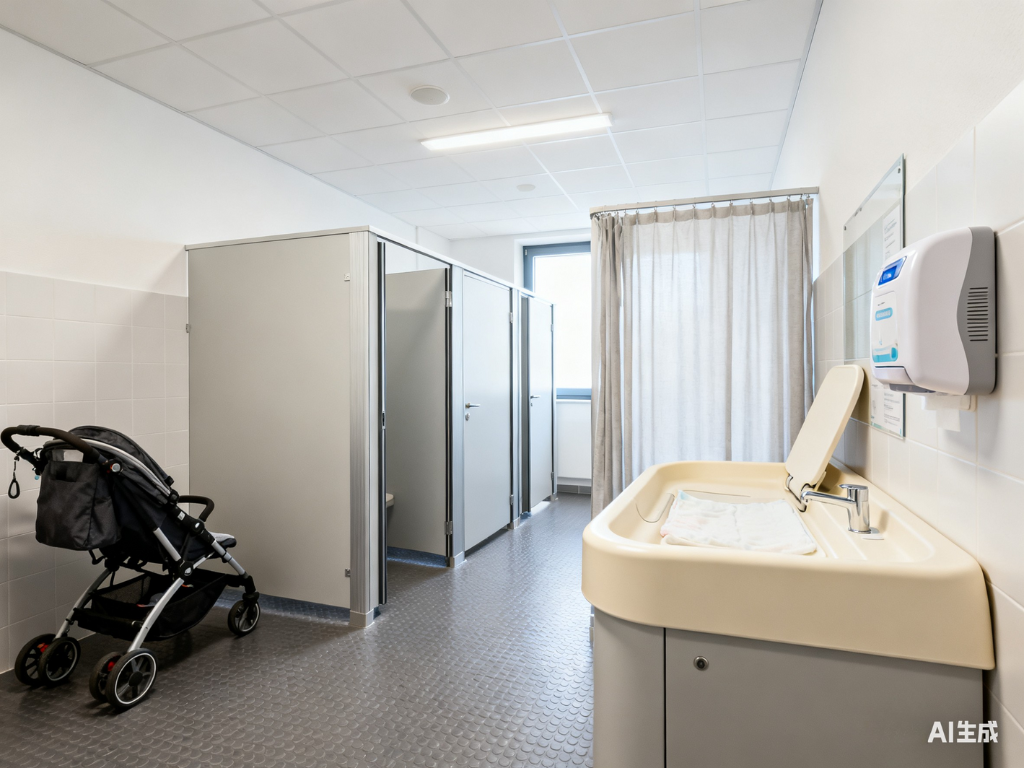
This cultural difference is reflected in public facilities across Europe—where even the most basic restrooms almost universally include accessible toilets and baby changing stations. Such comprehensive infrastructure facilitates continued diaper use for parents, reducing pressure for early potty training.
Authoritative guides on potty training, such as those provided by the UK's National Health Service (NHS), emphasize following the child's pace and avoiding coercion. These guidelines align with Europe's broader parenting philosophy of respecting each child's individual developmental rhythm.
Understanding the Optimal Timing for Potty Training
The success of potty training hinges on a child's physiological and psychological readiness. Authoritative bodies generally agree that the most suitable time to begin training is between 18 and 30 months of age. This is because:
A child's bladder control gradually develops around 18 months, enabling them to keep their diaper dry for at least 1-2 hours.
By age 2, some children can control daytime urination, while most achieve basic mastery around age 3.
Nighttime bedwetting may persist longer—about 1 in 5 children may still experience occasional episodes after age 5, which is generally normal.
Therefore, rather than fixating on a specific age, carefully observe your child's “signs of readiness,” such as:
Being able to communicate the need to use the bathroom verbally or through actions.
Feeling discomfort from a wet diaper or showing interest in adult toilets.
Being able to understand and follow simple instructions.
Avoid the pitfalls of "new-style potty training"
Contrary to the principle of respecting a child's pace, a practice known as "new-style potty training" warrants caution. This may manifest as: forcing the child to sit on the potty at set times until they "complete the task," or bribing them with toys or snacks to induce elimination.
Essentially, this approach is no different from traditional potty training—both involve artificial intervention that disrupts the child's natural elimination reflexes. Long-term use may increase the risk of anal fissures, stool retention, and constipation, or even cause fear and resistance toward toileting, ultimately prolonging the training process.
European Parenting Philosophy: The Wisdom of Respect and Patience
The patience European parents demonstrate in potty training is rooted in profound parenting principles.
Respecting Individual Pace:
Italy's national curriculum guidelines prioritize “respecting the natural laws and rhythms of child development.” This philosophy extends to potty training, where parents trust children will transition naturally when physically and emotionally ready.
Emphasizing Autonomy:
Western parenting views children as independent individuals, encouraging them to make choices based on their own will. In potty training, this manifests as allowing children to explore, experiment, and even experience failure, rather than passively accepting arrangements.
Focusing on Holistic Development:
European parenting practices prioritize children's overall development. Potty training is seen as a milestone toward independence, its significance extending far beyond mastering a single skill.
How to Guide Children Naturally
While respecting the child, parents can take on the role of active guides:
Create the Environment:
Place a cute potty in a familiar, easily accessible spot, allowing them to first accept it as an interesting “toy.”
Model and Communicate:
Use picture books to explain, or let children observe family members using the toilet, helping them understand the potty's purpose.
Patience and Encouragement:
Praise them promptly when they successfully use the potty. If accidents happen, stay calm and avoid criticism.
In short, potty training is not a race between parents and children. As advocated by European parenting philosophies, letting go of anxiety, trusting your child's innate developmental timeline, and accompanying them with patience and encouragement will ensure this natural stage of growth is filled with warmth and support.
Practical Strategies: A Smooth Transition Plan for Weaning Off European Diapers
When your child shows readiness signals, these strategies can help facilitate a smooth transition:
Start with Daytime Training: After 18 months, begin removing diapers during the day and train your child to use a potty or toilet for urination, while continuing to use European diapers at night. As bladder control improves, gradually phase out nighttime diapers.
Establish Routines: Incorporate potty visits into daily routines—guide your child to use the potty after waking, before meals, and before bedtime.
Positive Reinforcement: Use reward charts, praise, and encouragement to reinforce successful potty experiences. Avoid punishment or criticism for accidents.
Proper Equipment: Prepare child-sized potties or toilet seat adapters, along with easy-to-remove clothing, to create physical conditions conducive to successful potty use.
Be patient with setbacks: Regressions during potty training are normal, especially during life changes (like moving, new siblings) or stressful periods.
Regarding nighttime elimination, European parents typically avoid rushing the process. In fact, bedwetting is quite common among 5-7-year-olds. Most experts recommend continuing to use nighttime European diapers until the child consistently wakes up with a dry diaper for several consecutive mornings.
Respect differences and wait patiently: Every child has their own pace.
Toilet training is just one stage in a child's development—not a race. European parenting practices remind us that respecting each child's individual developmental rhythm often leads to smoother, more positive long-term outcomes.
As practiced by European parents, focusing on your child's unique developmental needs and behavioral cues—rather than fixating on calendar-based age milestones—helps them achieve this important milestone in the most comfortable way possible.
If you'd like to learn more about selecting age-appropriate European diapers or need further potty training guidance, visit our official website for additional professional resources. We are committed to providing research-based, practical parenting support to parents worldwide.


