Against the backdrop of sustained growth in the global disposable hygiene products market, an increasing number of B2B buyers are turning their attention to the material composition of these products. Understanding diaper materials not only helps assess product quality but also directly impacts brand differentiation, regulatory compliance, and long-term supply stability.
For overseas buyers, selecting the right supplier is not merely a matter of price, but rather a comprehensive assessment of diaper manufacturing capabilities, material safety, and technological maturity. Therefore, this article will systematically analyze the core material structure of modern diapers from an international market perspective and delve into their critical roles in performance, cost, and sustainability.
I. Core Structure of Diaper Materials: From the Top Sheet to the Absorbent Core
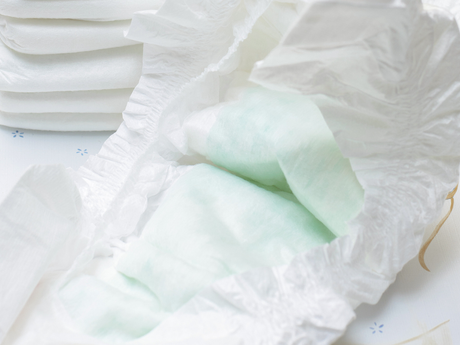
Modern diapers are not made of a single material but consist of multiple layers of functional materials, each of which plays a specific role in the diaper manufacturing process.
1.1 Top Sheet: The Key Layer in Direct Contact with the Skin
The top sheet is typically made of hydrophilic non-woven fabric, and its core functions include:
Rapidly channeling liquid into the absorbent core
Keeping the surface dry and minimizing back flow
Providing a soft feel and reducing friction
Leading international brands generally use polypropylene (PP) non-woven fabric, which undergoes hydrophilic treatment to enhance liquid-channeling performance. The choice of material for this layer directly impacts the user experience and is a key differentiator for high-end products.
1.2 Acquisition Distribution Layer (ADL): The Hidden Key to Enhanced Absorption Efficiency
In high-end products, the Acquisition Distribution Layer (ADL) is a critical design element:
Rapidly disperses liquid to prevent localized saturation
Enhances overall absorption efficiency
Reduces the “gel blocking” phenomenon
For OEM customers, the decision to include an ADL layer often depends on the target market positioning (e.g., premium baby diapers vs. economy-class products).
1.3 Absorbent Core: The Core Technology of Diaper Materials
The absorbent core is the most critical component of the entire Diaper Materials system; its performance determines the product’s absorbency and leak-proof capabilities.
Core materials include:
(1) Super Absorbent Polymer (SAP)
SAP is the core technological material in modern diapers and is typically sodium polyacrylate. It can absorb tens or even hundreds of times its own weight in liquid, forming a gel that locks in moisture.
Its advantages include:
Extremely high absorbency;
Strong moisture-locking properties, reducing back flow;;
Enables ultra-thin designs;
The introduction of SAP has transformed diapers from “bulky” to “lightweight and efficient,” establishing it as the industry-standard material.
(2) Fluff Pulp
Fluff pulp is typically derived from wood pulp. Its primary functions are:
Rapid absorption of initial liquid
Even distribution of liquid throughout the SAP
Provision of structural support
SAP and fluff pulp must be designed to work in tandem:
Fluff pulp is responsible for “fluid channeling,” while SAP is responsible for “water retention.” This combination forms the fundamental logic of modern diaper manufacturing.
1.4 Back Sheet: Balancing Leak Protection and Breathability
The back sheet is typically made of polyethylene (PE) film or a breathable composite film:
Prevents liquid leakage
Provides a certain level of breathability (breathable back sheet)
Enhances wearing comfort
High-end products typically use microporous breathable films to achieve a “waterproof yet breathable” effect.
1.5 Auxiliary Materials: Ensuring Structure and Comfort
Other key diaper materials include:
Elastic Waistband
Leak Guards
Fastening System
Hot Melt Adhesives
Although these materials do not directly participate in absorption, they are crucial for product structural stability and user experience.
II. Technological Evolution of Diaper Materials in Diaper Manufacturing
As global market competition intensifies, diaper manufacturing is shifting from a focus on “basic functionality” to “material innovation.”
2.1 From Bulky to Ultra-Thin: The Material Efficiency Revolution
Early products relied heavily on fluff pulp, whereas modern products achieve the following by increasing the SAP content:
Lighter and thinner designs
Higher absorption efficiency
Lower shipping costs
This is particularly critical for cross-border B2B procurement, as it directly impacts logistics and warehousing costs.
2.2 From Single-Material to Composite Structures
The current mainstream trend is multi-layer composite materials:
Non-woven fabric + functional coating
SAP + polymer composite structure
Breathable membrane + spunbond composite
This structure allows for greater control over product performance and provides more flexibility for OEM customization.
2.3 Development Trends in Sustainable Diaper Materials
Environmental regulations (such as those in the EU market) are driving material upgrades:
Additionally, regarding material safety and compliance, you may refer to the relevant regulatory guidelines issued by theU.S. Food and Drug Administration.
III. B2B Perspective: How to Evaluate Supplier Capabilities Through Diaper Materials
For overseas buyers, understanding diaper materials is not merely a technical issue; it is also a core basis for procurement decisions.
3.1 Material Composition Determines Product Positioning
High SAP content → High-end products
High fluff pulp ratio → Cost-oriented products
Added ADL layer → Nighttime or high-absorbency products
3.2 Key Metrics for Diaper Manufacturing Capabilities
When evaluating suppliers, we recommend focusing on:
Customers can customize products based on target market needs:
Absorbency (day/night)
Softness (premium touch)
Leak-proof design
Eco-friendly attributes
Structural design (pant style vs. tape style)
IV. Future Trends: How Diaper Materials Will Drive Industry Upgrades
Over the next five years, diaper materials will continue to evolve in the following areas:
4.1 Smart Materials
Moisture-indicating materials
Antibacterial and skin-care materialsprobiotics, centella asiatica)
Thermosensitive materials
4.2 Ultra-thin, High-Performance Structures
By optimizing SAP distribution and composite structures, we will achieve:
Thinner
Lighter
Higher Absorbency
4.3 Sustainable and Eco-Friendly Materials
Environmental sustainability will become a global market entry requirement, not just a bonus feature.
Conclusion
From the outer non-woven layer to the absorbent core and the bottom film structure, the performance of modern diapers is essentially a comprehensive reflection of Diaper Materials. For global B2B buyers, understanding these materials not only aids in product selection but also helps assess a supplier’s diaper manufacturing capabilities and long-term partnership value.
In the future, as materials science advances, competition in the diaper industry will no longer be limited to price but will shift toward comprehensive capabilities encompassing “materials + technology + sustainability.”
FAQ
1. What is the most critical material in Diaper Materials?
The most critical material is SAP (Super Absorbent Polymer), which determines the diaper’s absorbency and moisture-locking performance.
2. How does the ratio of SAP to fluff pulp in diaper manufacturing affect the product?
The higher the SAP ratio and quality, the thinner the product and the stronger its absorbency; a higher proportion of fluff pulp reduces costs but increases bulk.
3. Are eco-friendly diaper materials already mature?
Biodegradable materials and FSC-certified raw materials are currently available, but they are relatively expensive and are primarily used in the high-end market.
4. How can one assess the quality of a supplier’s diaper materials?
Quality can be evaluated based on the following factors:
Whether a stable SAP supply is maintained
Whether material test reports are provided
Whether custom structures are supported
Whether international certifications (FDA, CE, etc.) are met.