Introduction
Choosing the right diaper size for your baby can seem like a daunting task. A poor fit can lead to discomfort and leaks, which no parent wants. Did you know that an ill-fitting diaper can affect your baby’s sleep and mood?
In this article, we will discuss why choosing the correct diaper size is essential. You’ll learn how to select the right diaper based on your baby’s weight, growth, and body type, ensuring comfort and preventing common diaper issues like rashes and leaks.
Understanding Diaper Sizes
Diaper Size Chart
Diaper sizes are typically based on weight, as this is the most reliable indicator of which size will be most appropriate for your baby. Weight is the best measure of growth, making it the ideal factor for determining the right diaper size. Babies grow at different rates, and their weight can fluctuate much faster than their age. Here is a simple guide to diaper sizes:
| Size | Weight Range | Age Range |
| Newborn (NB) | Up to 5 kg | 0–2 months |
| Small (S) | 3–6 kg | 2–6 months |
| Medium (M) | 6–11 kg | 6–12 months |
| Large (L) | 9–14 kg | 12–24 months |
| Extra Large (XL) | 12–17 kg | 2–3 years |
| Double Extra Large (XXL) | 15–22 kg | 3+ years |
It is important to remember that this chart is a general guideline. Since babies grow at different rates, it is common for babies to wear different sizes depending on their growth patterns. A baby’s weight is the most accurate measurement, so make sure to keep track of their weight regularly. Always refer to the size chart on the diaper packaging for the most accurate fit.
Signs Your Baby Needs a Larger Diaper
As your baby grows, it’s essential to monitor how their diapers fit. If a diaper is too small, it can lead to discomfort, tightness, and leakage, whereas a diaper that's too big may not be effective at absorbing moisture or may leak around the edges. Here are some signs that indicate it’s time for a larger diaper:
Frequent Leaks: If your baby experiences leaks despite regular diaper changes, it may be a sign that the current diaper size is no longer effective. When diapers are too small, they may not hold enough liquid, causing leaks during naps or playtime. This means it’s time to upgrade to a larger size.
Tight Waistband: If the waistband leaves red marks or feels tight when fastened, the diaper may be too small. A waistband that feels constricting can cause discomfort, and you should consider moving to the next size up. A properly fitting diaper should be snug but not too tight, and you should be able to fit at least one finger between the diaper and your baby’s waist.
Visible Absorbent Core: If the absorbent core is visible or feels saturated quickly after use, it’s time for a bigger diaper to accommodate your baby’s growing needs. When the diaper absorbs more liquid, it should still fit securely without leaking. If the absorbent core starts peeking out, it means your baby has outgrown that size and needs a larger diaper.
It is essential to monitor your baby’s growth regularly and adjust the diaper size accordingly to ensure comfort and dryness.
Choosing Diapers Based on Your Baby's Body Type
Lean and Long Babies
Babies come in all shapes and sizes, and your baby's body type can affect which diaper size will fit them best. For babies who are lean and long, you may need to select a diaper that provides a longer length and a secure waistband to ensure it stays in place and doesn’t sag. Diapers that are too tight around the waist can cause discomfort, and they might leave marks. It’s crucial to choose a size that fits properly but isn’t too tight. These babies may do well with a snugger diaper that fits closer to the body without causing any pinching or irritation. Additionally, because they have a leaner body structure, a diaper that is too wide around the waist or thighs might cause gaps or discomfort, so it’s best to opt for a longer diaper with an adjustable fit.These babies may benefit from a smaller size with extra length, ensuring that the diaper doesn’t ride up too much. Opt for diapers that are longer but still have enough stretch to accommodate your baby’s body shape. This ensures a comfortable fit without causing any unnecessary restrictions during movement.
Chunky Babies
On the other hand, babies with a rounder, chunkier physique may require a larger diaper size to ensure a more comfortable fit. These babies may need diapers with a wider waistband and leg openings to accommodate their body shape comfortably. It’s important to make sure that the diaper doesn’t squeeze too tightly around the legs or waist. Chunky babies may outgrow a size quickly, so keep an eye on how the diaper fits around the waist and thighs. A diaper that fits too tightly can cause red marks or irritation, which can be uncomfortable for your baby.These babies tend to need a diaper size that offers more room around the thighs and waist, ensuring that the diaper fits comfortably without pinching or causing discomfort. When sizing up, make sure the diaper still offers enough absorbency to prevent leaks while fitting snugly.
Tip: Chunkier babies typically need a larger size, but the diaper should still fit snugly around the waist and legs to prevent leaks. A diaper that is too tight can also cause skin irritation, which should be avoided at all costs. Ensure the diaper is soft enough to prevent any friction or chafing.
How to Use Diaper Size Charts Effectively
Why Weight is More Important Than Age
Although many parents often rely on age to determine the right diaper size, weight is actually a far more accurate indicator. Babies grow at different rates, and their weight can change much faster than their age. For instance, a 3-month-old baby might still fit into newborn diapers if they’re on the smaller side, while another 3-month-old baby might already require a size 2 diaper. Age-based sizing can be misleading because it does not account for individual differences in growth patterns.
Weight is generally a better measure of diaper size because it correlates more closely with the baby’s overall body mass. By using weight as the primary indicator, you can more effectively determine which diaper will provide the best fit, comfort, and absorbency for your baby.
How to Read and Use the Size Chart
Reading a diaper size chart is simple once you know your baby’s weight. Here’s how to effectively use a diaper size chart:
Locate Your Baby's Weight Range: Check your baby’s current weight and find the corresponding range in the chart. If your baby falls near the top of the range for a size, consider moving up to the next size for a more comfortable fit.
Select the Right Size: Choose the diaper size that matches your baby’s weight range. This will ensure that the diaper fits securely and provides the necessary absorbency to prevent leaks.
Monitor Your Baby’s Growth: Babies grow quickly, so it’s important to reassess the diaper size every few weeks as your baby continues to grow. Regularly check your baby’s weight to ensure the diaper still fits well.
Timing and Tips for Diaper Changes
When to Switch from Tape Diapers to Pants Diapers
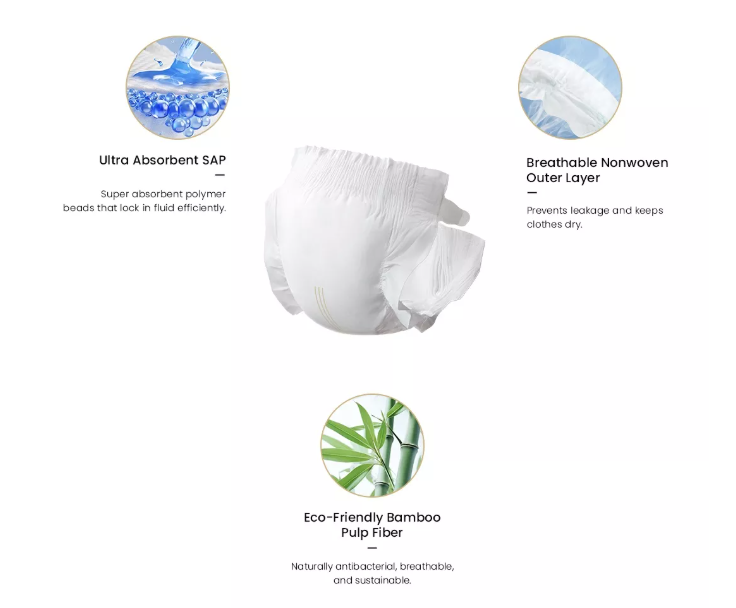
Pants diapers are an excellent choice when your baby becomes more active and starts crawling or standing. Pants diapers are easy to put on and don’t require adjustments once they’re on. They are also better at preventing leaks as they fit securely around your baby’s waist and legs. Pants diapers offer a better fit for active babies who are starting to move around and prefer being upright.As your baby grows, they may start to resist lying down for diaper changes. At this point, pants diapers are a great option because they are easier to put on while your baby is standing or moving. Pants diapers provide a secure fit while offering freedom of movement.
Tip: Consider switching to pants diapers once your baby starts crawling or standing. Pants diapers are not only easier to use but also help prevent leaks as your baby grows more active.
Benefits of Pants Diapers
Ease of Use: Pants diapers are easy to pull on, making diaper changes faster and less stressful for both parents and babies. This is especially helpful if your baby is too active to lie down comfortably for a traditional tape diaper change. Pants diapers are designed for easy use without any extra steps, making them a great option for on-the-go diaper changes.
Comfort: Pants diapers provide a snug fit around your baby’s waist, ensuring they are secure without being too tight. This allows your baby to move freely without restrictions, which is essential as they begin to crawl and stand.
Leak Protection: The secure fit around the waist and legs helps to prevent leaks, especially as your baby becomes more active. The diaper moves with your baby, ensuring it stays in place during playtime or while they are standing or crawling.
Conclusion
Choosing the right diaper size is crucial for your baby’s comfort and health. By considering your baby’s weight, body type, and activity level, you can select a diaper that ensures they stay dry, comfortable, and happy. Regularly monitoring your baby’s growth and adjusting their diaper size as they grow will ensure a perfect fit and prevent discomfort, leaks, and rashes.Diaper size selection is an ongoing process, especially as your baby grows and experiences changes. Keep track of your baby’s weight and adjust their diaper size accordingly. This proactive approach will help maintain comfort and prevent irritation, ensuring your baby remains happy and healthy.
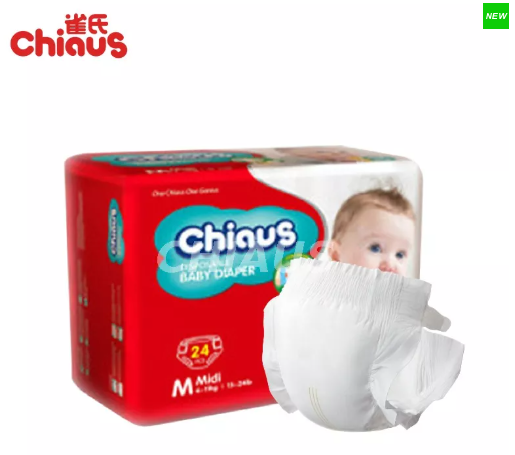
For parents looking for a reliable diaper brand, Chiaus offers high-quality diapers that cater to your baby’s needs at every stage of growth. Chiaus diapers provide excellent fit, absorbency, and leak protection, giving parents peace of mind. Our products are designed to ensure your baby’s comfort, health, and happiness.
FAQ
Q: How do I know if my baby’s diaper is the right size?
A: If the diaper fits snugly around the waist and legs without leaving red marks, it’s the right size. It should also fully cover your baby’s bottom and absorb moisture without leaking.
Q: What size diaper should I use for my baby?
A: Choose a diaper size based on your baby’s weight, not age. Refer to the diaper’s packaging for weight guidelines to find the best fit.
Q: Why is it important to choose the correct diaper size?
A: The right diaper size helps prevent leaks, skin irritation, and discomfort. It ensures your baby stays dry and comfortable throughout the day.
Q: Can I use a bigger diaper for my baby if they are between sizes?
A: If your baby is between two sizes, opt for the larger size if they’re active or heavier, but ensure it doesn’t cause leakage by fitting too loosely.
Q: How often should I change my baby’s diaper size?
A: Regularly monitor your baby’s growth. If their weight increases or they show signs of discomfort, it may be time to switch to a larger diaper size.


