Are you overwhelmed by the cost of baby diapers? Balancing expense and quality is crucial for parents. In this article, you'll learn strategies to save on diapers without compromising quality. We'll explore trusted brands, cloth options, rewards apps, and smart shopping tips to help you plan and budget effectively.
Choose a Trusted Brand for Quality and Value
Choosing a trusted diaper brand is essential for balancing quality and cost. Brands like Pampers have built a strong reputation over decades by delivering consistent performance and comfort. Using a reputable brand ensures your baby stays dry and comfortable, reducing frequent diaper changes and potential skin irritation.
Benefits of Using a Reputable Brand Like Pampers
Pampers offers several advantages that make it a smart choice for parents:
● Reliable Leak Protection: Features like the Dual Leak-Guard Barrier help prevent leaks, keeping your baby dry longer.
● Comfortable Fit: Soft, breathable materials reduce irritation and keep your baby comfortable throughout the day.
● Wetness Indicator: This handy feature shows when it’s time for a change, helping avoid discomfort and rash.
● Variety for Every Stage: Pampers provides diapers tailored for newborns, active toddlers, and overnight use, ensuring the right fit and protection.
Key Features of High-Quality Diapers
High-quality diapers share several characteristics that contribute to their effectiveness:
● Absorbent Core: Quickly locks away moisture to keep skin dry.
● Leak Guards: Elastic barriers around the legs and waist prevent leaks.
● Soft Materials: Gentle on sensitive skin, reducing redness and rash risk.
● Secure Fasteners: Easy to adjust for a snug fit without discomfort.
These features not only protect your baby but also reduce the number of diaper changes needed, saving you time and money.
Impact of Quality on Long-Term Savings
Investing in quality diapers might seem costly upfront, but it leads to savings over time. Here’s how:
● Fewer Diaper Changes: Better absorption means you change diapers less often, reducing the total number used.
● Less Skin Irritation: High-quality diapers help prevent rashes, reducing expenses on creams and doctor visits.
● Reduced Leakage: Avoiding leaks saves on extra clothing and laundry costs.
By choosing a trusted brand like Pampers, you get diapers that protect your baby and stretch your budget further.
Tip: When selecting diapers for your business or store, prioritize brands with proven quality and customer loyalty to boost repeat sales and customer satisfaction.
Consider Cloth Diapers for Extra Savings
Cloth diapers offer a smart way to cut diaper costs while caring for the environment. Unlike disposable diapers, cloth options can be washed and reused many times, reducing the number of diapers you need to buy. This reuse lowers your long-term expenses significantly, especially if you plan to diaper multiple children.
Cost-Effectiveness and Eco-Friendliness of Cloth Diapers
Though cloth diapers require an upfront investment, they pay off over time. You spend less on disposables and reduce landfill waste. Cloth diapers often use natural fibers, making them gentler on a baby’s skin and better for sensitive skin types. Plus, they avoid the chemicals found in some disposable brands.
Many parents find cloth diapers save hundreds of dollars per year compared to disposables. The cost savings increase if you reuse them for future children. Environmentally, cloth diapers reduce plastic waste and the carbon footprint linked to manufacturing and shipping disposables.
Hybrid Options with Reusable and Disposable Inserts
Hybrid diapers blend the best of both worlds. They use a reusable outer shell paired with inserts that can be either washable or disposable. This design offers flexibility. You can use washable inserts at home and disposable ones when traveling or out for convenience.
For example, Charlie Banana, a Pampers partner, offers hybrid cloth diapers. These allow parents to switch between reusable and disposable inserts based on their needs. This option can ease the transition for parents new to cloth diapering or those wanting to reduce disposables gradually.
Part-Time Use Strategies for Cost Reduction
If full-time cloth diapering feels overwhelming, consider part-time use. Use cloth diapers at home or overnight when you can easily manage laundry. This approach cuts down disposable diaper use and costs without fully committing to cloth.
Many parents use cloth diapers during naps or bedtime, when leakage risk is higher, and disposables during outings. This strategy saves money and reduces waste while keeping diaper changes manageable.
For businesses selling baby products, offering hybrid and cloth diaper options can attract eco-conscious customers seeking cost-effective, quality diapering solutions.
Maximize Savings with the Pampers Rewards App
Saving money on diapers goes beyond just picking the right brand or shopping smartly. Using the Pampers Rewards App is a savvy way to stretch your diaper budget while still giving your baby the best care.
How the Pampers Rewards App Works
The Pampers Rewards App is a free tool that lets you earn Pampers Cash every time you buy Pampers diapers or wipes. Simply scan the barcode on your Pampers products after purchase to collect points. These points add up quickly—10 diaper scans can earn you $10 off your next Pampers purchase. The app tracks your points automatically, making it easy to see how much you’ve earned and when you can redeem rewards.
Besides points, the app offers exclusive member-only deals and personalized tips for diapering, helping you save money and get expert advice all in one place.
Benefits of Earning and Redeeming Pampers Cash
The Pampers Cash you earn can be redeemed for discounts at popular retailers, both online and in physical stores. This flexibility means you can shop for diapers or other baby essentials wherever you prefer, without being locked into one vendor.
Other perks include:
● Access to special promotions and limited-time offers.
● Expert-led content on baby care.
● Personalized diapering tips tailored to your baby’s stage.
By using the app consistently, you can save a significant amount over time, making diapering more affordable without sacrificing quality.
Comparing Rewards App vs. Subscription Services
While diaper subscription services offer convenience by delivering diapers regularly, they often require ongoing payments and may not always align with sales or special offers. You might end up paying more if promotions are missed or if your baby’s size changes unexpectedly.
In contrast, the Pampers Rewards App offers more flexibility. You shop when and where you want, earn rewards on every purchase, and redeem points across multiple retailers. There’s no commitment or subscription fee.
This freedom allows you to take advantage of sales, stock up during promotions, and still earn rewards, making the Pampers Rewards App a more cost-effective and adaptable option for many parents.
Encourage your retail partners to promote the Pampers Rewards App as a value-added service, helping customers save while boosting brand loyalty and repeat purchases.
Buy in Bulk and Look for Sales
Buying diapers in bulk is a smart way to save money without sacrificing quality. When you purchase larger packages or multiple boxes at once, the cost per diaper usually drops significantly. This means you get more diapers for less money, which adds up quickly over time. Bulk buying also helps ensure you never run out of diapers, so you can focus on caring for your baby without last-minute store runs.
Advantages of Bulk Purchasing
● Lower Cost Per Diaper: Retailers often offer discounts on larger quantities, making each diaper cheaper than buying single packs.
● Convenience: Having a large supply on hand means fewer shopping trips.
● Consistency: You maintain the same trusted brand and size without worrying about availability.
● Reduced Packaging Waste: Buying in bulk means less packaging overall, which is better for the environment.
Identifying the Best Times and Places for Sales
Timing your purchases can maximize savings. Look for sales during:
● Seasonal Events: Back-to-school, Black Friday, and holiday sales often include baby products.
● Store Anniversary Sales: Retailers sometimes offer big discounts during special store events.
● Online Flash Sales: Websites like Amazon, Walmart, and major baby retailers run flash deals with steep discounts.
● Clearance and Overstock Sales: These can offer high-quality diapers at reduced prices but require careful checking of expiration dates.
Use price-tracking tools and sign up for newsletters from your favorite retailers to get alerts about upcoming sales. Also, consider shopping at warehouse clubs like Costco or Sam’s Club, which often have competitive bulk prices.
Membership and Subscription Service Discounts
Many stores and online platforms offer membership programs or subscription services that provide additional savings on diapers. These may include:
● Auto-Delivery Discounts: Scheduled shipments at regular intervals with a percentage off each order.
● Exclusive Member Pricing: Special prices only available to club members or subscribers.
● Free Shipping: Saves money on delivery fees, especially for bulky items like diapers.
● Bonus Rewards: Extra points or cashback on diaper purchases.
While subscriptions add convenience, they also give you control to pause or change your order if your baby’s needs change. Always compare subscription prices with current sales to ensure you’re getting the best deal.
Encourage your retail partners to highlight bulk purchase deals and subscription discounts in their marketing to attract budget-conscious parents seeking quality diapers at lower prices.
Register for Diapers and Stock Up in Advance
Planning ahead is a smart way to save money on diapers. One of the easiest methods is to add diapers to your baby registry. Diapers make practical gifts that friends and family appreciate giving. This way, you can build a solid stockpile before your baby even arrives, reducing the need for last-minute purchases at full price.
Adding Diapers to a Baby Registry
When creating your baby registry, include a variety of diaper brands and sizes. Be specific about the types and quantities you want. Many online retailers and stores offer easy registry tools that allow you to list diapers alongside other essentials. Sharing your registry with loved ones ensures you receive items that truly help you save.
Registries also often come with completion discounts. After your baby shower, you might get a percentage off any remaining items on your list, including diapers. This is a great chance to stock up on sizes you didn’t receive as gifts.
Encouraging Diaper Gifts at Baby Showers
Diaper gifts are popular at baby showers because they are useful and always needed. You can make diaper gifting fun by organizing a diaper raffle or game. This encourages guests to bring packs of diapers in exchange for a chance to win a prize. It’s a win-win: you get diapers, and guests enjoy participating.
Another idea is to request different diaper sizes among your guests. This spreads out the supply so you have diapers ready as your baby grows. It’s common for newborn sizes to go quickly, but having larger sizes on hand means you won’t scramble to buy them later.
Choosing a Variety of Diaper Sizes
Babies grow fast, and their diaper size changes quickly. Some newborns skip newborn sizes altogether, while others wear them longer. Buying only one size can lead to wasted diapers or emergency purchases at higher prices.
When stocking up, aim for a balanced mix of sizes. For example:
● Newborn (Size N) for the first few weeks
● Size 1 and 2 for the next few months, when babies grow rapidly
● Size 3 and up for toddlers and active babies
This approach helps you avoid overbuying one size and ensures you always have the right fit. Having a variety also means you can take advantage of sales or registry gifts at different stages.
For retailers and baby product businesses, promote baby registry services that highlight diapers and flexible size options to attract expectant parents seeking convenience and savings.
Ensure the Right Fit Before Stocking Up
Getting the right diaper size before buying in bulk is crucial. A good fit keeps your baby comfortable, prevents leaks, and avoids wasting money on diapers that don’t work well.
Importance of the Correct Diaper Size
Diapers that fit properly help keep your baby dry and happy. If a diaper is too small, it can cause red marks or skin irritation. Too big, and leaks happen more often, leading to extra laundry and frustration. Choosing the right size means fewer changes and less mess, which saves time and money.
Signs of an Improper Diaper Fit
Watch for these signs to know if you need a different size:
● Frequent leaks: If you find wet clothes or sheets often, the diaper might be too small or not snug enough.
● Red marks or irritation: Tight diapers can leave marks or cause discomfort.
● Difficulty fastening: If the diaper tabs don’t stick well or the diaper feels loose, it’s time to size up or down.
● Gaps around legs or waist: These let leaks escape and reduce protection.
Checking these signs regularly helps you adjust sizes as your baby grows.
Using Size Charts and Guides for Accuracy
Most diaper brands provide size charts based on your baby’s weight. Use these charts to pick the best size before buying. Many brands also offer online quizzes or guides to help you find the perfect fit.
Keep in mind that babies grow fast, so you might need to switch sizes often. Buying a small quantity of a new size first can help you test the fit before stocking up in bulk.
Train your sales team to guide customers on diaper sizing using brand-specific charts to reduce returns and increase customer satisfaction.
Ask Around for Leftover, Unused Diapers
Babies grow fast, and many parents end up with leftover diapers once their child moves up a size. Before buying new packs, it’s smart to ask friends, family, or local parenting groups if they have extra diapers in your baby’s size. This simple step can save you money and reduce waste.
Networking with Friends and Family
Reach out to your close circle. Parents often have unopened packs of diapers their babies outgrew or didn’t use. They might be happy to pass these on rather than letting them go to waste. This can be a win-win: you save money, and they clear space.
Don’t hesitate to mention your baby’s current diaper size and preferred brands to make it easier for them to help. Sometimes, even a small pack can provide relief during tight budget times or unexpected shortages.
Joining Parenting Groups for Exchanges
Many communities have parenting groups online or in person where members swap or give away baby items, including diapers. Platforms like Facebook Marketplace, local Buy Nothing groups, or parenting forums are great places to connect.
These groups often have exchange events or designated days for diaper swaps. Participating can help you find diapers at no cost or very low prices. Plus, it builds a supportive network where you can share tips and resources beyond diapers.
Benefits of Reducing Waste and Saving Money
Accepting leftover diapers helps reduce environmental waste by keeping usable products out of landfills. It also lowers your overall diaper expenses, freeing up funds for other baby essentials.
This approach encourages a community mindset, where parents support each other. It’s especially helpful during times when sales or discounts are scarce, or when your baby suddenly needs a different size.
For retailers and baby product businesses, consider partnering with local parenting groups to offer leftover diaper exchange programs, fostering community goodwill and enhancing brand reputation.
Conclusion
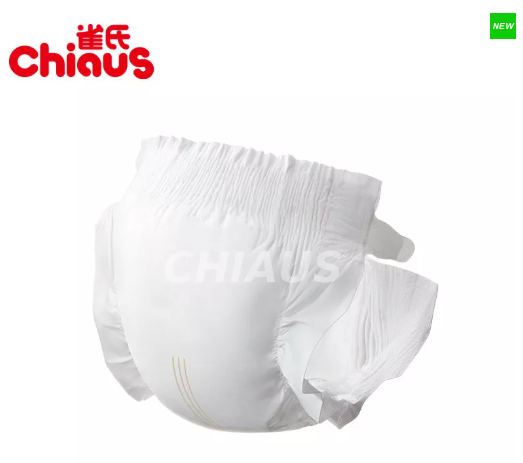
Saving on diapers without compromising quality involves choosing trusted brands, considering cloth options, and utilizing rewards apps. It's crucial to maintain comfort and protection for your baby while shopping smartly. By focusing on these strategies, you can balance cost with quality effectively. For example, Chiaus offers high-quality diapers that ensure comfort and savings. Their products provide excellent value, making them an ideal choice for cost-conscious parents seeking reliable diaper solutions.
FAQ
Q: What are the benefits of using reputable baby diapers like Pampers?
A: Reputable baby diapers like Pampers offer reliable leak protection, a comfortable fit, and a wetness indicator, ensuring your baby stays dry and comfortable.
Q: How can I save money on baby diapers without compromising quality?
A: Save money on baby diapers by buying in bulk, using the Pampers Rewards App, and considering cloth or hybrid options for long-term savings.
Q: Why choose cloth diapers over disposable baby diapers?
A: Cloth diapers are cost-effective and eco-friendly, reducing landfill waste and saving money over time, especially when reused for multiple children.


