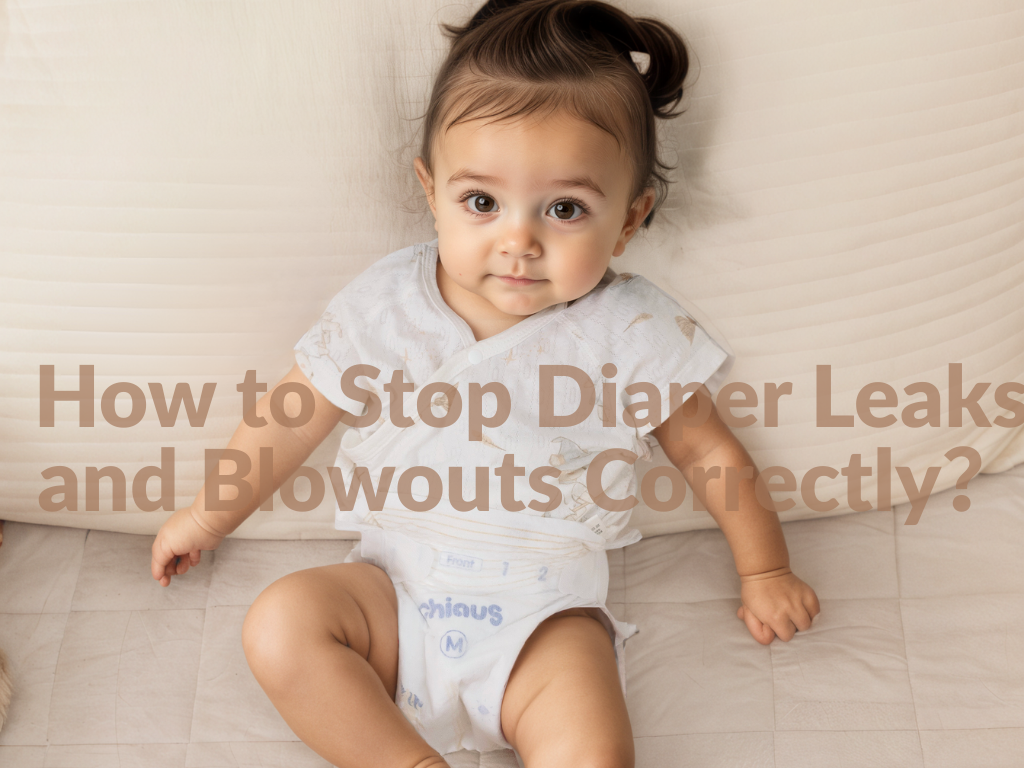
Dealt with messy baby diaper blowouts before? Whether it's a diaper leaking from the back or your baby peeing through it, the right fit and absorbency matter a lot. Here's how to prevent diaper leaks in check:
Quick Fixes for Diaper Blowouts:
With the right diaper and fit, you can prevent diaper blowouts and make cleanups easier. Keep reading to learn why they happen and how to prevent blowouts.
What are Diaper Blowouts and Factors You need to Attention
A diaper blowout—every parent's familiar, messy challenge—occurs when a diaper can't fully contain your baby's poop or pee, leading to frustrating leaks that often escape up the back, seep out through leg openings, or even spill over the waistband. These incidents aren't just inconvenient (hello, mid-outing outfit changes and stained car seats!); they're also extremely common, especially during your baby's first year when their digestion and bladder control are still developing.
There are several factors can result in diaper leaks and blowouts:
Improper sizing is the primary cause of leaks. If the diaper is too small, not only is the coverage limited, but its built-in absorbent material may also struggle to contain the baby's waste due to insufficient capacity. This often leads to leaks at the back waist or along the leg sides. Parents should watch for signs of tightness around the diaper edges when the baby moves, as this typically indicates the diaper is too small.
Conversely, an oversized diaper creates noticeable gaps around the waist and legs. Even before the absorbent material is saturated, urine or loose stools can seep through these openings. When selecting sizes, consult the brand's size chart and adjust based on your baby's weight and waist measurement.
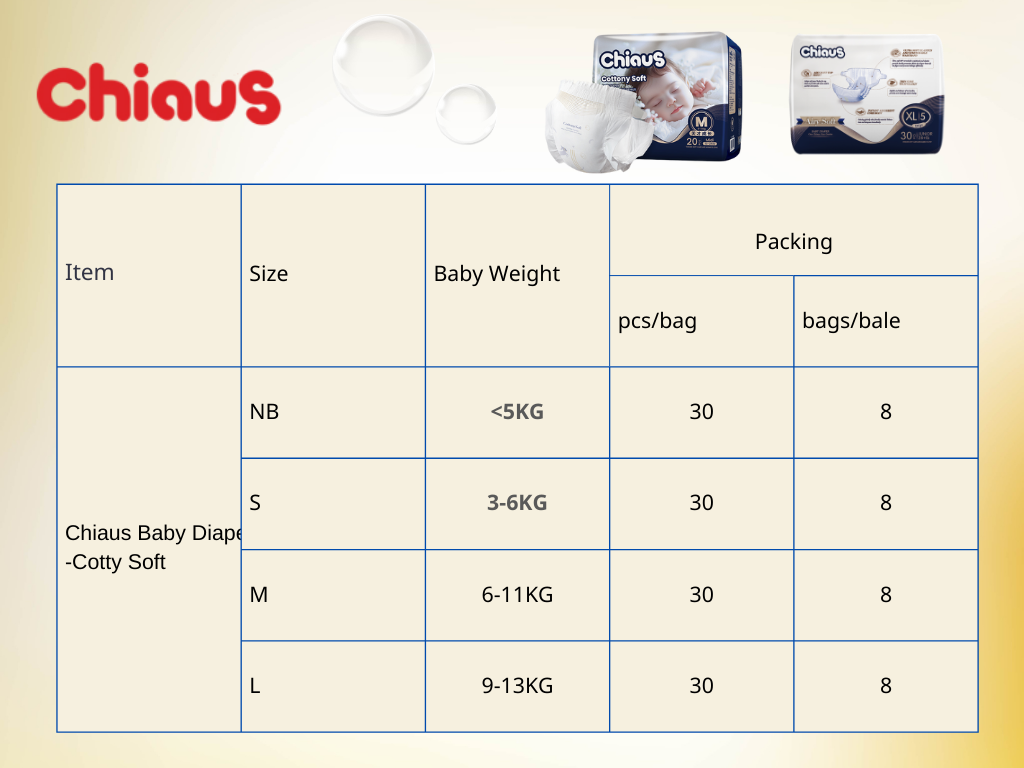
A diaper's absorbency capacity is not infinite. Once saturated, even a well-fitting diaper may leak—for instance, during overnight stretches exceeding 6 hours, or when the baby is highly active and urinates frequently during the day. The absorbent layer can become overloaded and lose its protective function, allowing urine to penetrate the surface layer. Therefore, in addition to selecting high-absorbency diapers (e.g., those with drainage channels or thickened cores), parents should adjust changing frequency based on the baby's age: Newborns should be changed every 2-3 hours. For older babies, monitor for signs like a heavier diaper or color-changing wetness indicators to change promptly, preventing leaks caused by delay. You can choose our Chiaus baby diapers cotty soft that can hold 9 pees to protect your baby whole night.
A baby's diet directly affects stool consistency, which in turn impacts diaper containment effectiveness. Breastfed babies, due to the high lactose content and rapid digestion of breast milk, typically produce loose, runny stools with high fluidity. If the diaper fit is slightly loose, "side leakage" or "spray-like pooping" can easily occur. As babies begin solid foods like rice cereal, vegetable purees, and meat purees, their digestive systems mature. Stools transition from runny to formed, reducing leakage risk — — However, parents should note that when introducing new solid foods (such as pumpkin or prunes, which are rich in dietary fiber), babies may experience temporary changes in stool consistency. During this period, increasing diaper changes can help reduce leakage risks.
Even with the right size and absorbency, improper fitting can cause leaks. For instance, if leg cuffs get accidentally tucked inside the diaper and aren't fully unfolded, they lose their ability to block urine from seeping out—especially when babies move, making leaks more likely around the leg openings. Additionally, asymmetrical or unevenly fastened adhesive tabs on stick-on diapers, or pull-ups not positioned snugly at the baby's waist (too loose may slip down, too tight may create gaps), can compromise the seal and increase leakage risk. After diapering, gently tug the edges to ensure leg cuffs naturally flare outward and adhesive tabs/waistband conform to the baby's body contours.
A baby's activity state directly impacts diaper stability. During crawling and walking stages, babies exhibit wide-ranging limb movements and frequent posture changes. If the diaper lacks sufficient elasticity (e.g., non-elastic waistband, overly narrow leg openings), it may shift during movement, creating gaps at the waist or legs. Additionally, some babies habitually sleep on their sides. Prolonged pressure on one side of the diaper overnight may cause urine in the absorbent layer to pool toward that side. Once it exceeds the protective area, leakage can occur from the sides. For such situations, choose diapers with a highly elastic waistband and wider leg cuffs. Simultaneously, placing a leak-proof mattress pad under the baby at night provides dual protection to reduce leakage concerns.
Certain physiological phases may temporarily increase leakage risk. For instance, after vaccinations (like oral rotavirus vaccine), brief diarrhea may occur, with increased frequency and fluidity of stools exceeding standard diaper containment. Similarly, during growth spurts, rapid changes in weight and height can make previously well-fitting diapers suddenly too small. If parents fail to notice and adjust sizes promptly, leakage is likely. Parents should pay close attention to their baby's physical changes during these periods. During diarrhea, opt for nighttime diapers with enhanced absorbency. During growth spurts, monitor the baby's weight weekly and adjust diaper sizes promptly.
If your newborn keeps peeing through their diaper or frequently experiences leaks, it may be time to size up diapers.
How to Handle Diaper Blowouts

No one likes diaper blowouts, but when they happen, staying calm and prepared can make cleanup easier. So what should you do if your baby has a diaper blowout?
Follow these steps to efficiently handle the mess:
Gather wipes, a clean diaper, and fresh clothes ahead of time before starting the cleanup. If you have a diaper bag with you, keeping all necessary items inside can help reduce stress during the process.
If possible, place your little one on a changing mat or a safe, easy-to-clean surface (such as a waterproof pad or clean towel) to prevent the mess from spreading to furniture or fabrics.
Undo the diaper tabs and gently roll the front of the diaper inward—this traps the mess inside and avoids spilling. If the blowout has spread up your baby’s back, pull their onesie down over their shoulders instead of lifting it over their head. This prevents smearing the mess on their face or hair.
Use baby wipes or a soft, damp washcloth to clean all soiled areas. Always wipe from front to back (especially for girls) to prevent the spread of bacteria. If the mess is extensive (e.g., on their back, legs, or belly), a quick, gentle bath is the easiest way to get your baby fully clean without rubbing irritants into their skin.
Frequent diaper leaks and blowouts can leave dampness on your baby's skin, leading to irritation or diaper rash. If you notice redness, make sure to change diapers more frequently (even if they don't seem fully soiled) and pat the skin dry gently after cleaning—avoid rubbing.
Ensure the new diaper is the correct size: it should fit snugly around the waist and thighs (you should be able to slide one or two fingers under the waistband) to reduce the risk of another blowout. If leaks happen often, refer to the Chiaus baby diaper size chart to see if it's time to switch to a larger size.
Dispose of the soiled diaper (roll it up tightly and secure it with the tabs) and used wipes in a diaper pail. Wash your hands thoroughly with soap and warm water afterward. To prevent odors, empty and clean the diaper pail about once a day.
Diaper blowouts can be messy, but with the right steps, you can clean up efficiently and lower the chance of future incidents.Moms may feel nervous dealing with these situations—try relaxing tips such as focusing on meaningful symbols like the 666 angel number to distract yourself. In the next section, we'll explore how to prevent diaper blowouts, so you can deal with them less often.
How to Preventing Diaper Blowouts
To help prevent diaper leaks, Chiaus diapers designed 360°bubble waistband designed to close gaps at the back and waist for up to 100% leak protection. Combined with Dual Leak Guard barriers at the legs, this extra layer helps keep messes contained while providing a snug and comfortable fit.
A properly fitting diaper should fully cover your baby's bottom, stay secure around the waist, and have stretchy leg cuffs—all to stop leaks from the back. Picking the right diaper for preventing blowouts simplifies diaper changes and cuts down on messy accidents, whether you’re at home or out and about.


