Baby poop is not a pretty topic, but it matters. It is one of the clearest windows into your baby’s health. Every Baby Diaper you open is like a tiny report. Color, texture, and smell reveal digestion, hydration, and feeding. In this guide, you will learn what normal looks like. You will also see warning signs and simple actions to take.
Key Takeaways
Helps parents interpret color, texture, and frequency changes accurately
Explains how feeding type, diet, and hydration affect Baby poop
Lists dangerous stool colors that require urgent medical care
Includes charts, tables, and stool-tracking methods for daily use
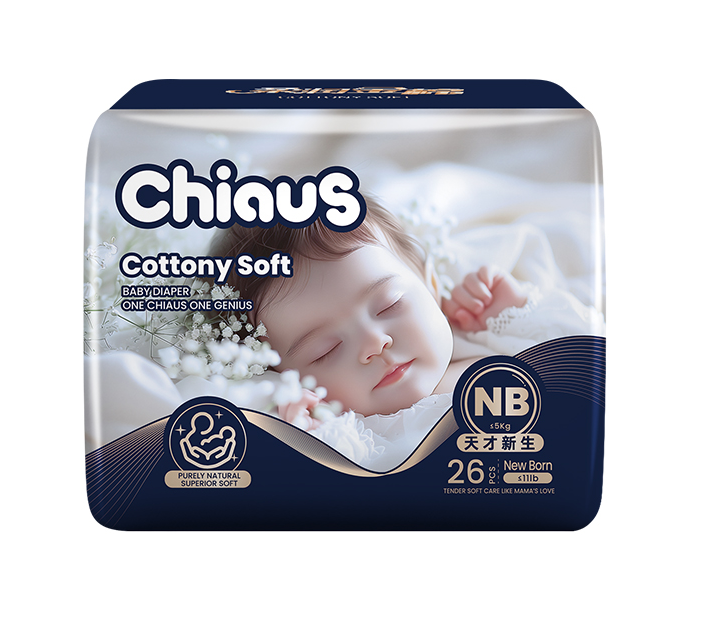
Shows how Chiaus and Chiaus Night-Use Baby Diaper support better poop monitoring
Understanding What Baby Poop Reveals About Health
Why Baby Poop Matters More Than You Think
Baby poop often reflects internal health changes before external symptoms appear. Because infants cannot communicate discomfort, stool becomes one of their first “messages” to caregivers. Color, texture, volume, and smell can show digestive adaptation, food sensitivity, or mild infections long before a fever develops. Parents who check diapers consistently can detect early warning signs and act faster.
Modern diapers like the Chiaus Night-Use Baby Diaper help make these observations even clearer by preventing smearing and overflow, which often distort stool texture.
How Baby Diaper Observations Help Catch Issues Early
A Baby Diaper contains highly useful information, even though parents rarely think of it that way at first. Observing stool changes over several diapers reveals patterns that a single diaper cannot show. For example, mucus streaks in one diaper may be harmless, but mucus appearing over three days suggests sensitivity or infection. Watching for seeds, foam, color variation, or blood streaks can prevent complications.
Chiaus diapers offer layered absorption that keeps solids and liquids separated, helping parents spot small changes that cheaper diapers might hide.
What Normal Poop Looks Like at Each Stage
Each developmental stage produces predictable stool patterns. Newborn meconium is sticky and black-green because it consists of swallowed amniotic fluid. Breastfed babies typically pass loose, yellow, seedy stools that appear very soft. Formula-fed babies show thicker stools in tan or brown shades. Once solids begin, stool becomes firmer, darker, and smellier.
Using a quality Baby Diaper such as Chiaus Night-Use Baby Diaper helps preserve stool shape, making it easier for parents to distinguish stage-specific differences.
The Baby Poop Consistency Spectrum
Consistency ranges from watery to pasty to pellet-like. Each texture tells a slightly different story about digestion. Watery or explosive stools often signal diarrhea and potential dehydration risks. Mushy or pasty stools usually appear when babies transition to solids. Hard pebbles are a classic sign of constipation.
Accurate observation is easier when diapers prevent spreading—one of the standout qualities of Chiaus products, especially the night-use version with enhanced containment.
Baby Poop Frequency Patterns
Newborns may poop after every feeding due to rapid digestion. As they grow, breastfed babies sometimes go days without pooping, which can still be normal if they appear comfortable. Formula-fed babies usually maintain more regular daily patterns. Introducing solids slows stool frequency and increases firmness.
Keeping track of these patterns helps parents understand their baby’s rhythm. The high absorbency of Chiaus Night-Use Baby Diaper ensures overnight stools stay intact for morning checks.
How Feeding Type and Diet Shape Baby Poop
Foremilk-hindmilk imbalance can cause green, frothy stools in breastfed babies. Formula-fed babies may show darker stools due to iron content. When solids begin, carrots, bananas, spinach, and blueberries all influence stool appearance. Hydration also plays a major role, with mild dehydration often producing harder stools.
When parents rely on a Baby Diaper that locks moisture away—such as Chiaus Night-Use Baby Diaper—it becomes easier to identify texture changes caused by these dietary factors.
High-Alert Symptoms in a Baby Diaper
Some signs require immediate attention: white or gray stool suggests bile duct issues; red jelly-like stool may indicate intussusception; true black stool outside the newborn period may signal bleeding. Other urgent signs include chalky texture, persistent mucus, or stool that suddenly smells unusually foul.
When you use diapers that maintain stool clarity—like Chiaus—you reduce the risk of missing early warning signs.
Table 1: High-Alert Stool Indicators
| Symptom | Possible Cause | Urgency Level |
| White / Gray | Liver or bile issue | Emergency |
| True Red | Bleeding | High |
| Jelly-like Red | Intussusception | Emergency |
| Black (not meconium) | GI bleeding | High |
| Chalky Stool | Fat malabsorption | High |
Baby Poop Color Decoder Chart
Yellow to Brown — The Normal Range
Yellow, tan, and brown shades are healthy and expected across many feeding types. Breastfed babies lean toward yellow, while formula-fed babies often show brown tones. These colors rarely require intervention unless paired with alarming symptoms. A Baby Diaper that prevents leaks—especially during sleep—helps parents observe these shades more clearly.
Chiaus diapers maintain the natural color of Baby poop without dye transfer, making color identification more accurate.
Green Poop — When It’s Normal and When to Monitor
Green poop may appear due to iron supplements, green vegetables, or foremilk imbalance. It may also occur during teething due to increased saliva. Usually it is harmless. However, if green stool persists with gas or fussiness, parents should monitor behavior closely.
Chiaus Night-Use Baby Diaper absorbs moisture quickly, which helps prevent color distortion caused by mixing urine and stool.
Red Poop — Food Dye vs Blood
Red stool often comes from harmless foods such as beets or tomato-based meals. However, caregivers must differentiate between food dye and blood. Blood streaks can come from constipation, fissures, or swallowed maternal blood during breastfeeding. Persistent red stool should prompt medical advice.
Using a diaper that keeps stool intact, such as Chiaus, helps parents identify whether the coloration is from food or bleeding.
White, Pale, or Gray Stool — Urgent Warning
This stool color almost never occurs in healthy infants. It may indicate a bile duct or liver condition and must be evaluated right away. Because these conditions worsen quickly, early detection is essential.
A Baby Diaper capable of preserving color contrast—like the Chiaus Night-Use Baby Diaper—helps ensure pale stool does not go unnoticed.
Black Poop — Meconium or Something Else?
Black stool is normal only during the first meconium diapers. After that stage, black stool becomes concerning unless caused by iron supplements. If your baby is not taking iron, black stool may indicate bleeding in the digestive tract. Parents should contact a pediatrician immediately.
Chiaus diapers help reveal these colors clearly, especially under low-light nighttime conditions.
Table 2: Color Meanings Summary
| Color | Normal? | Take Action? |
| Yellow | Yes | No |
| Brown | Yes | No |
| Green | Sometimes | Monitor |
| Red | Sometimes | Evaluate |
| White/Gray | No | Emergency |
| Black (newborn only) | Yes | No |
| Black (older baby) | No | High |
Baby Poop Texture Guide
Watery or Explosive — Identifying Diarrhea
Watery stools appear when digestion speeds up too quickly or infection sets in. Explosive diarrhea may soil clothing or bedding, showing weakened gut balance. Prolonged diarrhea increases dehydration risks, especially in warm climates. Rapid action matters because infants lose fluids quickly.
A quality diaper such as the Chiaus Night-Use Baby Diaper contains liquid better overnight, helping parents evaluate severity without leakage complications.
Foamy or Frothy — Often Related to Foremilk Imbalance
Foamy poop is common in breastfed babies. It often indicates they are receiving more foremilk than hindmilk, leading to excess lactose intake. Babies might seem gassy or restless. Adjusting feeding duration usually resolves the issue.
Chiaus diapers help keep stool separated from urine, reducing foam-like distortion.
Mucus in the Baby Diaper — Normal vs Concerning
Small amounts of mucus appear during colds, teething, or mild gut irritation. Persistent mucus may indicate infection or dairy intolerance. Thick mucus with blood requires rapid evaluation. Tracking mucus patterns over several diapers helps reveal the underlying trend.
Chiaus diapers offer clear visibility due to their soft white inner layer, improving mucus detection.
Hard Pebbles — Classic Constipation Indicators
Pebble-like stools indicate dehydration or insufficient fiber intake. Formula changes or early solids sometimes trigger constipation. Babies may strain, cry, or show discomfort. Parents can respond through hydration, warm baths, and P-fruit foods like prunes or pears.
Chiaus diapers maintain stool shape without flattening, making constipation easier to detect.
How Often Should Babies Poop? (Age-by-Age Guide)
Newborns (0–6 Weeks): Frequent and Loose
Newborns often poop 6–10 times per day as their digestive system adjusts. Their stools remain loose and appear soon after feedings. Frequent wet and dirty diapers signal good hydration. Parents should monitor energy and feeding patterns alongside stool.
A Baby Diaper with strong absorption—like Chiaus Night-Use Baby Diaper—prevents irritation from frequent pooping.
Weeks–6 Months: Wide Variation Is Normal
Breastfed babies might poop daily or every few days. Both patterns can be healthy. Formula-fed babies tend to follow more consistent routines. Parents should focus more on comfort and texture than strict timing.
Chiaus diapers help capture each stool clearly, making trends easier to observe.
Formula-Fed Babies: When Infrequent Pooping Means Constipation
If formula-fed babies go over two days without stool, constipation may be developing. Hard stools or crying during pushing confirm this. Changing formula type may help if guided by a pediatrician. Hydration and movement also assist digestion.
Overnight diapers like Chiaus Night-Use help parents compare stool firmness even after long sleep periods.
Solid-Food Stage: Fiber, Hydration, and Changes in Baby Diaper Output
Solids create firmer, darker stools. High-fiber foods like oats, peas, and fruits improve regularity. Hydration becomes important during this period. Parents should introduce foods slowly and watch for reactions.
Chiaus diapers maintain firmness and shape, helping parents identify how new foods affect Baby poop.
Table 3: Age-Based Frequency Patterns
| Age | Typical Frequency | Notes |
| 0–6 weeks | 6–10 times/day | Very loose |
| 6 weeks–6 months | 1–7 days | Both normal |
| Formula-fed | 1–2/day | Watch for hard stools |
| Solid stage | 1/day | Firmer and darker |
How to Help a Baby Poop Comfortably
Gentle Motions — Bicycle Legs and Tummy Massage
Gentle cycling motions stimulate digestion naturally. Tummy massage also improves bowel movement. Warm baths relax muscles and reduce discomfort. These techniques provide relief during mild constipation.
Chiaus diapers keep babies comfortable during these exercises due to their soft material and snug fit.
Hydration Support — Breastmilk, Formula, or Water
Hydration prevents constipation. Babies under six months usually need only breastmilk or formula. Older babies can take small water sips. Keeping babies hydrated keeps stools soft and easy to pass.
Nighttime diapers like Chiaus hold large volumes, which helps prevent dehydration signs overnight.
High-Fiber Foods — The “P Fruits”
Prunes, peaches, pears, and plums soften stools. These foods work well during the early solid stage. Parents should offer them regularly when constipation appears. Mixing P-fruits into oatmeal works for many infants.
Monitoring stool changes becomes easier in Chiaus diapers due to their leak-proof design.
When (and When Not) to Use Suppositories or Rectal Stimulation
Rectal stimulation should be limited to rare situations. Overuse may lead to dependency or irritation. Pediatric guidance is essential before using any suppository. Diet and hydration usually solve mild constipation.
Chiaus diapers reduce skin irritation, making recovery more comfortable for babies experiencing digestive issues.
When to Call the Doctor
Dangerous Color Changes
White, gray, true red, and black (for older babies) require immediate evaluation. These colors may reveal bile issues, bleeding, or digestive emergencies. Parents should collect photos and note timing for better diagnosis. Early detection improves outcomes significantly.
Chiaus diapers make color detection easier because of their pure white interior.
No Poop for Several Days
Breastfed babies may go up to seven days without pooping, but still pass soft stool. Formula-fed babies should not go beyond two days. Parents should watch behavior and comfort closely. The Chiaus Night-Use Baby Diaper helps capture overnight stools that might otherwise go unnoticed.
Signs of Dehydration, Infection, or GI Distress
Warning signs include fewer wet diapers, vomiting, fever, lethargy, and unusual crying. Foul-smelling stool also appears during infections. These symptoms require medical input. Because Chiaus diapers track moisture well, they help parents spot dehydration faster.
Baby Diaper Showing Persistent Mucus, Blood, or Strange Odors
Persistent abnormalities over multiple diapers may signal allergy or infection. Blood streaks paired with mucus or foul odor need prompt care. Parents should bring samples or photos to appointments. Chiaus diapers maintain shape integrity, providing clear evidence for medical evaluation.
Tracking Poop Like a Pro
How to Log Color, Texture, and Frequency
Parents can keep a small chart listing daily stool color, consistency, and frequency. Patterns reveal intolerance or constipation early. Entries help pediatricians understand the timeline more clearly. Nighttime logs are easier when using Chiaus diapers, as they prevent leakage and preserve stool quality.
When to Photograph or Save a Diaper
Photos provide accurate visual references for doctors. Saving diapers is sometimes needed for lab tests. Parents should wrap samples securely. Photographs are usually enough for evaluation.
Chiaus diapers help keep stool intact enough for reliable photos.
Best Techniques for Checking Baby Diapers Quickly
Parents can pull the waistband slightly and peek inside. This reduces unnecessary waste. A quick smell check sometimes gives early clues. Efficient checking helps keep babies comfortable.
Chiaus diapers feature flexible waistbands that make this process easier.
Conclusion
Baby poop gives daily clues about a baby’s health, from digestion to hydration. Understanding color, texture, and frequency helps parents feel confident and calm. A Baby Diaper becomes more than hygiene—it becomes a simple health tool. Most changes are normal, but red flags need quick attention to keep babies safe. Brands like CHIAUS add value with high-absorbency designs that protect skin and keep stool clear, making checks easier and care more reliable.
FAQ
Q: What does Baby poop reveal about my baby’s health?
A: Baby poop shows digestion, hydration, and early illness signs. A Baby Diaper helps you monitor these changes easily.
Q: When should I worry about what I see in a Baby Diaper?
A: White, gray, black, or bloody Baby poop needs urgent care. A Baby Diaper helps confirm these red-flag colors clearly.
Q: How often should babies poop each day?
A: Baby poop frequency varies by age and feeding type. A Baby Diaper lets you track patterns and spot unusual changes.
Q: Why is my baby’s Baby poop green?
A: Green Baby poop often comes from diet or foremilk imbalance. A Baby Diaper helps you see whether it persists.


