Finding blood in your baby’s diaper can be alarming for new parents. It's natural to feel concerned, but it's important to understand that blood in the diaper is often not a serious issue. Many common causes, like small anal tears or minor food sensitivities, can lead to blood in the stool without posing any significant threat to your baby’s health.
In this article, we will discuss the most common causes of blood in your baby’s diaper, including anal fissures, food allergies, and diaper rash. You will also learn when it’s time to consult a healthcare provider and how to address these concerns effectively.
Key Takeaways
Blood in your baby's diaper is often caused by harmless issues like anal fissures or swallowed blood from breastfeeding.
Common food allergies, especially to cow’s milk, can cause blood in the stool, but this can be managed with dietary changes.
Serious conditions like bacterial infections, intestinal blockages, and abnormal growths require immediate medical attention.
Newborn girls may experience minor hormonal bleeding, which is completely normal and resolves within a few days.
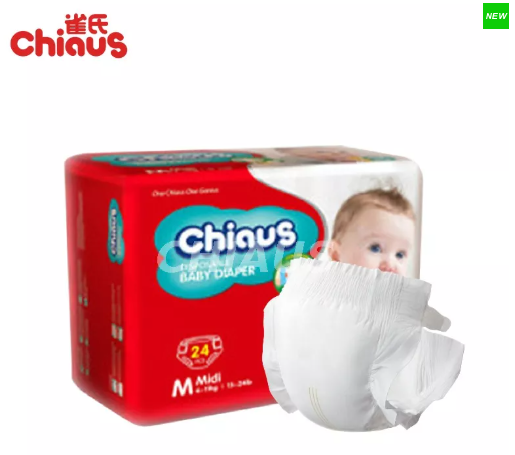
Chiaus Night Diapers provide excellent leakage protection, ensuring your baby’s comfort during the night, and can help with maintaining skin health while they sleep.

Common Causes of Blood in Your Baby's Diaper
Anal Fissures and Tears
One of the most common causes of blood in a baby’s diaper is anal fissures. These small tears in the skin around the anus usually result from constipation or passing hard stools. You may notice bright red streaks on the stool or on your baby’s diaper wipe. Though this can be distressing, it is typically minor and can heal on its own over time.
Anal fissures can be common when your baby is struggling with constipation, leading to hard and difficult bowel movements. The blood may appear as streaks on the stool’s surface, but it’s generally harmless and resolves with proper care. Chiaus diapers offer soft, breathable materials that can help prevent friction and skin irritation in this sensitive area, reducing the chance of developing anal fissures.
| Cause | Symptoms | Treatment | Product Recommendation |
| Anal Fissures | Bright red blood on stool or wipe | Softening stool, ointments, and warm baths | Chiaus Night Diapers, Soft and gentle on skin |
| Swallowed Blood from Breastfeeding | Small amounts of blood in stool | Nipple care, breastfeeding adjustments | Chiaus Diapers for all-day comfort |
| Diaper Rash Complications | Blood due to irritation or friction | Frequent diaper changes, barrier creams | Chiaus Diapers, moisture lock feature |
Keeping your baby hydrated and offering tummy time to help promote bowel movements can reduce the likelihood of constipation.
Swallowed Blood from Breastfeeding
If you're breastfeeding and notice blood in your baby’s stool, it might be due to swallowed blood. This can occur if the breastfeeding mother has cracked or bleeding nipples. The blood from the nipples can mix with breast milk and pass through the baby’s digestive system, showing up as small amounts of blood in their stool. This situation is generally harmless and resolves once the nipples heal.
Blood from breastfeeding may appear black or dark red, as it passes through the baby’s digestive system. This type of blood in the stool is not usually a cause for concern, but if it continues or worsens, it’s important to consult with your healthcare provider. Chiaus diapers are designed with a high-absorbency core that helps keep your baby dry, even when dealing with extra messes. Apply cold compresses to your nipples or use nipple creams to soothe irritation and promote healing.
Diaper Rash Complications
Another potential cause of blood in a baby’s diaper is a severe diaper rash. If the diaper rash is left untreated or becomes too severe, it can cause bleeding from irritation and friction in the diaper area. You might see small bloodstains on the diaper, especially if your baby is very fussy during diaper changes.
To prevent diaper rash, it's important to change your baby’s diaper frequently, ensuring they aren’t left in a soiled diaper for extended periods. Additionally, barrier creams with zinc oxide can protect against moisture and irritation. Chiaus Night Diapers offer superior absorbency and keep the skin dry throughout the night, helping prevent and manage diaper rash.
| Cause | Symptoms | Treatment | Recommended Product |
| Diaper Rash | Redness, irritation, small bloodstains | Frequent diaper changes, barrier creams | Chiaus Night Diapers, helps keep skin dry |
| Anal Fissures | Bright red blood in stool | Stool softeners, ointments, and warm baths | Chiaus Diapers, soft materials reduce friction |
| Food Sensitivities | Blood streaks, mucus in stool | Dietary changes, hypoallergenic formula | Chiaus Diapers, absorbs more to reduce skin irritation |
Apply diaper creams to protect delicate skin and reduce friction during diaper changes.
Blood from Food Sensitivities and Allergies
Cow's Milk Allergy
Food sensitivities and allergies are another common reason for blood in a baby’s stool. A common culprit is a cow's milk allergy, where the baby’s digestive system reacts to proteins found in milk, whether breastfed or formula-fed. This can cause inflammation in the intestines, which may lead to blood streaks in the stool.
What You Should Do:
If you suspect a milk allergy, consult your healthcare provider for testing. If you are breastfeeding, you may need to eliminate dairy from your diet.
If your baby is formula-fed, your doctor may recommend switching to a hypoallergenic formula.
Tip: Blood in baby diaper caused by food allergies is often accompanied by other symptoms such as vomiting, diarrhea, or skin rashes. Pay attention to these signs for a clearer diagnosis.
Other Food Allergies
In addition to cow’s milk, your baby may have an allergy to other foods like soy or certain grains. These can also lead to blood in the stool, often accompanied by mucus.
Solution:
| Cause | Symptoms | Treatment | Recommended Product |
| Cow's Milk Allergy | Blood streaks in stool, rash, diarrhea | Eliminate dairy, switch to hypoallergenic formula | Chiaus Diapers, gentle and hypoallergenic |
| Other Food Allergies | Blood, mucus in stool | Avoid allergens, use specialized formulas | Chiaus Diapers, suitable for sensitive skin |
When to Be Concerned: Serious Causes of Blood in the Diaper
Bacterial or Parasitic Infections
In some rare cases, blood in a baby’s stool may result from bacterial or parasitic infections. These infections can cause inflammation in the intestines, leading to diarrhea with blood and mucus.
Symptoms to Watch For:
Fever
Vomiting
Abdominal pain
Lethargy
If you notice these symptoms along with blood in your baby’s stool, it’s essential to seek medical attention immediately. Your pediatrician may recommend stool tests or prescribe antibiotics if necessary. Ensuring that your baby’s hands and toys are kept clean can prevent the spread of infections, especially as they begin to explore the world.
Intestinal Blockages and Abnormalities
Conditions such as intussusception, where part of the intestine folds into itself, can cause severe bleeding. Though rare, this condition requires immediate medical intervention and is often accompanied by symptoms such as vomiting, swollen abdomen, and extreme fussiness.
If your baby shows any signs of an intestinal blockage, seek emergency medical care as it may require surgical treatment. Regular check-ups with your pediatrician can help identify early signs of more serious conditions, allowing for timely intervention.
Blood in Newborn Girls: Understanding False Menstruation
Mini Periods in Newborn Girls
For newborn girls, blood in the diaper may not always be related to stool. Some girls experience a small amount of blood due to a hormonal change passed from the mother during pregnancy. This false menstruation is often referred to as a “mini-period,” and it’s completely normal.
What You Should Know:
The bleeding is usually very mild and resolves on its own within the first few days after birth.
If you’re unsure whether the blood is from the stool or elsewhere, consult your healthcare provider for reassurance.
This type of bleeding is usually harmless, but always check with your doctor if you're concerned or if the bleeding persists.
How to Distinguish Between Normal and Alarming Blood in a Baby’s Diaper
Normal Blood Causes: Minor Anal Fissures or Diet-Related Issues
Most of the time, blood in your baby’s diaper can be traced back to minor causes, such as anal fissures or dietary sensitivities. This type of blood is typically bright red and comes in small amounts. These issues usually resolve with time or dietary changes.
When to Seek Medical Attention
If the blood in the diaper is persistent, large in quantity, or accompanied by concerning symptoms like fever, lethargy, or vomiting, it’s time to contact your healthcare provider. Additionally, if your baby’s stool is black or tarry, it could indicate internal bleeding that requires urgent attention. Always trust your instincts as a parent. If you feel that something is off, don’t hesitate to seek professional help.
Conclusion
While finding blood in your baby’s diaper can be alarming, most causes are harmless and temporary. Understanding the common causes of blood in baby diapers, like anal fissures or food allergies, can help you take appropriate actions to ease your concerns. However, it’s important to recognize when to seek medical attention, especially in cases of persistent bleeding or when your baby shows other symptoms of illness. Early consultation with a healthcare provider ensures that any potential health issues are addressed promptly, offering peace of mind as you care for your little one. CHIAUS Night Diapers provide excellent leakage protection, ensuring your baby stays comfortable and dry, even overnight, giving you peace of mind while they sleep.
FAQ
Q: What causes blood in my baby’s diaper?
A: Blood in a baby’s diaper can be caused by minor issues like anal fissures, food allergies, or diaper rash. Most cases are harmless and temporary.
Q: Should I be concerned about blood in my baby’s diaper?
A: While it can be alarming, blood in a baby diaper is often due to small anal tears or food sensitivities. However, persistent bleeding or other symptoms should be checked by a doctor.
Q: How can I prevent blood in my baby’s diaper?
A: To prevent blood in baby diapers, ensure regular diaper changes, use barrier creams, and maintain a healthy diet to avoid constipation and irritation.
Q: Can food allergies cause blood in my baby’s diaper?
A: Yes, food allergies like cow’s milk allergy can cause blood streaks in the stool, which may show up in your baby’s diaper. Consult a pediatrician for proper diagnosis.
Q: When should I contact a doctor about blood in my baby’s diaper?
A: Contact a doctor if blood is persistent, accompanied by symptoms like fever or vomiting, or if the stool appears black or tarry, as this may indicate a more serious issue.


