Diaper rash is a common skin condition that affects infants and toddlers, often causing irritation in areas like the buttocks, groin, and thighs. While most diaper rashes are caused by moisture irritation, yeast diaper rash is caused by an overgrowth of Candida, a type of yeast.
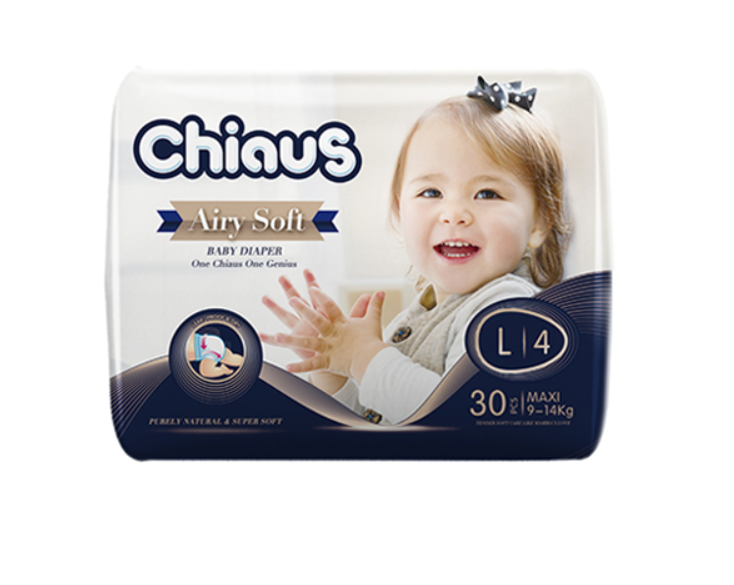
Recognizing yeast diaper rash early is important because it requires specific antifungal treatments, unlike regular diaper rash. In this article, you’ll learn how to identify the signs of yeast diaper rash, its causes, and effective treatments to help your baby feel better. We’ll also explore ways to prevent future occurrences with proper care and the right baby diaper choices, such as Chiaus diapers.
Key Takeaways:
Yeast diaper rash is caused by an overgrowth of Candida, a common fungus that thrives in moist environments.
Unlike regular diaper rash, yeast diaper rash requires antifungal treatments and will not improve with standard diaper creams.
Frequent diaper changes, keeping the skin dry, and applying antifungal creams are effective ways to treat and prevent yeast diaper rash.
Chiaus brand diapers, especially their night-use diapers, are designed to keep babies dry overnight, which can help prevent moisture-related diaper rashes.
If the rash persists or worsens, consult a pediatrician for proper treatment.
What Is Yeast Diaper Rash?
Definition and Overview
Yeast diaper rash, also known as Candida diaper dermatitis, is a type of diaper rash caused by an overgrowth of the Candida fungus. This yeast naturally lives on our skin, often without causing harm, but it can proliferate in warm, moist environments—such as the diaper area—leading to an infection.
The primary factor that allows yeast to thrive in the diaper area is prolonged exposure to moisture. The fungus feeds on the moisture and can create a persistent rash if left untreated. Yeast diaper rash is more common in babies who are on antibiotics or have other skin conditions, as these factors can disrupt the balance of bacteria that keep yeast under control.
Difference Between Regular Diaper Rash and Yeast Diaper Rash
A regular diaper rash usually occurs due to moisture, friction, or sensitivity, and can be treated with basic diaper creams and regular diaper changes. In contrast, yeast diaper rash is caused by fungal overgrowth, leading to a more defined, red rash with raised borders and satellite lesions (small bumps near the main rash area).
Yeast rashes tend to be more intense and can be harder to treat. They require antifungal medications like nystatin or clotrimazole, which are not present in regular diaper creams. Properly distinguishing between the two types is essential for effective treatment.
Common Causes of Yeast Diaper Rash
The primary cause of yeast diaper rash is prolonged moisture and warmth, which provides an ideal breeding ground for Candida to thrive. Babies who are on antibiotics, or whose breastfeeding mothers are on antibiotics, are also at higher risk because antibiotics can disrupt the balance of good bacteria, allowing yeast to grow unchecked.
| Cause | Impact on Yeast Growth |
| Moisture | Prolonged exposure to moisture creates an ideal environment for yeast growth. |
| Antibiotics | Disrupts the natural balance of bacteria, leading to increased yeast growth. |
| Existing Diaper Rash or Thrush | Skin irritation or mouth infections can provide a gateway for yeast infections. |
Causes of Yeast Diaper Rash
Moisture and Poor Diaper Hygiene
Yeast thrives in moist environments. When a baby’s diaper is left on for too long, it traps moisture, creating the perfect conditions for yeast to grow. This can happen even with the best diapers if the baby is not changed frequently enough.
Additionally, improper diaper hygiene, such as not cleaning the area thoroughly after every bowel movement, can also increase the risk of yeast infections. It’s important to change diapers promptly and ensure the area is cleaned and dried properly.
| Tip for Preventing Yeast Diaper Rash | Action |
| Frequent Diaper Changes | Change wet or soiled diapers immediately to reduce moisture buildup. |
| Gentle Cleansing | Use a soft washcloth with warm water to clean the area gently. |
| Avoiding Tight Diapers | Ensure diapers are not too tight, allowing air to circulate around the skin. |
Antibiotic Use
Antibiotics kill both harmful and helpful bacteria in the body. Without sufficient amounts of good bacteria to control yeast, Candida can grow unchecked. Babies on antibiotics, or those whose mothers are breastfeeding while on antibiotics, are particularly vulnerable to developing yeast infections in their diaper areas.
Existing Diaper Rash or Thrush
If your baby already has a regular diaper rash or has had thrush (a yeast infection in the mouth), the fungus can spread to the diaper area. This makes the skin more vulnerable to further yeast infections. Thrush and diaper rashes often occur simultaneously, as the yeast spreads from the mouth to the diaper area.
Signs and Symptoms of Yeast Diaper Rash
Appearance of Yeast Diaper Rash
Yeast diaper rashes typically appear as bright red or purple patches, often with well-defined edges. The rash may also have raised, scaly borders, and small red spots may appear nearby, referred to as "satellite lesions." These rashes are typically shiny, inflamed, and may feel warm to the touch. On darker skin tones, the rash may appear more purple or brown instead of red.
| Symptom | Appearance |
| Main Rash | Bright red or purple with raised edges. |
| Satellite Lesions | Small red spots surrounding the main rash. |
| Skin Texture | Shiny, inflamed, and possibly warm to the touch. |
When to Suspect Yeast Diaper Rash
If your baby’s diaper rash doesn’t improve within a few days of using regular diaper creams or ointments, it could be a yeast infection. Yeast diaper rashes tend to persist longer and don't respond to traditional treatments. If you notice any of the symptoms mentioned above, it’s important to seek professional care for proper diagnosis and treatment.
Comparison With Regular Diaper Rash
Regular diaper rashes are often pink or red and can be treated with barrier creams, while yeast diaper rashes are usually more intense, bright red or purple, and often include satellite lesions and scaly edges. Yeast rashes may also appear in the folds of the skin, such as the groin and thigh areas.
Treating Yeast Diaper Rash
Consulting a Pediatrician
The first step in treating a yeast diaper rash is to consult your baby’s pediatrician. Only a healthcare provider can confirm that a rash is caused by yeast and recommend the best treatment plan. Yeast diaper rashes often require antifungal treatments, which are not available in regular diaper rash creams.
Antifungal Medications
The most common treatments for yeast diaper rash are antifungal creams, such as nystatin, clotrimazole, or miconazole. These medications can be prescribed by your doctor or purchased over-the-counter in mild cases. In severe cases, prescription-strength treatments may be necessary.
| Medication | Form | Prescription |
| Nystatin | Cream/Ointment | Yes |
| Clotrimazole | Cream/Ointment | Over-the-counter |
| Miconazole | Cream/Ointment | Over-the-counter |
Home Care Tips
Frequent Diaper Changes: Change diapers as soon as they become wet or soiled to prevent moisture from staying on the skin.
Gentle Cleansing: Use warm water and a soft cloth to clean the area. Avoid alcohol-based wipes, which can irritate the skin.
Barrier Creams: Apply a zinc oxide-based barrier cream to protect the skin from further irritation while the antifungal treatment takes effect.
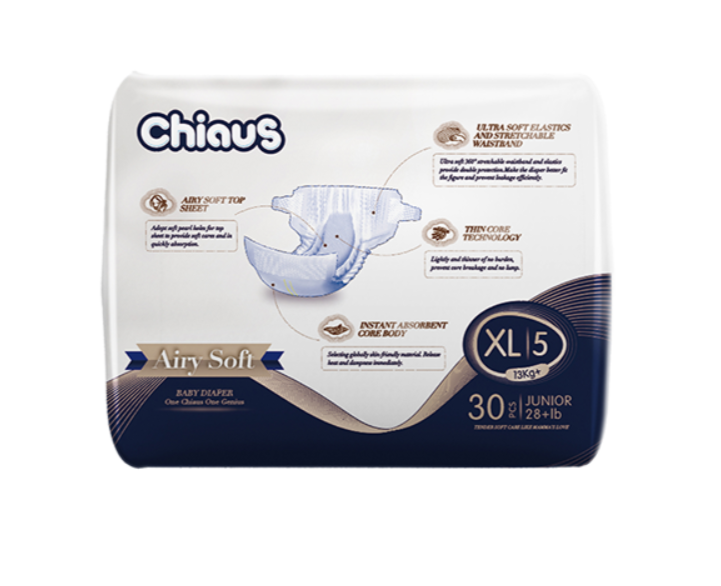
Additionally, Chiaus brand offers an excellent range of night-use diapers designed to keep babies dry overnight. These diapers feature advanced absorbency and moisture-wicking technology, which can help prevent diaper-related yeast rashes from developing during the night.
Preventing Yeast Diaper Rash
Maintaining Dryness and Cleanliness
The best way to prevent yeast diaper rash is by keeping your baby’s skin clean and dry. Make sure to change your baby’s diaper frequently and let the skin air-dry whenever possible. Using high-quality diapers, such as Chiaus diapers, which provide superior moisture control, can also help prevent yeast diaper rashes.
Frequent Diaper Changes
Changing your baby’s diaper regularly helps to avoid moisture buildup, which is essential in preventing yeast growth. Using highly absorbent diapers that keep moisture away from the skin can also reduce the risk of developing yeast infections.
| Tip | Action |
| Use Absorbent Diapers | Choose diapers like Chiaus for maximum dryness. |
| Air-Dry Skin | Let your baby’s skin air-dry whenever possible. |
Diaper-Free Time
Giving your baby some time without a diaper helps to air out the diaper area and reduce moisture. This is especially helpful during nap times or while playing on a clean surface.
Complications and When to See a Doctor
Possible Complications
If left untreated, yeast diaper rash can cause more severe skin issues, including open sores, bleeding, and infection. It may also spread to other areas of the body, such as the thighs, abdomen, or even the mouth.
When to Seek Medical Help
You should contact your healthcare provider if the rash doesn’t improve within 3 to 5 days of starting treatment, or if it worsens. Also, if the rash is accompanied by fever or open sores, a bacterial infection could be present, requiring antibiotic treatment.
Conclusion
Yeast diaper rash is a common but treatable condition that causes discomfort for both babies and parents. Understanding its causes, symptoms, and treatments is crucial for managing it effectively. Early intervention with antifungal treatments and proper diaper care can offer relief and prevent complications. If the rash doesn’t improve, it's important to consult a pediatrician for further guidance.
Frequent diaper changes and keeping the skin dry are essential steps in preventing yeast diaper rash. Using high-quality diapers, like those from CHIAUS, can also help promote faster recovery. CHIAUS diapers are designed to keep babies dry and comfortable, ensuring optimal moisture control and reducing the risk of skin irritation.
FAQ
Q: What causes yeast diaper rash?
A: Yeast diaper rash is caused by an overgrowth of Candida, a fungus that thrives in warm, moist environments like a baby’s diaper area.
Q: How can I treat yeast diaper rash?
A: Treat yeast diaper rash with antifungal creams like nystatin, along with frequent diaper changes to keep the area dry and clean.
Q: Can regular baby diaper creams help yeast diaper rash?
A: No, regular baby diaper creams don't treat yeast diaper rash. Antifungal treatments are necessary to address the infection.
Q: How long does yeast diaper rash last?
A: Yeast diaper rash typically improves within 2-3 days of antifungal treatment, but may take up to two weeks to fully resolve.
Q: Can CHIAUS diapers help prevent yeast diaper rash?
A: Yes, CHIAUS diapers are designed to keep babies dry with excellent moisture control, helping reduce the risk of yeast diaper rash.


