For global infant diaper buyers, distributors, and retailers, "what size diapers babies wear the longest" is a core issue determining inventory turnover, cost control, and customer satisfaction. Selecting the appropriate baby diaper size not only impacts infants' comfort but also directly influences the operational efficiency of B2B businesses. As a global infant diaper manufacturer with deep market expertise, Chiaus leverages 20 years of international experience and data accumulation to comprehensively address this critical question. This article analyzes global market data, regional variations, influencing factors, and procurement strategies, providing professional guidance for overseas partners.
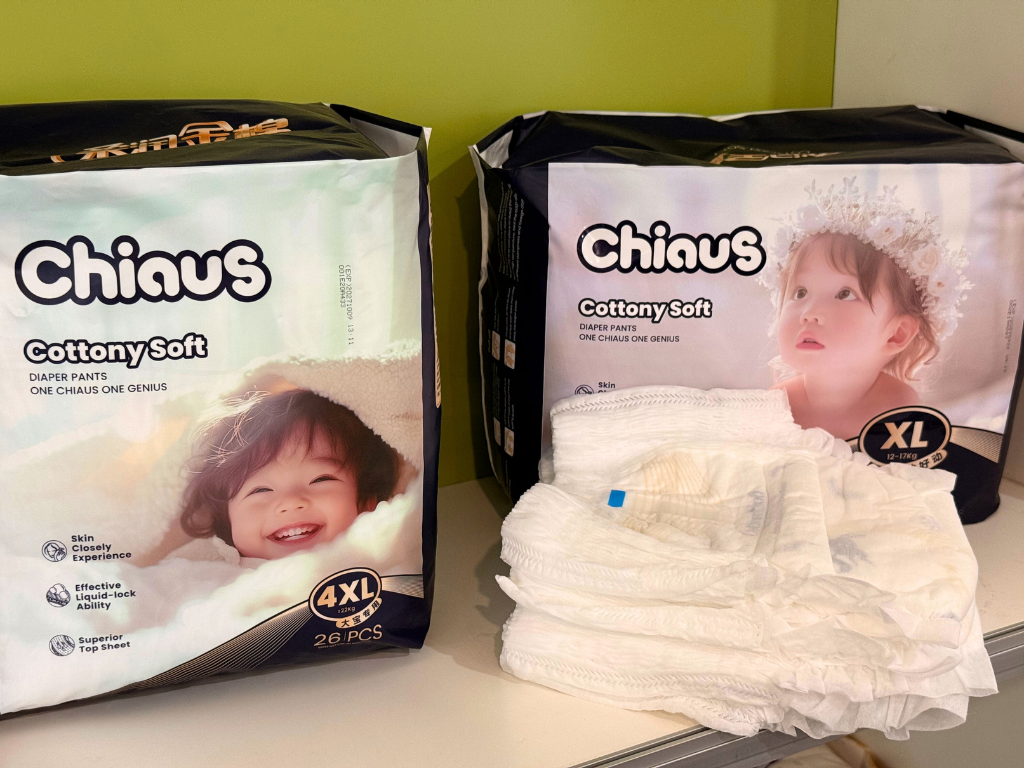
what size diapers are babies in the longest?
To accurately answer "what size diapers babies wear the longest," we must first rely on global infant growth and development data alongside baby diaper consumption research. According to IMARC Group's 2025 Global Diaper Market Report, the global baby diaper market reached $91.14 billion in 2024 and is projected to grow to $167.33 billion by 2033, with a compound annual growth rate (CAGR) of 6.63%. Behind this massive market lies significant variation in consumption proportions across different sizes, directly attributable to infants' distinct growth stages.
Globally standardized weight-to-size guidelines show that while mainstream infant diaper brands have slight variations in sizing, weight ranges form the core basis for classification. Taking internationally renowned brands like Japan's GOO.N as an example: - Newborn (NB) fits infants 0-5 kg - Small (S) fits 4-8 kg - Medium (M) fits 6-11 kg - Large (L) fits 9-14 kg - Extra Large (XL) fits 12+ kg Global consumption data tracking across multiple regions reveals distinct usage duration gradients for different sizes: NB has the shortest usage period at just 2-3 weeks; S and M sizes are used for similar durations of 1-2 months; L size usage significantly extends to an average of about 4 months; while XL size has the longest usage period, with some infants using it for over a year.
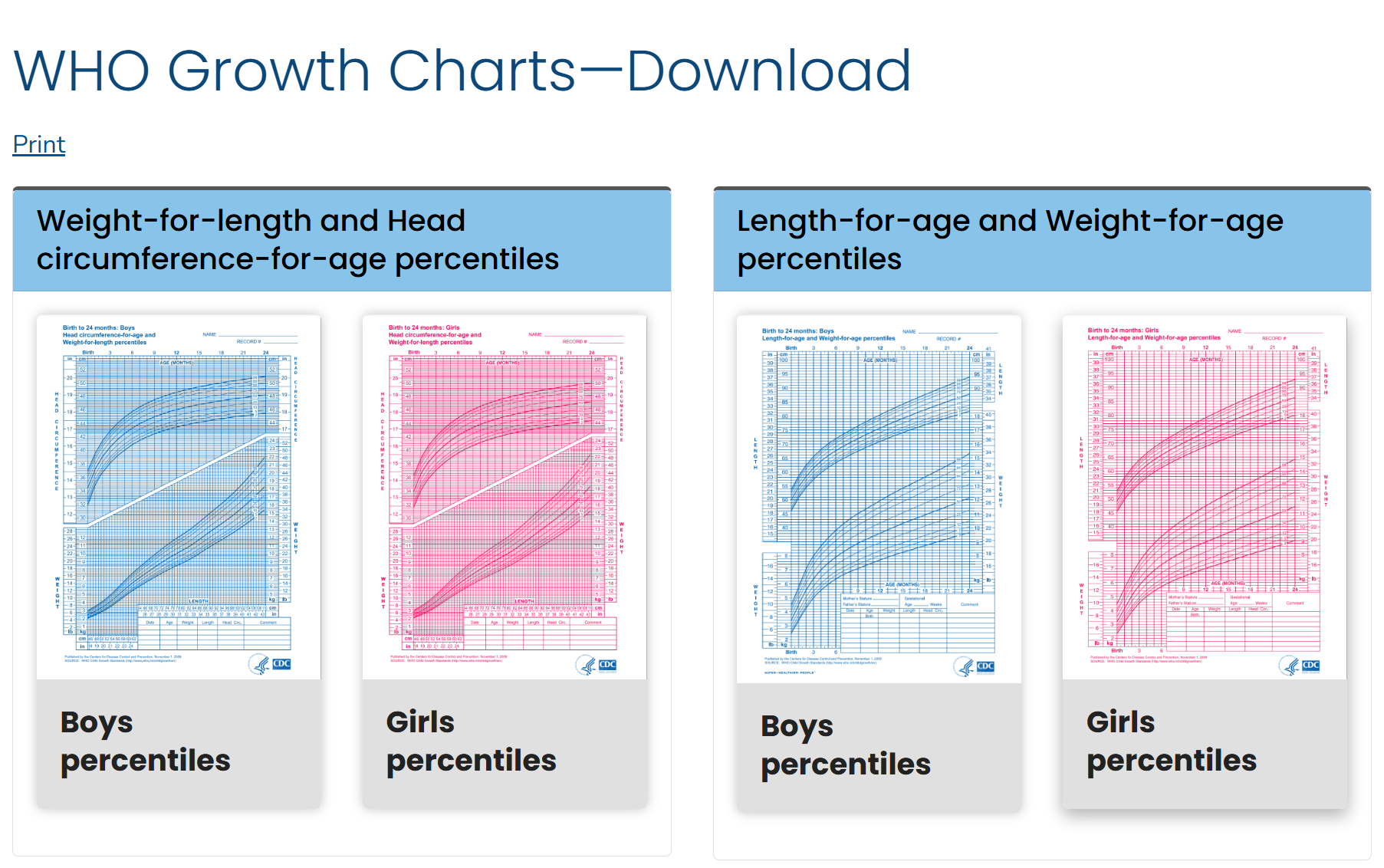
This data conclusion holds true across diverse regional markets. In the Asia-Pacific market—the world's largest consumer region for baby diapers (with a 2024 market share exceeding 35.4%)—infant growth rates show slight variations compared to Europe and America. Nevertheless, the combined usage duration of sizes L and XL remains dominant. Taking populous nations like China and India as examples, infants typically remain in the 9-14 kg weight range (corresponding to size L) for an average of 3.8 months, while the 12+ kg range (corresponding to size XL) can last 10-12 months. In the U.S. market, according to infant growth curve data released by the Centers for Disease Control and Prevention (CDC), growth slows in the 10-15 kg stage. The combined usage period for L and XL baby diapers accounts for over 60% of the total.
From a B2B business perspective, sizes L and XL—as the core sizes with the "longest usage duration"—exhibit procurement demands characterized by high stability and large batch volumes. Global distribution data from Chiaus shows that in 2024, overseas partners' procurement of size L and XL baby diapers accounted for 52% of total purchases, significantly outpacing other sizes. This data confirms the market answer to "what size diapers are babies in the longest"—L and XL are the core sizes used globally for the longest duration, with XL offering a more advantageous average usage cycle.
Key Variables Affecting Infant Diaper Usage Duration
While size L and XL represent the longest-used infant diaper sizes globally, their specific usage duration across different regions and consumption scenarios remains influenced by multiple factors. For overseas B2B partners, accurately identifying these influencing factors enables more efficient alignment with local market demands and improved inventory turnover rates.
First are regional variations in infant physiological development.
Infants of different ethnicities and geographic regions exhibit distinct differences in weight gain rates and body characteristics, directly affecting infant diaper size transition cycles. For instance, infants in Northern Europe experience slower average weight gain, spending up to 5 months in the 9-14 kg stage (size L), whereas infants in Southeast Asia typically remain in this stage for an average of 3.5 months. Growth curve data from the U.S. CDC also clearly indicates weight percentile differences among African American, Asian, and Caucasian infants at the same age. This results in the average usage duration for size XL being slightly longer in the North American market (11 months) compared to the Asian market (9 months).
Secondly, product design and consumer habits play a role.
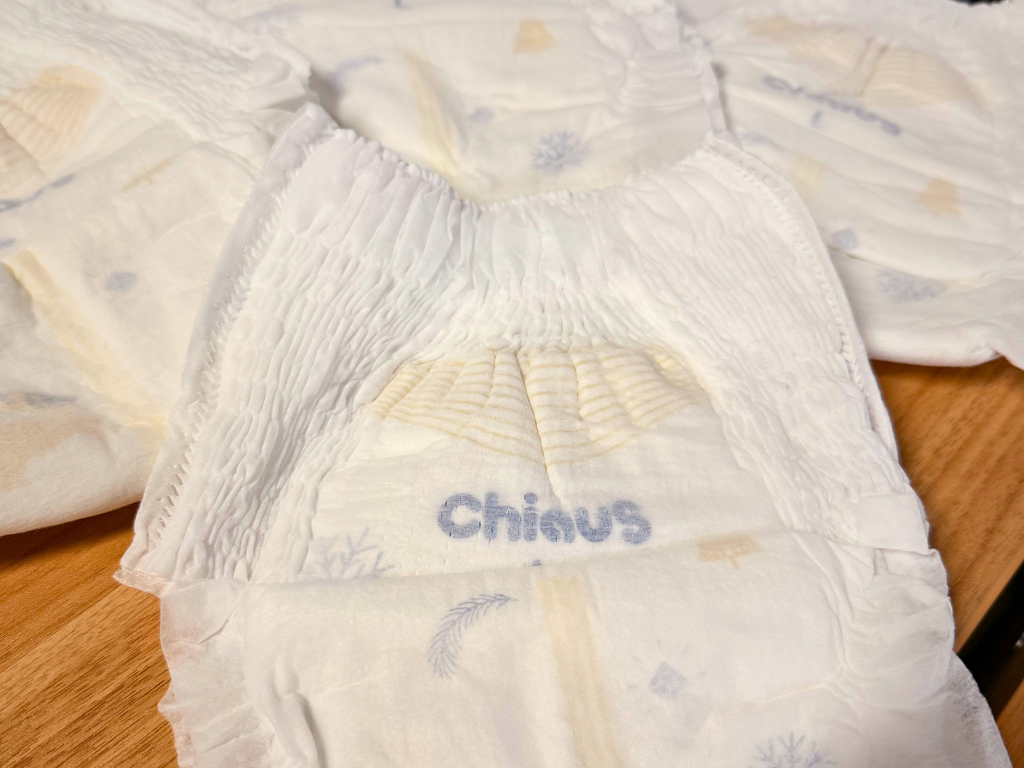
Innovations in the baby diaper industry, such as high-absorbency materials, enable larger-sized products from some brands to accommodate a broader weight range, indirectly extending usage duration. For example,Chiaus XL baby diapers feature an elastic waistband and a super-absorbent core, accommodating infants and toddlers weighing 12-20 kg. This expands the weight range by 30% compared to traditional products, extending the usage period for some children from 10 to 12 months. Additionally, differing consumer habits warrant attention: In European and American markets, parents prefer baby pull-up pants for toddlers, shortening the usage period of XL traditional diapers. Conversely, in Southeast Asian markets, traditional diapers see longer usage cycles, with XL sizes averaging up to 13 months of use.
Market segmentation also impacts infant diaper usage duration.
In premium maternal and infant markets, consumers prioritize infant comfort, prompting more frequent size changes and slightly shorter usage periods for larger sizes. Conversely, in mass markets driven by cost-effectiveness, consumers may extend usage beyond the optimal size fit. Chiaus European market research indicates that XL baby diapers in premium channels average 9 months of use, while mass channels reach 11 months. Additionally, specialized scenarios like nighttime diapers or leak-proof diapers exhibit differing usage durations compared to standard products.
For B2B procurement, the core value of these factors lies in guiding differentiated purchasing strategies. For instance, in the Nordic market, procurement proportions for size L could be appropriately increased; whereas in Southeast Asia's mass market, inventory focus should shift toward size XL.
Core B2B Procurement Strategy: Focus on Golden Sizes to Optimize Baby Diaper Inventory Structure
After identifying the answer to "what diaper sizes babies wear the longest" and its influencing factors, the key challenge for overseas partners is translating this insight into an efficient B2B procurement strategy. Based on global market data and Chiaus channel operation experience, a procurement strategy focused on premium sizes (L and XL) and optimized inventory structure can effectively reduce operational costs and enhance market responsiveness.
Product portfolio procurement boosts market competitiveness. Beyond core L and XL baby diapers, pairing them with complementary products like baby pull-up pants and baby wipes creates a product matrix that meets diverse consumer needs. For instance, in European and American markets, parents of toddlers show strong demand for baby pull-up pants. Pairing L and XL diapers with matching training pants during procurement increases average transaction value per customer. Chiaus "Product Bundle Package" offers an additional 5% discount for combined purchases of premium-size diapers and training pants, alongside joint marketing support to help partners expand market share.
Conclusion
In summary, the answer to “what size diapers are babies in the longest” is clear—size L and XL are the core sizes used by infants and toddlers globally for the longest duration. For overseas B2B partners, focusing on these two golden sizes, optimizing inventory structures based on regional market characteristics, and implementing product portfolio strategies are key to enhancing operational efficiency and market competitiveness. Chiaus, leveraging precise market insights, a high-performance product system, and comprehensive partner support, empowers global clients to seize opportunities in the rapidly growing baby diapers market. For procurement details on premium size products or regional market analysis reports, visit Chiaus' official website to contact our sales manager.


