Many people ask, "What is the Best Clothing to Wear With Incontinence Products Like Adult Diapers & Protective Underwe?" Finding clothes that feel both dignified and practical while managing incontinence can feel overwhelming. You deserve garments that offer protection without sacrificing your confidence or comfort. Adaptive clothing meets these needs through smart design and modern fabrics, making daily routines easier and more private.
The adaptive clothing market is growing fast, expected to grow at a rate of 12.8% each year from 2026 to 2033, mostly because older adults want special solutions. This growth shows a real need for clothes that support incontinence care with dignity. In this guide, you'll learn about key features, proper fit, and how to pick the right incontinence products for your lifestyle. You'll also find trusted options from Chiaus, a maker known for quality and new ideas. With the right knowledge, you can build a wardrobe that supports your independence and confidence every day.
Key Takeaways
Pick fabrics that let air flow and pull sweat away from your skin.
Choose pants that are one to two sizes bigger so they can hold protection products.
Look for easy-to-put-on designs, like magnetic snaps or drop-seat options.
Pick a product that matches how much you need it—light for daytime, heavy for nighttime.
Prioritize safety by choosing products with quality certifications like FDA and OEKO-TEX.
Don't wear tight clothes that squeeze pads and lower how much they can soak up.
Change your clothes to include stretchy waistbands and darker colors for privacy.
Key Characteristics of Incontinence Clothing
Incontinence clothing meets three core needs: protection, comfort, and discretion. You need garments that stop leaks, feel gentle on your skin, and look like regular clothes. The best designs combine smart fabrics, clever layers, and easy fasteners. Chiaus, a trusted manufacturer of adult diapers and pull-up pants, builds these features into every product. Understanding these characteristics helps you choose clothing that supports your daily life.
Fabric Technology for Skin Health
Your skin deserves materials that stay dry and healthy. Many incontinence clothing options use advanced fabrics to reduce irritation. Studies show that products with larger pore sizes in the topsheet, superabsorber cores, and breathable materials help prevent overhydration of the skin. This is especially important for older adults. Chiaus adult diapers use these same technologies to keep your skin comfortable.
Especially in older people, products such as topsheets with larger pore sizes, and those with superabsorber and breathable materials are preferred to reduce overhydration of the stratum corneum [51–54].
Moisture-Wicking and Quick-Drying Materials
A moisture-wicking material pulls sweat and urine away from your skin. This keeps the surface dry and reduces the risk of rashes or infections. Look for incontinence clothing that uses this technology. Breathable material also allows air to circulate, which helps your skin stay healthy. You can find these features in Chiaus pull-on underwear and protective underwear. They also apply to incontinence pads and bladder pads, which fit inside your regular underwear.
Antimicrobial and Odor-Control Properties
Odor-resistant clothing uses special treatments to stop bacteria from growing. This control helps you feel fresh and confident throughout the day. Incontinence-friendly clothes often include these antimicrobial features. You can wear them without worrying about smells. Many protective underwear options from Chiaus include odor-control layers, so you stay comfortable and discreet.
Design for Protection and Discretion
The right design stops leaks while keeping your clothing discreet. Clinical studies show that different designs offer varying levels of leak protection. The most effective option is disposable insert pads. Below are the rankings from research:
Disposable insert pads – most effective for leakage prevention
Disposable menstrual pads – second most effective
Washable pants with integral pad – third most effective
Washable insert pads – least effective
You can use these findings to choose the right pads for your absorbency needs. For example, disposable insert pads provide high absorbency and strong leak protection. Chiaus adult diapers also use reliable designs to prevent leaks. Pair them with comfortable underwear to stay secure.
Waterproof or Leak-Resistant Layers
Many incontinence clothing styles include a waterproof outer layer. This layer stops leaks from reaching your outer clothes. You can wear these garments under normal pants or skirts. They add an extra barrier of protection. Chiaus pull-up pants feature leak-resistant layers, so you can move freely without worry.
Concealed Protective Features
Discreet design matters for your confidence. Modern incontinence clothing hides protective features inside the garment. The fasteners, seams, and pads look like regular underwear. You can wear them under any outfit without drawing attention. Chiaus protective underwear uses concealed layers, so you feel just like you are wearing normal underwear.
Easy-On, Easy-Off Designs
Changing incontinence clothing quickly and privately is important. Easy-on, easy-off designs make this simple. You can remove or replace garments without struggling. This feature is especially useful for people with limited mobility. Chiaus diapers and pull-on underwear include user-friendly fasteners for convenience.
Magnetic Closures vs. Traditional Zippers
Magnetic closures offer a fast and quiet way to open and close incontinence clothing. You do not need to mess with zippers or buttons. Traditional zippers can be tricky for some users. Magnetic closures allow you to change with one hand. This design improves comfort and ease of use. Many incontinence clothing options now include magnetic fasteners.
Drop-Seat and Snap-Away Features
Drop-seat designs let you open the back of the garment without removing it completely. This makes changing pads or diapers faster. Snap-away features use buttons or snaps along the seams. You can open the clothing from the side or back. These designs are common in incontinence clothing for both adults and children. They help you maintain privacy and dignity during changes.
What Is the Best Clothing to Wear with Incontinence Products?
The best clothing to wear with incontinence products like adult diapers & protective underwe combines comfort, breathability, and ease of management. You need garments that accommodate your protection products without drawing attention or causing discomfort. The right choices make a significant difference in your daily confidence and skin health. This section explores how to select clothing that works with your incontinence products rather than against them.
Achieving a Comfortable Yet Secure Fit
A proper fit forms the foundation of effective incontinence clothing. When your clothes fit well, you move freely and feel secure. When they fit poorly, you risk leaks, chafing, and visible outlines. The goal is a balance between snug and relaxed.
Adjustable Waistbands and Elastic
Elastic waistbands provide the flexibility you need for a customized fit. These bands stretch to accommodate different body sizes and shapes, ensuring your clothing stays in place throughout the day. The soft, stretchable materials like spandex or elastane minimize skin irritation while maintaining a secure hold. Many incontinence clothing options feature flexible elastic waistbands designed for comfort even when you sit for long hours. Some designs place snaps at the waist strategically to avoid pressure points. Others use 4-way stretch performance, which makes moving easier and more comfortable. An elastic back waistband offers both comfort and an improved fit, keeping your protection products securely in place.
Avoiding Restrictive or Too-Loose Clothing
Extremely tight clothing increases discomfort and chafing, especially when you wear protective products underneath. Tight pants compress your adult diapers, reducing their absorbency and causing leaks. They also create visible lines that compromise your discretion. On the other hand, overly loose clothing allows your protection products to shift, which leads to gaps and leaks. You want clothing that follows your body's natural contours without squeezing. Look for pants with a relaxed fit through the hips and thighs. Choose tops that drape rather than cling. This balanced approach keeps your incontinence products working effectively while maintaining your comfort.
Wear the right clothing: Loose, breathable fabrics tend to work best over diapers. Extremely tight clothing can increase discomfort and chafing.
Adult Diapers and Protective Underwear Fit
Your clothing must accommodate the bulk of your protection products. Adult diapers and protective underwear add volume to your silhouette. Understanding how to size your clothing around this bulk prevents discomfort and visible outlines.
Sizing One to Two Sizes Larger
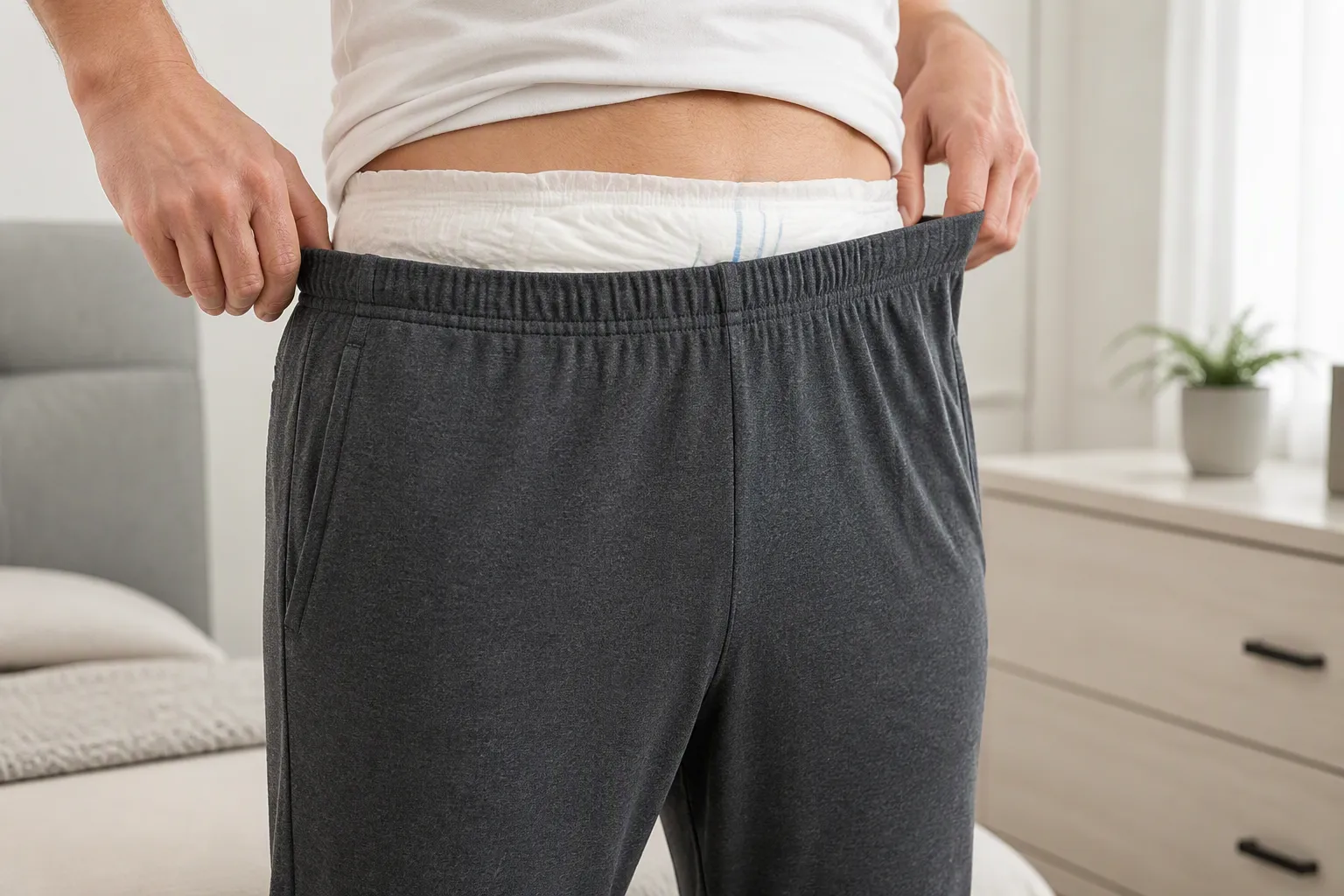
Consider purchasing pants and skirts one to two sizes larger than your usual size. This extra room accommodates the bulk of your adult diapers without creating a tight, uncomfortable fit. The additional space also allows air to circulate, which supports skin health. When you try on clothing, sit down and bend to ensure the garment still fits comfortably. Your clothing should not pinch, bind, or create pressure points when you move. This sizing strategy applies to both casual and formal wear, so you can maintain your style without sacrificing comfort.
Accommodating Product Bulk
The right style adult diaper adds necessary bulk to your clothing. You need garments that hide this volume while keeping your protection secure. High-waisted pants work well because they cover the top of your diaper or pull-on underwear. A-line skirts and dresses provide ample room through the hips. Dark-colored trousers with a straight or wide leg minimize the appearance of added volume. Avoid skinny jeans or tailored pants that leave no room for your protection products. Instead, choose fabrics with some stretch, like cotton blends with elastane, which move with you and adapt to your products.
Stylish Incontinence-Friendly Clothes
You do not have to sacrifice style for function. Modern incontinence-friendly clothes look like regular fashion while offering the protection and convenience you need. With thoughtful choices, you can build a wardrobe that expresses your personality and supports your lifestyle.
Choosing Colors and Patterns for Discretion
Dark colors and busy patterns help conceal any minor leaks or outlines. Navy, black, charcoal, and deep burgundy hide moisture effectively. Patterns like plaids, florals, and geometric designs distract the eye from your silhouette. These choices give you peace of mind throughout the day. You can also layer your clothing strategically. A longer top, cardigan, or open jacket adds coverage without looking clinical. This approach lets you wear your favorite colors while maintaining discretion.
Adapting Current Wardrobe Staples
You can adapt many items you already own for incontinence care. Elastic-waist pants replace those with rigid waistbands. Wrap dresses offer easy access for changing pads or bladder pads. Skirts with stretch waistbands provide comfort and simplicity. Button-front shirts open fully for easier dressing. You can also add accessories like longer necklaces or scarves to draw attention upward. These small adjustments transform your existing wardrobe into functional incontinence clothing. You maintain your personal style while gaining the practicality you need.
Remember that your underwear plays a crucial role in this system. Choose underwear that fits comfortably over your protection products without adding extra bulk. Some people prefer brief-style underwear with a higher cut, which holds pads and bladder pads securely. Others choose boy shorts or hi-cut styles for different coverage levels. The key is finding what feels secure and looks smooth under your clothing. With the right combination of clothing and protection products, you can move through your day with confidence and ease.
Choosing the Right Incontinence Products
The right product is the base of a good incontinence-friendly wardrobe. Chiaus is a trusted maker of adult diapers and protective underwear. The company has FDA and OEKO-TEX certifications. Their smart designs mix comfort with dependable protection. This section is your guide to picking the best products for your needs.
Types of Incontinence Products
You have many choices when picking protection. Each type serves different needs and situations. Knowing the differences helps you make smart choices.
Adult Diapers vs. Pull-Up Pants
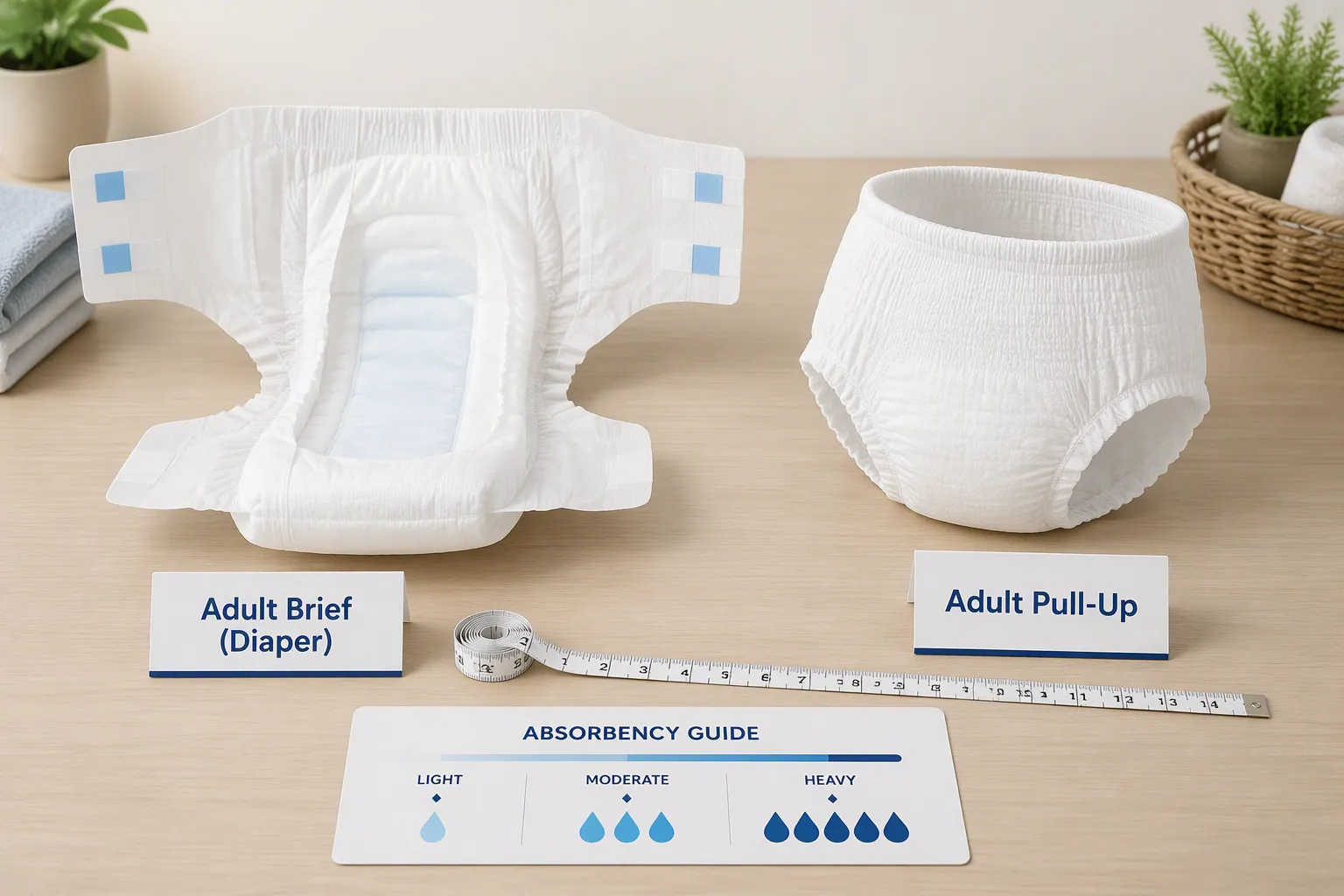
Adult diapers and pull-up pants do different jobs. Your mobility level and how bad your incontinence is decide which one works best. The table below compares these two main types:
Feature
Adult Pull-Ups
Adult Briefs (Diapers)
Design
Underwear-like, less bulky, pulled up/down
Tabbed side panels, wrap around hips, refastenable
Absorbency
Lighter, suitable for light to moderate incontinence
Higher absorbency, handles heavy incontinence and bowel containment
Target Users
Mobile, active individuals seeking discretion and independence
Individuals with limited mobility, bedridden, or requiring caregiver assistance
Use Cases
Daytime use, active lifestyle, discreet social settings
Overnight use, heavy leakage, quick caregiver changes
Tape-style products cut average changing time by 40% compared to pull-ups for bedbound patients. They also cost 15-25% less per unit while holding more liquid. Pull-ups balance absorption with keeping an underwear-like shape.
When to Use a Pull Up: Ideal for active lifestyles, individuals valuing independence, light to moderate incontinence, daytime use, and those prioritizing discreetness under clothing.
When to Use a Diaper (Tape Tab Brief): Preferred for heavy incontinence, overnight use requiring maximum absorbency, and individuals with limited mobility or those requiring caregiver assistance for quick and secure fastening.
Think about these points when choosing:
Level of bladder control: Light or moderate → adult pull ups. Heavy → incontinence briefs.
Mobility and independence: Can you change yourself? Pull ups are easier. Need caregiver help? Briefs with tabs are simpler.
Absorbency needs: Overnight or heavy leakage → briefs. Daytime or light leakage → pull ups.
Discretion: Adult pull ups look and feel more like regular underwear.
Budget: Both options are available at a range of price points.
Incontinence Underpads for Added Protection
Underpads give you extra safety. You put them on beds, chairs, or other surfaces. They keep furniture and bedding safe from leaks. Underpads work well for nighttime use or for people who sit for long periods. You can use them with your regular protection for extra peace of mind.
Matching Product Absorbency to Lifestyle
Your daily activities and how much you drink affect your absorbency needs. Picking the right level stops leaks and keeps you comfortable.
Light, Moderate, and Heavy Absorbency Levels
Doctors use leak volume to suggest absorbency levels. The table below shows these guidelines:
Absorbency Level
Leakage Volume
Light
< 3 cups
Moderate
~3 cups
Heavy
3.75 cups
Overnight
3.75+ cups
How often you leak matters too. Occasional leaks may only need light protection. Regular or heavier leaks need more absorbent products. Your activity patterns also affect the choice. Think about discreetness, odor control, and breathability along with absorbency.
Quality affects your comfort, skin health, and confidence. The best-selling incontinence products mix top materials with smart design. You deserve products that work well every day.
Skin-Friendly Materials and Breathability
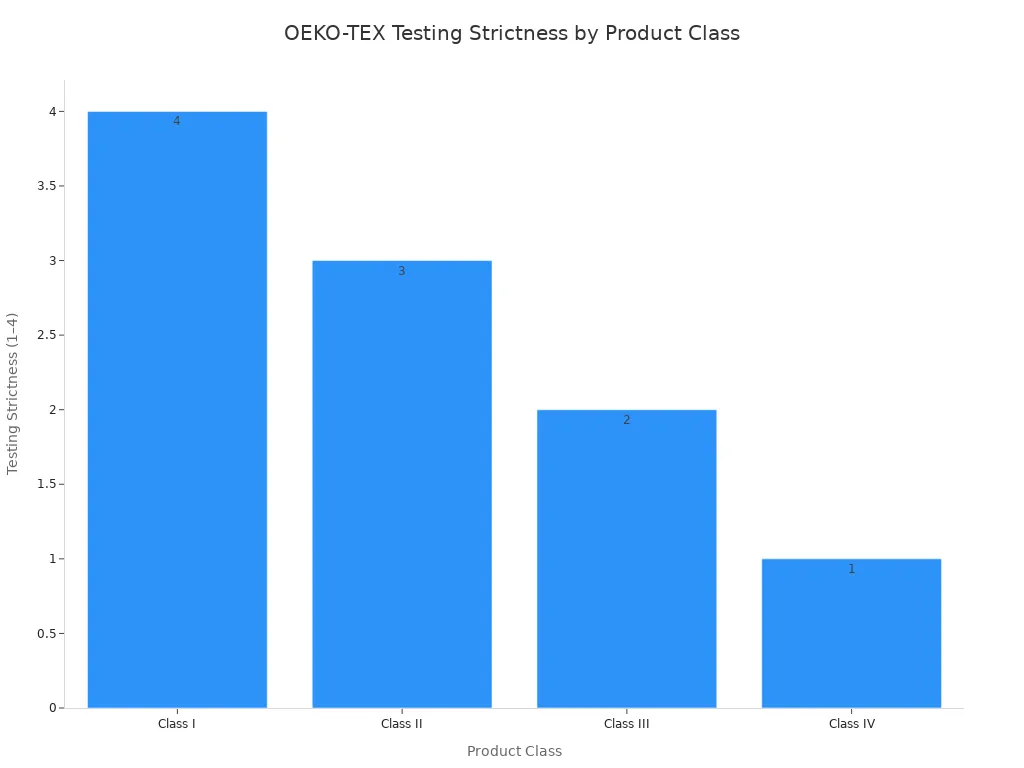
Your skin needs breathable materials to stay healthy. OEKO-TEX® STANDARD 100 certification sets the safety standard for textiles. Every item with this label passes safety tests for harmful substances. Each thread, button, and accessory is tested against a list of over 1,000 harmful substances.
Product Class
Skin Contact Level
Example Products
Testing Strictness
Class I
Most direct contact with skin
Diapers, products for babies and toddlers
Strictest requirements
Class II
Direct skin contact
Apparel textiles, shirts, linens
High requirements
Class III
Limited direct skin contact
Jackets, outerwear
Moderate requirements
Class IV
Little or no direct skin contact
Furnishings
Least strict requirements
The more skin contact, the stricter the rules. Class I applies to products for babies and children up to 3 years. Diapers fall into this group with the strictest limits. The certification meets international rules. Limit values are checked at least once a year.
Durability and Leak Prevention
Quality products resist wear and stop leaks. Strong seams and tough materials handle frequent washing. Reliable leak barriers keep moisture inside. Chiaus designs its products with these ideas in mind. Their advanced production lines ensure steady quality in every batch. You can trust products that pass tough testing and meet global standards.
Common Mistakes to Avoid
Avoiding these common errors can greatly improve your comfort and confidence. Many people struggle with incontinence clothing because they keep making the same mistakes. Knowing these pitfalls helps you choose better from the start.
Fitting Without a Product Assessment
You might pick clothes that fit perfectly without your protection products. Then you add adult diapers or pads, and everything changes. The garment gaps, bunches, or shifts in uncomfortable ways. This happens when you choose clothing without testing it over your actual protection.
The Risk of Incompatible Sizing
Your regular size may not work when you layer incontinence products underneath. The clothing fits alone but fails when you add bulk. You need to check your whole system, not just the outer garment. Try on pants and skirts while wearing your chosen protection. Sit down, bend over, and walk around. This testing shows whether the combination works together. Without this check, you risk buying clothes that look fine on the hanger but fail in daily use. Many people only notice this problem after wearing the outfit for a full day.
Forgetting to Account for Pad or Brief Bulk
Protection products add volume to your silhouette. Many people forget this when picking clothing. The result is tight pants that squeeze your protection, lowering absorbency and causing leaks. You also create visible outlines that hurt your discretion. Choose pants one to two sizes larger than your usual size. Look for relaxed fits through the hips and thighs. This extra room fits your products without losing comfort or style. Your underwear also needs thought here. Brief-style underwear with a higher cut holds pads securely without adding extra bulk.
Overlooking Breathability and Skin Health
Some people choose tight, non-breathable materials to hide their protection products. This plan backfires. The fabric traps moisture against your skin, creating serious health problems. You might think you are protecting your dignity, but you are actually harming your skin.
The Dangers of Non-Breathable Fabrics
When urine stays trapped against your body by low-quality materials, it breaks down into ammonia. This chemical change shifts your skin's pH from its healthy, slightly acidic state to a harmful alkaline level. Combined with constant moisture, this causes maceration. Your skin becomes soft, white, and fragile. Macerated skin loses its strength and becomes prone to tearing and breakdown. This condition leads directly to Incontinence-Associated Dermatitis (IAD). Even cotton fails here. Once wet, cotton stops being a breathable material. It holds moisture against your skin instead of wicking it away. Engineered fabrics made for incontinence care keep your skin dry and healthy.
Ignoring the Impact of Seam Placement
A garment may feel soft but still cause problems. Seams that fall on high-contact areas create friction points. This friction irritates your skin, especially when combined with moisture. Look for incontinence clothing with flat seams or seams placed away from pressure zones. Run your hand along the inside of the garment. Feel for rough edges or raised stitching. These small details make a big difference in your daily comfort. The right seam placement also helps your incontinence clothing look smoother under your outer layers.
Sacrificing Durability for Style
You want clothes that look good, but they must also last. Incontinence clothing goes through heavy use and frequent washing. Choosing style over durability leads to quick wear and tear. You end up replacing garments often, which costs more in the long run.
The Importance of Reinforced Stitching
Strong seams handle the stress of daily wear and repeated washing. Reinforced stitching prevents seams from splitting when you move or change. Check the stitching quality before you buy. Look for double-stitched seams and reinforced stress points. These features extend the life of your incontinence clothing significantly. Quality construction also keeps your protection products securely in place throughout the day.
Choosing Fabrics That Withstand Frequent Washing
Your clothes need to survive many wash cycles. Some fabrics break down quickly, losing their shape and protective properties. Antimicrobial treatments also wear off if the fabric cannot handle washing. Check the care label before purchasing. Look for fabrics that keep their quality after repeated washing. This attention to durability saves you money and ensures your protection stays effective. Your underwear deserves the same thought. Choose pieces that hold their shape and elasticity wash after wash.
Considerations for Facilities and Bulk Purchases
Facility managers and caregivers face unique challenges when buying incontinence products in large quantities. You must balance budget limits with resident comfort and staff efficiency. Every decision affects daily operations, from storage space to laundry costs. This section helps you make smart purchasing choices that serve your facility well.
Standardizing for Efficiency and Comfort
Standardization simplifies your inventory management and training processes. When you choose a consistent product line, staff members learn one system thoroughly. They become faster and more confident during changes. Residents also benefit from predictable quality and fit.
Selecting Universal Sizing and Styles
You need a range of sizes that covers most residents without overwhelming your storage area. A practical approach includes three to four core sizes that accommodate the majority of your population. Choose styles that work across different mobility levels. Pull-up style underwear suits mobile residents who value independence. Tab-style briefs work better for residents who need caregiver assistance. This combination covers most needs without excessive variety. You can adjust individual orders for residents who fall outside the standard range.
Ensuring Compliance with Health and Safety Standards
Your purchasing decisions must meet regulatory requirements for healthcare facilities. Look for products with recognized certifications like FDA approval or OEKO-TEX Standard 100. These certifications verify that materials pass safety tests for harmful substances. They also confirm that products meet strict quality benchmarks. Document your compliance efforts carefully. This paperwork protects your facility during inspections and builds trust with families. Choose suppliers who provide clear documentation of their certifications and testing procedures.
Cost-Effectiveness and Quality Balance
The cheapest option rarely saves you money in the long run. You must evaluate the total cost of ownership, not just the purchase price. This analysis includes storage, laundry, and healthcare costs that arise from poor-quality products.
Evaluating Long-Term Durability vs. Upfront Cost
Bulk purchasing reduces the per-unit price, but you need a higher initial outlay. Long-term savings appear only when you use products within a reasonable timeframe. Proper storage in a cool, dry, sealed space maintains product quality and absorbency. Improper storage damages products and shortens their effective lifespan. Consider reusable options like washable underwear and pads. These products cost more upfront but offer significant savings through multiple uses. Each product layer costs between $0.60 and $1.00 and lasts 7 to 10 nights. This extended durability offsets the higher initial price. Reusable products also reduce laundry loads by up to 90%, lowering expenses for detergent, water, and electricity. These hidden costs affect your total cost of ownership significantly.
Low-cost options may seem attractive, but they often lead to poor absorbency or skin irritation. These problems create higher healthcare costs later, undermining your initial savings. Quality products prevent leaks and protect resident skin health. This protection reduces the need for additional treatments and interventions.
Partnering with Reliable Suppliers
Your supplier relationship determines your long-term success. Choose a manufacturer with proven quality control and consistent production standards. Chiaus offers OEM and ODM services for customized, large-scale orders. Their advanced production lines ensure steady quality across every batch. They hold certifications including FDA, BSCI, ISO, and OEKO-TEX. These credentials demonstrate their commitment to safety and reliability. A dependable supplier delivers on time, maintains consistent quality, and responds quickly to your needs. This partnership reduces your administrative burden and ensures your residents receive the best possible care.
Choosing the right incontinence clothing transforms your daily experience. You now understand that breathable fabrics protect your skin, proper sizing accommodates your protection products, and smart designs make changes easier. These principles work together to support your comfort and confidence.
Prioritize comfort, skin health, and ease of use when shopping. Apply these guidelines to every purchase, from protective underwear to outer garments. Quality incontinence care starts with informed decisions.
You deserve dignity and freedom while managing incontinence. Explore trusted solutions from Chiaus or speak with your healthcare provider. They can help you find products that fit your lifestyle. Take that step today. Your confidence will thank you.
FAQ
How do I know if my clothes fit properly over incontinence products?
Try sitting, bending, and walking while wearing your protection products. The clothes should not pinch, bind, or press into your skin. If you see outlines or feel tight, go up one to two sizes for better comfort.
What fabrics should I avoid for incontinence care?
Stay away from non-breathable materials like plastic-lined clothes or tight synthetics. These trap wetness against your skin and cause irritation. Cotton feels soft but stays wet once soaked. Pick engineered moisture-wicking fabrics made for incontinence care instead.
Can I wear my regular clothes with adult diapers?
Yes, you can adjust many regular clothes. Choose pants with elastic waists, A-line skirts, and wrap dresses. Dark colors and busy patterns help hide outlines. Avoid skinny jeans and stiff waistbands that squeeze your protection products and lower their effectiveness.
How often should I change my incontinence products?
How often you change depends on your absorbency level and output. Check your product often and change it when it feels full or wet. For heavy incontinence, change every three to four hours. For light leakage, you may need fewer changes during the day.
What is the difference between pads and adult diapers?
Pads fit inside your regular underwear and work well for light to moderate leakage. Adult diapers give full coverage with higher absorbency. Choose pads for daytime activity and lighter needs. Select adult diapers for overnight use or heavy incontinence that needs maximum protection.
How do I wash reusable incontinence clothing?
Follow the care label instructions on each garment. Use warm water and mild detergent without fabric softeners. Fabric softeners lower absorbency and harm waterproof layers. Air dry or tumble dry on low heat to keep elastic and protective coatings intact.
Should I tell my family about my incontinence needs?
Open communication helps your family support you better. Share your preferences for clothing styles and product types. Discuss what makes you comfortable during changes. This conversation lowers stress and helps loved ones assist you with dignity and respect.
Where can I find quality incontinence products?
Look for manufacturers with recognized certifications like FDA approval or OEKO-TEX Standard 100. These credentials confirm safety and quality. Chiaus offers adult diapers, pull-up pants, and underpads with these certifications. You can also ask your healthcare provider for recommendations tailored to your needs.