Changing newborn diapers can feel overwhelming for new parents. Did you know that improper techniques can lead to discomfort or infections?
In this article, we will explore the essential steps for safely changing newborn diapers while ensuring proper umbilical cord care.
You’ll learn practical tips and techniques to keep your baby comfortable and healthy during this crucial time. Let’s dive in!
Understanding Newborn Diapers
Choosing the right newborn diapers is crucial for your baby's comfort and health. Parents often face a choice between disposable and cloth diapers, each with its own set of advantages and disadvantages.
Types of Newborn Diapers
Disposable Diapers
Pros:
Convenience: Simply toss them away after use.
Absorbency: Designed to handle multiple wettings.
Less laundry: Saves time and effort for busy parents.
Cons:
Cloth Diapers
Pros:
Eco-friendly: Reusable and reduce waste.
Cost-effective: Can save money in the long run.
Softness: Often made from natural materials that are gentle on skin.
Cons:
When selecting newborn diapers, consider features that enhance comfort and safety. Look for:
Softness: Essential for a newborn's delicate skin.
Absorbency: Helps keep your baby dry and comfortable.
Umbilical Cord Cutout: Prevents irritation around the healing area.
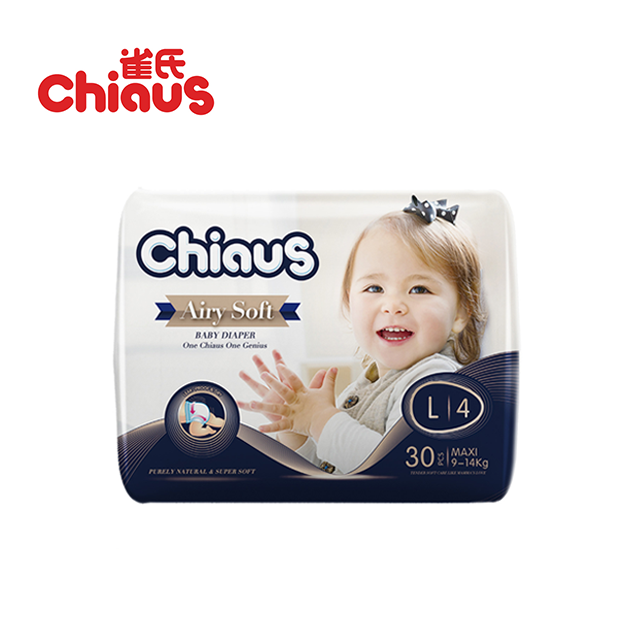
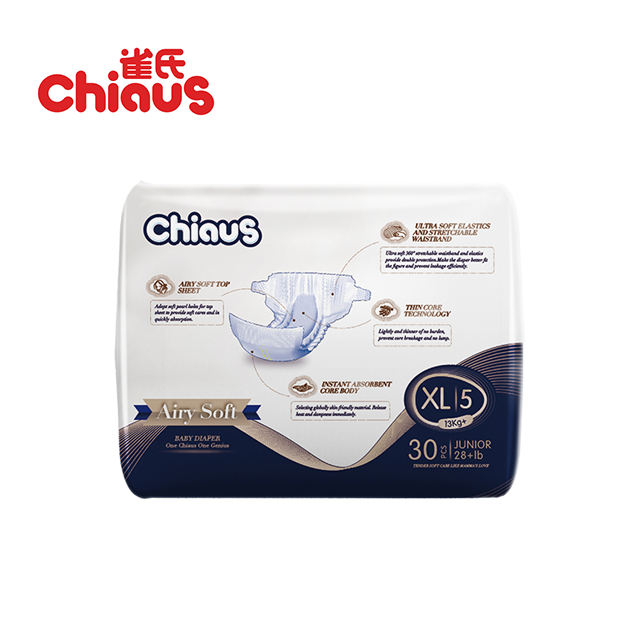
Brands like Chiaus offer a range of styles specifically designed for newborns. Their products feature advanced materials and thoughtful designs, ensuring comfort while addressing the unique needs of newborns.
Feature | Disposable Diapers | Cloth Diapers |
Softness | Varies by brand | Typically very soft |
Absorbency | High | Moderate, depends on inserts |
Environmental Impact | High (non-biodegradable) | Low (reusable) |
Cost Over Time | Higher | Lower (after initial investment) |
Maintenance | Minimal | Requires regular washing |
Choosing the Right Size of Newborn Diapers
Selecting the right size is vital to prevent leaks and ensure comfort. Newborn diapers come in various sizes, typically based on weight. Here are some key points to consider:
Comfort: A well-fitting diaper should not be too tight, which can cause discomfort or skin irritation.
Leakage Prevention: A snug fit around the legs and waist helps prevent leaks.
Monitoring Growth: Babies grow quickly, so keep an eye on their weight. Adjust the diaper size accordingly to maintain a good fit.
Indicators for size adjustment include:
If you notice red marks on your baby's skin, it may be time for a larger size.
If the diaper frequently leaks, it could indicate that it’s too small.
By keeping these factors in mind, you can ensure your baby stays comfortable and dry. Remember, happy babies lead to happy parents!
Preparing for Diaper Changes
Getting ready for diaper changes is essential for both your baby’s comfort and your peace of mind. Having the right supplies on hand can make the process smoother and safer. Let’s explore what you need to gather and how to create a safe changing environment.
Essential Supplies for Changing Newborn Diapers
Before you start, ensure you have all necessary items within reach. This minimizes the risk of leaving your baby unattended. Here’s a list of essentials:
Newborn Diapers: Choose a reliable brand that fits your baby well, like Chiaus, known for its comfort and absorbency.
Wipes: Gentle, hypoallergenic wipes are best for sensitive skin. Consider brands that are alcohol-free and fragrance-free.
Changing Pad: A soft, washable changing pad provides a clean surface and adds comfort for your baby.
Diaper Cream: Keep a barrier cream handy to prevent diaper rash. Look for products with natural ingredients to soothe the skin.
Item | Purpose |
Newborn Diapers | Absorb moisture and keep baby dry |
Wipes | Clean baby's bottom effectively |
Changing Pad | Provide a clean and cushioned surface |
Diaper Cream | Protect against and treat diaper rash |
Having these items ready can save you time and prevent accidents during diaper changes. It’s all about creating a smooth experience for both you and your baby.
Creating a Safe Changing Environment
The changing area should be safe and comfortable. Here are some tips to help you set up a perfect space:
Select a Stable Surface: Use a changing table or a firm bed. Ensure it’s at a height that prevents strain on your back.
Keep Essentials Nearby: Organize supplies in a basket or caddy. This way, everything is accessible without leaving your baby unattended.
Safety First: Always keep one hand on your baby during changes. This prevents falls and keeps your little one secure.
In addition to these tips, consider the lighting and temperature of the changing area. A well-lit space makes it easier to see what you’re doing, while a comfortable temperature keeps your baby relaxed.
Creating a safe and efficient diaper changing routine can greatly reduce stress. With the right supplies and a secure environment, you can focus on what matters most—your baby's comfort and well-being.
Step-by-Step Guide to Changing Newborn Diapers
Changing newborn diapers can seem daunting for new parents, but with a clear step-by-step guide, it becomes a manageable task that ensures your baby stays comfortable and safe. Below are the essential steps to follow for effective diaper changing, including special care for the umbilical cord area.
Step 1: Gather Supplies and Wash Hands
Before starting the diaper change, hygiene is paramount. Always wash your hands thoroughly to eliminate any germs that could potentially irritate your baby's sensitive skin. It’s also important to gather all necessary supplies within arm's reach to avoid leaving your baby unattended. Here’s a list of essential items you’ll need:
Newborn Diapers: Make sure you have the right size, as a good fit prevents leaks and discomfort.
Wipes: Opt for gentle, hypoallergenic wipes that are alcohol-free and fragrance-free to protect your baby's skin.
Changing Pad: A clean, soft changing pad provides a comfortable surface for your baby during the change.
Diaper Cream: Keep a barrier cream handy to protect against diaper rash, especially if your baby has sensitive skin.
Having all these items organized allows you to focus entirely on your baby, ensuring a smooth and safe diaper-changing experience.
Step 2: Remove the Dirty Diaper
Once you have everything ready, it’s time to remove the dirty diaper. This step requires a gentle touch to ensure your baby remains comfortable throughout the process. Here’s how to do it effectively:
1. Unfasten the Diaper: Carefully open the tabs on the dirty diaper. If your baby is a boy, be prepared for potential surprises, as they might urinate when the diaper comes off!
2. Lift the Legs: Use one hand to gently lift your baby’s legs while sliding the dirty diaper out from underneath. This technique minimizes mess and keeps everything tidy.
To further avoid accidents, consider placing a clean diaper under your baby before removing the dirty one. This way, if there’s any unexpected leakage, you can quickly cover it up.
Step 3: Clean the Baby
Cleaning your baby properly after removing the dirty diaper is crucial for maintaining healthy skin. Here’s how to do it effectively:
For Girls: Always wipe from front to back to prevent any risk of urinary tract infections. This technique is essential for keeping the area clean and safe.
For Boys: Gently clean the area, ensuring to get into all the folds to remove any residue. Boys may require a little extra care to ensure cleanliness.
Check for Diaper Rash: While cleaning, take a moment to check for any signs of diaper rash, such as redness or irritation. If you notice any, apply a barrier cream to soothe the skin and prevent further irritation.
This step is vital for ensuring your baby’s skin remains healthy and free from discomfort.
Step 4: Disinfect the Umbilical Cord Area
Caring for the umbilical cord stump is a critical part of the diaper-changing process, especially in the first few weeks of your newborn's life. Here’s how to clean it properly:
Use Sterile Cotton Swabs: Dip a sterile cotton swab in alcohol and gently clean around the umbilical cord stump. This helps to disinfect the area and prevents infections.
Avoid Excess Moisture: It’s essential to keep the area dry to promote healing and prevent any complications. Moisture can lead to infections that might require medical attention.
Regularly check the stump for any signs of infection, such as increased redness, swelling, or discharge, and consult your pediatrician if you have any concerns.
Step 5: Apply a New Diaper with Umbilical Cord Care
When it’s time to put on the new diaper, follow these steps to ensure it fits well and accommodates the umbilical cord:
1. Position the Diaper: Place the new diaper under your baby, making sure the back is higher than the front. This positioning helps prevent leaks.
2. Fold for the Umbilical Cord: Many brands, like Chiaus, offer specially designed diapers with a cutout for the umbilical cord. This feature is beneficial as it allows for proper healing without irritation.
3. Secure the Diaper: Fasten the tabs snugly but not too tight. You want to ensure comfort while also preventing leaks.
A well-fitted diaper will keep your baby comfortable and dry, allowing them to move freely without any restrictions.
Step 6: Final Checks and Disposal
After the new diaper is securely in place, take a moment to perform some final checks:
Fit and Comfort: Ensure the diaper fits snugly around the waist and legs without pinching or causing discomfort. You should be able to fit a finger comfortably between the diaper and your baby’s skin.
Dispose of the Used Diaper: Seal the used diaper in a diaper bag to contain odors and mess before disposing of it in the trash.
After changing the diaper, remember to wash your hands again to maintain hygiene. Following these steps will ensure your baby is comfortable, clean, and happy, making diaper changes a straightforward part of your daily routine.
Key Considerations for Umbilical Cord Care
Caring for your newborn's umbilical cord stump is an essential part of their early life. Proper care helps prevent infections and promotes healing. Here are key considerations to keep in mind when changing newborn diapers and managing the umbilical cord area.
Importance of Keeping the Cord Area Dry
One of the most critical aspects of umbilical cord care is ensuring that the area remains dry. Moisture can lead to complications, including infections that can hinder healing. Here are some effective tips to prevent moisture buildup around the umbilical cord:
Use Absorbent Diapers: Choose high-quality newborn diapers that provide excellent absorbency. Brands like Chiaus are designed to keep moisture away from the skin, which is crucial for the healing process.
Change Diapers Frequently: Regularly change your baby’s diaper to prevent any leakage that might come into contact with the cord stump. This reduces the risk of moisture accumulation.
Allow Air Circulation: Whenever possible, let the cord stump be exposed to air. This can help it dry out and heal more quickly. Just be sure to keep your baby safe and comfortable.
Avoid Tight Diaper Fits: Ensure the diaper is not too tight around the waist. A snug fit can trap moisture and irritate the area. Opt for diapers with umbilical cord cutouts, which can provide relief and comfort.
Tip | Description |
Use Absorbent Diapers | High-quality diapers help keep the area dry. |
Change Diapers Often | Prevent leaks by changing diapers regularly. |
Allow Air Circulation | Expose the stump to air to promote healing. |
Avoid Tight Fits | Ensure the diaper fits comfortably around the waist. |
Signs of Infection or Complications
While caring for the umbilical cord stump, it's essential to monitor the area closely for any signs of infection or complications. Early detection can make a significant difference in your baby's health. Here are some indicators to watch for:
Redness: If the skin around the stump becomes increasingly red, it may indicate an infection. A little redness is common initially, but it should not worsen over time.
Swelling: Swelling around the umbilical cord stump can also be a sign of infection. If you notice any unusual puffiness, it’s worth investigating further.
Discharge: Any pus-like or foul-smelling discharge from the stump is a clear sign of infection. Normal healing might involve some minor discharge, but anything excessive or unusual needs attention.
If you observe any of these symptoms, it’s vital to consult your pediatrician promptly. They can provide guidance on the best course of action to ensure your baby remains healthy.
Maintaining proper umbilical cord care is crucial for your newborn's well-being. By keeping the area dry and being vigilant for signs of complications, you can help ensure a smooth healing process while using newborn diapers.
Conclusion
Changing newborn diapers safely is crucial for your baby's health. Proper umbilical cord care prevents infections and promotes healing.
New parents should practice these techniques to ensure their newborn's comfort and well-being.
Feel free to share your experiences or ask any questions in the comments below!


