Did you know that your baby's first poop is a crucial indicator of their health? This dark, sticky substance called meconium is more than just a messy diaper change; it signifies that your newborn's digestive system is working properly.
Understanding meconium is essential for new parents, as it can help you monitor your baby's well-being during those first few days.
In this article, we’ll explore what meconium is, why it matters, and how to care for your baby during this important stage.
What is Meconium?
Meconium is your baby's first stool, often referred to as "the first poop." It’s a thick, sticky substance that typically appears within the first 24 to 48 hours after birth. Understanding meconium is crucial for new parents, as it serves as an important indicator of your newborn's health.
Appearance of Meconium
Color: Meconium is usually dark green or black in color. This distinctive hue sets it apart from the yellowish or tan stools that follow as your baby transitions to regular feeding.
Texture: The texture is often described as tar-like and very sticky. This consistency can make diaper changes a bit challenging, but it's completely normal.
Composition of Meconium
Meconium is made up of various components, including:
Amniotic Fluid: This fluid surrounds your baby in the womb and is ingested during pregnancy.
Skin Cells: As your baby develops, skin cells are naturally shed and become part of meconium.
Lanugo: This fine hair covers your baby’s body while in the womb and is also found in meconium.
Other Substances: Bile and mucus are additional components that contribute to its unique composition.
Here’s a quick overview of what makes up meconium:
Component | Description |
Amniotic Fluid | Fluid that cushions the baby in the womb |
Skin Cells | Naturally shed cells from the baby's skin |
Lanugo | Fine hair covering the baby's body |
Other Substances | Includes bile and mucus |
Brand Insight: Diaper Solutions for Meconium
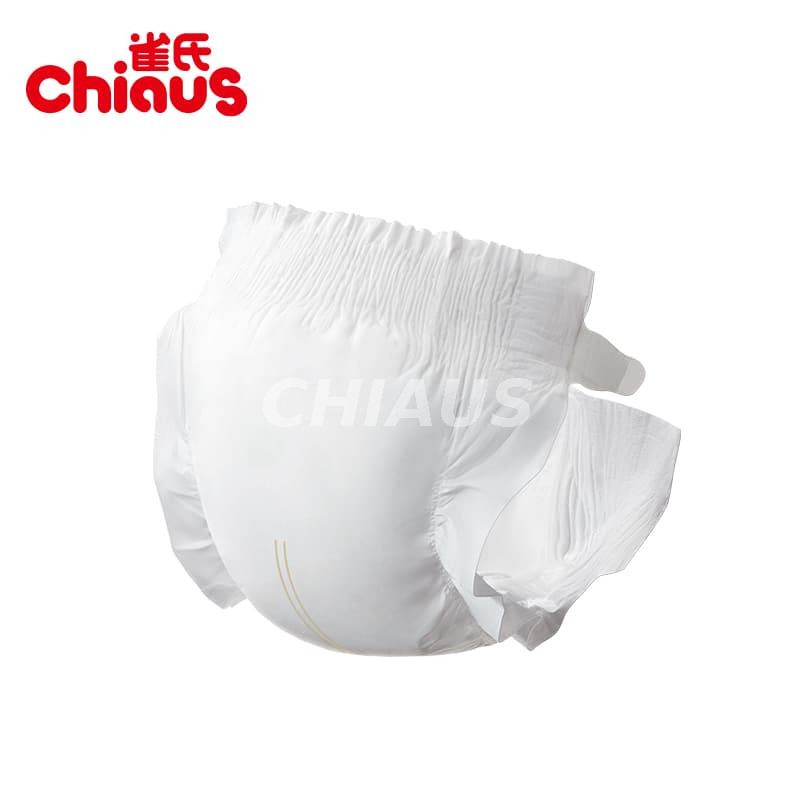
When it comes to handling meconium, choosing the right diaper is essential. Brands like Chiaus have developed high-quality diapers specifically designed to manage the unique properties of meconium.
These diapers offer features such as:
Enhanced Absorbency: They quickly absorb moisture, keeping your baby dry and comfortable.
Soft Materials: The gentle fabric helps prevent irritation on delicate newborn skin.
Leak Protection: Designed to minimize leaks, these diapers help contain the stickiness of meconium.
By opting for a reliable brand, you can ensure that diaper changes are less stressful and more effective, allowing you to focus on enjoying those precious early moments with your baby.
Understanding meconium and its characteristics can help you better care for your newborn. Keep in mind that this first stool is not just a messy diaper change; it’s a vital sign of your baby's health and development.
When Does Meconium Appear?
Understanding when meconium appears is crucial for new parents. Typically, you can expect to see your baby’s first poop within 24 to 48 hours after birth. This timeline is important as it serves as an indicator of your baby’s digestive health.
Typical Timeline for Meconium Passage
First 24 Hours: Most newborns will pass meconium within this period. If your baby does, it’s a good sign that their digestive system is functioning properly.
48 Hours: If meconium hasn’t been passed by this time, it could indicate potential issues, such as intestinal blockage or other conditions.
Here’s a quick overview of the typical timeline:
Time Frame | Expected Action |
Within 24 Hours | Meconium should be passed |
24 to 48 Hours | Monitor for passage; consult a doctor if not passed |
After 48 Hours | Potential concerns; medical evaluation recommended |
Factors Affecting Meconium Passage
Several factors can influence when and how meconium is passed. Understanding these can help you better monitor your baby's health:
Birth Method: Babies born via cesarean section may take longer to pass meconium compared to those delivered vaginally. This is often due to differences in stress levels during labor.
Maternal Health: Conditions such as diabetes or infections can affect how quickly meconium is passed. Maternal medications during labor can also play a role.
Gestational Age: Premature babies may take longer to pass meconium, as their digestive systems are still developing.
Signs That Indicate Meconium Has Been Passed
Recognizing the signs of meconium passage is essential for new parents. Here’s what to look for:
Color Change: After meconium is passed, you’ll notice a shift from dark green or black to a lighter yellowish or tan color. This change indicates that your baby is transitioning to regular stool.
Consistency: Meconium is sticky and tar-like. Once your baby starts passing regular stool, it will become softer and less sticky.
Diaper Changes: If you notice a change in the frequency of diaper changes, it may indicate that meconium has been passed. Regular feeding often leads to more frequent bowel movements.
By keeping an eye on these signs, you can ensure that your baby’s digestive system is on the right track. Remember, if you have any concerns about meconium passage or your baby's health, don’t hesitate to consult your pediatrician. They can provide guidance tailored to your situation, ensuring both you and your baby feel supported during this important time.
Why is Meconium Important?
Meconium plays a crucial role in assessing the health of newborns. It serves as a first indicator of how well your baby's digestive system is functioning. Understanding meconium can help parents and healthcare providers monitor overall health in those early days.
Role of Meconium in Assessing Newborn Health
Meconium provides valuable insights into a newborn’s well-being. Here’s how:
Initial Health Indicator: The presence and characteristics of meconium can signal how well the baby is adapting to life outside the womb.
Digestive Function: Passing meconium indicates that the digestive system is active and functioning as expected.
Potential Complications: Delayed passage can point to issues such as intestinal blockage or other gastrointestinal problems.
Indicators of a Healthy Digestive System
When evaluating meconium, certain characteristics indicate a healthy digestive system:
Timely Passage: Ideally, your baby should pass meconium within the first 24 to 48 hours after birth.
Color and Consistency: Healthy meconium is dark green or black and has a sticky, tar-like consistency.
Transition to Regular Stool: After passing meconium, you can expect a change to lighter, softer stool as your baby begins to feed.
Here’s a quick summary of what to look for:
Characteristic | Healthy Indicator |
Passage Time | Within 24 to 48 hours |
Color | Dark green or black |
Consistency | Sticky and tar-like |
Transition | Change to yellowish or tan stool after feeding |
What Healthcare Providers Look for in Meconium
Healthcare professionals monitor specific aspects of meconium to assess a newborn's health:
Volume: An adequate amount of meconium is expected. Insufficient volume may raise concerns.
Staining: Meconium-stained amniotic fluid can indicate potential complications during labor.
Signs of Aspiration: If meconium is present in the lungs, it can lead to meconium aspiration syndrome, which requires immediate attention.
By paying attention to these factors, healthcare providers can quickly identify any potential issues and take necessary steps to ensure the health and safety of your newborn.
Understanding meconium is more than just a parenting task; it’s a vital part of monitoring your baby’s early health. This first stool provides essential information that can guide you and your healthcare team in making informed decisions about your newborn's care.
Common Concerns About Meconium
As a new parent, it’s natural to have concerns about meconium and its implications for your baby’s health. Here, we’ll address some common worries related to meconium, including delayed passage, staining, and aspiration syndrome.
What if My Baby Doesn’t Pass Meconium?
If your baby doesn’t pass meconium within the first 48 hours, it can be a cause for concern. Here’s what you should know:
Potential Issues: Delayed passage may indicate underlying problems. Conditions like meconium ileus or intestinal blockage could be at play.
Meconium Ileus: This condition occurs when thick meconium obstructs the intestines. It’s often associated with cystic fibrosis and requires medical intervention.
Intestinal Blockage: If meconium is not passed, it can lead to a blockage, causing discomfort and potentially serious complications.
Here’s a quick overview of conditions associated with delayed meconium passage:
Condition | Description |
Meconium Ileus | Thick meconium causing intestinal obstruction |
Intestinal Blockage | Blockage leading to pain and potential surgery |
Meconium Staining
Meconium-stained amniotic fluid is another concern during labor. This occurs when meconium is released into the amniotic fluid before or during delivery.
Implications for Newborns: If the baby inhales meconium-stained fluid, it can lead to respiratory issues.
Potential Complications: Babies exposed to meconium-stained fluid may require additional monitoring and care after birth to ensure their lungs are clear and functioning properly.
Meconium Aspiration Syndrome (MAS)
Meconium aspiration syndrome (MAS) is a serious condition that can arise when a newborn inhales meconium into the lungs during delivery.
Definition and Causes: MAS occurs when meconium is present in the amniotic fluid and the baby inhales it during birth. This can happen if the baby is stressed or if there are complications during labor.
Symptoms to Watch For: Signs of MAS include difficulty breathing, a bluish tint to the skin, and rapid heart rate. If you notice these symptoms, seek medical attention immediately.
Treatment Options: Treatment may involve suctioning the airways, providing oxygen, or in severe cases, mechanical ventilation. Most babies recover well with prompt care.
Here’s a summary of MAS symptoms and treatment:
Symptoms | Treatment Options |
Difficulty breathing | Suctioning of airways |
Bluish skin | Oxygen therapy |
Rapid heart rate | Mechanical ventilation if severe |
By understanding these common concerns about meconium, you can be better prepared to address any issues that may arise. Always consult your healthcare provider if you have questions or concerns about your baby’s health. They can provide guidance tailored to your situation, ensuring you and your baby receive the best care possible.
How to Care for Your Baby During the Meconium Stage
Caring for your baby during the meconium stage can be a bit challenging, but with the right approach, it can be manageable. Here are some practical tips to help you through this important time.
Diapering Tips
Choosing the right diapers is essential when dealing with meconium. Here’s what to consider:
Choosing the Right Diapers: Look for diapers specifically designed for newborns. They should have high absorbency and be gentle on sensitive skin.
Recommended Diapering Frequency: Change your baby's diaper every 2 to 3 hours or as soon as you notice it’s soiled. This helps prevent diaper rash and keeps your baby comfortable.
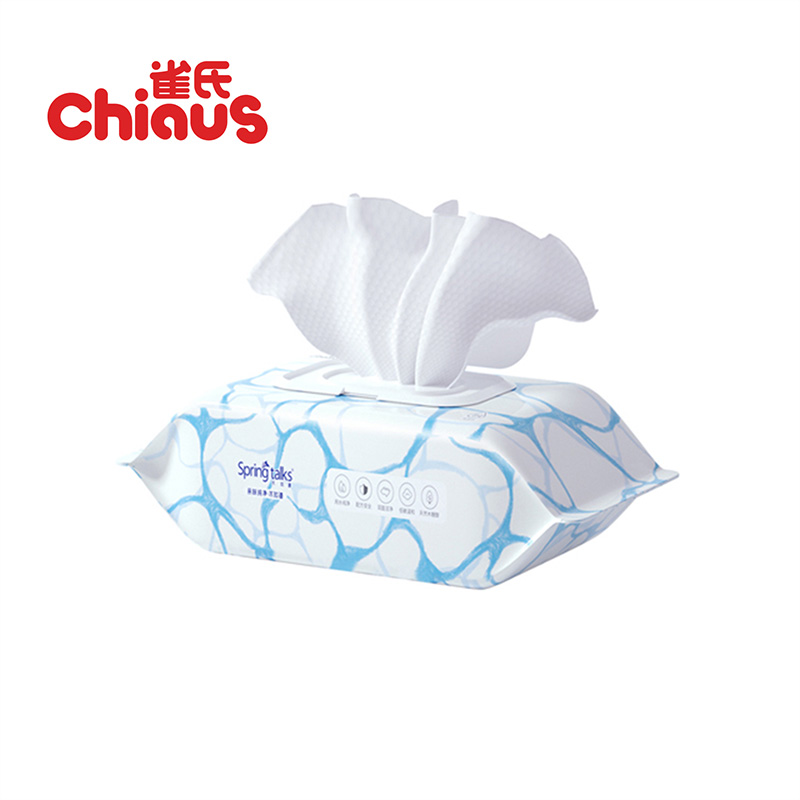
Techniques for Cleaning Meconium: When cleaning meconium, use warm water and soft wipes. Gently wipe the area without rubbing too hard to avoid irritation.
Here’s a quick overview of effective diapering practices:
Practice | Description |
Diaper Selection | Use high-absorbency, gentle newborn diapers |
Change Frequency | Every 2 to 3 hours or as needed |
Cleaning Technique | Warm water and soft wipes for gentle cleaning |
Brand Insight: Consider using Chiaus Cottony Soft Newborn Diapers. These diapers are an excellent choice for meconium care due to their ultra-soft material and anti-adhesive properties. They help keep your baby dry and comfortable while minimizing the risk of irritation.
Skin Care for Newborns
Gentle skin care is crucial during this stage. Here are some tips to ensure your baby's skin stays healthy:
Importance of Gentle Skin Care: Newborn skin is delicate, especially after passing meconium. Using harsh products can lead to irritation or rashes.
Recommended Products: After cleaning, apply a gentle baby skin care cream to soothe and protect the skin. Look for products that are hypoallergenic and free from fragrances.
Here’s a list of recommended skin care practices:
Recommended Product | Purpose |
Gentle Baby Cream | Soothes and protects sensitive skin |
Hypoallergenic Wipes | Reduces irritation during diaper changes |
Natural Oil | Provides moisture and helps prevent rashes |
By following these tips, you can effectively care for your baby during the meconium stage. Keeping your baby comfortable and their skin healthy is essential for their well-being. Remember, it’s all about being gentle and attentive to their needs during this sensitive time.
FAQ
Q: What does meconium smell like?
A: Meconium has a unique, tar-like smell that is different from regular baby stool.
Q: How long does meconium last in newborns?
A: Meconium typically lasts for the first few days after birth, transitioning to regular stool as the baby begins feeding.
Q: Is it normal for babies to pass meconium before birth?
A: Yes, it is normal for some babies to pass meconium while still in the womb, which can lead to meconium-stained amniotic fluid.
Q: What are the signs of meconium aspiration?
A: Signs include difficulty breathing, a bluish tint to the skin, and rapid heart rate in newborns.
Q: How can I tell if my baby’s stool is normal?
A: Normal stool should be yellowish or tan and softer after meconium, indicating healthy digestion.
Conclusion
Understanding meconium is essential for new parents. It serves as a key indicator of your baby's health.
Monitoring your newborn’s stool can help identify any potential issues early on.
For more information and support, consider consulting healthcare providers or trusted parenting resources.


