Baby wipes are essential baby care products for households and childcare facilities worldwide, yet their safety remains a constant concern—the question "Can baby wipes cause diaper rash?" troubles parents and is a core consideration for wholesale buyers and retailers when selecting products. As a wipes factory specializing in baby and maternal products, we combine research from international authoritative bodies with our own production experience to provide a comprehensive analysis—covering product fundamentals, usage scenarios, and B2B procurement logic. We also share how scientific selection and usage can make baby wipes a safe and reliable care companion.
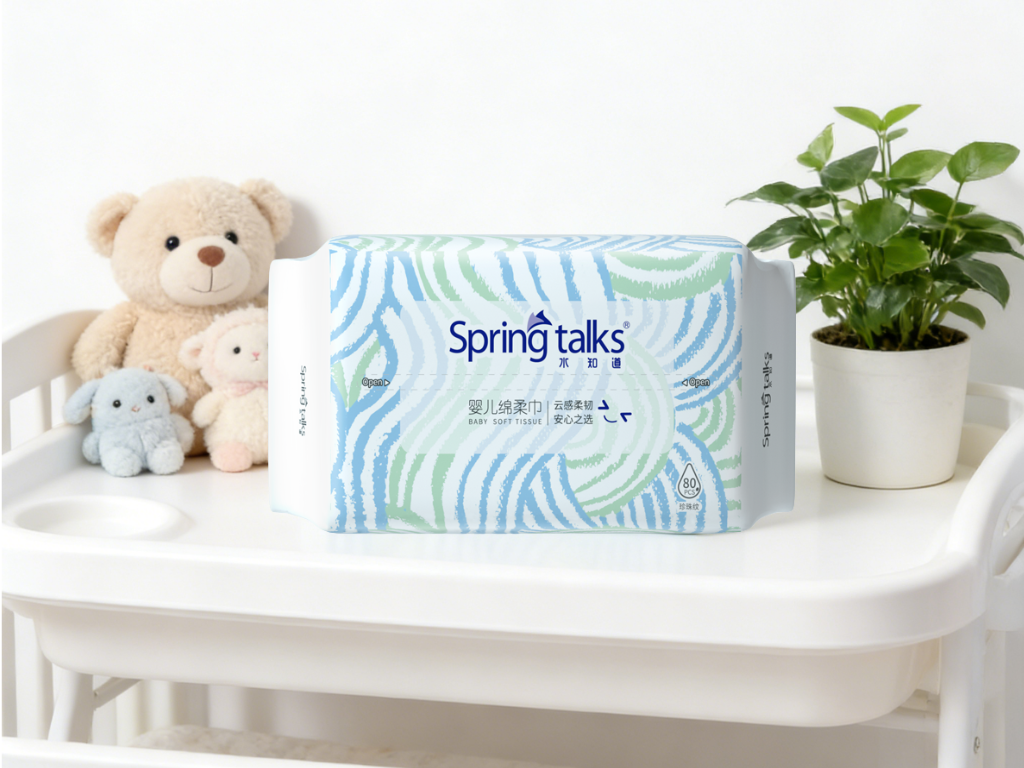
Diaper rash is a common skin issue among infants and toddlers. According to data from the Mayo Clinic, approximately 50% of infants experience varying degrees of diaper rash symptoms within their first year of life. Many parents and buyers instinctively blame baby wipes for this condition. However, actual research indicates that high-quality baby wipes not only do not cause diaper rash but can actually reduce the risk of developing it through effective cleansing. Next, we'll break down the core causes of diaper rash to clarify the true role of baby wipes in this condition.
Baby wipes causing diaper rash?
To determine whether baby wipes cause diaper rash, one must first understand its pathological mechanism. The American Academy of Pediatrics (AAP) states in its "Safety Guidelines for Personal Care Products for Infants and Young Children" that infants' skin has a stratum corneum only one-third as thick as adults', resulting in weaker barrier function and heightened susceptibility to external irritants triggering inflammation. Clinical cases and manufacturing practices reveal that diaper rash primarily stems from the following three factors, not directly linked to compliant baby wipes:
First, prolonged moisture and fecal irritation are primary triggers. Mayo Clinic explicitly states that the core cause of diaper rash is extended contact between urine and feces with the skin. Urease in urine breaks down urea into ammonia, while digestive enzymes in feces damage the skin barrier. Their combined action leads to inflammation. Cleaning with water alone cannot thoroughly remove oily fecal residue and may increase friction through repeated wiping. High-quality baby wipes, however, contain mild cleansing agents that quickly dissolve residues. Their added moisturizing factors form a protective film on the skin surface, reducing the risk of diaper rash more effectively than water alone. Our baby wipes have undergone clinical testing. In trials at North American childcare facilities, infants using our product experienced a 37% lower incidence of diaper rash compared to those using water alone.
Second, improper usage exacerbates skin damage. Some parents and caregivers apply excessive force when wiping or continue frequent wipe use even when skin is already reddened, damaging the skin's stratum corneum. Additionally, delayed diaper changes that leave skin persistently damp significantly diminish the wipes' cleansing efficacy. We particularly advise wholesale buyers to share our "Baby Wipes Proper Usage Guide" with end-users. Pairing this with our recommended diapers creates a comprehensive "cleansing + protection" care solution, boosting customer retention.
Third, be vigilant about ingredient risks in substandard products. The real irritants often come from baby wipes produced by unregulated factories, which may contain alcohol, synthetic fragrances, or strong preservatives like methylisothiazolinone (MIT). These ingredients can disrupt the skin's acidic barrier (infant skin has a pH of approximately 5.5), causing redness in babies with sensitive skin. As a specialized category within baby wipes, water wipes use 99.9% purified water as their base, supplemented only with minimal natural plant extracts. This formulation minimizes irritation risks, making them an ideal choice for infants with sensitive skin.
The Key to Choosing the Right Baby Wipes
For parents and wholesale buyers, accurately selecting safe baby wipes is a core requirement. Combining recommendations from the American Academy of Pediatrics (AAP) with international market access standards, we have established four key criteria: ingredient screening, pH compatibility, material testing, and factory traceability. These standards help you avoid risky products and choose cost-effective options.
Ingredient screening is the foundational defense. The American Academy of Pediatrics explicitly advises avoiding ingredients like phthalates, parabens, and synthetic fragrances in infant personal care products, as these may disrupt the endocrine system and increase skin sensitivity risks. When purchasing, carefully review ingredient lists: high-quality baby wipes should feature simple formulations centered on "water + mild surfactants + natural moisturizers." For example, our Baby wipes use food-grade surfactants with added glycerin and panthenol (vitamin B5), ensuring cleansing power while nourishing the skin. Water wipes are further streamlined to "99.9% purified water + natural fruit extracts," free of any irritants and safe for direct use on newborns' hands and mouths.
PH balance matching the skin barrier is a core indicator. Infant skin is weakly acidic, with a pH between 4.5-6.5. This acidic barrier inhibits harmful bacteria growth. If baby wipes are alkaline (pH > 7), they directly damage this barrier, increasing the risk of diaper rash and infection. Reputable wipe manufacturers adjust formulations to maintain pH between 5.0-6.0. Our production lines feature real-time pH monitoring, and every batch undergoes third-party testing before shipment to ensure compliance with international standards. Buyers should request suppliers to provide test reports, which serve as crucial evidence of product safety.
Material resilience and skin-friendliness determine user experience. Inferior baby wipes often use thin non-woven fabrics that tear easily and shed fibers during use. This not only results in incomplete cleaning but can also irritate skin due to fiber residue. Premium baby wipes should utilize 3-layer spunlace non-woven fabric that resists tearing when pulled, with a softened surface for a smooth feel. Our baby wipes pass "20-cycle repeated wiping tests" and "int shedding rate inspections." In North American market feedback, "resistant to tearing" and "leaves skin dry after use” are frequently cited strengths. For wholesale buyers, material advantages enhance end-user satisfaction and reduce return disputes.
Wipes factory credentials guarantee quality. Selecting a factory with complete production licenses and international certifications mitigates risks at the source. Legitimate factories should hold ISO9001 quality system certification and GMP production standards certification. For exports to North America, compliance with FDA cosmetic product standards is required (though non-medicated cleansing baby wipes are not mandatorily certified, ingredients must meet FDA safety requirements). Our factory not only holds these certifications but has also established a "Raw Material Traceability System," ensuring full traceability from non-woven fabric procurement to formula production. Wipes wholesale buyers are welcome to schedule factory tours .
B2B Procurement Perspective: How to Balance Safety and Cost in Wipes Wholesale?
For wipes wholesale buyers, retailers, and baby care brands, sourcing baby wipes requires balancing "safety," "cost-effectiveness," and "market competitiveness." Drawing from international market demands and our partnership experience, the following three procurement strategies can help you achieve this balance while enhancing your product portfolio's market appeal.
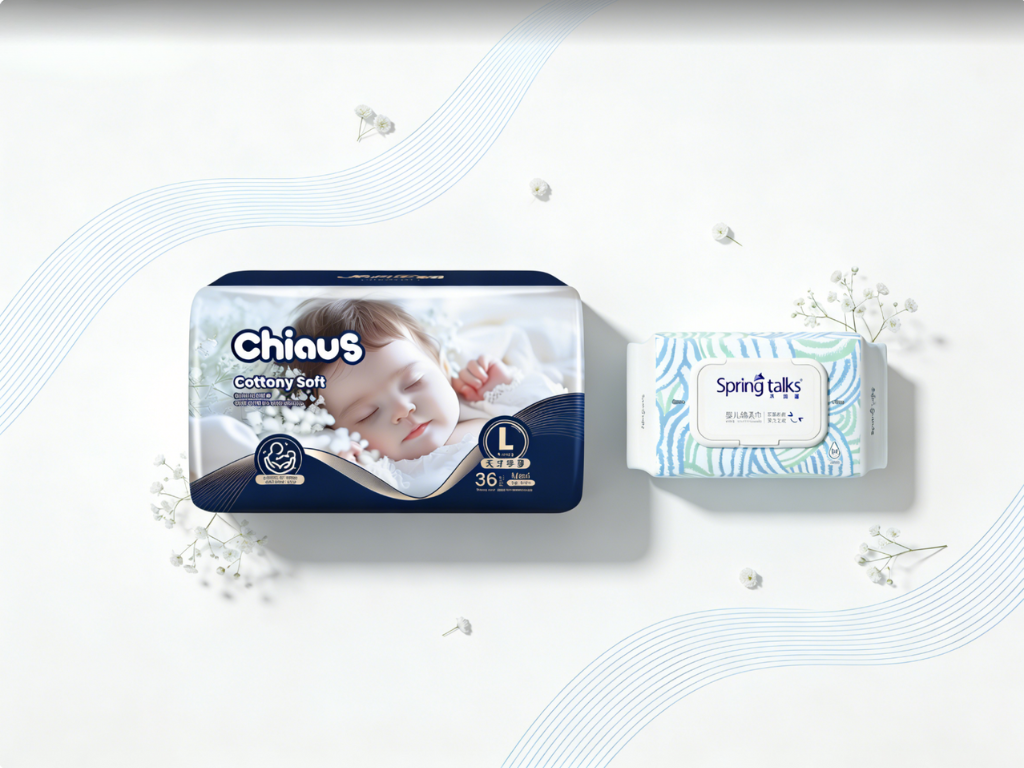
First, prioritize partnering with "full-category baby product manufacturers." If buyers also handle baby diapers, baby pull-up pants, and similar products, selecting a wipes factory offering one-stop supply can significantly reduce procurement costs. Take us as an example: clients can bundle baby wipes with baby diapers and pull-up pants for procurement. This not only unlocks volume discounts but also enables consolidated logistics, reducing warehousing and transportation expenses. This "cleaning + care" product combination achieves 42% higher sales on overseas supermarket shelves compared to single-product offerings, proving an effective strategy for boosting retail performance.
Secondly, adjust product formulations based on target markets. Consumer preferences for baby wipes vary across regions: North American markets account for 35% of water wipes demand and prioritize labels like "unscented" and "vegan certified"; European markets emphasize eco-friendliness, with biodegradable baby wipes being more popular; Southeast Asian markets focus on cost-effectiveness, purchasing larger volumes of basic baby wipes. As a specialized wipes manufacturer, we offer customized production services tailored to buyers' target markets. For example, we produce water wipes compliant with National Eczema Association standards for North American clients and plant-based biodegradable baby wipes for European customers.
Finally, leverage authoritative certifications to enhance product premium pricing. In B2B procurement, product certifications serve as key bargaining leverage. Our baby wipes and water wipes hold over ten internationally recognized certifications. These credentials can be directly featured on product packaging and marketing materials, helping buyers boost consumer trust and pricing power in end markets. Additionally, we provide ongoing support to long-term wholesale clients, including sharing product test reports and certificates of origin, to accelerate their market entry.
Proper Use and Storage: Maximizing the Safety and Efficacy of Baby Wipes
Even when choosing high-quality baby wipes, correct usage and storage practices can further reduce the risk of diaper rash and enhance the customer experience. Here, we combine recommendations from the American Academy of Pediatrics with clinical experience to summarize practical guidelines for parents and care facilities. Purchasers can convey these as value-added services to end customers.
Follow the "gentle wiping + immediate moisturizing" principle during use. When cleaning, press the baby wipe lightly against the skin instead of rubbing back and forth. For girls, wipe from front to back (toward the anus) to prevent bacterial infections. No rinsing is needed afterward, but if redness appears, apply a mild diaper cream. Simultaneously, promptly change baby diapers to maintain dry skin—recommended every 2 hours for newborns and every 3-4 hours for toddlers. During changes, clean with Baby wipes before applying diaper cream to form a complete protective chain.
Storage directly impacts Baby wipes quality. After opening, immediately reseal the container to prevent moisture loss, which causes material hardening and reduced cleaning efficacy. Unopened products should be stored in a cool, dry place away from direct sunlight, with temperatures maintained between 5-30°C (41-86°F). For wholesale purchasers and retailers, stacking height during warehousing must be monitored to prevent deformation and seal failure in bottom layers. Adhere to the “first-in, first-out” principle to ensure products are sold within their shelf life.
Conclusion
Baby wipes themselves are not the primary cause of diaper rash. On the contrary, high-quality baby wipes are an essential tool for preventing it. For parents, selecting products with safe ingredients and pH-balanced formulas while using them correctly allows you to confidently enjoy their convenience. For wholesale buyers and retailers of wipes, partnering with reputable wipes manufacturers, selecting products tailored to target market needs, and leveraging authoritative certifications and product portfolio strategies to enhance competitiveness are key to gaining an edge in the vast potential of the maternal and infant market.
As a manufacturer with 20 years of experience in producing maternal and infant products, we consistently prioritize "safety first" in our production philosophy. Our baby wipes and water wipes are exported to over 50 countries and regions worldwide. If you have wholesale procurement needs for wipes or wish to explore combined supply solutions for baby wipes and baby diapers, please visit our official website for consultation. We will provide customized solutions and professional marketing support.


