Introduction
Have you ever found yourself out with your baby, only to realize you've forgotten something important? A well-packed diaper bag can save you from that stress. It's not just for diapers—it's your on-the-go nursery.
In this post, we'll go over the must-have essentials for your diaper bag. You'll learn what to pack, how to stay organized, and be ready for any situation.
Must-Have Diaper Bag Essentials
Caring Supplies for Your Baby
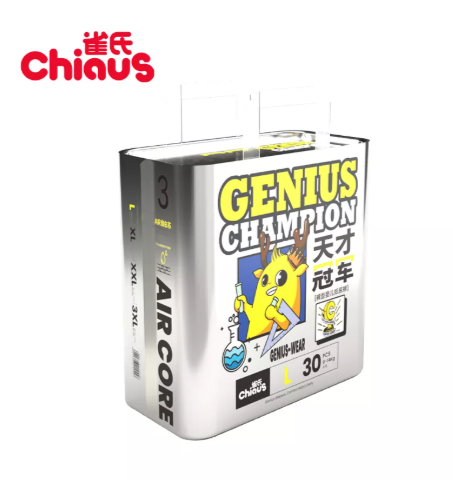
Diapers
Packing enough diapers for each outing is a no-brainer, but knowing how many to pack and what size to choose requires a bit more thought. The general rule of thumb is to pack 1-2 diapers per hour you plan to be out, plus a couple of extras for unexpected delays or extended trips.
Choosing the right size of diapers is just as important. Diapers that are too small will cause leaks, while ones that are too big might not stay in place properly, potentially leading to discomfort. If your baby is between sizes, opt for a size that fits snugly but still leaves room for movement. Newborns typically benefit from soft, breathable options that help prevent diaper rash, which can be more common during the early months.
Tip: Keep track of your baby's growth and check the size recommendations on diaper packaging regularly. As babies grow quickly, it's essential to ensure the size matches their current stage, avoiding leaks and discomfort.
Wipes
Wipes are indispensable in any diaper bag. Not only are they crucial for diaper changes, but they are also perfect for cleaning your baby's hands, face, and even your own hands after a feeding. Travel-size packs of wipes are particularly useful, as they save space and help keep everything organized while on the go.Wipes can serve as an all-purpose cleaning tool, from wiping up food messes to cleaning baby toys. Choosing wipes that are alcohol-free and gentle on the skin can prevent irritation, especially for babies with sensitive skin or skin conditions.
Diaper Rash Cream
Keeping diaper rash cream in your diaper bag is essential for preventing and soothing diaper rashes, which are common due to babies' sensitive skin. Diaper rash can be avoided with the right care, and having the cream on hand ensures you’re prepared to protect your baby from irritation.Choose a cream with soothing ingredients like zinc oxide or petrolatum, which form a protective barrier to guard against moisture and irritation. For longer outings, pack a travel-size tube to apply it during diaper changes as needed, especially after each change to help prevent diaper rash from developing.
Changing Pad
A changing pad is essential for hygienic diaper changes when you're on the go. Many diaper bags come with built-in changing pads, but if not, always have a portable one in your bag for convenience. Consider using disposable pads for added convenience, especially when you’re out in public, or opt for a reusable pad that can be cleaned after each use. Either option provides a clean surface for diaper changes, ensuring your baby’s skin remains protected from germs, dirt, and any potentially unsanitary surfaces.
Feeding Supplies for Your Baby
Bottles and Formula
If you're bottle-feeding, having bottles and formula in your diaper bag is a must. You can pre-measure bottles of formula or expressed breast milk before you head out to make feeding on the go more convenient. If you're using breast milk, store it in a cooler bag to maintain the temperature until it's time to feed your baby.For formula-fed babies, bringing along a formula dispenser can make feeding times more efficient and reduce the risk of spillage or mess.
Snacks and Food for Toddlers
When your baby reaches the toddler stage, packing snacks is essential. Healthy, easy-to-eat snacks like fruit pouches, crackers, and cheese sticks are perfect for keeping your little one satisfied between meals. For babies who are eating solids, make sure to pack enough snacks for the entire outing to keep them energized and happy.
Nursing Pads and Cover
For breastfeeding moms, a nursing pad and a nursing cover are vital items for your diaper bag. Nursing pads prevent any breast milk leakage between feedings, keeping your clothes dry and comfortable. They also help with absorbing any excess milk. Depending on your needs, you can choose from disposable or reusable nursing pads, each offering comfort and protection throughout the day.
Pacifiers and Teething Toys
Pacifiers and teething toys are perfect for keeping your baby calm and entertained when you're out and about. Pacifiers can provide comfort, especially during stressful situations like long car rides, crowded waiting rooms, or if your baby is teething. They help soothe your baby by mimicking the comfort of breastfeeding, offering relief during moments of discomfort.
Extra Clothes for Baby
Always pack extra clothes for your baby to be prepared for any messes or accidents. Babies can have diaper blowouts, spill food, or get cold quickly, so it’s important to bring at least one full change of clothes. This should include socks, a hat, and a sweater or jacket, depending on the weather. It's best to choose outfits that are easy to put on and take off, making diaper changes smoother when you're on the go.
Tip: Roll the clothes to save space and store them in a resealable plastic bag to keep them clean. This also ensures you can quickly find a change of clothes when needed.
Burp Cloths or Washcloths
Burp cloths are essential, especially for newborns who tend to spit up after feedings. These cloths can also be used to wipe your baby's face after feeding, clean up any messes, or catch small spills. Having a few extra burp cloths on hand ensures you can easily deal with spit-up and food-related messes, keeping both you and your baby clean and dry.
Additional Diaper Bag Extras
Hand Sanitizer
When you're on the go, hand sanitizer is a must-have. Babies are particularly vulnerable to germs, so keeping your hands clean before and after feeding, changing diapers, or handling baby items is crucial. A gentle hand sanitizer that is alcohol-free will keep your hands clean without causing irritation or dryness, making it safe for both you and your baby.
Sunscreen and Hats
Protect your baby's sensitive skin from the sun by packing sunscreen and a hat. Babies have delicate skin that is more prone to sunburn, so it's essential to apply sunscreen designed specifically for babies. Look for products that are hypoallergenic, fragrance-free, and SPF 30 or higher to provide adequate protection against harmful UV rays.
Emergency Info and Health Records
Keep a small emergency information card in your diaper bag with important details such as your baby's allergies, pediatrician contact information, and any other critical health information. Having these details on hand can be essential in case of any medical emergencies, especially when you're away from home.
| Item | Description |
| Diapers | Enough for the time spent outside (1-2 per hour) |
| Wipes | For cleaning baby and hands |
| Diaper Rash Cream | To soothe skin and prevent diaper rashes |
| Changing Pad | A hygienic surface for diaper changes |
| Bottles and Formula | For feeding if bottle-fed |
| Snacks and Baby Food | Age-appropriate snacks for toddlers |
| Extra Clothes | In case of spills or accidents |
| Pacifiers & Teething Toys | To soothe and entertain your baby |
Packing Tips for Efficient Diaper Bag Organization
Use Smaller Bags or Pouches
To avoid a cluttered diaper bag, use smaller bags or pouches to organize different categories of items. By grouping your baby's feeding supplies, diapers, clothing, and hygiene items into separate pouches, you’ll ensure you can quickly grab what you need without rummaging through the entire bag. This organization strategy helps keep your diaper bag neat and efficient, allowing for faster access to specific items when necessary.
Pre-portion Formula and Baby Food
To make feeding easier, pre-portion formula and baby food before leaving the house. This will save you time during outings, reduce the chance of spills, and help keep your diaper bag organized. If your baby is bottle-fed, prepare the water in bottles and add the formula when needed. For babies eating solid foods, pack small containers with pre-portioned meals, snacks, or baby food pouches.
Tip: Keep formula containers and water bottles pre-measured in separate sections of your diaper bag for easy access, making the feeding process quick and hassle-free.
Keep Everything Waterproof
A waterproof bag is essential for storing soiled diapers, clothes, or any items that get wet during outings. This ensures that wet items won’t ruin the rest of your diaper bag contents, keeping everything else clean and dry. Waterproof bags are especially helpful when you need to store wet clothing after a diaper blowout or a rainy outing.
Conclusion
Packing your diaper bag doesn’t have to be overwhelming. By keeping these essentials on hand, you'll be prepared for whatever the day throws your way. From diapers and wipes to nursing covers and snacks, the right items ensure that your baby is comfortable, safe, and well-cared for while you’re out and about.
Chiaus offers high-quality products to make your outings easier. Their range of baby essentials and diaper bags ensure your baby’s needs are met with convenience and reliability.
FAQ
Q: What are the essential items to pack in a diaper bag?
A: The essential items include diapers, wipes, diaper rash cream, a changing pad, bottles, and snacks for toddlers.
Q: How many diapers should I pack for a short outing?
A: A good rule of thumb is to pack 1-2 diapers per hour you plan to be out, plus a couple of extras for emergencies.
Q: Why is it important to pack diapers of the correct size?
A: Choosing the right diaper size prevents leaks and ensures your baby stays comfortable during outings.
Q: Can I carry both disposable and reusable diapers in the diaper bag?
A: Yes, it's fine to carry both types. Disposable diapers are convenient for quick changes, while reusable ones are eco-friendly.
Q: How can I keep snacks fresh in my diaper bag?
A: Store snacks in resealable bags or containers to prevent spills and maintain freshness.


