
Demographic shifts are quietly reshaping the global consumer market landscape. Europe is undergoing significant demographic changes, with an aging society becoming an undeniable reality. As the proportion of elderly populations continues to rise, demand for specialized healthcare products is growing rapidly.
Among these, the incontinence product market demonstrates immense potential, becoming a vital component of healthcare and daily living support.
This trend not only reflects evolving societal needs but also presents new opportunities for related industries.
Current State of Aging in Europe
As of the start of 2024, the European Union had an estimated population of 449.3 million. The demographic breakdown showed that 14.6% were children (0-14 years), and the working-age cohort (15-64 years) constituted 63.8% of the total,as the article showed.
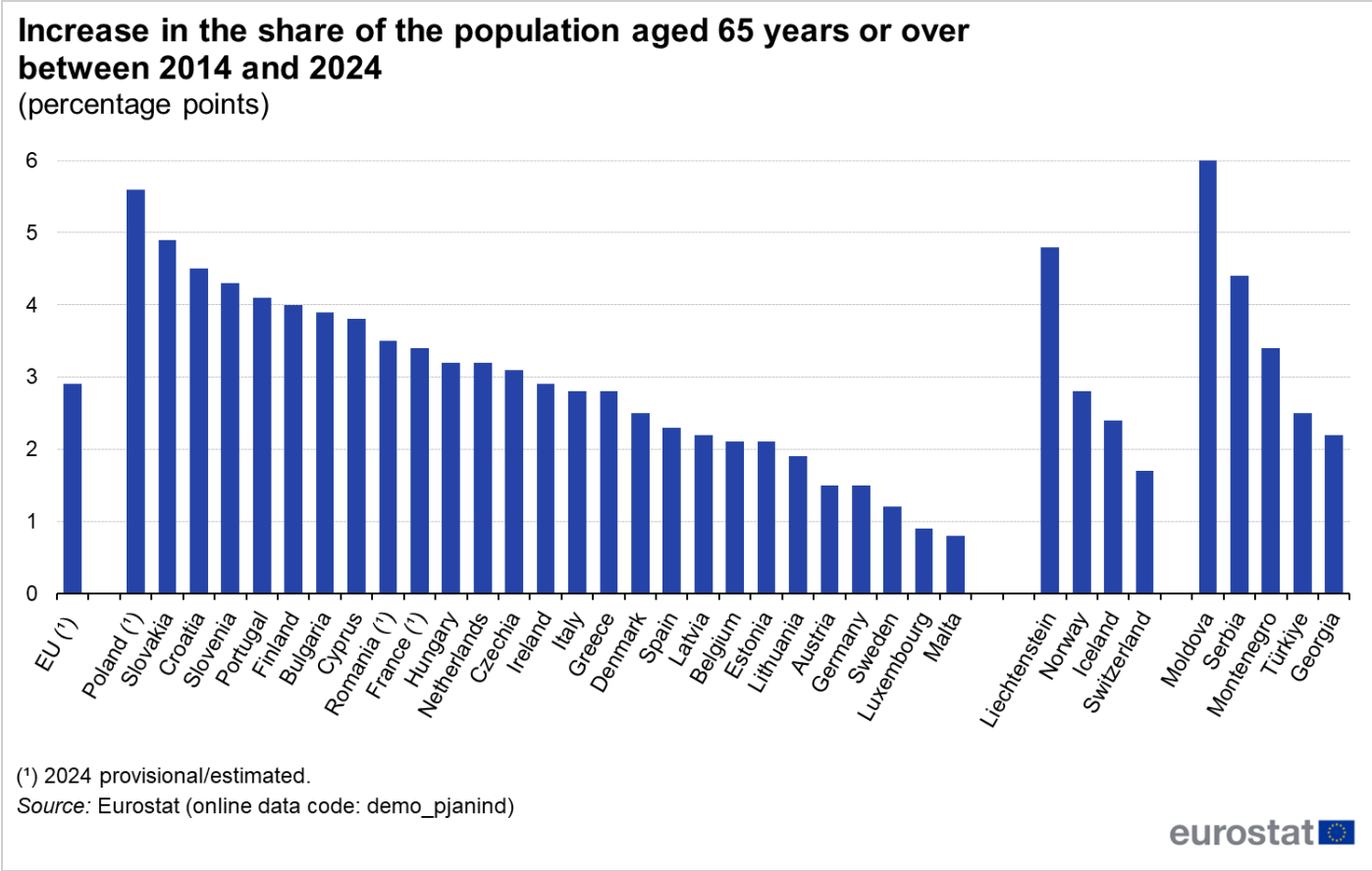
This demographic shift is reshaping consumer markets, driving steady growth in demand for incontinence products.
The aging trend is widespread across European nations, particularly pronounced in countries like Italy, Germany, Portugal, and Finland, where the proportion of residents aged 65 and above has already surpassed 22%.
Population aging not only challenges healthcare systems but also fuels rapid growth in senior care-related markets, including incontinence products.
rend not only reflects evolving societal needs but also presents new opportunities for related industries.
Incontinence Product Marketing Analysis
The global incontinence product market is experiencing significant growth. According to QYR (Hengzhou Bozhihui) statistics, global incontinence product sales reached $14.59 billion in 2024 and are projected to reach $26.8 billion by 2031, with a compound annual growth rate (CAGR) of 9.2% (2025-2031).
Europe is the world's largest incontinence product market, accounting for approximately 25% of the market share. Simultaneously, Europe serves as a crucial production and consumption hub for incontinence products, holding a pivotal position in the global market.
This growth trajectory is primarily driven by two factors: firstly, the demand growth for global incontinence care products has surpassed that of infant diapers; secondly, North America and Europe are two major production regions for incontinence products, each holding a significant market share in 2024.
Regarding market competition, major global incontinence product manufacturers include Kimberly-Clark, SCA, Unicharm, Procter & Gamble, and First Quality Enterprises. The top five manufacturers collectively hold over 70% of the market share.
This market concentration reflects the industry's technological and brand barriers.
Aging Population and Incontinence Product Demand
There exists a direct correlation between population aging and demand for incontinence products. As individuals age, bodily functions gradually decline, making health issues like urinary incontinence more prevalent.
Incontinence products have become essential for many seniors to maintain their quality of life and dignity.
Data indicates that purchasers of incontinence care products include not only individual consumers but also an increasing number of elderly care institutions such as nursing homes. As societal aging intensifies, the number and scale of such institutions are projected to continue expanding, further driving market demand for incontinence products.
Compared to the infant diaper market, the adult diaper market exhibits stronger growth momentum. This trend is particularly pronounced in developed economies like Europe and the United States, where demographic shifts have become the primary driver of incontinence product market expansion.
Product Innovation and Shifting Consumer Demands
To meet diverse user needs, the incontinence product category continues to expand and innovate. Current market offerings primarily include incontinence diapers, care pads, and cleansing wipes.
The design and functionality of incontinence diapers undergo continuous refinement, emphasizing breathability, comfort, and leak protection. Many products also feature discreet designs to minimize embarrassment during use, better addressing users' psychological needs.
In recent years, adult diapers have made significant strides in absorption technology, material comfort, and discreet wearability. Some premium products even integrate smart technology to monitor and alert users when it's time for a change, significantly enhancing the user experience.
Manufacturers are also increasingly prioritizing environmental sustainability by developing biodegradable materials and reusable incontinence products, aligning with the global trend toward sustainable development.
Market Opportunities and Challenges
While the European incontinence product market holds significant potential, it also faces several complex challenges that require strategic navigation. The industry is characterized by fierce price competition, particularly in the mass-market segment, where retailers' private labels increasingly compete with established brands. Simultaneously, European consumers demonstrate exceptionally high expectations for product quality - demanding not just reliable leakage protection but also superior breathability, skin-health attributes, and discreet designs. These expectations are matched by increasingly stringent compliance standards at both EU and national levels, particularly concerning product safety, environmental claims, and chemical regulations like REACH, creating a complex regulatory landscape that companies must carefully navigate.
However, these challenges are counterbalanced by equally prominent opportunities stemming from evolving market dynamics. Growing awareness of incontinence issues is evidenced by increasing public discourse and educational initiatives across European healthcare systems. This is accompanied by a gradual diminishing of societal taboos surrounding the condition, encouraging more open discussions and earlier adoption of management solutions. As a result, an increasing number of consumers are proactively seeking professional solutions rather than relying on temporary fixes, demonstrating greater willingness to invest in premium products that genuinely address their needs.
The continuous expansion of e-commerce has fundamentally transformed market access for incontinence product manufacturers. Online sales channels for incontinence diapers and related products offer unprecedented convenience and privacy protection - two factors particularly valued by consumers managing this condition. This channel has proven especially popular among tech-savvy older demographics who appreciate discreet home delivery, while also attracting younger consumers who value the ability to easily compare products and access detailed information before purchasing.
Technological innovation represents a particularly powerful growth driver in this competitive landscape. Manufacturers who prioritize R&D to develop next-generation incontinence products with enhanced absorbency through advanced SAP technologies, superior comfort via improved materials and ergonomic designs, and meaningful environmental sustainability through biodegradable components and reduced carbon footprints are increasingly capturing market share. These innovations are becoming key differentiators that allow brands to transcend price-based competition and build lasting consumer loyalty in the evolving European incontinence product marketplace.
Strategic Recommendations and Future Outlook
For incontinence product manufacturers and distributors, seizing opportunities in the European market requires a multifaceted strategic approach.
Gaining deep insights into the specific needs of elderly consumers is crucial, including their lifestyle habits, physical characteristics, and psychological concerns.
Developing products tailored to local demands across different European markets is key to success. For instance, consumers in Northern European countries may prioritize eco-friendly features, while Southern European consumers might focus more on comfort and breathability.
Establishing diversified distribution channels is also vital, encompassing traditional retail, specialized medical channels, and e-commerce platforms. Building long-term partnerships with B2B clients such as nursing homes and home care service providers ensures stable business growth.
Looking ahead, the incontinence product market will continue expanding as Europe's aging population deepens. Products will become more specialized, personalized, and intelligent to better meet diverse user needs.
For incontinence product manufacturers, the European market presents both challenges and immense business opportunities. As the aging trend persists, demand for high-quality, comfortable incontinence diapers and adult diapers will only increase.
Companies that can proactively understand the needs of elderly consumers and develop products that genuinely address user pain points will secure a leading position in this silver economy wave.


