With the global maternal and infant care market continuing to grow, an increasing number of brands are turning their attention to the custom diapers segment. Compared to traditional private-label models, customized products not only enhance brand differentiation but also strengthen market competitiveness.
For overseas importers, wholesalers, or emerging brands, selecting the right OEM diaper manufacturer is the crucial first step toward successfully building a brand. At the same time, private-label diapers are becoming an important tool for retailers to expand their profit margins.
This article will systematically analyze how to build your own diaper brand through custom diapers, from the perspectives of the international market and the manufacturing sector.
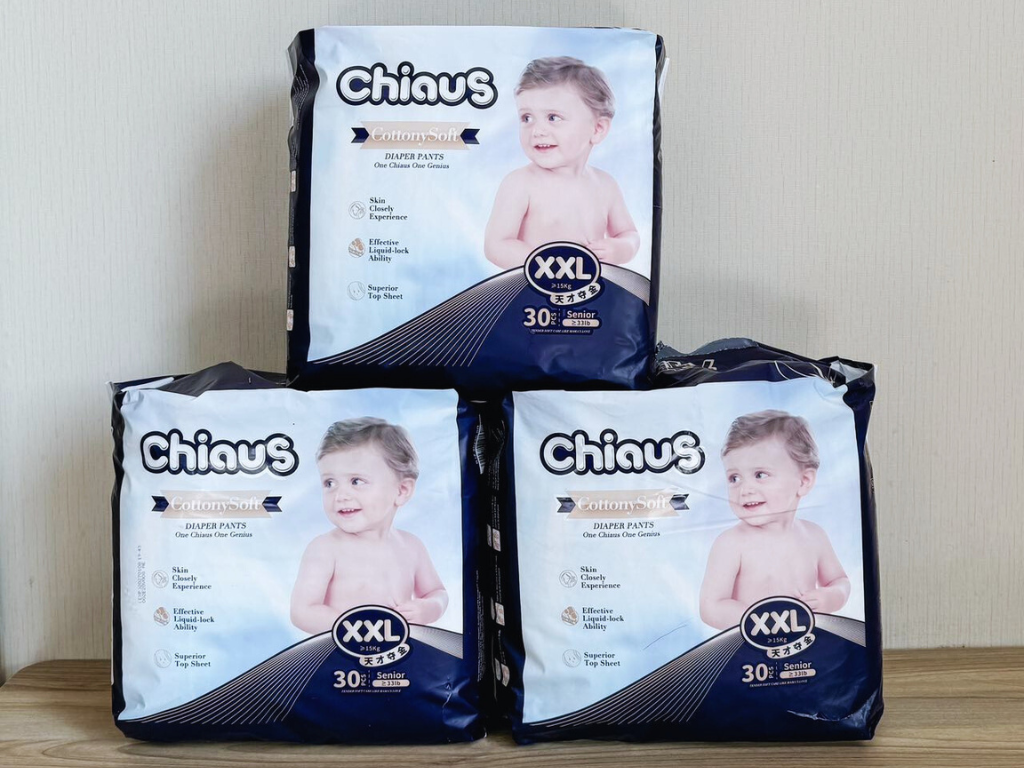
I. Global Market Trends: Why Demand for Custom Diapers Is Growing
1. Consumers Are Increasingly Focused on Product Performance and Safety
When selecting baby care products, modern parents’ primary concerns have shifted from basic functionality to three key dimensions: safety, health, and comfort. This is reflected in the following:
Parents place great importance on a product’s absorption speed, capacity, and moisture-locking ability. They expect products to absorb quickly, effectively prevent leakage, and maintain dryness for extended periods, thereby reducing skin discomfort caused by moisture and enhancing the daily care experience and efficiency.
Babies have delicate and sensitive skin, so parents pay special attention to the softness, breathability, and skin-friendliness of the materials used. Gentleness, hypoallergenicity, and the absence of skin friction have become key purchasing criteria and are essential components of a brand’s reputation.
Presence of Harmful Chemicals:
Modern parents place great importance on ingredient safety, rejecting potential irritants such as fluorescent agents, formaldehyde, heavy metals, and harmful fragrances. They seek safe products with transparent ingredient lists and no unnecessary additives to mitigate health risks at the source.
To meet this consumer trend, infant and children's products (such as diapers) must comply with strict international safety and quality standards:
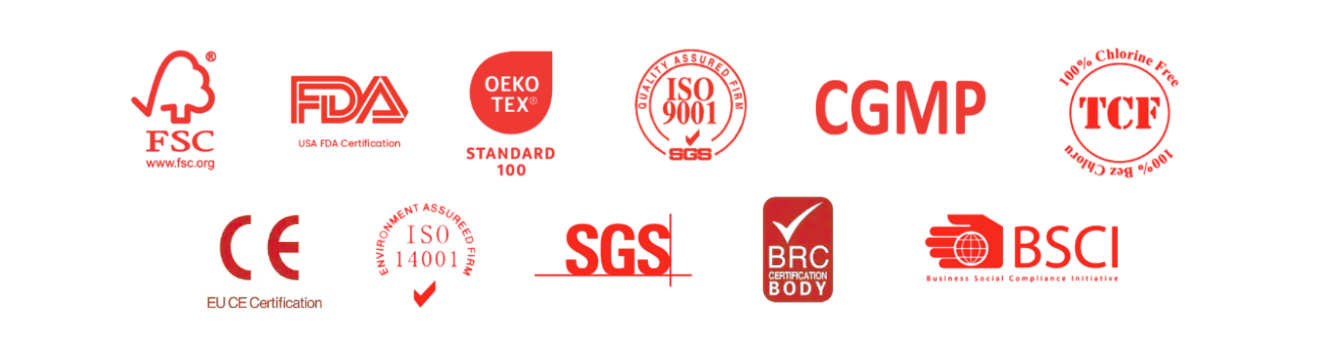
Products must pass international authoritative certifications, such as the EU CE Mark, and meet EU market access requirements in terms of health, safety, and environmental protection, thereby providing reliable assurance to buyers and end consumers.
An increasing number of professional brands are incorporating guidelines from the World Health Organization (WHO) and leading global industry safety standards into their R&D and production processes. They implement end-to-end control across the entire supply chain—from raw materials and formulations to production processes—to ensure product safety, reliability, and traceability.
For example, according to the World Health Organization (WHO), safe sanitation and hygiene are fundamental to human health. This highlights the importance of maintaining skin dryness and hygiene in diaper usage.
Products that meet international standards not only enhance end-consumer trust but also help buyers mitigate market risks and strengthen channel competitiveness, thereby fostering long-term, stable cross-border trade partnerships.
2. Growing Demand for Customization
Traditional, one-size-fits-all infant and child care products are no longer sufficient to meet the diverse needs of the market, and customization is emerging as a key trend in the industry.
When making purchasing decisions, modern retailers and end-consumer households increasingly prefer specialized, targeted, and versatile products tailored to specific scenarios. This is primarily reflected in:
Different Absorption Levels:
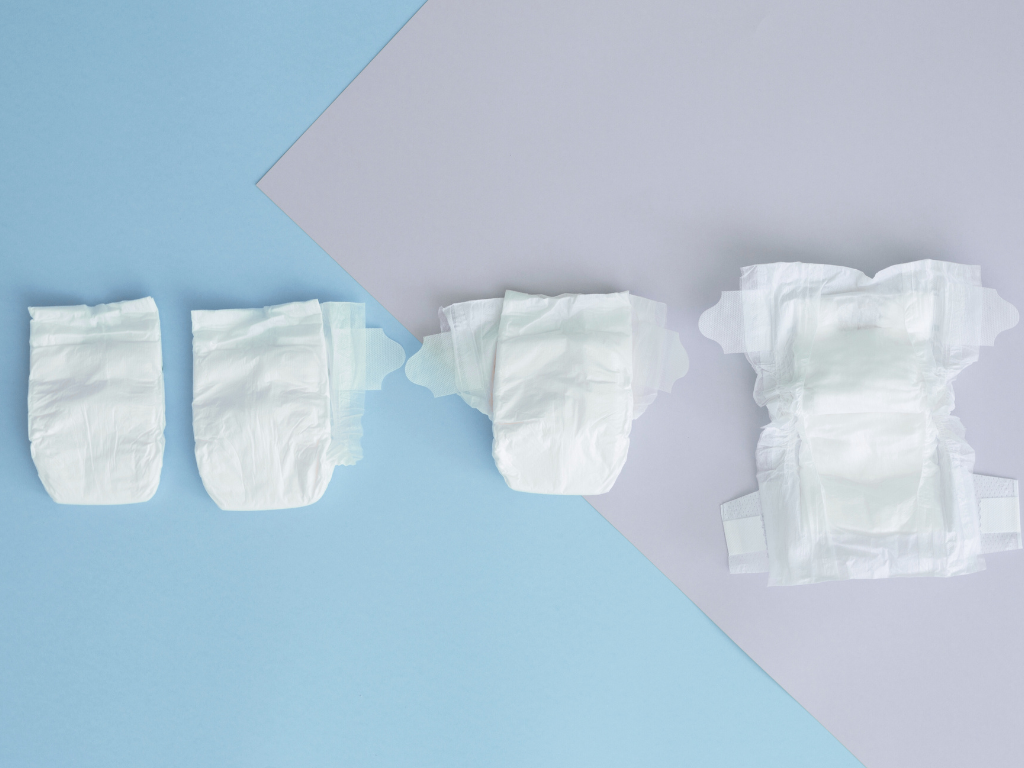
Categorized by scenarios such as daily use, nighttime sleep, on-the-go convenience, and special care, products range from lightweight and quick-absorbing to long-lasting and high-absorbency, meeting diverse needs throughout the day.
Different Structural Designs:
Optimized for waist and leg circumference, leak protection, breathability, and application methods to enhance fit, comfort, and leak prevention.
Tailored to different age groups:
By considering the body shape, activity levels, and urine output of newborns, infants, and toddlers at various developmental stages, we offer more form-fitting and scientifically designed segmented products.
These scenario-based, refined, and personalized consumer preferences have directly driven the sustained growth in demand for custom diapers, and have become a key direction for cross-border buyers to enhance product competitiveness and capture niche markets.
3. Private-label diapers have become the mainstream business model
Traditional agency and distribution models have gradually evolved, and private-label diapers are now the mainstream choice for global retailers, e-commerce platforms, and cross-border brands, reshaping the industry's supply chain landscape.
An increasing number of overseas distributors and brands are choosing to develop private-label diapers, primarily for the following reasons:
Building proprietary brand assets:
Breaking free from reliance on third-party brands to establish their own brand image and consumer recognition, thereby creating long-term, stable brand barriers.
Deep control over the supply chain:
Achieving end-to-end control from raw materials, production, and quality to delivery schedules, enhancing supply stability and product control ability, and better aligning with market demand and compliance standards.
Significantly increasing profit margins:
By eliminating intermediary steps such as brand licensing and distributor markups, private label products achieve higher gross margins at comparable price points, resulting in a healthier and more sustainable profit structure.
Compared to traditional agency-branded products, private label diapers offer greater long-term commercial value: They not only generate higher profits but also help distributors build customer loyalty and establish brand reputation. This provides stronger pricing power and risk resilience in the face of intense market competition, making it the core model for achieving long-term growth in the cross-border maternal and infant products sector.
II. Core Competitive Advantages of Custom Diapers: Product and Technical Strengths
The key to building a successful brand lies in the product itself. High-quality custom diapers typically feature the following key technical elements:
1. Absorbent Core Technology (SAP Core)
The performance of a high-quality diaper hinges on its absorbent core:
SAP basis weight and brand;
Core absorption speed and diffusion capacity;
Moisture-locking performance (backflow control);
2. Leak-Proofing and Structural Design
High-quality OEM diapers typically feature:
Double-layer leak-proof barriers;
3D contoured structure;
Wider absorption zones;
These design elements directly impact nighttime performance and user experience.
3. Breathability and Skin-Friendliness
Since diapers come into prolonged contact with a baby’s skin, they must meet the following requirements:
Stable pH levels;
Gentle materials;
Highly breathable bottom film.
According to industry standards, diaper materials must undergo biocompatibility testing to ensure safety during prolonged skin contact.
Truly competitive manufacturers can offer:
Size customization (tailored to the needs of different national markets);
Absorbency level customization (customizable day and night options);
Packaging design customization (adapted to different countries’ languages, styles, etc.);
This is also the greatest advantage of custom diaper brands over standard products.

III. How to Choose a Reliable OEM Diaper Manufacturer
Selecting the right partner is the most critical step in building a brand.
1. Production Capacity and Automation Level
High-quality factories typically feature:
• Multiple fully automated production lines;
• Stable production capacity;
• Consistent batch quality and strict quality control processes;
Automated production not only improves efficiency but also reduces human error.
2. Certifications and Compliance Capabilities
International markets have very strict certification requirements, and compliance standards vary by country:
For example, CE (EU market), FDA (U.S. market), FSC (Vietnam market), and ISO 9001 (Quality Management System), among others;
These certifications not only signify compliance but also directly impact customs clearance and sales.
For example:
• The CE mark indicates that the product meets EU safety and environmental requirements;
• The FDA requires products to comply with safety and labeling regulations;
3. Raw Materials and Quality Control
Reliable raw material suppliers:
• Provide raw material test reports;
• Utilize SGS/Intertek testing;
• Control hazardous substances (e.g., formaldehyde, heavy metals)
4. Transparency and Communication Skills
Based on industry experience, a lack of transparency is one of the greatest risks. Issues such as failing to provide test reports, vague material descriptions, or an inability to explain production processes can all lead to quality problems.
IV. From OEM to Brand: The Complete Path for Custom Diapers
Building a brand involves more than just manufacturing products; it encompasses the entire business process.
1. Product Positioning
You need to clarify:
• Price ranges for products with different configurations;
• Target market (aligned with product characteristics);
• Product selling points (absorbency/eco-friendliness/softness);
2. Product Development
The general product development process:
The manufacturer sends you samples of similar products you need / You send competitor products to the manufacturer;
The manufacturer studies and disassembles the products;
Determines product specifications and creates prototypes;
Conducts prototype performance testing;
Designs packaging;
Finalizes packaging through color matching and sample approval;
Mass production.
3. Mass Production and Quality Management
Key Focus Areas:
Delivery schedule reliability;
• Batch consistency;
• Random inspection mechanisms.
4. Market Entry and Brand Promotion
Through the following channels:
Amazon / e-commerce platforms; local distributors, supermarkets; medical/maternity and infant channels.
V. Why Custom Diapers Are the Future Trend
Overall, the growth of custom diapers is no coincidence; it is driven by the following factors:
• Upgrading of consumer demand;
• Intensifying brand competition;
• Maturity of the supply chain.
Compared to standard products, private label diapers and OEM diapers are better suited for:
• New brands
• Wholesalers
• E-commerce brands
Conclusion
Building a successful diaper brand relies not only on market opportunities but also on the product itself and manufacturing capabilities.
By selecting a reliable OEM diaper partner and combining it with a differentiated custom diaper product strategy, you can establish a long-term competitive advantage in the highly competitive maternal and infant market.
If you are looking for stable manufacturing support, learn more about our product solutions.
FAQ
1. What are custom diapers?
A:These are diaper products customized to meet brand requirements, including structure, absorbency, and packaging.
2. What is the difference between private label diapers and OEM diapers?
A:Private label focuses more on branding, while OEM focuses more on manufacturing services.
3. How can you determine if an OEM manufacturer is reliable?
A:Focus on certifications, production capacity, and quality control systems.


