In today's increasingly mature global supply chain, more and more brands are choosing to manufacture and source through overseas suppliers. Particularly in the disposable hygiene products industry, many new brands or importers encounter a core question when seeking partners:
Should they choose an OEM manufacturer or a trading company?
Both supply models are prevalent in global trade, yet they exhibit distinct differences in product customization, cost structures, quality control, and long-term brand development. For enterprises planning to develop their own brands or execute large-scale procurement, understanding the distinctions between OEM manufacturers and trading companies enables more informed supply chain decisions.
This article provides a detailed analysis covering production capabilities, cost structures, product customization potential, and long-term partnership value.
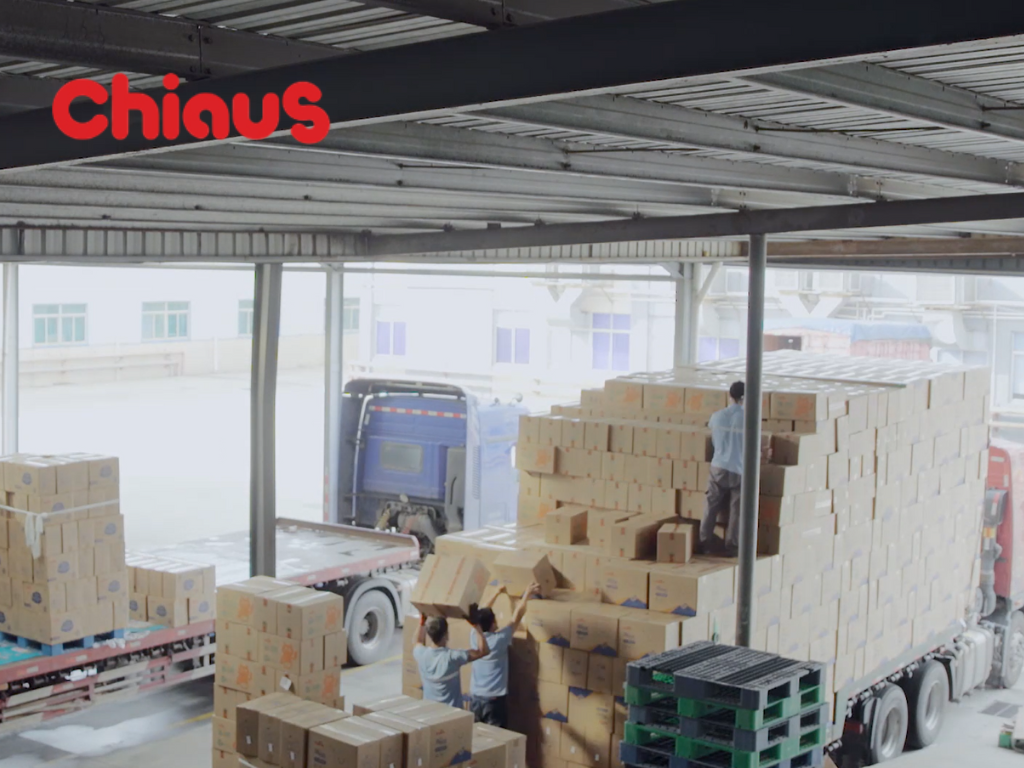
I. What is an OEM Manufacturer?
An OEM manufacturer refers to a manufacturer with genuine production capabilities that can design, produce, and customize products according to customer requirements.
In the disposable hygiene products industry, such as diaper manufacturers or adult diaper manufacturers, OEM factories typically possess the following capabilities:
Complete production line equipment;
Raw material procurement systems;
Product R&D and quality control teams;
OEM/private label customization services;
Stable large-scale production capacity;
For buyers seeking to establish their own brands, partnering with an OEM manufacturer enables direct sourcing from the source factory.
For instance, in OEM diaper manufacturing, clients typically customize:
Absorbent core structure (SAP ratio, channel layer design);
Surface materials (breathable non-woven fabric, cotton-soft layers, etc.);
Size specifications;
Packaging design;
Brand logo and market positioning.
Since the production process is entirely controlled by the factory, brands can better ensure product consistency and long-term supply reliability.
For companies planning to develop private label diapers or establish their own brands, partnering with an OEM manufacturer often represents a more sustainable business model.
II. What is a trading company?
A trading company, also known as a trading firm or intermediary, primarily connects buyers with manufacturers while typically lacking production capabilities itself.
Across many industries, trading companies serve as supply chain coordinators, such as:
Helping overseas buyers identify suitable factories;
Integrating diverse product supplies;
Facilitating order management and logistics arrangements.
For businesses with limited procurement experience, trading companies can offer certain conveniences, such as:
Lowering communication barriers;
Assisting in sourcing multiple suppliers;
Handling small-batch orders.
However, since trading companies do not directly manufacture products, limitations may arise in the following areas:
Limited product customization capabilities. Mmany trading companies can only offer existing products rather than deep OEM customization.
Prices are typically higher than direct factory sourcing. As trading companies need to incorporate profit margins.
Lower production process transparency.Brands often lack direct insight into manufacturing workflows or quality control systems.
While trading companies can serve a purpose in certain straightforward procurement scenarios, this model generally lacks significant advantages for businesses pursuing long-term brand development.
III.How Can Buyers Tell If a Supplier Is a Real Manufacturer or Just a Trading Company?
In the disposable hygiene industry, both manufacturers and trading companies operate in the market. However, for OEM diaper projects or private label diaper production, working directly with a manufacturer usually provides better control over quality, customization, and cost.
Here are several practical ways buyers can evaluate a supplier:
1. Check Production Capabilities
A real diaper manufacturer should clearly present production information such as factory size, production lines, and monthly capacity.
2. Ask About OEM Customization Details
Manufacturers usually understand technical specifications such as absorbent core structure, SAP ratio, backsheet materials, and fit system design.
3. Request Factory Certifications
Legitimate manufacturers typically hold certifications such as ISO, CE, FDA registration, or SGS audits, which indicate compliance with international quality standards.Many professional diaper manufacturers operate under ISO quality management systems to ensure consistent product quality and safety.
4. Ask for Factory Videos or Virtual Tours
Manufacturers can normally provide production line videos, warehouse tours, or live video calls from the factory floor.
5. Evaluate Technical Communication
When discussing topics like absorption performance, leakage protection, or material selection, manufacturers tend to provide more detailed and technical answers.
While trading companies can also provide useful sourcing services, brands seeking long-term OEM diaper manufacturing partnerships often prefer working directly with factories to ensure stability, customization flexibility, and pricing transparency.
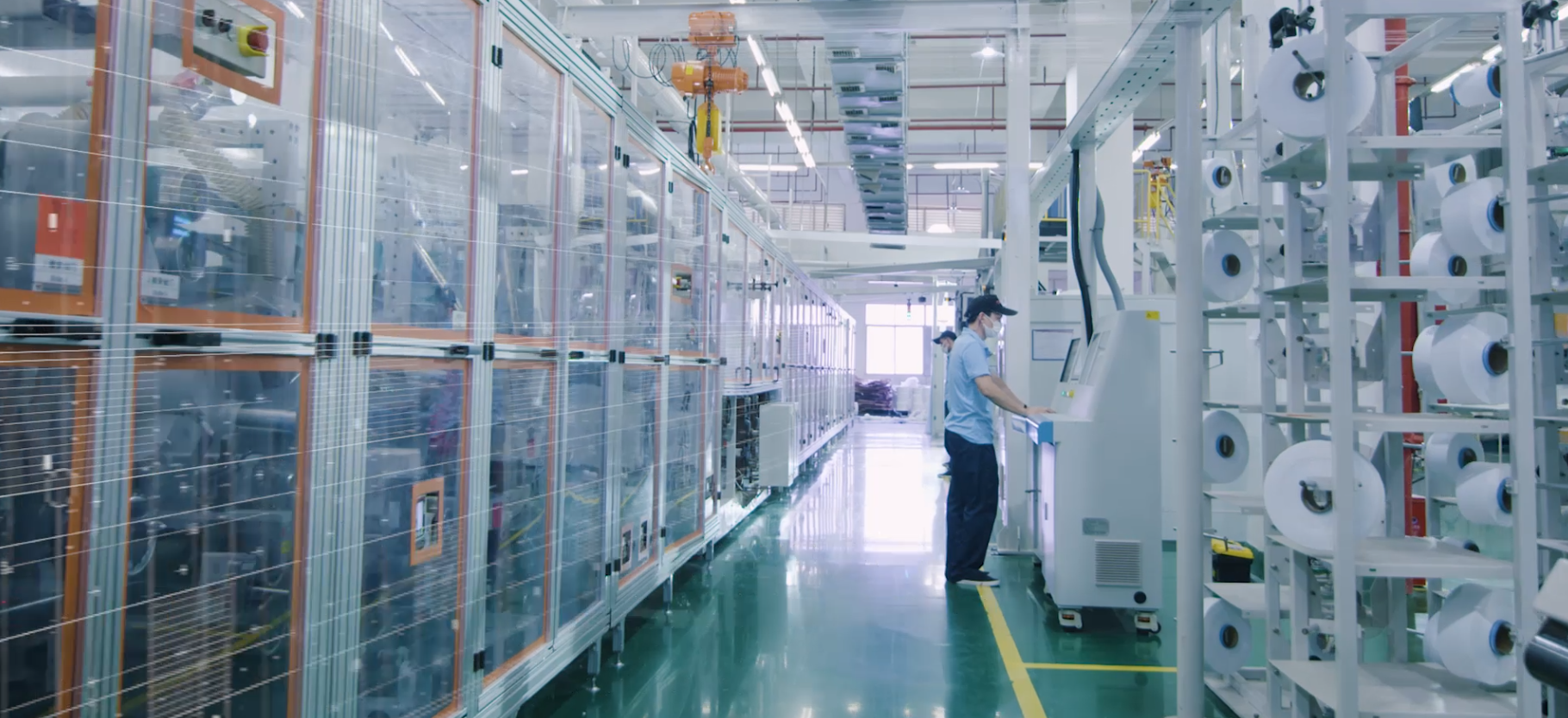
IV. Why Do Brands Prefer OEM Manufacturers for Procurement?
With the growth of the global private label market, an increasing number of brands prioritize partnering with OEM manufacturers when establishing supply chains.
The primary reasons include the following:
First is the long-term cost advantage.
As order volumes gradually increase, direct collaboration with factories significantly reduces procurement costs while minimizing supply chain intermediaries.
Second is product differentiation capability.
In the fiercely competitive baby care and personal care markets, brands often need to establish differentiation through product performance, material composition, or packaging design. Custom production through OEM diaper manufacturers helps brands create more competitive products.
Third is supply stability.
Consistent production capacity is vital for international brands. Established OEM manufacturers typically possess robust production planning systems and raw material supply chains, ensuring uninterrupted delivery.
Finally, it offers room for brand growth.
As brands expand, the OEM partnership model facilitates product upgrades, line extensions, and differentiated market strategies more effectively.
Consequently, within the disposable hygiene products industry, an increasing number of international brands are establishing long-term collaborations with specialized diaper manufacturers.
Conclusion
In the global procurement landscape, OEM manufacturers and trading companies occupy distinct business positions.
For simple procurement or small-batch orders, trading companies may offer certain conveniences. However, for enterprises seeking to build brands, control product quality, and expand markets long-term, direct collaboration with OEM manufacturers often proves more advantageous.
By partnering with experienced OEM diaper manufacturers, brands can secure stable product supply while achieving customization, cost optimization, and supply chain transparency.
With the continuous growth of the private label market, an increasing number of companies are leveraging the OEM model to build their brand competitiveness.
In most cases, working directly with an OEM manufacturer is more cost-effective because it removes the additional margin added by trading companies.
Some trading companies may offer OEM services, but they usually outsource production to factories and may have limited control over customization and quality.
Brands often prefer OEM manufacturers because they provide better control over product design, production quality, and long-term supply stability.


