Against the backdrop of rapid growth in the global infant care products industry, procuring high-quality OEM diaper samples is crucial for international buyers. Whether you specialize in OEM diaper customization or wholesale diaper operations, proper sample testing directly impacts the success of subsequent orders and risk management. This article provides an in-depth analysis from perspectives including international market demands, quality standards, specific testing protocols, and supplier selection criteria, equipping overseas buyers with the most practical sample testing strategies.
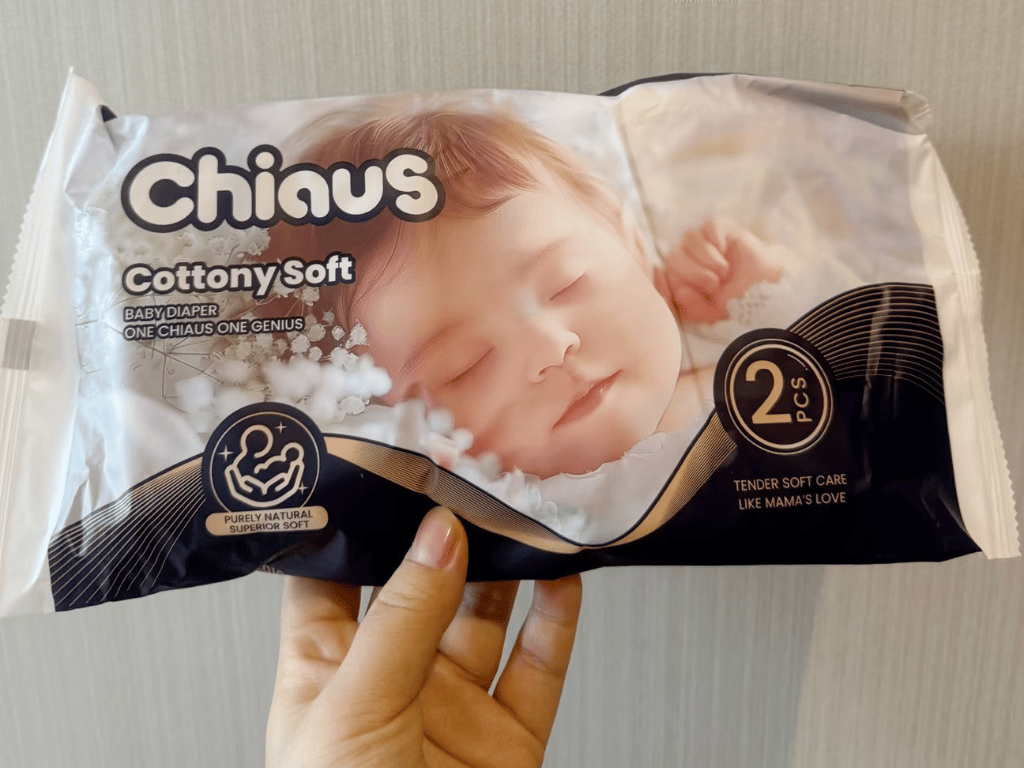
Global Market Demand Trends for OEM Diapers
Over the past decade, global demand for infant diapers has shown consistent growth. With stable birth rates and the expansion of online retail channels, markets in Europe, America, Southeast Asia, and the Middle East exhibit particularly strong demand for high-standard childcare products. Chinese diaper manufacturers are also continuously upgrading their production capabilities to meet the standards and regulations of diverse markets.
From an international trade perspective, professional buyers engaging in diaper wholesale increasingly prioritize product quality, safety, and supply chain stability alongside pricing. Therefore, thoroughly testing OEM diaper samples before procurement is the first step toward successful collaboration.
Why OEM Diaper Samples Must Be Tested
Ensuring Compliance with International Quality and Safety Standards
In developed markets like Europe and the US, baby products are subject to stringent regulations. International third-party testing agencies and industry guidelines provide a standardized framework for diaper performance testing , covering key parameters such as absorbency, leak protection, and fit.
Additionally, many countries or regions have relevant standards. For example, India's BIS standard IS 17509:2021 specifies technical requirements for infant diapers, including safety, absorbency, and microbial limits.
This means that when international buyers source OEM diapers or conduct diaper wholesale operations, they must not only consider suppliers' production capacity but also ensure samples can pass quality testing in target markets.
Reducing Procurement Risks
Placing large wholesale diaper orders directly carries significant risks. If samples fail to accurately reflect mass production quality, it may lead to returns, logistics delays, and damage to brand reputation. By rigorously testing OEM diaper samples, buyers can proactively identify potential performance issues such as substandard absorbency, leakage, or skin-irritating materials.
This is particularly critical for exports to Europe, the United States, or other regions with stringent safety requirements. For instance, the EWG highlights potential risks from chemicals in everyday products for sensitive individuals, emphasizing the need to prioritize material safety during product selection.
Detailed Explanation of Core Sample Testing Items
When verifying the quality of OEM diaper samples, the following test items are critical. Comprehensive and well-designed testing enables you to accurately assess whether a supplier meets long-term collaboration standards.
Absorption Capacity Test
Absorption performance is a core metric for evaluating diaper quality. High absorbency not only enhances user experience but also reduces leakage risks. Testing includes indicators such as absorption speed, total absorption capacity, and rewet value under pressure. Common international absorption testing methods reference EDANA/INDA standards or equivalent systems like ISO 11948.
Accurate measurement of absorbency helps buyers assess how different OEM diaper samples perform in real-world use, enabling selection of products suited to target market consumer needs.
Material Safety Testing
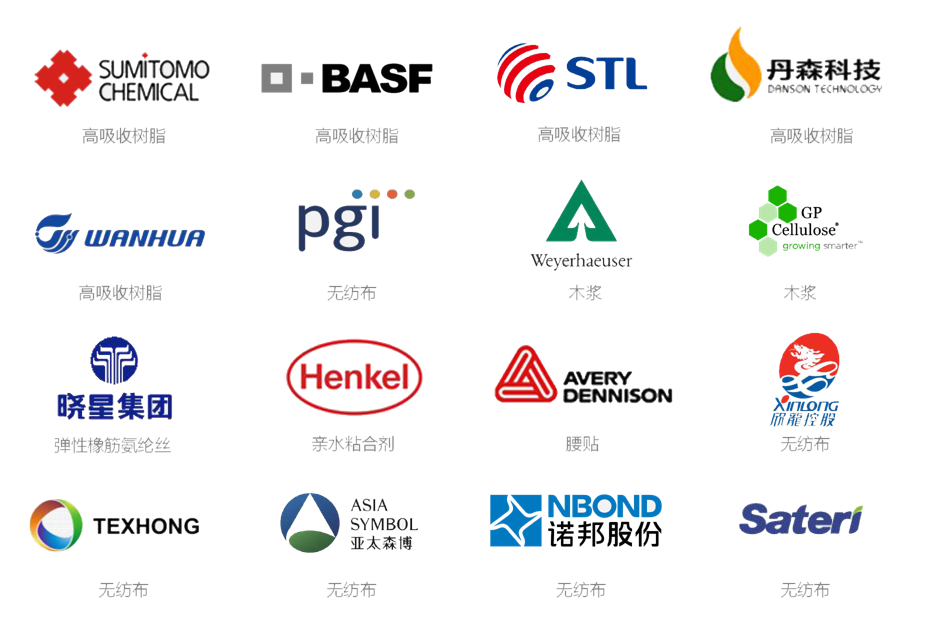
Key diaper components include the top non-woven layer, absorbent core, back layer, leak guards, and fasteners. Materials must be safe for infant skin, free from irritants and harmful chemicals. Common tests include pH level assessment, heavy metal detection, and migration testing for hazardous substances.
International third-party testing laboratories such as SGS and Intertek offer relevant performance and chemical safety testing services. These test reports serve as compelling evidence of supplier capability and compliance during diaper wholesale transactions.
Microbial and Hygiene Testing
High-quality diapers must meet stringent hygiene standards to prevent infection risks. These tests primarily assess indicators like total bacterial count and pathogenic bacteria (e.g., E. coli, Staphylococcus aureus). Both materials and finished products must undergo microbial limit testing to ensure safety.
This testing is particularly critical for infant care products, especially when exporting to markets with stringent hygiene regulations, ensuring samples comply with local legal requirements.

Structural and Functional Testing
Beyond basic absorbency and safety, OEM diaper samples must also excel in structural design and wear experience. For example:
Effectiveness of side leak protection design
Comfort level of waist and leg elasticity
Secure yet easy-to-use fasteners
Accuracy of product sizing and cut
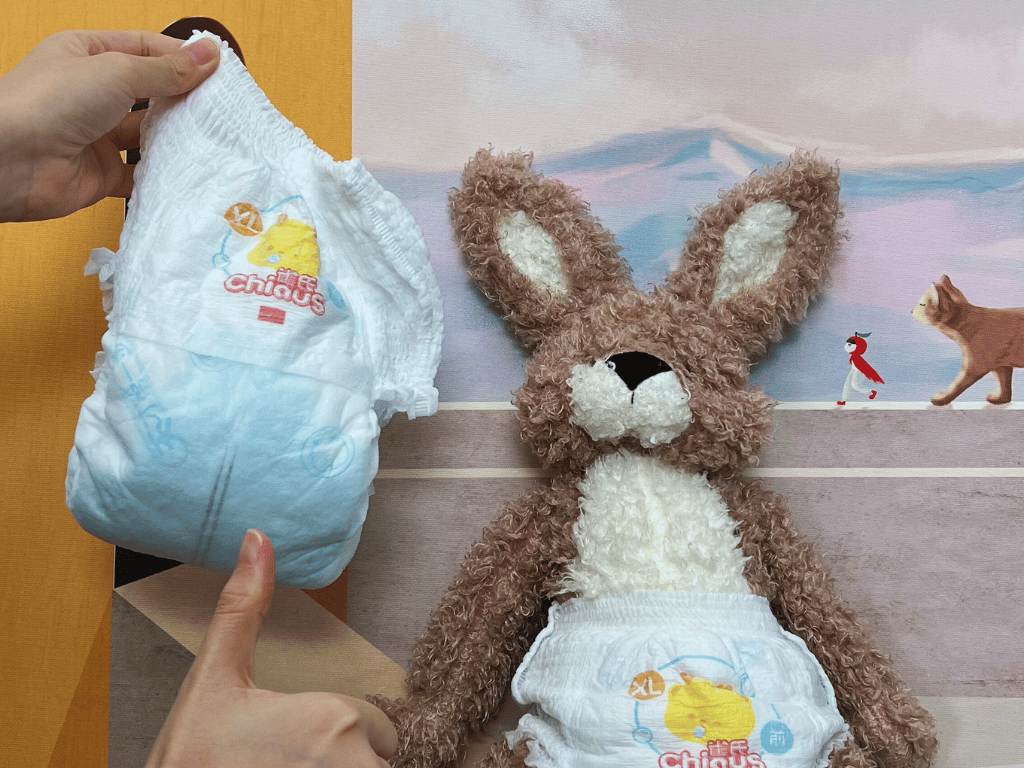
These functional tests help identify performance variations in real-world scenarios and are an indispensable part of evaluating OEM diaper samples.
Selecting the Right Supplier: From Samples to Bulk Orders
Evaluating Production Capacity and Quality Control Systems
Before engaging in diapers wholesale, a supplier's factory capabilities and quality management systems are critical. Premium manufacturers typically maintain robust quality control processes, including raw material inspections, online production monitoring, and finished product inspection procedures.
Additionally, request existing certifications (e.g., ISO 9001 quality system certification) or third-party inspection reports to further validate production capacity.
Sample Communication and Confirmation Process
When discussing sample requirements with suppliers, clearly define testing standards, acceptance criteria, and necessary packaging specifications. Follow this recommended process:
Provide detailed technical specifications and target market standards;
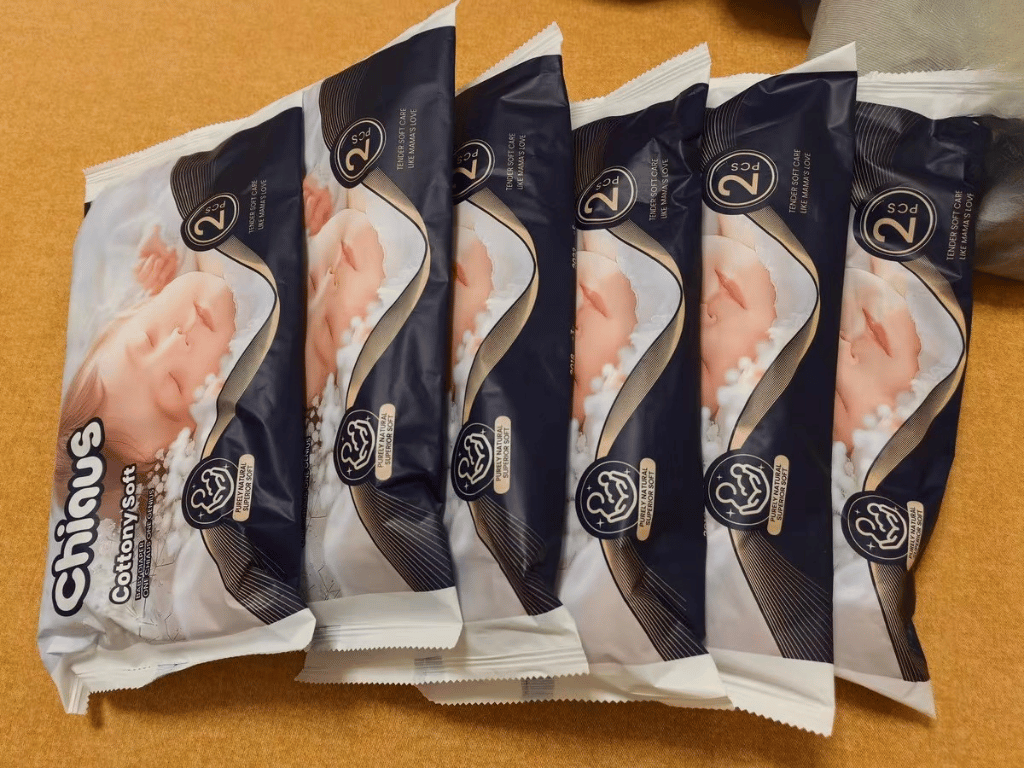
Specify sample quantity, dimensions, and packaging solutions;
Request material lists and test reports from suppliers;
Conduct third-party verification upon receipt.
This closed-loop confirmation process minimizes supply risks.
Negotiating Prices and MOQ for Diapers Wholesale
After confirming satisfactory OEM diaper samples, buyers should select appropriate order quantities (MOQ) and pricing strategies. Manufacturers typically offer tiered pricing based on order volume, with larger quantities often securing better rates—a critical consideration for wholesale buyers.
By analyzing sample test data, buyers can also discuss material upgrades, customized packaging, or branding with suppliers to enhance product competitiveness.
Leveraging Sample Testing to Enhance Brand Competitiveness
For international OEM diaper buyers, sample testing delivers these advantages:
Define product positioning: Align performance test data with target market consumer demands
Strengthen brand credibility: Use authoritative test reports and sample data as brand endorsements
Reduce return risks: Pre-testing prevents rework or returns of bulk orders
Improve product iteration: Optimize designs based on sample feedback to boost user satisfaction
Conclusion
Before placing international OEM diaper procurement and wholesale orders, comprehensive testing of OEM diaper samples is an essential step. By thoroughly understanding international market standards, rigorously testing sample performance, and selecting reliable suppliers, you can not only effectively manage procurement risks but also enhance your product's market competitiveness.
Mastering this critical step will unlock greater growth opportunities for your brand in the global infant care market.


