Teething and diaper rash often go hand in hand, making diaper changes a challenging experience for both parents and babies. Understanding how teething can contribute to diaper rash is essential for managing your baby's comfort. In this post, we'll explore the connection between teething and diaper rash, offering effective strategies and tips on choosing the right baby diapers to help ease both issues.
Understanding Teething
What is Teething?
Teething is the process when a baby’s first teeth, called primary or baby teeth, start breaking through the gums. This usually begins around six months old but can start as early as three months or as late as one year. It’s a natural part of development, signaling that your baby is growing and their mouth is preparing for chewing solid foods.
Common Symptoms of Teething
Not every baby shows the same signs during teething. Some barely notice, while others may be quite uncomfortable. Here are common symptoms many parents observe:
● Excessive Drooling: Babies often produce more saliva, which can cause drool rash around the mouth.
● Chewing Urge: Babies tend to bite or chew on hard objects to ease gum pressure.
● Irritability and Fussiness: Discomfort from swollen gums can make your baby cranky.
● Sleep Disturbances: Teething pain might interrupt their usual sleep patterns.
● Tender or Swollen Gums: Gums may appear red, swollen, or sore.
● Ear Rubbing or Cheek Pulling: Some babies express discomfort by touching their ears or cheeks.
Each baby’s experience varies, so some symptoms might be mild or absent altogether.
Timeline of Teething in Babies
Teething follows a general timeline but remember, every baby is unique. Typically:
● 6 to 10 months: Lower central incisors (bottom front teeth) usually appear first.
● 8 to 12 months: Upper central incisors (top front teeth) come in.
● 9 to 13 months: Lateral incisors (next to the front teeth) emerge.
● 13 to 19 months: First molars (back teeth) start to break through.
● 16 to 22 months: Canines (pointed teeth) come in.
● 20 to 30 months: Second molars arrive, completing the primary set.
This timeline can vary, and some babies may start teething earlier or later without any concerns.
Understanding your baby's teething timeline and symptoms helps you anticipate their needs and provide comfort during this natural, sometimes challenging, stage.
Causes and Symptoms of Diaper Rash
What Causes Diaper Rash?
Diaper rash happens when your baby’s skin stays wet or irritated for too long. Common causes include:
● Prolonged Moisture: Sitting in wet or dirty diapers traps urine and stool against the skin. This moisture breaks down the skin’s natural barrier.
● Friction: Tight diapers or clothes rub against the skin, causing irritation.
● Skin Sensitivity: Some babies react to soaps, wipes, detergents, or diaper materials.
● Infections: Bacterial or yeast infections can develop if the skin is broken or irritated.
● Changes in Stool: Diarrhea or loose stools, sometimes linked to diet changes, can irritate skin more than normal stool.
Understanding these causes helps you prevent diaper rash by keeping your baby’s skin clean and dry.
Identifying Symptoms of Diaper Rash
Diaper rash usually shows up as:
● Redness: The skin in the diaper area becomes red and inflamed.
● Bumps or Spots: Small pimples or raised spots may appear.
● Peeling or Flaking: The skin might start to peel or look scaly.
● Warm and Tender Skin: The rash area can feel warm and may be painful to touch.
● Fussiness: Your baby may be uncomfortable or fussy, especially during diaper changes.
If the rash worsens or shows blisters, open sores, or pus, it could signal an infection needing medical care.
Common Misconceptions about Teething and Diaper Rash
Many believe teething directly causes diaper rash, but this isn’t true. Here’s what to know:
● No Direct Link: Teething itself doesn’t cause diaper rash.
● Saliva and Diarrhea: Excess drooling during teething can lead to more saliva swallowed, sometimes causing mild diarrhea. Diarrhea increases wetness in the diaper area, raising rash risk.
● Coincidence: Teething and diaper rash often happen around the same time, so parents may mistakenly connect them.
● Other Causes: Diaper rash is more about moisture, friction, and irritation than teething.
Recognizing these facts helps avoid unnecessary worry and focus on proper diaper rash care.
Change your baby’s diaper promptly after any loose stool to reduce moisture and prevent diaper rash development.
The Connection Between Teething and Diaper Rash
Is There a Direct Link?
Many parents wonder if teething causes diaper rash. The truth is, teething itself does not directly cause diaper rash. The two often happen around the same time, but this is usually a coincidence. Teething is a natural developmental stage when baby teeth break through gums, while diaper rash results from skin irritation caused by moisture, friction, or infections.
How Saliva and Teething Contribute to Diaper Rash
Although teething does not directly cause diaper rash, it can contribute indirectly. When babies are teething, they produce a lot of saliva. This extra saliva can be swallowed and sometimes leads to mild diarrhea or looser stools. Diarrhea increases moisture and acidity in the diaper area, which can irritate the skin and raise the risk of diaper rash.
Additionally, excess saliva can cause drool rash around the mouth, but this is separate from diaper rash. The key factor linking teething to diaper rash is the change in stool consistency caused by swallowed saliva. This makes frequent diaper changes and proper skin care essential during teething.
Coincidental Timing of Teething and Diaper Rash
Teething and diaper rash often appear together because they both commonly occur during the same age range — usually between 4 to 12 months. This overlap can make it seem like one causes the other. However, diaper rash is more about skin exposure to wetness, friction from diapers, or sensitivity to products.
Other factors that may coincide with teething include:
● Introduction of new foods, which can change stool consistency
● Increased skin sensitivity during growth phases
● Changes in diapering habits or products
Understanding this helps parents focus on preventing diaper rash through good hygiene and skin care, rather than blaming teething alone.
While teething doesn't directly cause diaper rash, monitoring your baby's stool and keeping the diaper area clean and dry helps prevent irritation during this stage.
Preventing Diaper Rash During Teething
Keeping the Diaper Area Clean and Dry
One of the best ways to prevent diaper rash during teething is to keep the diaper area clean and dry. Babies often drool and swallow more saliva when teething, which can cause loose stools. These stools can irritate the skin if left for too long. Change diapers promptly after any wetness or stool to avoid prolonged moisture exposure.
Use gentle, fragrance-free wipes or warm water with a soft cloth to clean the skin thoroughly. Avoid harsh soaps or wipes containing alcohol, which can worsen irritation. After cleaning, gently pat the skin dry or allow it to air dry before putting on a fresh diaper. Keeping the skin dry helps maintain its natural barrier and prevents rash development.
Choosing the Right Diapers and Products
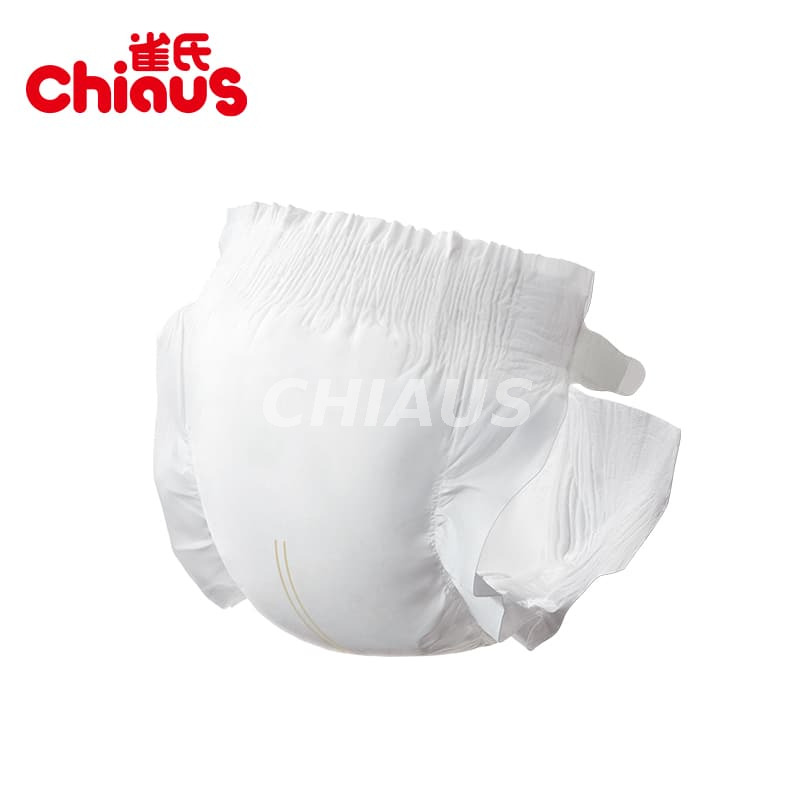
Selecting the right diapers and skin care products also plays a vital role in preventing diaper rash. Opt for diapers with super-absorbent layers that pull moisture away from the skin, keeping your baby dry and comfortable. Breathable diapers promote airflow, reducing heat and moisture buildup, which can cause irritation.
Look for diapers with a snug but not overly tight fit. Tight diapers can cause friction and trap moisture, increasing rash risk. Consider hypoallergenic and fragrance-free diapers if your baby has sensitive skin.
For skin protection, use diaper creams or ointments containing zinc oxide or petroleum jelly. These create a barrier between the skin and irritants. Avoid powders or talcum products, as they can trap moisture and worsen rashes.
Importance of Regular Diaper Changes
Frequent diaper changes are crucial during teething to prevent diaper rash. The longer a baby stays in a wet or soiled diaper, the higher the chance of skin irritation. Change diapers as soon as you notice wetness or stool, especially after episodes of diarrhea, which are more common during teething.
Regular changes reduce exposure to urine and stool enzymes that break down the skin’s protective barrier. This simple habit helps keep your baby’s skin healthy and rash-free.
Always carry extra diapers and wipes when out with your baby to ensure quick changes and prevent diaper rash during teething.
Treating Diaper Rash Effectively
Home Remedies and Over-the-Counter Treatments
Treating diaper rash starts with creating a clean, dry, and soothing environment for your baby's skin. Begin by gently cleaning the diaper area after each change using warm water and a soft cloth or fragrance-free, alcohol-free wipes. Avoid harsh soaps or wipes that may irritate sensitive skin further.
After cleaning, pat the skin dry or let it air dry completely before putting on a fresh diaper. Applying a thick layer of diaper rash cream or ointment can help protect the skin from moisture and irritants. Products containing zinc oxide or petroleum jelly are effective barriers that shield the skin and promote healing.
Some parents find that giving their baby diaper-free time each day helps the skin breathe and recover faster. When using over-the-counter treatments, always follow the instructions and avoid powders or talcum products, as these can trap moisture and worsen the rash.
When to Consult a Pediatrician
Most diaper rashes improve within a few days using home care. However, you should consult a pediatrician if:
● The rash worsens or spreads despite treatment.
● Blisters, open sores, or pus develop.
● Your baby seems in significant pain or discomfort.
● The rash lasts longer than a week.
● Signs of infection appear, such as fever or swelling.
A doctor may prescribe medicated creams or ointments, such as mild hydrocortisone or antifungal treatments, depending on the rash cause. Early medical advice helps prevent complications and ensures proper care.
Long-term Solutions for Sensitive Skin
For babies with sensitive skin or recurrent diaper rash, consider these long-term strategies:
● Use hypoallergenic, fragrance-free diapers and wipes.
● Choose diapers that offer high absorbency and breathability.
● Avoid tight-fitting diapers or clothing that cause friction.
● Maintain consistent diaper-changing routines to minimize moisture exposure.
● Introduce barrier creams proactively during diaper changes.
● Monitor for allergies or reactions to new products and switch if needed.
Regularly moisturizing your baby’s skin with gentle, baby-safe lotions can also help maintain the skin’s protective barrier. If sensitivity persists, discuss allergy testing or specialized skin care options with your pediatrician.
Keep a small diaper rash care kit ready with gentle wipes, barrier cream, and extra diapers to treat rashes promptly and prevent worsening.
Soothing Your Teething Baby
Safe Teething Toys and Gels
To help ease your baby’s teething discomfort, choose safe teething toys designed for infants. Look for toys made from BPA-free silicone or rubber that are soft yet firm enough to massage sore gums. Chilling these toys in the refrigerator can provide extra relief through gentle cold pressure. Avoid freezing toys solid, as extreme cold can harm delicate gums.
Teething gels are another option, but use them cautiously. Only apply gels recommended by pediatricians and follow dosage instructions carefully. Some gels contain mild anesthetics to numb pain, but overuse or using adult products can be unsafe. Always check with your child’s healthcare provider before trying any topical treatments.
Natural Remedies to Ease Teething Pain
Natural remedies often appeal to parents seeking gentle relief for their babies. Here are some safe options to consider:
● Cold Washcloth: Wet a clean washcloth, chill it in the fridge, then let your baby chew on it. The coolness soothes gums and the texture massages tender spots.
● Breastfeeding or Bottle Feeding: Sometimes, feeding provides comfort and distraction from teething pain.
● Gentle Gum Massage: Wash your hands thoroughly, then gently rub your baby’s gums with your finger to ease pressure.
● Chamomile Tea Compress: A cloth soaked in cooled chamomile tea can be used as a compress for soothing gums. (Consult your pediatrician before use.)
Avoid home remedies involving honey, alcohol, or unverified herbal products, as these may be harmful.
Maintaining Comfort During Teething
Keeping your baby comfortable during teething involves more than pain relief. Here are tips to maintain overall comfort:
● Keep Drool Under Control: Excess saliva can cause skin irritation around the mouth and chin. Gently wipe drool frequently with a soft cloth to prevent rashes.
● Offer Safe Chewing Items: Besides teething toys, chilled fruits like cucumber slices (for babies who have started solids) can provide relief. Always supervise closely to prevent choking.
● Maintain Routine: Try to keep feeding and sleeping schedules consistent to provide a sense of security during this uncomfortable phase.
● Distract and Comfort: Engage your baby with soothing sounds, cuddles, or gentle rocking to ease fussiness.
Remember, teething is temporary. With patience and care, you can help your baby through this stage smoothly.
Always inspect teething toys regularly for wear or damage to prevent choking hazards and ensure your baby’s safety during teething relief.
Conclusion
Teething and diaper rash are common challenges for parents. Teething involves discomfort from emerging teeth, while diaper rash results from skin irritation. Managing both requires keeping the diaper area clean and dry, choosing appropriate products, and providing soothing relief for teething pain. Parents should remain vigilant and consult a pediatrician if symptoms worsen. Chiaus offers high-quality diapers designed to keep babies comfortable and rash-free, ensuring peace of mind during these developmental stages. Encouragement and patience are key as parents navigate these early years.
FAQ
Q: What are the signs of teething in babies?
A: Signs of teething include excessive drooling, irritability, gum swelling, and disrupted sleep patterns.
Q: How can baby diapers help prevent diaper rash?
A: Baby diapers with super-absorbent layers help keep the skin dry, reducing the risk of diaper rash by minimizing moisture exposure.
Q: Why do teething and diaper rash often occur together?
A: They often coincide due to the age range overlap, with teething increasing drool and loose stools, which can lead to diaper rash.
Q: How often should I change baby diapers to prevent rash?
A: Change baby diapers frequently, especially after wetness or stool, to keep the skin dry and prevent diaper rash.


