In the global infant care market, parents and B2B buyers are increasingly demanding the safest diapers, with non-toxic baby diapers evolving from a "premium option" to a market necessity. As core products in prolonged contact with infants' skin, the safety of baby diapers directly impacts a brand's competitiveness in international markets. This article analyzes the core elements of high-quality non-toxic baby diapers from three dimensions—raw materials, certifications, and manufacturing processes—based on demand in major markets including Europe, America, and Southeast Asia. It aims to provide decision-making references for buyers.
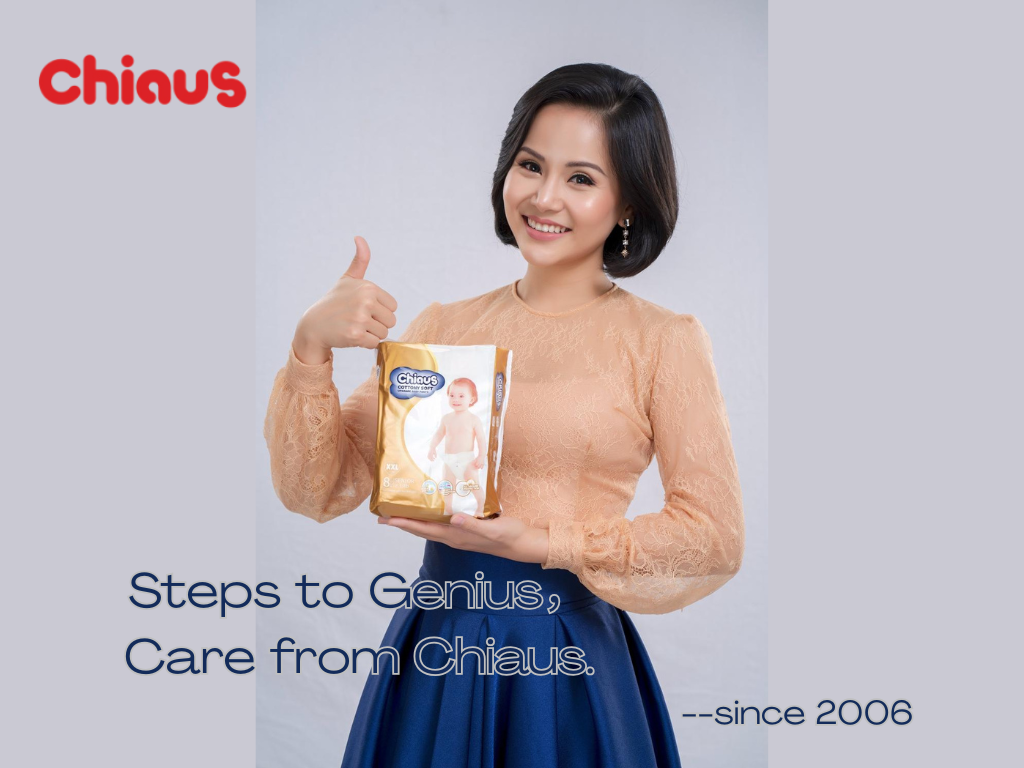
Raw Material Selection: The Foundation of Non-Toxic Baby Diapers
Raw materials are the primary factor determining whether infant diapers are non-toxic. The international market has established clear standards for regulating baby diaper materials. Substandard materials not only cause skin allergies but may also affect infant health through contact and permeation. In global sourcing, premium manufacturers universally adhere to the "full-chain non-toxic" principle, establishing strict thresholds from core component selection to auxiliary material screening.
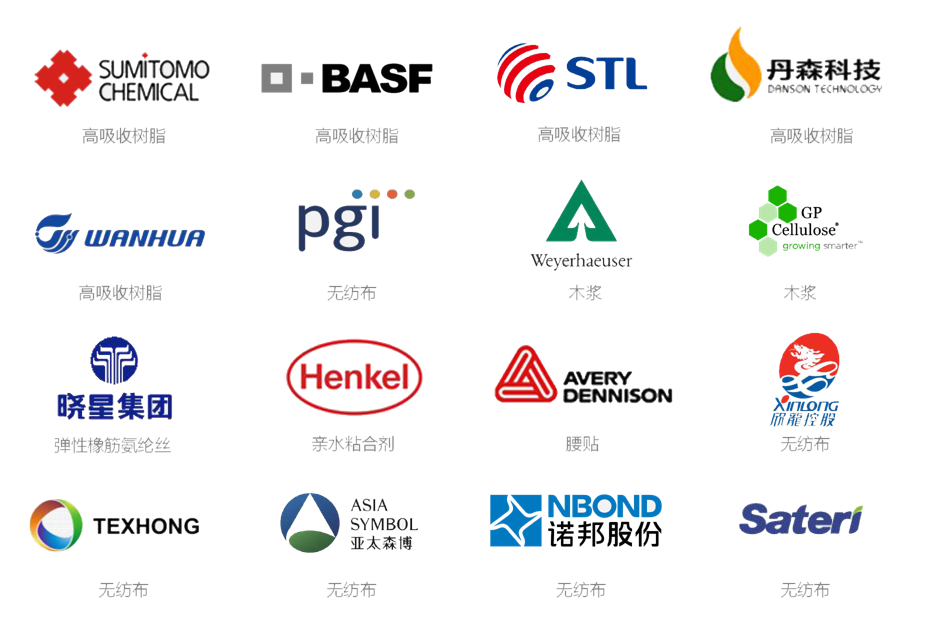
Surface Layer
The surface layer, which directly contacts the infant's skin, serves as the first line of defense for non-toxic baby diapers. The mainstream choice in European and American markets is organically certified natural cotton or plant fibers. These materials contain no pesticide residues or chemical bleaches and offer breathability far superior to ordinary synthetic fibers. Take Chiaus baby diapers as an example: their surface layer uses OEKO-TEX® Organic Cotton-certified organic cotton. It undergoes quantitative GMO testing to ensure no GMO contamination and is softened to reduce friction irritation. This standard fully complies with the EU's EN 14682 safety requirements for infant textiles. In contrast, low-quality infant diapers often use recycled synthetic fibers that may contain harmful substances like formaldehyde and fluorescent whitening agents, posing recall risks in European and American markets.
Absorbent Core
The absorbent core is the functional heart of baby diapers and a critical area for toxic residue. High-quality non-toxic baby diapers typically employ a composite structure of super-absorbent polymer (SAP) and wood pulp. The SAP must meet the U.S. FDA 21 CFR 177.1580 food contact grade standard, ensuring no harmful chemicals are released during absorption. Chiaus innovatively incorporates natural tea seed oil essence into its core design, enhancing moisture retention while eliminating the need for artificial preservatives. This innovation makes its infant diapers more competitive in Southeast Asia's humid and hot markets. Notably, international markets have explicitly banned the use of heavy metal-containing absorbent materials in cores. Data from the U.S. CPSC (Consumer Product Safety Commission) in 2024 indicates that 32% of imported infant diapers were detained due to excessive heavy metals in their cores.
Back Film
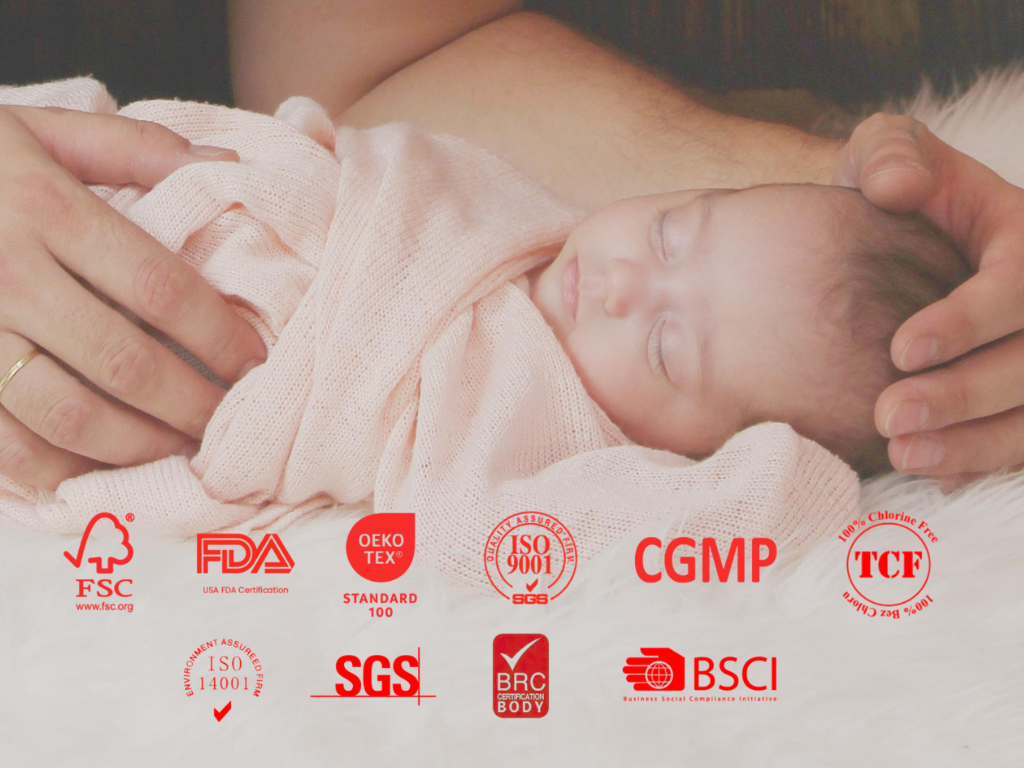
The bottom leak-proof membrane and auxiliary materials are equally critical. Premium non-toxic baby diapers utilize breathable PE film free of phthalates and other plasticizers, certified under OEKO-TEX® Standard 100 Class 1 (the highest tier for infant products). This certification covers testing for over 100 harmful substances; details can be found in the official documentation.
Auxiliary materials
Auxiliary materials such as hook-and-loop fasteners and elastic bands must pass sweat corrosion resistance tests to prevent metal buckles from releasing harmful substances like nickel. Chiaus baby pull-up pants adhere to the same material standards as baby diapers, ensuring toxin-free products across all categories. Related products can be viewed in the dedicated section on our official website.
Authoritative Certification System: Safest Diapers' Global Market Passport
For B2B buyers, authoritative certifications serve as the core basis for determining whether baby diapers are the safest diapers. Different international markets have explicit certification requirements for market access, and products lacking certifications cannot enter mainstream channels. Understanding these certification standards not only ensures the procurement of safe products but also enhances product competitiveness in the market.
US Market
The U.S. market imposes the strictest regulations on infant diapers, with core certifications including FDA 21 CFR 177.1580 food contact-grade certification and USP Class VI medical-grade material certification. FDA 21 CFR 177.1580 certification mandates that all infant diaper materials directly contacting baby skin meet food contact safety standards, ensuring no harmful chemical leaching. USP Class VI certification subjects medical-grade materials to rigorous safety testing, verifying that raw materials meet high-end healthcare product requirements for bio-compatibility. These two certifications are essential qualifications for entering major U.S. retailers like Walmart and Target. Chiaus non-toxic baby diapers not only meet these certifications but also hold an additional SGS U.S. market-specific testing report. This report comprehensively covers over 100 testing items, including heavy metals, formaldehyde, and fluorescent whitening agents, giving the product a competitive edge in hospital procurement channels within the U.S. market.
European Market
The European market centers on EU CE certification and OEKO-TEX® series certifications as core entry requirements. CE certification mandates compliance with the EN 14682 textile safety standard and the 94/62/EC Packaging Waste Directive, ensuring environmental safety and toxicity-free production from manufacturing through packaging. The OEKO-TEX® Made in Green label is a highly recognized “green certification.” Non-toxic baby diapers bearing this label allow QR code traceability to the manufacturing facility, verifying production under eco-friendly conditions and fair labor practices. This certification is mandatory for premium maternity and baby stores in Western European countries like Germany and France. Chiaus partner factory in Poland has obtained this certification, and its infant diapers command a 15%-20% higher average order value on European e-commerce platforms compared to uncertified competitors.
Emerging Markets
Emerging markets like Southeast Asia and the Middle East, while having relatively relaxed certification requirements, are gradually aligning with international standards. Countries such as Indonesia and Malaysia have begun implementing localized certifications based on CPSIA, requiring imported baby diapers to provide testing reports for heavy metals and hazardous chemicals. The Middle East market imposes unique hygiene standards for infant diapers due to religious practices, necessitating Saudi Arabia's SASO 2870 certification. To address diverse market requirements,Chiaus provides customized certification documentation packages for buyers. Its official website lists certification qualifications for each market, enabling B2B clients to streamline import procedures.
Precision Manufacturing Processes: The Core of Enhancing Baby Diaper Quality and Experience
If raw materials and certifications form the "foundational guarantee" for non-toxic baby diapers, then manufacturing processes represent the "core competitive edge" that determines whether they become the safest diapers and earn market acclaim. Internationally advanced production techniques not only prevent secondary contamination during manufacturing but also elevate the product experience, meeting the differentiated demands of diverse markets.
A sterile production environment is crucial for ensuring baby diapers are non-toxic.
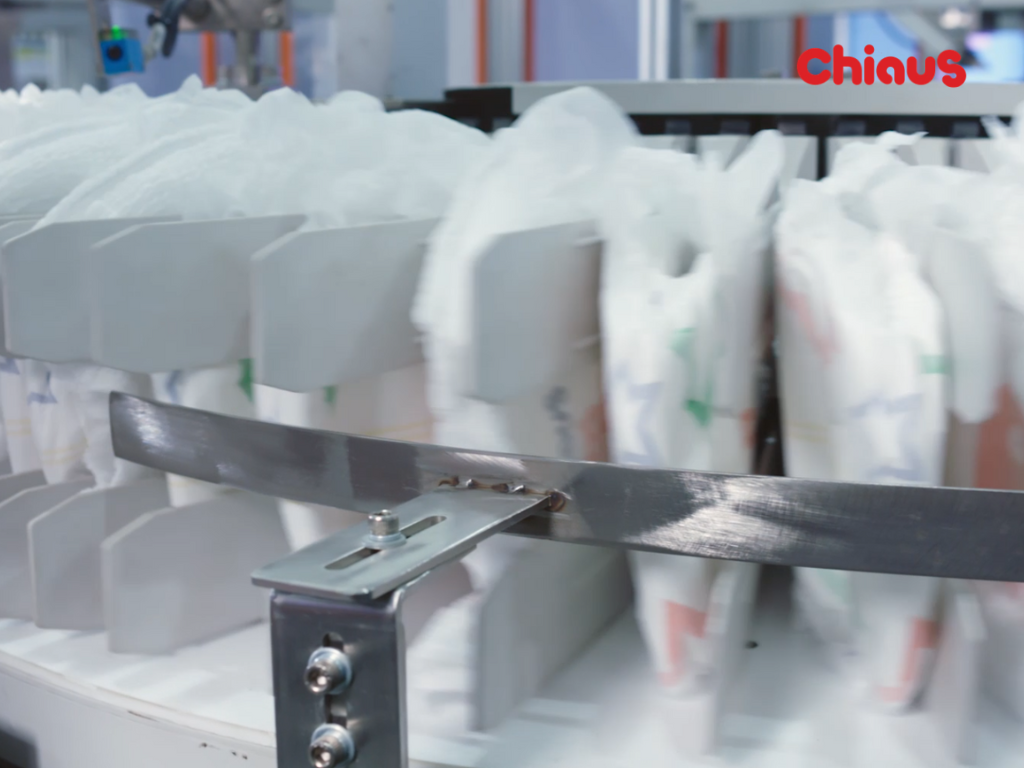
High-quality manufacturers universally adopt GMP (Good Manufacturing Practice)-grade cleanrooms with air cleanliness reaching Class 100,000 standards. Production personnel undergo secondary changing and disinfection before entry. Both Chiaus Fujian and Thailand production bases feature such facilities, utilizing fully automated production lines. From raw material input to finished product packaging, the entire process avoids direct human contact, preventing contamination from sweat, hair, and other pollutants. Additionally, production equipment undergoes regular chemical residue testing to ensure auxiliary materials like inks and adhesives do not contaminate products. This rigorous standard enables Chiaus infant diapers to consistently achieve bacterial colony counts below the EU standard of 10 cfu/g, significantly outperforming industry averages.
Human-centered design enhances market acceptance of non-toxic baby diapers.
Addressing larger infant sizes in European and American markets, Qiaoshi employs 3D contour cutting to expand waist elastic range to 60-90cm while optimizing leak-proof barriers to 8mm height, reducing leakage risks. For Southeast Asia's humid climate, its baby diapers feature a "dual-layer breathable bottom film" design, boosting breathability by 30%. Combined with a quick-drying surface layer, this effectively reduces diaper rash incidence. These process improvements aren't blind innovation but are grounded in consumer research data from various markets.Chiaus continuously refines its product craftsmanship by collecting feedback from global B2B clients via our official website .
Quality Inspection
Quality inspection serves as the final safeguard, with premium international baby diapers adopting a dual-system approach of "full inspection + sampling inspection." Full inspection utilizes machine vision systems to detect dimensional deviations, adhesive leaks, and layer defects with precision down to 0.1mm. Sampling inspection follows the AQL 2.5 standard, conducting toxic substance testing, absorbency testing, and tensile strength testing on every batch.
Key Considerations for Sourcing Non-Toxic Baby Diapers in the Global Market
The global baby diaper market is undergoing a "safety upgrade." According to Euromonitor International's 2024 data, the non-toxic baby diaper segment grew at 18%, significantly outpacing conventional diapers at 5%. For B2B buyers, selecting high-quality products not only mitigates compliance risks but also captures premium market opportunities. Based on the preceding analysis, three core factors warrant attention during procurement:
First, verify raw material traceability and certification credentials. Require suppliers to provide procurement documentation for core materials—such as OEKO-TEX® Organic Cotton certification for organic cotton or FDA certification reports for super-absorbent polymers (SAP)—to avoid purchasing "pseudo-non-toxic" products. Chiaus provides each B2B client with a dedicated raw material traceability system account, enabling real-time tracking of ingredient sources and testing data for every batch. Second, evaluate production processes' alignment with target markets. For example, supplying to Europe and America requires attention to 3D cutting and eco-friendly packaging techniques, while shipments to humid regions should prioritize breathable designs. Finally, confirm after-sales service guarantees, including assistance with certification documentation and quality-related return/exchange policies. Chiaus operates five regional service centers globally to provide localized support for B2B clients.
In summary, high-quality non-toxic baby diapers are not defined by a single dimension of "non-toxicity," but rather represent a comprehensive embodiment of safe raw materials, authoritative certifications, and exquisite craftsmanship. Against the backdrop of growing global demand for the safest diapers, selecting suppliers with core competitive advantages is crucial. Leveraging 25 years of infant care product manufacturing expertise, Chiaus baby diapers and pull-up pants have earned certifications in over 30 countries and regions worldwide. For detailed product information or customized procurement solutions, visit our official website directly.


