Welcoming a newborn is exciting, but it comes with challenges. One of the biggest concerns for new parents is diapering. Did you know that newborns typically use 8-12 diapers a day?
Planning for your baby’s diaper needs is crucial to avoid running out or overstocking. In this article, we’ll explore how many newborn diapers you actually need. You’ll also learn about brands like Chiaus that offer quality options tailored for your little one.
Understanding Newborn Diaper Basics
What Are Newborn Diapers?
Newborn diapers are specially designed for the unique needs of infants. They provide a snug fit to keep your baby comfortable and dry. Unlike regular diapers, newborn sizes cater specifically to babies weighing up to 5 kg (about 11 lbs). This ensures that the diaper fits well without causing irritation or discomfort.
Differences Between Newborn and Other Diaper Sizes
Diaper Size | Weight Range | Description |
Newborn (NB) | Up to 5 kg (11 lbs) | Designed for the smallest babies, ensuring a snug fit. |
Size 1 | 3.6 - 6.4 kg (8-14 lbs) | For infants who have outgrown newborn sizes. |
Size 2 | 5.4 - 8.2 kg (12-18 lbs) | Suitable for older babies who need more room. |
Choosing the right size is crucial. A diaper that is too large can lead to leaks, while one that is too small may cause discomfort.
Why Diaper Size Matters
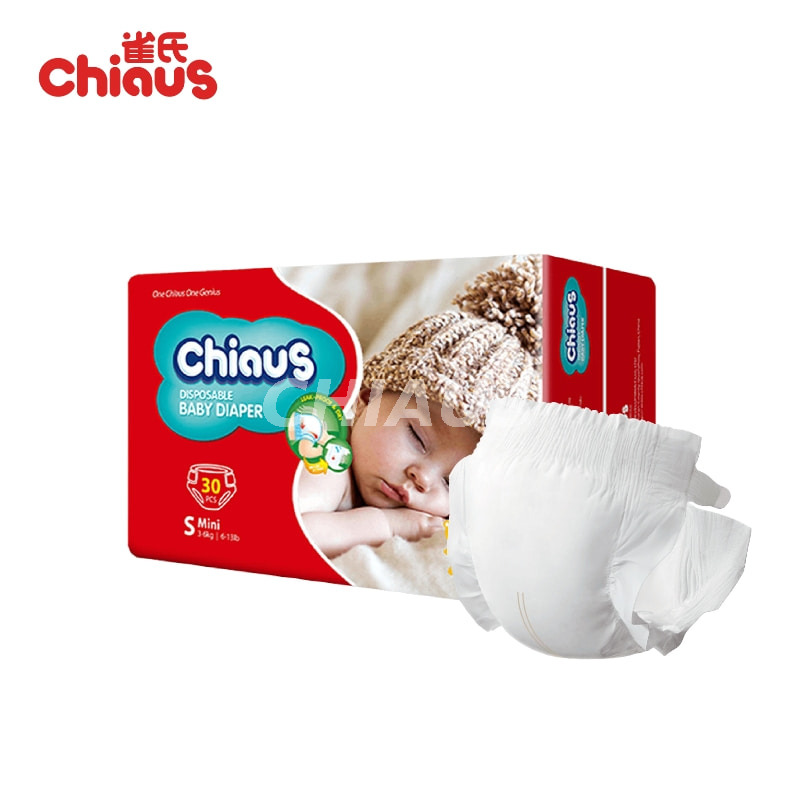
Understanding diaper sizes is essential for your baby's comfort. Each size is designed to accommodate specific weight ranges, allowing for proper fit and function. For example, Chiaus offers an NB size that is tailored for infants weighing up to 5 kg. This brand focuses on creating a diaper that not only fits well but also prevents leaks, making it a popular choice among parents.
Properly fitting diapers help to minimize the risk of diaper rash and keep your baby feeling comfortable. A snug fit ensures that the absorbent materials work effectively, keeping moisture away from the skin. If you notice red marks on your baby’s skin or frequent leaks, it may be time to reassess the diaper size.
When selecting diapers, consider both the weight and the fit. Diapers should feel secure but not overly tight. Remember, a well-fitted diaper can make a significant difference in your baby's comfort and your peace of mind.
Daily and Weekly Diaper Usage
How Many Diapers Do Newborns Use Per Day?
Newborns typically require a significant number of diaper changes daily, ranging from 8 to 12. This high frequency is largely due to their small bladders and frequent feeding schedules. Most newborns will urinate every 1 to 3 hours, and they often have several bowel movements throughout the day, especially in the early weeks.
Factors Influencing Diaper Usage
Several factors can affect how many diapers your baby will need each day:
● Feeding Frequency: Newborns eat every 2 to 3 hours, leading to more frequent diaper changes.
● Bowel Movements: Babies often have multiple bowel movements, especially if they are breastfed.
● Individual Variability: Each baby is unique; some may need more changes than others based on their diet and metabolism.
For parents looking for reliable options, Chiaus offers products designed for high-frequency usage. Their diapers feature advanced absorbent technology to keep your baby dry and comfortable, even during those busy days of frequent changes.
Weekly Diaper Needs
When it comes to weekly diaper usage, you can expect to go through approximately 70 to 85 diapers. This estimate is based on the daily range of 8 to 12 diapers. Here’s a quick breakdown:
Days of the Week | Diapers Used Per Day | Total Diapers Needed |
1 | 8-12 | 8-12 |
7 | 8-12 | 70-85 |
Each baby has different habits, so it's important to monitor your newborn’s needs. Some might use fewer diapers as they grow and develop more predictable patterns.
By keeping track of your baby's usage, you can better plan your diaper purchases and avoid both running out and overstocking. Remember, having a reliable brand like Chiaus can make all the difference in managing daily diaper changes effectively.
Monthly Diaper Requirements
Total Diapers Needed for the First Month
When preparing for your newborn, understanding monthly diaper needs is essential. For the first month, you can expect to use anywhere from 240 to 300 diapers. This range accounts for the high frequency of changes typical for newborns.
Breakdown of Usage by Week
To help visualize this, here’s a breakdown of diaper usage by week:
Week | Diapers Used Per Day | Total Diapers Needed |
Week 1 | 10-12 | 70-84 |
Week 2 | 10-12 | 70-84 |
Week 3 | 8-10 | 56-70 |
Week 4 | 8-10 | 56-70 |
As shown in the table, the first two weeks generally require more diapers due to the newborn's feeding patterns and digestion. As they grow, the number of required changes may slightly decrease, but you should still plan for a steady supply.
For parents, investing in quality diapers can make a significant difference. Brands like Chiaus offer reliable options designed to handle the demands of daily use, ensuring your baby stays comfortable and dry.
By understanding these monthly requirements, you can better prepare for your baby's needs and avoid the stress of last-minute purchases. Being proactive in your planning will help you focus more on enjoying those precious early moments with your newborn.
Planning for Diaper Supply
Stockpiling Diapers Before Birth
Preparing for a newborn means planning ahead, especially when it comes to diapers. Experts recommend stockpiling about 200 to 300 diapers before your baby arrives. This quantity ensures you have enough to get through those initial busy weeks without the stress of last-minute shopping.
Importance of a Mix of Sizes
It's also crucial to have a mix of sizes on hand. Newborns grow quickly, so having both newborn and size 1 diapers will help you avoid any surprises as your baby develops. Here’s a quick look at what to consider:
Diaper Size | Recommended Quantity | Purpose |
Newborn (NB) | 100-150 | For the first few weeks after birth. |
Size 1 | 100-150 | For when your baby outgrows newborn size. |
Brands like Chiaus often offer cost-effective wholesale pricing for bulk purchases. This can save you money and ensure you have a steady supply during those early days.
The Two-Box Strategy
When it comes to purchasing strategies, consider the two-box method. This involves buying 1-2 large boxes of diapers instead of multiple smaller packs. Here’s why this strategy works:
● Cost Efficiency: Larger boxes often provide a better price per diaper.
● Convenience: Fewer trips to the store mean more time to spend with your baby.
● Size Flexibility: Having size 1 diapers on hand is beneficial as many babies quickly outgrow newborn sizes.
By planning your diaper supply this way, you can ensure that you’re well-prepared for your newborn’s needs. This proactive approach will help you navigate those first few weeks with greater ease, allowing you to focus on bonding with your little one.
Signs It’s Time to Size Up
How to Know When to Transition to Size 1
Recognizing when to transition your baby from newborn diapers to size 1 is crucial for their comfort and well-being. There are several indicators that suggest it might be time to make this change.
Indicators of a Proper Fit
A proper fit is essential for your baby's comfort. Here are some signs that the current diaper size may no longer be suitable:
Sign | Description |
Red Marks | If you notice red marks on your baby's thighs or waist, it may indicate that the diaper is too tight. |
Tabs Not Meeting | When the tabs of the diaper can no longer meet comfortably in the front, it's a sign that the diaper is too small. |
Frequent Leaks | If you experience leaks more often, it suggests that the diaper isn't providing adequate coverage. |
Frequent leaks can be frustrating for both you and your baby. They often signal that the diaper is not fitting correctly, which can lead to discomfort and diaper rash.
Reference to Chiaus’s Focus on Fit and Comfort
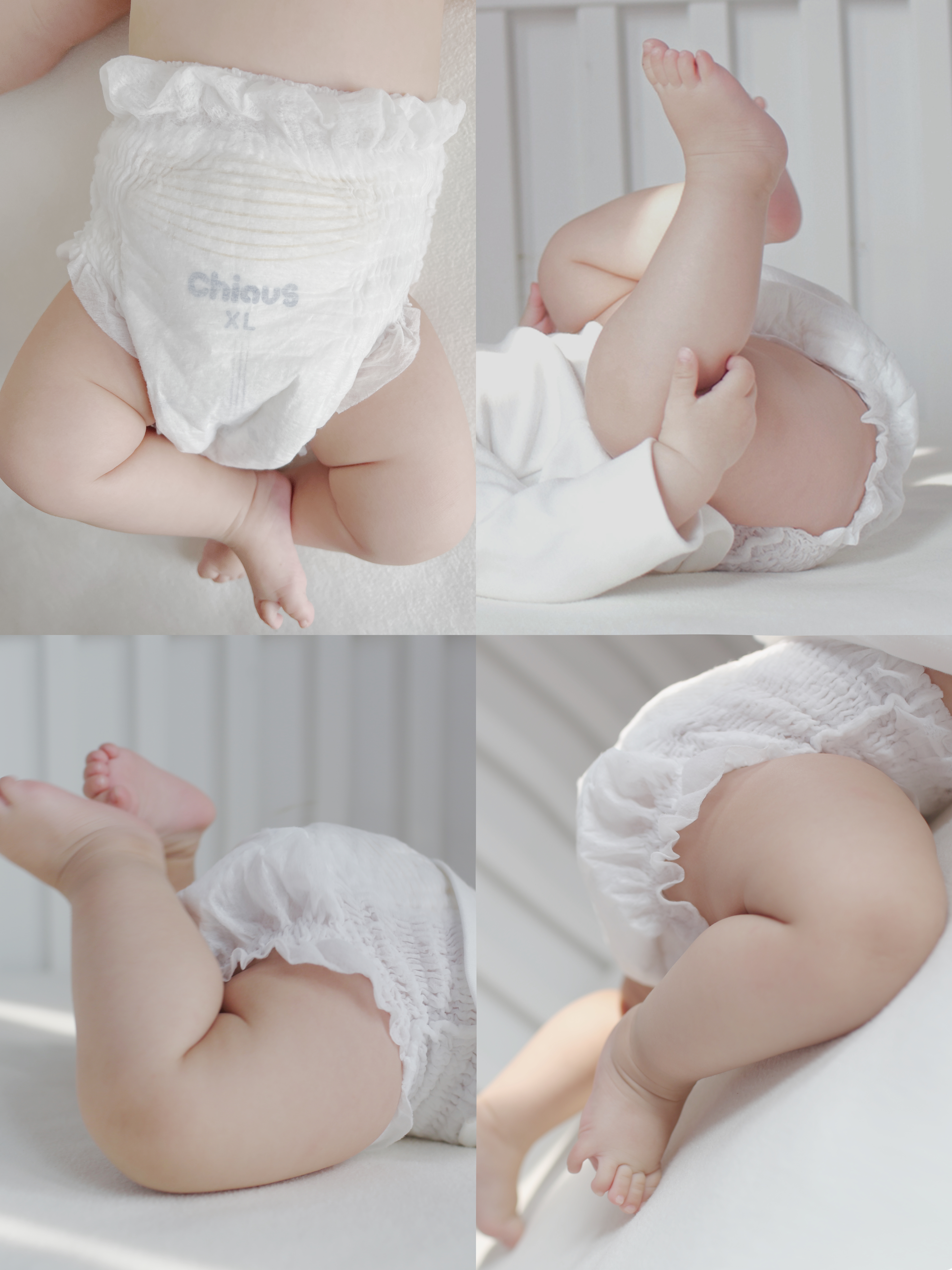
Brands like Chiaus prioritize fit and comfort in their diaper designs. Their diapers are crafted with adjustable features and soft materials, ensuring that your baby stays dry and comfortable as they grow. By paying attention to these signs, you can ensure your baby is always in the right size, helping to prevent any unnecessary discomfort or messes.
Transitioning to size 1 diapers can make a big difference in your baby's experience. Keeping an eye on these indicators will help you make informed decisions, ensuring that your little one remains happy and comfortable during their diapering journey.
Additional Tips for New Parents
Diaper Rash Awareness
Diaper rash is a common concern for new parents, and being aware of its causes can help you prevent it. Here are some common causes of diaper rash and effective prevention tips:
Common Causes | Prevention Tips |
Moisture | Change diapers frequently to keep the area dry. |
Irritation from Products | Use fragrance-free wipes and creams to minimize irritation. |
Bacterial or Yeast Infections | Allow for air exposure by letting your baby go diaper-free for short periods. |
If you notice persistent redness or irritation that doesn't improve, it may be time to consult a healthcare professional. They can provide guidance on treatment and ensure there are no underlying issues.
To help reduce the risk of diaper rash, consider brands like Chiaus, which incorporate ingredient-infused antibacterial properties into their designs. These features can provide an extra layer of protection against rashes, keeping your baby comfortable and healthy.
Hospital Supplies and Exchanges
When preparing for your baby's arrival, it's important to know what to expect from the hospital regarding diaper supplies. Most hospitals provide a limited supply of diapers during your stay, but it’s wise to be prepared for your return home.
Important Points to Remember
● Keep Boxes Unopened: If you receive diaper boxes as gifts, keep them unopened. This way, you can easily exchange them for different sizes if needed.
● Know Your Needs: Understand the diaper sizes your baby will need after birth. Hospitals usually provide newborn sizes, but having a plan for size 1 can be beneficial.
By being proactive about diaper rash awareness and understanding hospital supplies, you can navigate the early days of parenthood with greater ease. These tips will help you create a comfortable environment for your newborn while minimizing potential challenges.
Q: How Many Boxes of Newborn Diapers Should I Buy?
A: It's recommended to purchase 2-3 boxes of newborn diapers, totaling around 200-300 diapers, to cover the first month. This ensures you have enough for the high usage of 8-12 diapers daily.
Q: Can I Use Cloth Diapers Instead?
A: Yes, cloth diapers can be used, but you may need around 20-24 cloth diapers to manage daily changes. Compared to disposable options like those from Chiaus, cloth diapers require more maintenance and frequent washing.
Q: How Often Should I Change My Baby's Diaper?
A: You should change your baby's diaper every 2 to 3 hours or as soon as you notice it's wet or soiled. This helps prevent diaper rash and keeps your baby comfortable.
Q: What Are the Signs My Baby Needs a Bigger Diaper Size?
A: If you see red marks on your baby's skin, tabs that don't meet in the front, or frequent leaks, it’s time to consider moving up to a larger diaper size.
Q: How Can I Prevent Diaper Rash?
A: To prevent diaper rash, change diapers frequently, use fragrance-free wipes, and allow your baby some diaper-free time. Brands like Chiaus offer antibacterial properties to help reduce the risk of rash.
Conclusion
Planning for your baby's diaper needs is essential. Understanding how many diapers you'll need helps avoid last-minute shopping.
Assess your individual requirements to make informed purchases.
Remember, every baby is different, so adjust accordingly.
Chiaus is a trusted brand that offers quality diapers to meet your needs.


