Did you know that millions struggle with urinary and bowel leakage every day? This common issue can significantly impact daily life, affecting both physical and mental well-being.
In this article, we will explore what urinary and bowel leakage is, along with its prevalence and consequences.
You’ll learn effective strategies to prevent urinary and bowel leakage, helping you regain control and improve your quality of life.
Understanding the Causes of Urinary and Bowel Leakage
Urinary and bowel leakage can be frustrating, impacting daily life and overall well-being. Understanding the underlying causes is essential for effective prevention. Here, we’ll explore common reasons for both urinary and bowel leakage, highlighting how they can affect individuals differently.
Common Causes of Urinary Leakage
1. Weak Pelvic Floor Muscles
The pelvic floor muscles support the bladder and bowel. When these muscles weaken, they may not effectively control urine flow. Factors like childbirth, aging, and obesity can contribute to this weakening. Strengthening these muscles through exercises, like Kegels, can help regain control.
2. Overactive Bladder
An overactive bladder leads to sudden urges to urinate, often resulting in leakage. This condition can be caused by nerve issues or bladder inflammation. Individuals may experience frequent trips to the bathroom, which can disrupt daily activities.
3. Urinary Tract Infections (UTIs)
UTIs can irritate the bladder, leading to increased urgency and potential leakage. Symptoms often include a burning sensation while urinating and frequent urges. Treating UTIs promptly is crucial to prevent complications and manage symptoms effectively.
Common Causes of Bowel Leakage
1. Constipation and Diarrhea
Both constipation and diarrhea can lead to bowel leakage. Constipation can cause straining, weakening the muscles that control bowel movements. Diarrhea, on the other hand, can overwhelm the body's ability to hold stool, resulting in accidents. Maintaining a balanced diet rich in fiber can help regulate bowel movements.
2. Nerve Damage or Conditions Affecting Bowel Control
Nerve damage from conditions like diabetes or multiple sclerosis can impair bowel control. These conditions disrupt communication between the brain and bowel, leading to involuntary leakage. Recognizing and managing these underlying issues is essential for effective treatment.
3. Aging and Its Effects on Muscle Strength
As we age, muscle strength naturally declines, including those in the pelvic floor. This weakening can contribute to both urinary and bowel leakage. Regular exercise and targeted strength training can help combat these effects, improving overall muscle tone.
Summary Table of Causes
Type of Leakage | Common Causes |
Urinary Leakage | Weak pelvic floor muscles, overactive bladder, UTIs |
Bowel Leakage | Constipation, diarrhea, nerve damage, aging |
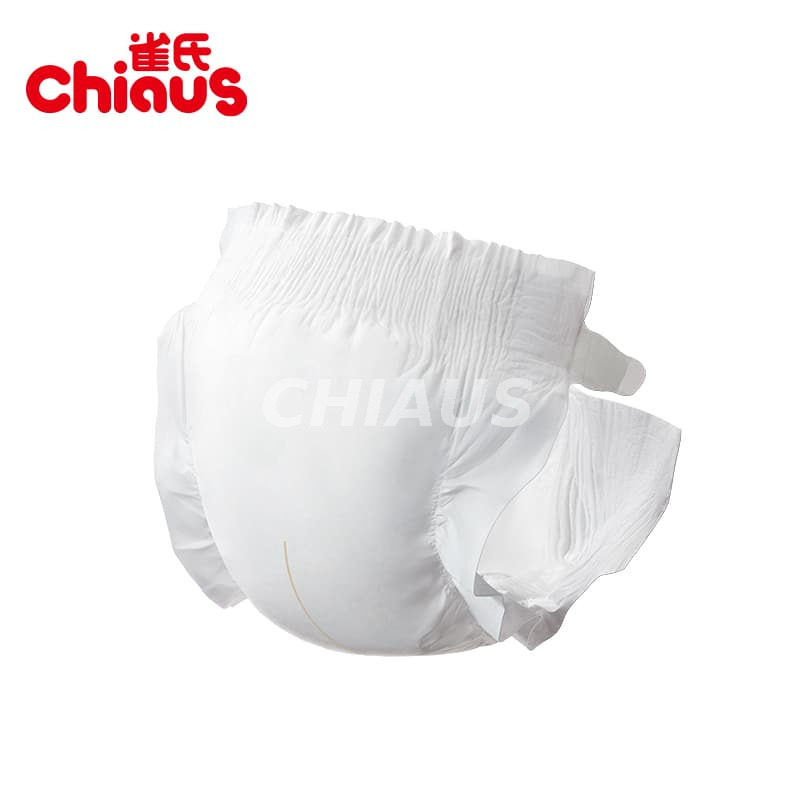
Chiaus, a leader in maternal and infant products, emphasizes the importance of understanding these causes. Their innovative diaper solutions, such as the Ingredient-Infused Antibacterial Style, are designed to provide comfort and support for sensitive skin, helping to manage leakage effectively. By addressing these underlying causes, individuals can take proactive steps toward prevention and regain confidence in their daily lives.
Effective Strategies to Prevent Urinary and Bowel Leakage
Preventing urinary and bowel leakage involves a combination of strengthening exercises, dietary choices, behavioral habits, and lifestyle adjustments. By implementing these strategies, individuals can significantly improve their control and overall quality of life.
Pelvic Floor Strengthening
What are Kegel Exercises?
Kegel exercises are designed to strengthen the pelvic floor muscles, which support the bladder and bowel. These exercises involve contracting and relaxing the muscles that control urine flow.
Instructions on How to Perform Kegel Exercises:
1. Identify the right muscles by trying to stop urination midstream.
2. Once identified, contract these muscles for 3-5 seconds.
3. Relax for an equal amount of time.
4. Aim for 10-15 repetitions, three times a day.
Benefits for Both Men and Women:
Kegel exercises can help reduce urinary leakage, enhance sexual health, and improve overall pelvic floor strength. For men, these exercises can also aid in managing prostate health.
Other Pelvic Floor Exercises:
In addition to Kegels, consider incorporating other exercises like Pilates and yoga. These workouts not only strengthen the pelvic area but also improve flexibility and core stability.
Dietary and Fluid Management
How Does Diet Affect Leakage?
Diet plays a crucial role in managing urinary and bowel health. Certain foods can either support or hinder your efforts to prevent leakage.
Foods to Include for Better Bowel Health:
● Fiber-Rich Foods: Incorporate whole grains, fruits, and vegetables to promote regular bowel movements and prevent constipation.
● Hydration: Drink plenty of water to maintain healthy digestion and bladder function.
Foods to Avoid That May Irritate the Bladder:
● Caffeine and Alcohol: These can irritate the bladder and increase urgency.
● Spicy Foods: May lead to discomfort and exacerbate symptoms.
Hydration Tips:
Staying hydrated is essential, but moderation is key. Aim for 6-8 glasses of water daily, adjusting based on activity levels and climate.
Behavioral and Toilet Habits
Bladder and Bowel Training:
Establishing a regular schedule for bathroom visits can help train your body. Set specific times to use the restroom, even if you don’t feel the urge. This practice can reduce accidents and improve control.
Techniques for Recognizing Urges:
Pay attention to your body’s signals. Keeping a diary of bathroom habits can help identify patterns and recognize the urge to go before it becomes urgent.
Correct Posture for Bowel Movements:
Proper posture can prevent straining during bowel movements. Using a footstool to elevate your feet can help achieve a squatting position, promoting easier elimination.
Lifestyle Adjustments
Weight Management:
Maintaining a healthy weight can significantly reduce pressure on the bladder. Even a modest weight loss can improve symptoms and enhance overall pelvic health.
Quitting Smoking:
Smoking can weaken pelvic floor muscles and contribute to chronic coughing, which increases leakage risks. Quitting can lead to improved health and better control.
Low-Impact Exercise Recommendations:
Engaging in low-impact exercises like walking, swimming, or cycling can strengthen your core and pelvic muscles without added strain. These activities promote overall fitness while supporting pelvic health.
Summary Table of Dietary Recommendations
Foods to Include | Foods to Avoid |
Whole grains | Caffeine |
Fruits and vegetables | Alcohol |
Water | Spicy foods |
Chiaus, known for its commitment to maternal and infant health, offers products designed to support individuals dealing with leakage. Their Fully Organic Cotton Eco-Friendly Style diapers provide comfort and protection, making them an excellent choice for those needing reliable solutions. By adopting these strategies, individuals can take control of their health and enhance their quality of life.
Skin Protection and Management
Maintaining healthy skin is crucial for individuals dealing with urinary and bowel leakage. Skin irritation can lead to discomfort and further complications, making proper care essential. Here, we’ll explore the importance of skin care, effective tips for maintaining skin health, and recommended products to help manage irritation.
Importance of Skin Care in Preventing Irritation
When leakage occurs, skin is often exposed to moisture and irritants, which can lead to rashes or infections. Proper skin care helps create a barrier against these irritants, maintaining skin integrity and comfort. Neglecting skin health can lead to painful conditions, so proactive measures are necessary.
Tips for Maintaining Skin Health When Leakage Occurs
1. Keep the Skin Clean and Dry:
Regularly clean the affected areas with mild soap and water. Pat the skin dry gently to avoid irritation. Moisture can lead to skin breakdown, so keeping it dry is vital.
2. Use Moisture-Barrier Creams:
Applying a moisture-barrier cream can protect the skin from irritation. These creams create a protective layer that shields the skin from moisture and friction. Look for products that are specifically formulated for sensitive skin.
3. Choose Breathable Fabrics:
Wearing breathable fabrics, such as cotton, can help keep the skin dry and reduce irritation. Avoid tight-fitting clothing that can trap moisture and create friction against the skin.
Recommended Products
Product Type | Recommendations |
Moisture-Barrier Creams | Look for creams containing zinc oxide or petrolatum for effective protection. |
Breathable Fabrics | Opt for 100% cotton or moisture-wicking materials to enhance comfort. |
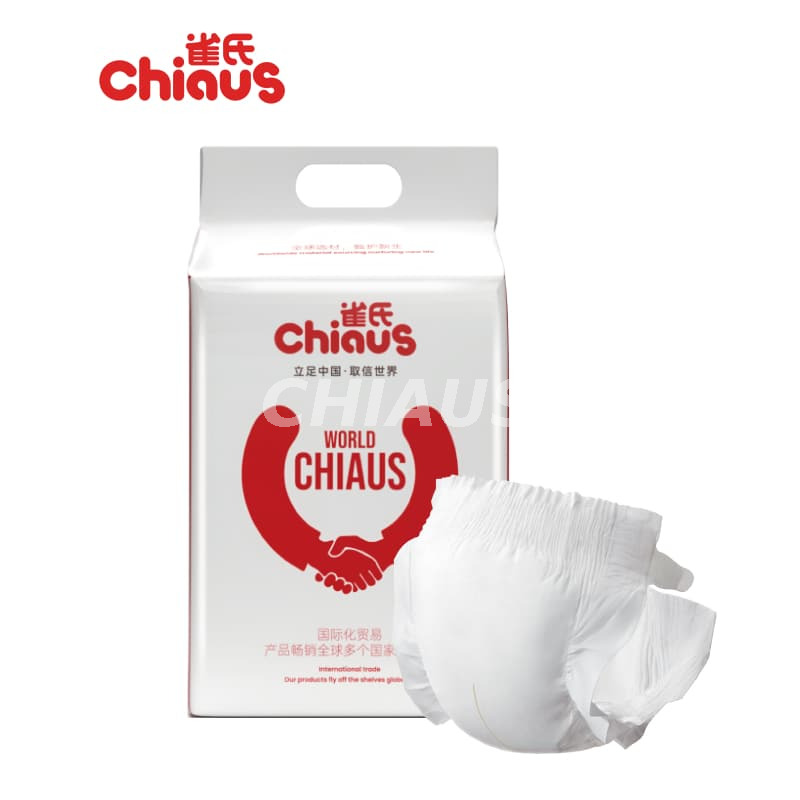
Chiaus Diapers stands out in this area by offering skin-friendly options. Their Fully Organic Cotton Eco-Friendly Style is designed to minimize irritation while providing superior comfort. These diapers are perfect for both infants and adults, ensuring that sensitive skin remains protected while managing leakage effectively. By choosing the right products and following these tips, individuals can maintain healthy skin and enhance their overall comfort.
When to Seek Professional Help
Knowing when to seek professional help for urinary and bowel leakage is essential for effective management. While many individuals can manage mild symptoms through lifestyle changes, some signs indicate a need for medical assistance. Here, we’ll discuss when to consult a healthcare provider and what to expect during your visit.
Signs That Professional Help Is Needed
1. Persistent Leakage Despite Preventive Measures:
If you’ve tried various strategies to prevent urinary and bowel leakage without success, it’s time to consult a professional. Persistent leakage can indicate underlying issues that require medical attention.
2. Other Concerning Symptoms:
Keep an eye out for additional symptoms such as:
a. Pain: Discomfort in the pelvic area or during urination can signal infection or other complications.
b. Changes in Bowel Habits: Sudden changes, like increased frequency or unexpected urgency, may indicate a more serious condition.
What to Expect During a Consultation
When you seek help, the healthcare provider will typically follow a structured approach to assess your situation. Here’s what you can expect:
● Overview of Assessments:
The provider may conduct a physical examination and ask questions about your symptoms and medical history. They might also recommend tests such as urine analysis or imaging studies to understand the issue better.
● Potential Treatments:
Based on the assessment, treatments may include:
○ Medications: To manage symptoms or address underlying conditions.
○ Physical Therapy: Specialized exercises to strengthen pelvic floor muscles.
○ Surgical Options: In some cases, surgery may be necessary to correct anatomical issues.
Summary Table of Symptoms and Actions
Symptom | Action to Take |
Persistent leakage | Schedule a consultation |
Pain during urination | Consult a healthcare provider |
Sudden changes in bowel habits | Seek medical advice |
Chiaus emphasizes the importance of addressing these issues promptly. Their commitment to providing quality products, such as the Fully Organic Cotton Eco-Friendly Style diapers, supports individuals managing leakage while they seek professional help. By understanding when to reach out for assistance, you can take proactive steps toward better health and comfort.
Conclusion
In summary, preventing urinary and bowel leakage requires understanding its causes. Key strategies include pelvic floor strengthening, dietary management, and lifestyle adjustments.
It's essential to maintain skin health and know when to seek professional help.
By taking proactive measures, individuals can enhance their well-being.
Remember, managing urinary and bowel health is within your control. Don't hesitate to take the necessary steps for a better quality of life.
FAQ
Q: What are the best products to manage urinary and bowel leakage?
A: Chiaus offers high-quality products like their Fully Organic Cotton Eco-Friendly Style diapers, designed for comfort and skin protection.
Q: Can children experience urinary and bowel leakage?
A: Yes, children can experience leakage due to various factors, including developmental issues and diet.
Q: Are there any medical treatments available?
A: Yes, treatments may include medications, physical therapy, or surgical options, depending on the underlying cause.
Q: What lifestyle changes can help prevent leakage?
A: Maintaining a healthy weight, practicing pelvic floor exercises, and managing diet can significantly reduce leakage risks.
Q: When should I seek professional help for leakage issues?
A: Seek help if leakage persists despite preventive measures or if you experience pain or sudden changes in bowel habits.


