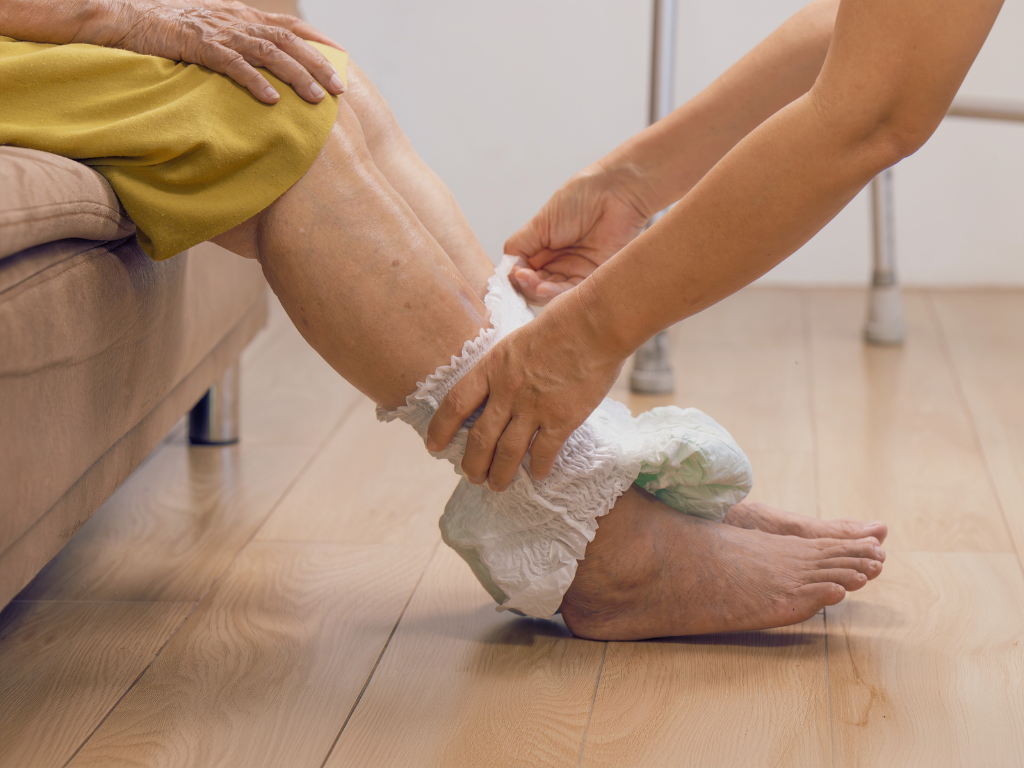
In modern society, disposable diapers serve as a common daily necessity, widely used for infants, the elderly, and individuals with special needs. With the growing global demand for adult and infant diapers, an increasing number of companies are focusing on the production and supply chain of diapers and medical diapers. However, many people lack a clear answer to the question: "Are diapers considered medical supplies?" So, can diapers be regarded as medical supplies? This article will provide you with the answer and analyze the role of diaper suppliers in the global market from multiple perspectives.

What Is Diapers?
Diapers, as the name suggests, are primarily sanitary products designed to absorb urine. They typically consist of a super-absorbent layer, an inner lining, and leak-proof features. Baby diapers and adult diapers differ in design; adult diapers are generally used for the elderly or patients, while baby diapers cater to the specific needs of babies.
Manufacturers must strictly control raw materials and production processes to ensure comfort and safety. With growing healthcare awareness, many consumers now view diapers as "medical" supplies, particularly in elderly care and recovery from illness. Indeed, medical diaper supply emerged precisely to address this market demand.
Are Diapers Considered Medical Supplies?
To determine whether disposable diapers qualify as medical supplies, we must first understand the distinction between "medical supplies" and "daily necessities." This classification depends not only on product design and functionality but also on each country's legal and regulatory definitions of medical supplies. In various regions, medical diapers supply typically refers to diapers specifically manufactured to meet the unique needs of patients or individuals requiring long-term bed rest. To address challenges associated with prolonged use, these diapers often feature enhanced requirements for breathability, comfort, and skin protection. Compared to standard infant diapers, their design prioritizes healthcare functionality, catering to the specialized care needs of patients and the elderly.
The Boundary Between Medical Supplies and Daily-Use Products
Internationally, definitions of "medical supplies" vary across countries and regions. For instance, in Europe and the United States, medical supplies generally denote products designed for specific health needs that must meet stringent hygiene and safety standards. According to the European Medical Device Regulation (MDR, EU 2017/745), medical products encompass all items used for diagnosing, treating, or alleviating diseases. If a diaper is specifically designed for bedridden patients, individuals with incontinence, or the elderly, and features functionalities that enhance health, comfort, and prevent skin conditions, it is more likely classified as a medical diaper supply.
In contrast, standard infant diapers primarily serve routine infant care. While they also maintain cleanliness and absorb urine, they are not specifically intended to address medical needs and are therefore generally not considered medical supplies. Infant diapers fall more under daily necessities, widely available in major retail stores and e-commerce platforms.
Adult Diapers vs. Infant Diapers
Differences in design and functionality between adult and infant diapers are also key factors in determining their medical classification. Adult diapers are typically engineered for chronic incontinence or elderly care, requiring superior absorbency, enhanced breathability, and specialized skin protection to prevent prolonged irritation. Compared to infant diapers, adult diapers prioritize comfort, fit, and antimicrobial properties.
Medical diaper supply primarily targets healthcare settings, with products used in medical institutions and nursing homes adhering to stringent medical standards. For instance, adult diapers may be engineered to better suit the specific needs of bedridden patients, featuring enhanced leak protection and softer materials to minimize skin irritation.
Market Positioning for Medical and Daily Care
Adult Diapers: In many countries, adult diapers are classified as medical products, primarily addressing the care needs of the elderly, patients, or individuals with disabilities. For instance, bedridden patients require these diapers to maintain health, hygiene, and prevent skin conditions. Particularly in healthcare settings like hospitals and nursing homes, adult diapers are frequently used as medical supplies.
Infant Diapers: Infant diapers, however, form part of daily household care and are typically sold as consumer goods. While they provide convenience and comfort for babies, their primary purpose is to meet infants' daily needs rather than medical requirements.
Therefore, whether diapers are classified as medical supplies depends on the product's design, function, and primary application scenario. If a product is designed to address specific health issues (such as incontinence in the elderly), it may align more closely with the definition of a medical supply. Conversely, if it is designed for infants' daily routines, it is generally not considered a medical supply.
The Diaper Supply Chain in the Global Market
Trending of the Diaper Global Market
As global attention to aging societies deepens, demand for adult diapers is rapidly increasing, driving continuous expansion in the diaper supply market. According to Statista , the global adult diaper market is projected to exceed $9 billion by 2023, while the infant diaper market continues to grow steadily.
From a supply chain perspective, diaper production involves multiple stages. First is raw material sourcing, with common inputs including cotton paper, non-woven fabrics, and super-absorbent polymers. The quality of these materials directly impacts the comfort and absorbency of the diapers. Next comes the manufacturing stage, which involves product design, production equipment utilization, and production line management. Finally, distribution channels are established to bring diapers to market through wholesalers, retailers, and online e-commerce platforms.
In the role of diaper suppliers, manufacturers must not only ensure product quality but also stay attuned to global market demand dynamics. Emerging markets like China, India, and Brazil exhibit rapid growth in diaper demand, while developed nations prioritize technological innovation and comfort. Regardless of the market, diaper manufacturers must emphasize environmental sustainability, comfort, and functionality to meet diverse consumer needs.
Health and Safety in Diapers
Health and safety remain paramount in diaper production. This is especially critical for infants and the elderly, whose delicate skin demands exceptional comfort and safety standards. Suppliers must ensure raw materials comply with international safety regulations and implement rigorous quality control throughout manufacturing.
For instance, many manufacturers incorporate breathable materials into their products. This ensures rapid urine absorption while preventing excessive skin moisture, thereby reducing the occurrence of diaper rash and other skin conditions. Such design and technological innovations have transformed diapers from basic hygiene products into items that address health needs. Consequently, many medical diaper products must undergo certification by professional medical institutions to ensure their suitability for healthcare settings.
Opportunities for Diaper Suppliers in the Global Market
With the continuous growth in global demand for diapers, suppliers across numerous countries and regions are encountering significant market opportunities. Particularly in Asia, Latin America, and Africa, rising populations and accelerating aging trends will drive sustained increases in diaper demand.
Against this backdrop, diaper suppliers must prioritize technological innovation, enhance production capacity, and establish efficient global distribution networks. For medical diaper supply specifically, suppliers must ensure products comply with regional medical standards and consumer requirements to gain a competitive edge in the market.
Conclusion
In summary, whether diapers qualify as medical supplies depends on their design, functionality, and usage context. In elderly care and specialized patient care settings, diapers may be considered medical supplies, whereas infant diapers used in daily life are generally regarded as consumer goods. With the continuous growth in global demand for diapers and medical diapers, manufacturers and suppliers are poised to seize significant market opportunities. Looking ahead, the diaper industry will continue to innovate and drive global market expansion as technology advances and consumer demands evolve.
For more information about wholesale baby diapers or adult diapers, please visit Chiaus Diapers.