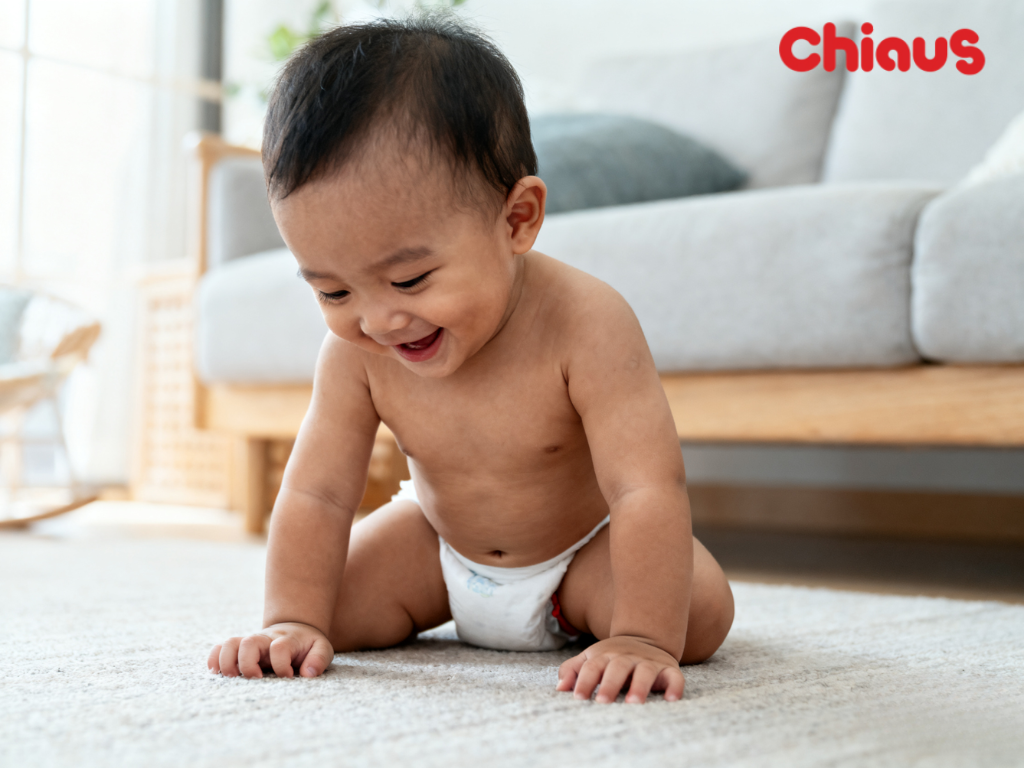
In the world of parenting, disposable diapers and pull-up pants are undoubtedly great inventions that free up parents' hands. However, as babies transition from swaddled infants to crawling, toddling "little explorers," many parents face a choice: should they stick with traditional adhesive-fastened diapers, or switch to pull-ups that resemble little underwear? A key question arises: "Do pull-up pants and diapers offer the same absorbency?" Could their thinner, more breathable design compromise absorbency?
The answer is: They are usually different. Generally speaking, traditional adhesive-style diapers are designed with greater absorbency than pull-up pants. However, this is not a question that can be simply answered with a "yes" or "no". This difference does not indicate superiority or inferiority in quality; rather, it stems from fundamental differences in their original design purposes, target users, and usage scenarios. Understanding the underlying logic is far more meaningful than merely comparing numbers. It empowers parents to make the most scientifically sound and comfortable choice for their baby.
This article will delve into the differences in absorbency between disposable diapers and pull-up pants, offering a comprehensive and in-depth perspective by examining their design philosophies, core technologies, and real-world application scenarios.
Key Differences in Absorbency Between Pull-Up Pants & Diapers
To understand the disparity in absorbency, one must first grasp for whom and under what circumstances these products were created.
Diapers: An Absorption Fortress Designed for "Static" Newborns
Frequent urination with small volumes: Newborn bladders hold minimal capacity, and urination is uncontrolled—occurring up to 10–15 times daily or more, though each instance produces little urine.
Extensive sleep duration with critical quality: Newborns require 16–20 hours of sleep daily, which is vital for brain and physical development. Frequent diaper changes severely disrupt sleep.
Distinct stool characteristics: Breastfed babies typically have looser, more frequent stools, demanding high leak-proofing and rapid absorption.
Open Structure + Hook-and-Loop Fasteners: Adjustable hook-and-loop tabs on both sides of the waistband allow repeated customization, ensuring a perfect fit around newborns' delicate waists and chubby thighs. This creates a “custom-fit” seal that significantly reduces the risk of side and back leakage. The open design also facilitates quick changes for parents without excessive baby repositioning.
Centralized Absorption Core: The diaper's core typically employs a "three-layer" or "multi-layer" drainage structure. The outer non-woven layer rapidly channels moisture, while the middle layer—a blend of fluffy cotton and super absorbent polymer (SAP)—concentrates, absorbs, and locks in urine quickly. SAP usage is often concentrated, particularly in the core's center, to handle urine concentrated at one point when babies lie on their backs.
Pull-Up Pants/Training Pants: Active wear Designed for "Dynamic" Toddlers
Suitable for babies over 7 months old who are highly active, learning to walk, or undergoing potty training.
Babies at this stage are "Dynamic" explorers. Significant changes occur in their physiology and behavior:
Surge in Activity: Crawling, walking, running, climbing... Babies' range and intensity of movement increase dramatically, demanding high flexibility and freedom in clothing.
Changing Urination Patterns: Bladder capacity increases, reducing urination frequency but significantly increasing volume per instance, making urination more concentrated.
Emerging Independence: Begins learning to dress and undress independently, preparing for potty training.
The core of pull-up diaper design is "freedom of movement and rapid absorption," fully supporting the baby's gross motor development.
Underwear-Style Integrated Design
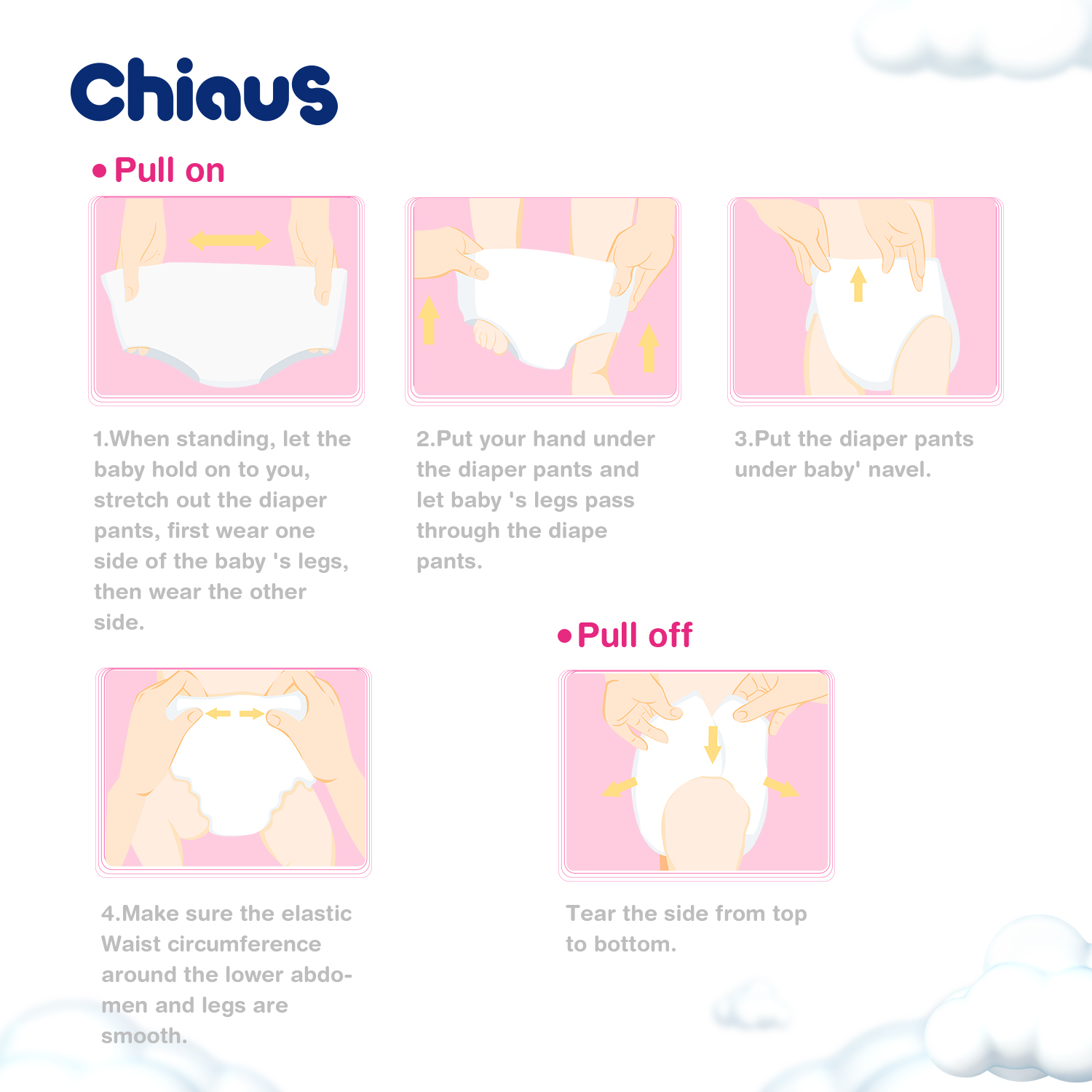
Puts on and takes off like regular underwear, offering unparalleled convenience for active babies. The elastic waistband provides all-around support, staying securely in place without shifting or causing friction, no matter how much the baby wriggles or crawls. This design encourages independent dressing and undressing, serving as the first step toward potty training.
Distributed Absorption Core
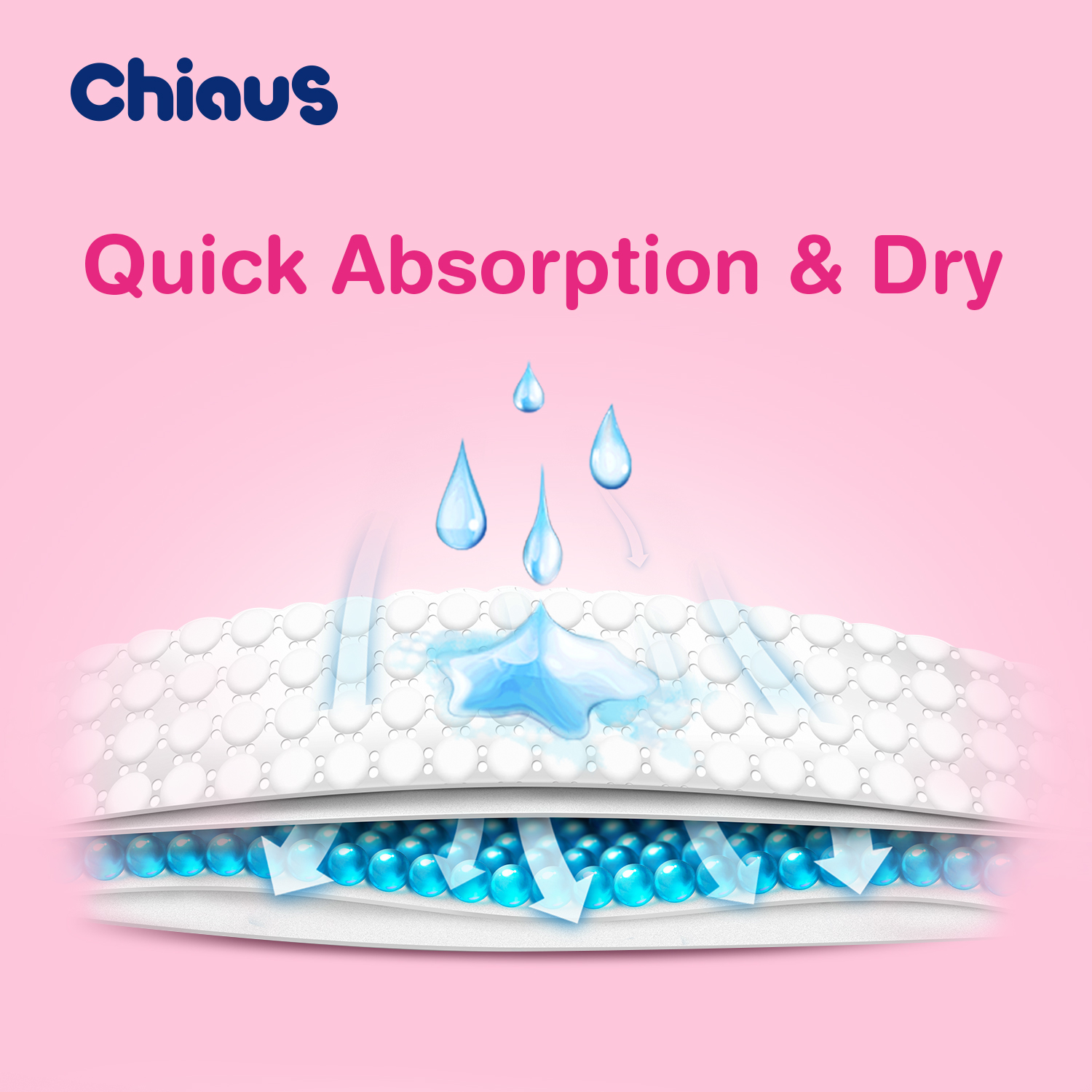
The core design emphasizes even distribution and rapid absorption. To achieve a thinner, more form-fitting, and breathable appearance, the total SAP content may be slightly less than that of diapers of the same size. However, it is distributed more widely and evenly. This design quickly captures and disperses urine from different positions (whether the baby is sitting, standing, or lying down), locking it in rapidly to prevent accumulation in one area that could cause sinking, discomfort, or leakage.
Summary: At their core, disposable diapers are "absorption specialists engineered for extended periods of static sleep," while pull-ups are "agile performers designed for high-intensity dynamic activity." One pursues maximum total absorption capacity, while the other prioritizes absorption efficiency under movement constraints. This fundamental difference fundamentally determines their distinct approaches to absorption capability.
Absorbency Core Design Comparison
Having explored the design philosophy, we now dissect the specific metric of “absorption capacity” from a technical perspective.
Quantitative Comparison of Absorption Capacity
While product data varies significantly across brands and series (e.g., premium nighttime vs. standard daytime lines), a side-by-side comparison of diapers and pull-ups within the same brand and size (e.g., size L) typically shows diapers possessing a higher theoretical maximum absorption capacity.
Laboratory Data: Third-party evaluations and brand disclosures indicate that for the same brand and size, diapers may exhibit 10%-20% higher saturated absorption capacity than pull-ups—sometimes even more. For instance, a well-known brand's size L diapers can reach over 1000ml maximum absorption, while its size L pull-ups typically range between 800-900ml.
Why the difference: The primary reason lies in structural space. The open design of diapers allows for greater downward expansion in the central area after absorbing urine. Pull-ups, however, feature an integrated pant-like shape. To ensure a snug fit and aesthetic appeal, their overall thickness and expansion space are constrained. Excessive absorbent material would make them bulky, compromising mobility and comfort.
Comparison of Absorption "Speed" and "Liquid Locking" Capabilities
Absorption capacity isn't the sole criterion. Absorption speed and liquid locking (anti-leakage) capabilities are equally crucial, directly impacting the baby's skin dryness and health.
Disposable Diapers
Absorption speed is extremely fast, especially for frontal liquid sprays. Their powerful core instantly absorbs large volumes of liquid and securely locks it inside. Anti-leak technology is exceptionally effective, meaning the surface remains relatively dry to the touch even after absorbing substantial urine, significantly reducing the risk of diaper rash (red bottom) from prolonged moisture exposure. Elevated leakage guards are another key feature, effectively preventing urine from seeping out around the legs.
Pull-Up Pants
They also boast rapid absorption speed. With evenly distributed absorbent layers, urine is quickly captured regardless of where it comes from. Their locking ability is strong, but due to slightly lower overall capacity, they may reach saturation faster than diapers during extremely heavy single urinations. Their design advantage lies in superior breathability. Thinner materials and a more form-fitting design reduce stuffiness, a major advantage for active, sweaty toddlers.
Application of Absorbent Materials
The core absorbent material in both is Super Absorbent Polymer (SAP), a remarkable substance capable of absorbing hundreds or even thousands of times its own weight in liquid. Its application strategy determines the product's performance.
Diapers: SAP filling is more "generous," especially in areas concentrated with urine impact, forming a powerful "absorption reservoir."
Pull-up pants: SAP distribution is more "strategic," like an even absorption net, prioritizing speed and mobility.
Usage Scenarios & Absorbency Needs
Selecting by Age and Developmental Stage
0-6 months (Newborns and Infants): Choose disposable diapers without hesitation. Their superior absorbency, leak protection, and snug fit make them the ideal choice for babies at this stage. Especially at night, a high-absorbency disposable diaper is a "must-have" for ensuring both baby and parents enjoy a full night's sleep.
7-12 months (Crawling and Early Walking Stage): Transition and Mixed-Use Period. As your baby becomes proficient at crawling and attempts to stand, introduce pull-ups. Initially, use pull-up pants during daytime activities to let your baby enjoy unrestricted movement. For nighttime and extended sleep periods, stick with high-absorbency diapers to ensure a dry night.
12+ Months (Proficient Walking & Potty Training Stage): Pull-ups become the primary choice. Babies are highly active during this phase and begin potty training. The pant-style design of pull-ups makes it easy for children to practice putting them on and taking them off themselves, helping build awareness of independent toileting. Pull-ups can be used both day and night if your baby's urine output isn't exceptionally high. Some brands offer "nighttime pull-up pants" with enhanced absorbency to meet most babies' overnight needs.
Nighttime sleep/long naps: Prefer diapers. Their higher absorbency provides longer protection, minimizing sleep disruptions from changes.
Daily Play/Outings: Pull-ups are preferred. Their ease of use (no need to lie down—changes can be done standing up) and high freedom of movement are undeniable advantages.
Special Circumstances: If your baby has diarrhea with frequent, loose stools, the open design of disposable diapers allows for easier, more thorough, and quicker cleaning, often providing a better experience than pull-ups.
Selection and Application Techniques
Size Matters: Whether using disposable diapers or pull-ups, selecting the correct size is essential for leak prevention. Oversized diapers may leak, while undersized ones can cause skin irritation and reduce absorbency.
Proper Diaper Application: After putting on the diaper, always pull out the leak guards to ensure they lie flat against the baby's thighs. Secure the Velcro tabs symmetrically, adjusting to a snug fit where one finger can comfortably fit between the tab and skin.
Proper pull-up pants Application: After pulling them on like underwear, use your fingers to smooth the waistband and leg openings all the way around. Ensure the leak guards are fully extended and snug against the skin—this is the key step to prevent side leaks.
Market Product Overview and Frequently Asked Questions (FAQ)
Q1: Are there pull-up pants with absorbency comparable to disposable diapers?
A: Yes. Many premium brands have recognized parents' demand for nighttime pull-up pants, leading to the launch of enhanced absorbency or nighttime-specific pull-ups. These products significantly enhance absorbency by improving core structure and increasing super absorbent polymer (SAP) content, achieving performance levels very close to or even matching traditional diapers. If you plan to use pull-ups exclusively, these series are recommended.
Q2: Why are pull-ups typically more expensive than diapers with the same number of pieces?
A: The primary reason lies in the manufacturing process. The integrated pant design of pull-ups involves a more complex production method than open-style diapers, requiring additional elastic materials and manufacturing steps, thus increasing costs.
Q3: Are there any considerations when choosing pull-ups for boys versus girls?
A: Some brands offer gender-specific designs. The key difference lies in the distribution of the absorbent core. Boys' styles feature a thicker front layer to accommodate urine concentration in that area, while girls' styles have a thicker mid-to-back layer for more even absorption. This applies to both disposable diapers and pull-ups. Choosing a gender-specific design can further enhance leak protection and absorption efficiency.
Q4: How do I know when to change the diaper?
A: Don't rely solely on time. Focus on two key indicators:
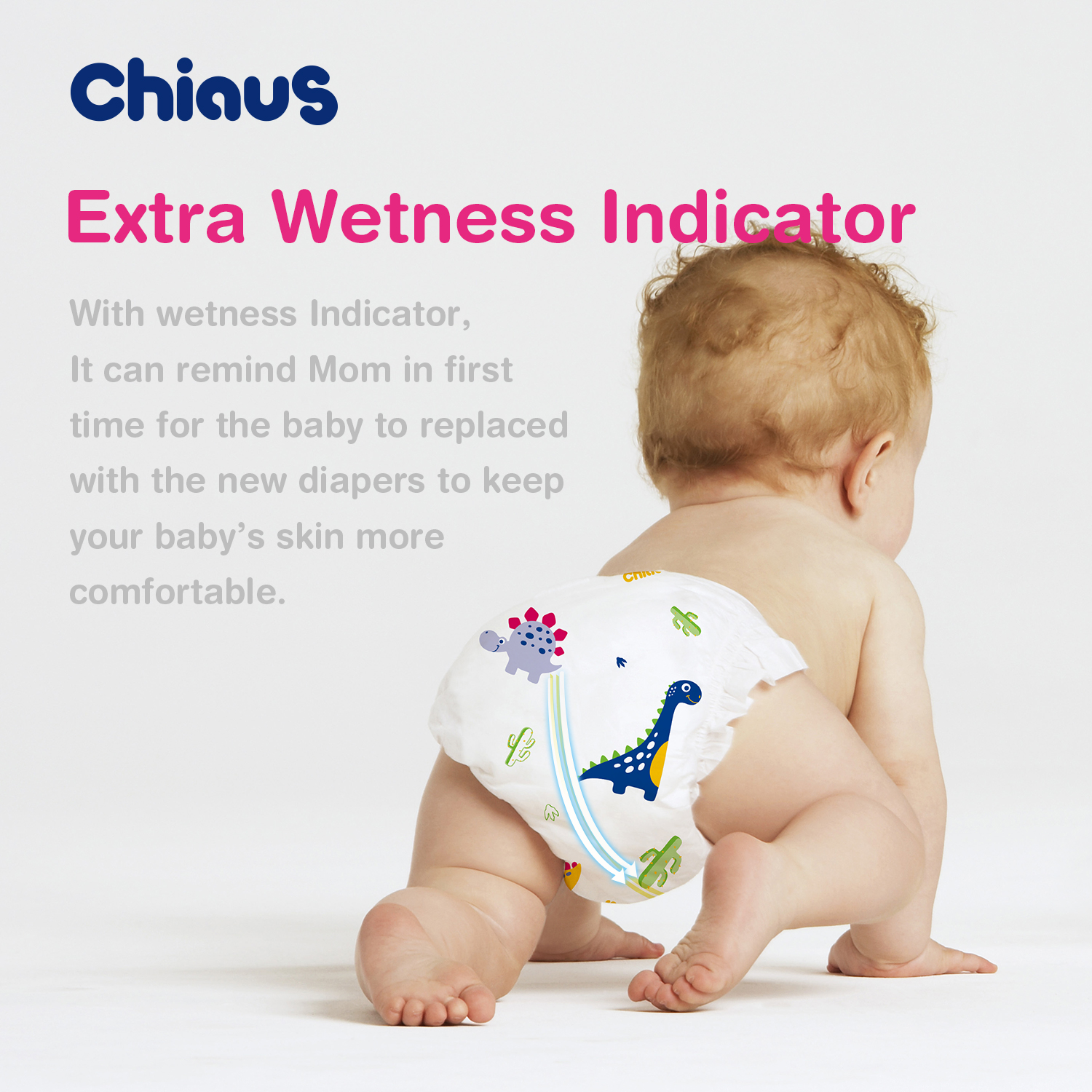
Wetness indicator: Most diapers and pull-ups feature a wetness indicator that changes color when wet (e.g., from yellow to blue). This is the most straightforward indicator.
Feel: Gently squeeze the bottom of the diaper. If it feels heavy and bulky, it's time for a change.
Conclusion
Returning to the original question: Do pull-ups and disposable diapers have the same absorbency?
The answer is no. Traditionally designed diapers offer greater absorbency. However, this difference is intentional—a perfect balance between functionality and practicality. They aren't competing substitutes but complementary partners designed to meet your baby's evolving needs at different stages.
As parents, we shouldn't obsess over "which is better." Instead, we should learn to "choose the right product for the right time and the right situation""Understanding diapers' powerful capacity as "sleep guardians" and appreciating pull-ups' agile dryness as "activity companions"—flexibly pairing them—is the essence of scientific parenting. The ultimate goal remains singular: ensuring babies' health and comfort while supporting their free, joyful exploration of this vast world.
Thank you for your reading, if you are interested in OEM baby diaper brand, welcome to contact us for inquiry.


