You are not alone. Millions of adults around the world have urinary incontinence. Between 25% and 45% of women and 11% to 34% of men deal with it. This condition can limit social activities, cause emotional stress, and lead to depression and anxiety. More than one-third of people report moderate to severe distress. It means losing control of your bladder without meaning to.
This guide breaks down the Types of Incontinence Products based on your gender, lifestyle, and absorbency needs. You will learn about protective underwear and their different uses. The goal is to make your choice easier and help you feel confident again.
Practical, discreet solutions exist for every situation. This guide will help you find your options with ease.
Key Takeaways
Know what kind of incontinence you have and how bad your leaks are to choose the right product.
Women use shaped pads for light leaks and protective underwear for active days.
Men pick male guards for small drips or condom catheters for heavy leaks.
Disposable products are handy, but they cost more and hurt the environment.
Cloth products you can wash and use again let air flow through, and they cost less in the long run.
Change your product every 4 hours and use barrier cream to stop rashes from forming.
Choose absorbency ratings that fit your actual needs, not just what tests show.
Understanding Urinary Incontinence and Your Needs
Before you choose any types of incontinence products, you must understand your condition. Each type of incontinence has different triggers and requires different solutions. Knowing your specific situation helps you pick the right protection.
Types of Incontinence and Their Causes
Stress, Urge, and Overflow Incontinence
Stress incontinence happens when physical pressure on your bladder causes leakage. You might leak when you cough, sneeze, laugh, or lift something heavy. This type often results from weak pelvic floor muscles or sphincter deficiency. Prostate surgery in men or childbirth in women can trigger this condition.
Urge incontinence creates a sudden, intense need to urinate. You may not reach the bathroom in time. Overactive bladder muscles cause this type. Risk factors include diabetes, menopause, neurological disorders like Parkinson's disease, and urinary tract infections. Smoking and obesity also increase your chances of developing urge incontinence.
Overflow incontinence occurs when your bladder cannot empty completely. Urine leaks out because the bladder stays too full. An enlarged prostate, bladder stones, or nerve damage from conditions like multiple sclerosis can cause this type. You might experience frequent dribbling or a constant feeling of fullness.
Functional and Mixed Incontinence
Functional incontinence happens when physical or mental limitations prevent you from reaching the bathroom. Arthritis, dementia, or stroke can make timely bathroom access difficult. Your bladder works normally, but your body cannot respond in time.
Mixed incontinence combines two or more types. Many women experience both stress and urge incontinence together. This combination requires careful product selection to address multiple leakage patterns.
Assessing Your Leakage Severity
Light, Moderate, and Heavy Absorbency Needs
You must honestly assess how much leakage you experience daily. Light leakage means a few drops during a cough or laugh. Absorbent pads or thin liners work well for this level. Moderate leakage involves dampness that soaks your underwear but not your outer clothing. Moderate products include shaped pads and protective underwear designed for everyday wear.
Heavy leakage means your bladder releases without warning. You may soak through clothing or need changes throughout the day. Heavy absorbency options include adult briefs and high-capacity pull-up pants. Consider how often you change products and how much protection you need during sleep.
Lifestyle and Mobility Considerations
Active Lifestyles vs. Bedridden Care
Your daily routine determines which types of protection suit you best. Active individuals need discreet, flexible options that move with their bodies. Underwear styles with light-to-moderate absorbency allow freedom of movement without visible bulk or noise. You can exercise, work, and socialize without worry.
Bedridden or limited-mobility individuals require different solutions. Adult briefs with adjustable tabs offer heavy-to-maximum absorbency. These products stay securely in place during caregiver-assisted changes. The tab design makes dressing and changing easier for someone with limited movement.
Mismatched products cause real problems. Active people using bulky briefs experience discomfort during physical activity. Bedridden patients using pull-up styles face difficulty during transfers. Choose pads or briefs that match your mobility level and the assistance available to you.
The right product fits your body, your lifestyle, and your level of activity. Take time to evaluate your needs honestly before making a purchase.
Types of Incontinence Products for Women
Women deal with special issues when it comes to bladder control. The right product depends on your body, your daily routine, and how much leakage you have. Knowing the types of incontinence products helps you pick the best one. This part covers the main options made just for women.
Absorbent Pads and Liners
Absorbent pads are the top pick for women with light to moderate incontinence. Many women use menstrual pads for bladder leaks, but these two items work in different ways. Menstrual pads handle slow, thick blood over a few days. Bladder pads must handle thin, fast urine that comes in sudden bursts. The design and tech are not the same.
The facts are clear. Incontinence pads soak up more fluid and leak less. Urine flow can hit 20–30 mL/s, so quick absorption matters. Menstrual pads do not need that speed because blood comes out slowly over days, not in quick bursts.
Shaped Pads for Everyday Protection
Shaped pads have a curved design that fits close to your body. This shape catches leaks right where they start. The wider back covers more area when you sit or sleep. The narrower front lets you move easily during the day. These pads work well for women who leak during exercise, laughing, or lifting. You can wear them with normal underwear and no one will notice. Most shaped pads have sticky strips that keep them in place.
Ultra-Thin Liners for Light Leakage
Ultra-thin liners give light protection for very small leaks. You might need these if you leak a few drops when you sneeze or cough. These liners are only a few millimeters thick, so they are almost invisible under clothes. They work great for women who want safety without feeling like they wear a product. Many women keep a few liners in their purse for surprise moments. The thin design still controls moisture well because special materials lock fluid away from your skin.
Protective Underwear and Pull-Up Pants
Protective underwear offers more absorbency while still looking and feeling like normal underwear. These items look like regular panties but have built-in absorbent cores. You pull them on and off like normal underwear, which makes them great for independent women who want ease.
Discreet Fit for Active Lifestyles
Active women need protection that moves with them. Pull-up pants have stretchy sides that bend, stretch, and move with you. The slim shape fits under yoga pants, work clothes, or casual wear without showing. You can exercise, shop, or go to meetings without worry about lines or noise. Chiaus makes adult pull-up pants that are comfy and discreet, good for moderate to heavy incontinence. These products use soft, breathable materials that keep your skin dry all day.
Moderate to Heavy Absorbency Options
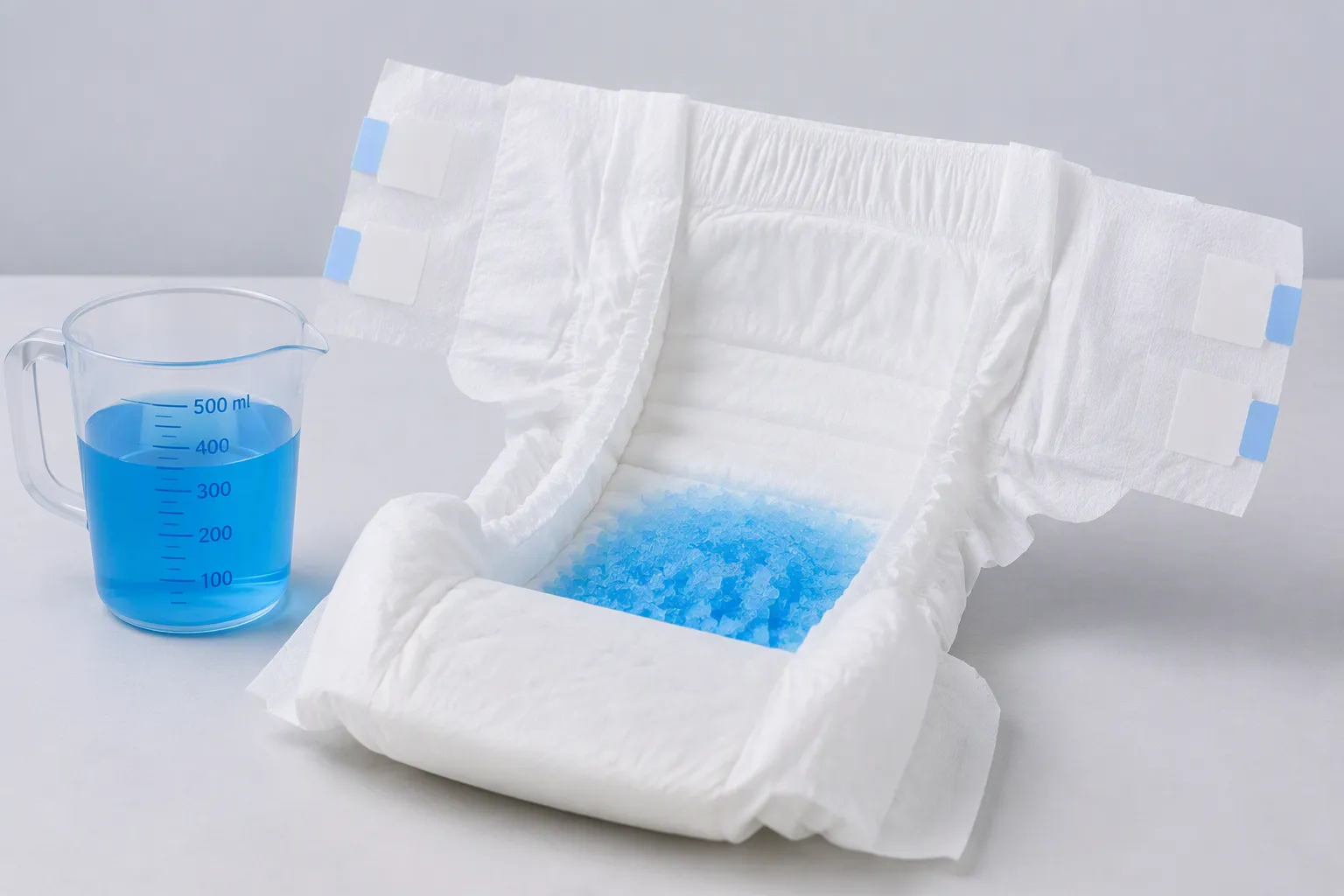
For women with heavier leaks, pull-up pants with more absorbency give steady protection. These options have super-absorbent materials that turn into gel when wet. The gel keeps moisture away from your skin, which stops irritation and odor. Many designs have wetness indicators that change color when you need a new one. This helps women who cannot tell when their product is full. You can pick different absorbency levels based on your daily habits and nighttime needs.
Specialized Products for Stress Incontinence
Stress incontinence happens when pressure on your bladder causes leaks. This often affects women after childbirth or when pelvic floor muscles weaken with age. Beyond absorbent products, special devices give extra protection.
Vaginal Inserts and Support Devices
Vaginal inserts, also called incontinence inserts, support the urethra from inside. These small, flexible devices go into the vagina and press against the urethra to stop leaks during activity. Studies show they work. Two studies looked at a vaginal support pessary in 21 women during hard exercise:
These devices give a drug-free, surgery-free choice for women with stress incontinence. You put the device in before activities that cause leaks, like running, jumping, or heavy lifting. Many women like this option because they only need protection at certain times, not all day. Talk to your doctor to see if a vaginal insert fits your body and condition.
Types of Incontinence Products for Men
Men face unique challenges when managing bladder leaks. The male anatomy requires products designed specifically for its shape and leak patterns. Understanding the types of incontinence products available helps you choose protection that fits your body and lifestyle. This section covers the main options made for men, from light guards to heavy-duty collection systems.
Male Guards and Drip Collectors
Male guards are the most popular choice for light to moderate incontinence. These products fit directly against the penis and absorb urine before it reaches your underwear. Unlike menstrual pads, male guards are shaped around male contours. This anatomical design keeps absorbency where you need it most. Most guards work best with close-fitting underwear that holds them snugly in place.
Pouch-Style Guards for Drip Protection
Pouch-style guards feature an elasticized pouch that creates a cup-like fit around the penis. This design catches drips and small leaks throughout the day. The pouch shape keeps the absorbent material close to your skin without bunching or shifting. You can wear these guards during work, exercise, or social events without visible bulk. Many men prefer pouch guards because they feel secure even during physical activity. The elastic edges prevent gaps where urine could escape. For light, predictable leakage, pouch guards offer reliable protection that stays put.
Adhesive Guards for Secure Fit
Adhesive guards use a repositionable adhesive strip to stick directly to your underwear. This design keeps the guard in place even if you move around a lot. The V-shaped pad conforms to male anatomy and provides discreet, secure wear. You can adjust the position throughout the day if needed. Adhesive guards work well for men who experience occasional drips after urination. The low-profile design ensures no one notices you wear protection. When comparing pouch-style and adhesive guards, consider your daily activities. Pouch guards offer more containment for active men. Adhesive guards provide flexibility for those who need to reposition throughout the day.
For men with severe incontinence, condom catheters offer a different approach. These external devices fit over the penis like a sheath and collect urine into a drainage bag. They are not internal catheters. Nothing enters your body. This design significantly reduces infection risk compared to indwelling catheters.
Sheath Systems for Heavy Incontinence
Sheath systems work well for men who cannot control their bladder at all. The soft silicone or latex sheath rolls over the penis and connects to tubing. Urine flows through the tube into a collection bag. Research shows condom catheters cause fewer complications than internal catheters, with lower rates of adverse events and longer time to adverse events. Patient comfort also favors external systems, with a higher proportion of users reporting comfort and fewer reporting pain compared to internal catheter users.
Leg Bags and Drainage Management
Leg bags attach to your calf or thigh and collect urine throughout the day. Proper management prevents leaks and infections. Keep the leg bag below your waist so urine does not flow backward. Empty the bag when it is about half full, typically every few hours during the day. Wash your hands before and after handling the bag. When emptying, do not let the bag or spout touch dirty surfaces. Clean the spout with rubbing alcohol if possible. Change the leg bag from one leg to the other occasionally. Clean the bag daily with a vinegar-water solution or bleach-water mixture. Soak for some time, then rinse and air dry. Replace bags regularly, morning and night.
For nighttime, use a large-capacity night bag. Keep the night bag below bladder level on a stable hanger or stand, never on the floor. Choose tubing with a non-return valve to stop urine from flowing back into the bladder. Secure tubing with clips or medical tape, leaving enough slack for comfortable movement in bed. Before sleep, ensure the connection is tight, the valve is closed, and the tubing is free of kinks. In the morning, empty and rinse the night bag with warm water followed by a vinegar rinse to reduce odor and bacterial growth.
Protective Underwear and Briefs for Men
Protective underwear for men looks and feels like regular briefs but includes built-in absorbent padding. These products offer moderate protection while maintaining a normal appearance. You pull them on and off like standard underwear, making them ideal for independent men who value convenience.
Discreet Options for Active Men
Active men need protection that moves with them. Pull-up style underwear features stretchy sides that bend and flex during movement. The slim profile fits under dress pants, jeans, or athletic wear without showing lines or making noise. These options handle light to moderate leakage while you work, exercise, or socialize. The NAFC guide identifies briefs as ideal for active men who are mobile and independent. TENA categorizes protective underwear as suitable for moderate leakage during active days with a secure fit. Choose underwear with moisture-wicking materials that keep your skin dry and prevent chafing. Many designs include odor control technology to keep you fresh throughout the day. For men who want reliable protection without sacrificing an active lifestyle, pull-up underwear provides the perfect balance of security and discretion.
The right product matches your activity level, mobility, and leakage severity. Take time to evaluate your needs honestly before making a purchase.
Unisex and High-Absorbency Options
When your incontinence gets too heavy for standard protective underwear, you need stronger solutions. These unisex products work for both men and women dealing with severe leaks, nighttime accidents, or bowel incontinence. Knowing these high-absorbency options helps you stay comfortable and keep your dignity, even in tough situations.
Adult Diapers and Tab-Style Briefs
Tab-style briefs, often called adult diapers, offer the strongest protection you can get. Unlike pull-up styles, these products have adhesive tabs on each side that open and close easily. This design works well for bedridden people or those who need help from a caregiver during changes.
Maximum Absorbency for Heavy or Bowel Incontinence
For heavy or bowel incontinence, you need maximum absorbency that lasts all night. Different brands offer different capacities, and knowing the differences helps you pick the right one. The table below compares top options for overnight protection:
Brand
Max Absorbency
Wear Time
Key Feature
NorthShore MegaMax
High
Long
Plastic backing
Because Premium
High
Long
DryFeel technology
TENA ProSkin
High
Long
Anatomical fit
Some tabbed briefs go even further. Abena Abri-form offers high absorbency, while Attends Premier reaches very high levels. Wellness Superio Signature provides high absorbency, and Tranquility Premium Overnight delivers high absorbency. These numbers show that Attends Premier leads the market for maximum overnight protection. Chiaus manufactures adult diapers with advanced absorbent technology that keeps skin dry all night.
Easy Fastening for Limited Mobility
Tab-style briefs solve a big problem for people with limited mobility. You can open and close the tabs without taking off the brief completely. Caregivers can change a bedridden patient without lifting or rolling them too much. The tabs allow for a custom fit around the waist and hips. You can adjust tightness for comfort while lying down or sitting in a wheelchair. This design reduces strain on both the wearer and the caregiver during every change.
Underpads and Bed Protection
Underpads protect your mattress, furniture, and wheelchair from leaks. These flat, absorbent layers sit between your body and the surface below you. They come in two main types: disposable and reusable.
Disposable Chux for Caregivers
Disposable underpads, often called chux, offer convenience for caregivers. You use them once and throw them away. Clinical research shows that disposable underpads beat reusable ones in several key areas:
Outcome
Disposable Underpads
Reusable Underpads
Statistical Significance
Hospital-Acquired Pressure Injuries
Lower
Higher
Significant
Incontinence-Associated Dermatitis
Not significantly different
Not significantly different
Not significant
Hospital Length of Stay
Shorter
Longer
Significant
These results show that disposable underpads reduce pressure injuries and shorten hospital stays. The lower injury rate with disposables compares well to the higher rate with reusable options. For caregivers managing bedridden patients, this difference matters a lot.
Washable, Reusable Bed Pads
Reusable bed pads offer a more sustainable choice. You wash and dry them between uses, which cuts down on waste over time. These pads work well for home care where you can handle laundry easily. They often feature a waterproof backing that stops moisture from reaching the mattress. The absorbent core pulls fluid away from the skin, reducing irritation. While the clinical data favors disposables for hospital settings, reusable pads serve home users well. You can rotate several pads through your laundry cycle to ensure you always have a clean one ready.
Booster Pads and Stuffers
Booster pads, also called stuffers, add extra absorbency to your existing absorbent pads or briefs. You place them inside your primary product to increase its capacity. This strategy helps you extend wear time without switching to a bulkier product.
Adding Extra Absorbency to Existing Products
Booster pads come in various capacities. Some boosters add a small amount of absorbency, while others add a larger amount. In general, booster pads add a moderate to high level of absorbency. Light boosters add a small increase, mid-range options add a moderate increase, and heavy-duty versions add a large increase.
You place the booster inside your brief or protective underwear along the area where leaks occur most. For men, position it toward the front. For women, center it where pressure concentrates. This customization lets you tailor your protection to your specific leakage pattern. You can use boosters at night to extend wear time or during long trips when changing is difficult. They transform a moderate product into a high-capacity solution without extra bulk.
Choosing the right high-absorbency option depends on your mobility, caregiver support, and leakage severity. Evaluate these factors honestly before selecting your solution.
Disposable vs. Reusable: Materials and Skin Health
Choosing between disposable and reusable products affects more than your daily routine. It impacts your budget, the environment, and most importantly, your skin health. Understanding the trade-offs helps you make an informed decision that works for your lifestyle.
Pros and Cons of Disposable Products
Convenience and Odor Control
Disposable incontinence products offer unmatched convenience. You use them once, then throw them away. No laundry, no drying time, no storage of soiled items. Modern disposables also excel at odor control. Super-absorbent polymers lock moisture away quickly, trapping smells before they escape. This feature matters in social situations where discretion is key. You can change quickly and dispose of the product without worry.
Environmental Impact and Cost Over Time
The environmental cost of disposables is significant. Each user generates many used products per year. In the US alone, disposable diapers contribute a large amount of landfill waste. These products take a long time to decompose because they contain plastics. The carbon footprint is high. Manufacturing energy use is higher per use compared to reusables. Over months and years, these costs add up financially and environmentally.
Benefits of Reusable Cloth Products
Breathability and Reduced Skin Irritation
Reusable cloth underwear offers superior breathability. Natural fibers allow air circulation that disposables cannot match. This airflow keeps skin drier and reduces irritation. Cloth products contain no SAP crystals, fragrances, or chemical additives that sometimes trigger allergic reactions. For sensitive skin, this difference matters enormously. Many users report fewer rashes and less itching after switching to cloth.
Long-Term Cost Savings and Sustainability
Reusable options save money over time. You purchase a few shells or inserts and reuse them for years. Eco-friendly washing practices can reduce environmental impact compared to standard methods. Commercially laundered cloth uses less water than disposable manufacturing. While home laundering may use more water than disposable production alone, the overall resource footprint remains lower. You also avoid contributing to the landfill problem.
Managing Skin Health and Preventing Rashes
The Role of Breathable Materials
Skin health depends heavily on material choice. Look for underwear that is certified to be free of harmful substances. Breathable materials allow moisture to evaporate, preventing the warm, damp environment where rashes thrive. This matters for both disposable and reusable options. Even the most absorbent product cannot compensate for poor airflow.
Importance of Barrier Creams and Proper Hygiene
Proper hygiene prevents incontinence-associated dermatitis. Follow these steps consistently:
Cleanse after each episode of incontinence, using a pH-balanced cleanser without alcohol, fragrance, or soap.
Change your product frequently to reduce skin exposure.
Apply barrier cream after each episode. Effective options include zinc oxide, dimethicone, petrolatum, or lanolin-based creams.
Moisturize vulnerable areas regularly with glycerin, lanolin, or oil-in-water emulsions to maintain skin resilience.
Consistent skin care prevents painful rashes and keeps you comfortable. Choose breathable materials, change frequently, and protect with barrier creams.
Selecting and Buying Incontinence Products
Choosing the right protection starts with knowing your daily routine, clothing style, and budget. The best product for you balances absorbency, comfort, and discretion. Think about when leaks happen, how often you change, and what activities fill your day. These factors guide you toward the right types of incontinence products for your situation.
Matching Product to Absorbency Level
Reading Packaging Labels and Absorbency Ratings
Packaging labels use drop symbols or milliliter ratings to show absorbency. These ratings help you compare products at a glance. Light protection handles occasional drips and minor leaks from stress incontinence. Moderate options suit frequent leaks during active daytime wear. Heavy protection works for larger urinary leakage or when bathroom access is limited. Maximum absorbency covers overnight leaks, heavy incontinence, and extended wear for those with limited mobility.
Severity Level
Typical Use Case
Light
Occasional drips, minor leaks, stress incontinence
Overnight leaks, heavy incontinence, limited mobility, extended wear
Laboratory capacity vs. real-world working capacity: Lab tests are done without body weight or movement, often showing high capacities. When worn, compression from sitting, walking, or lying reduces core space, yielding a working capacity that is a fraction of the rated value. Example: a diaper rated high may leak after much less volume in actual use. This explains why some brands with high ratings underperform in practice.
Fit matters as much as absorbency. Measure your waist at the natural waistline and hips at the widest point. Check for secure but non-restrictive leg cuffs. Ensure no bunching or gaps exist. Ill-fitting products increase the risk of skin problems and urinary tract infections. Many brands offer larger sizes with tape tabs and inner leg cuffs for larger body types.
Where to Buy: Retail Stores vs. Online Suppliers
Pharmacies and big-box stores let you see packaging in person. You can check sizing charts and compare brands side by side. However, many people find incontinence products embarrassing to buy in stores. Many shoppers avoid this discomfort by choosing online options instead.
Online shopping and subscription services eliminate unplanned trips to the store. They provide automatic regular delivery of diapers and pads, which benefits busy consumers. Subscriptions often offer discounts on all orders, with first orders sometimes discounted significantly. Pricing stays comparable to big box stores and pharmacies. Products arrive in discreet packaging right to your door. You can change, skip, or cancel subscriptions without fees.
Benefits of Subscription Services and Discreet Shipping
Automatic monthly delivery prevents running out of supplies. You never face an empty cabinet at an inconvenient moment. Discreet packaging protects your privacy. No one knows what your package contains. For individual consumers, purchase from reputable online retailers or pharmacies. Chiaus offers OEM and ODM services for businesses, but individual buyers should seek established retail channels.
Practical Tips for Usage and Disposal
Proper Fitting and Changing Schedules
Change frequency depends on your care scenario. General adult management requires several changes daily. Bedridden individuals need changes frequently. Cognitively impaired individuals require changes frequently. After bowel movements or significant accidents, change immediately.
Care Scenario
Recommended Change Frequency
General adult management
Several times daily
Bedridden individuals
Frequently
Cognitively impaired individuals
Frequently
After bowel movements or significant accidents
Immediately
Odor Control and Discreet Disposal Methods
Proper disposal controls odor and maintains hygiene. Roll or fold the used product inward so the soiled area stays contained. Secure any tabs around the rolled brief. Place the product in an odor-control disposal bag or a lined trash bin with a tight-fitting lid. Empty the trash regularly, especially after overnight use. Keep the area well ventilated.
Carry a small on-the-go kit for outings. Include one or two spare protective underwear items, odor-sealing disposal bags, travel wipes, hand sanitizer, and a discreet pouch or small zippered bag. This kit lets you handle unexpected moments with confidence. The right uses for each product type become clear once you match absorbency, fit, and lifestyle needs. Finding the correct types of protection transforms daily life from worry to freedom.
No single product fits everyone. The best products match your absorbency, lifestyle, and comfort needs. Understanding categories like pads, guards, briefs, and underpads simplifies your search. Gender-specific options provide tailored solutions for men and women. Use this guide as a starting point for experimentation. Do not feel overwhelmed. Managing incontinence effectively requires trial and error. Finding the right solution significantly improves your quality of life. Consult a healthcare provider or continence nurse specialist for personalized advice, especially if you have skin issues or complex medical conditions. You can live an active and confident life. Protective underwear offers discreet options for daily wear.
FAQ
How do you choose the right absorbency level?
Pick a product that matches how much you leak. If you leak a little when you cough, thin pads work well. If you leak more often, shaped pads or protective underwear are better. For heavy leaks, adult briefs or pull-up pants with maximum absorbency are the best choice.
Can you use menstrual pads for incontinence?
No. Menstrual pads only hold 11.1 grams and leak 26% of the time. Bladder pads hold 17.0 grams and leak just 15.7% of the time. Urine comes out faster than blood, so you need products made to absorb quickly.
How often should you change your product?
Change regularly for normal daily use. If you are bedridden, change frequently. Change right away after a bowel movement. Changing often keeps your skin healthy and stops odors from building up.
What is the difference between pull-up pants and tab-style briefs?
Pull-up pants go on and off like regular underwear, so they are great for active people. Tab-style briefs have adhesive tabs that open and close. These work best for people who are bedridden or need help from a caregiver.
Are reusable cloth options better for sensitive skin?
Yes. Reusable cloth lets air flow better because it uses natural fibers. They do not have SAP crystals, fragrances, or chemical additives. Many people notice fewer rashes after they switch to cloth.
How do you prevent skin irritation?
Clean your skin after every leak using pH-balanced cleansers. Change your protection frequently. Put on barrier cream with zinc oxide or dimethicone regularly. Use breathable materials that are certified safe.
Can you exercise while wearing protection?
Yes. Choose pull-up pants with stretchy sides and a slim fit. These hide under athletic clothes without showing lines. Light-to-moderate absorbency options let you move freely while you work out.
Where should you buy incontinence products?
You can buy them at pharmacies or online stores. Online shopping gives you discreet packaging and subscription options. Always buy from trusted sellers to make sure you get good quality.