Is your baby suffering from diaper rash bleeding? This common issue can be alarming for parents. Understanding diaper rash is crucial, as it can lead to painful skin breakdown if left untreated.
In this article, we’ll explore the definition and symptoms of diaper rash. We’ll also discuss the common causes that can lead to bleeding. You’ll learn essential strategies to soothe, prevent, and heal your baby’s delicate skin effectively.
Understanding Diaper Rash Bleeding
What is Diaper Rash?
Diaper rash is a common condition affecting infants, characterized by red, inflamed skin in the diaper area. It often causes discomfort and can lead to serious issues if not addressed promptly. The primary symptoms include:
Redness and irritation in the diaper region
Swelling or bumps on the skin
Discomfort during diaper changes
Understanding the common causes of diaper rash can help in prevention. Some key contributors include:
Prolonged exposure to moisture: Wet diapers can irritate the skin.
Friction: Rubbing against the diaper can lead to skin breakdown.
Infections: Bacterial or yeast infections can exacerbate the rash.
Allergic reactions: Sensitivity to diaper materials or wipes can trigger rashes.
How Can Diaper Rash Lead to Bleeding?
Diaper rash can escalate to bleeding if the skin becomes severely damaged. The mechanism behind this involves several factors. When the skin is repeatedly exposed to irritants, it can break down, leading to painful sores. Here’s how it happens:
1. Skin Breakdown: The constant moisture and friction weaken the skin barrier. This can create micro-tears, especially in sensitive areas.
2. Infection Risk: Once the skin is compromised, bacteria can enter, leading to infections that worsen the rash.
3. Prolonged Irritation: If not treated, the irritation can cause inflammation, making the skin more susceptible to bleeding.
Factors Contributing to Severe Diaper Rash
Several factors can increase the risk of developing severe diaper rash:
Frequent bowel movements: This increases exposure to irritants.
Poor hygiene: Infrequent diaper changes can exacerbate the condition.
Heat and humidity: These environmental factors can worsen irritation.
Common Causes of Diaper Rash
Here’s a quick overview of the most common causes of diaper rash:
Cause | Description |
Moisture | Extended contact with urine or stool |
Friction | Rubbing against the diaper |
Infections | Bacterial or yeast infections |
Allergens | Reactions to materials in diapers or wipes |
By identifying these causes, parents can take proactive steps to prevent diaper rash bleeding.
Practical Tips for Parents
To manage and prevent diaper rash effectively, consider these strategies:
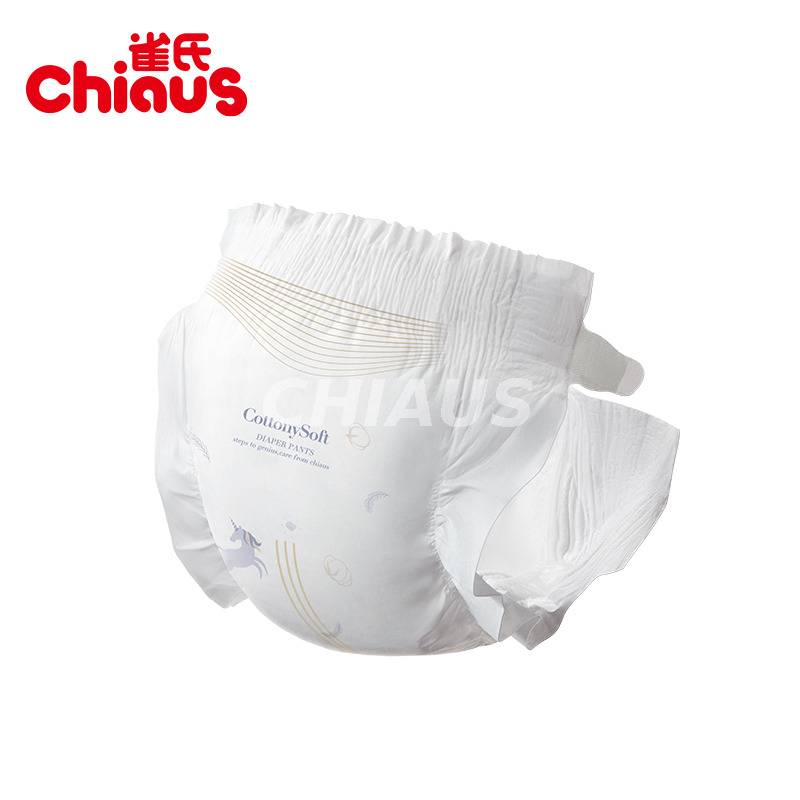
Choose the Right Diaper: Opt for brands like Chiaus, known for their breathable and skin-friendly materials. Their Ingredient-Infused Antibacterial Style Diapers can help reduce irritation.
Maintain Dryness: Change diapers frequently, especially after bowel movements. Keeping the area dry is crucial.
Use Barrier Creams: Applying a barrier cream can protect the skin from moisture and friction. Look for products with zinc oxide or natural ingredients.
Air Time: Allowing your baby some diaper-free time can help the skin breathe and heal.
Understanding diaper rash and its potential to lead to bleeding is essential for every parent. By recognizing the symptoms and causes, you can take the necessary steps to soothe, prevent, and heal your baby's skin effectively.
Identifying Diaper Rash Bleeding
Signs and Symptoms of Bleeding Diaper Rash
Recognizing the signs of diaper rash bleeding is crucial for timely intervention. The visual indicators can vary, but some common symptoms include:
Redness: The skin may appear bright red, especially in the folds.
Sores or Blisters: Open sores or blisters can develop, indicating severe irritation.
Swelling: Inflamed skin may feel warm to the touch and look swollen.
If you notice any of these symptoms, it’s essential to take action. Bleeding can occur when the skin barrier is compromised. Here’s when to recognize bleeding as a concern:
Persistent Symptoms: If redness and irritation do not improve within a few days.
Visible Blood: Any sign of blood in the diaper or on the skin warrants immediate attention.
Increased Discomfort: If your baby seems more fussy or uncomfortable than usual during diaper changes.
Common Causes of Diaper Rash Bleeding
Understanding the underlying causes of diaper rash bleeding can help prevent it. Here are the primary contributors:
Prolonged Wetness and Irritation: When diapers are left on for too long, moisture can break down the skin. This is especially true for babies who have frequent bowel movements.
Yeast or Bacterial Infections: These infections often thrive in warm, moist environments like a diaper. They can lead to more severe skin issues, including bleeding.
Allergic Reactions and Sensitivities: Some babies may react to certain diaper materials or wipes. This can cause skin irritation and lead to bleeding if not addressed.
Quick Reference Table of Causes and Symptoms
Cause | Symptoms |
Prolonged Wetness | Redness, swelling, discomfort |
Yeast/Bacterial Infections | Open sores, pus, increased irritation |
Allergic Reactions | Redness, bumps, possible bleeding |
By identifying these signs and understanding the causes, parents can take proactive steps to address diaper rash bleeding. Early intervention can make a significant difference in your baby's comfort and skin health.
Practical Tips for Parents
To help identify and manage diaper rash bleeding effectively:
Regular Checks: Frequently check your baby’s diaper to catch any signs of irritation early.
Use Quality Products: Brands like Chiaus offer skin-friendly options that may reduce the risk of diaper rash. Their Ingredient-Infused Antibacterial Style Diapers can help minimize moisture and irritation.
Consult a Pediatrician: If symptoms persist or worsen, don’t hesitate to seek professional advice. They can provide tailored recommendations based on your baby’s specific needs.
Understanding the signs and causes of diaper rash bleeding is key for every parent. By staying vigilant, you can ensure your baby's skin remains healthy and irritation-free.
Immediate Care for Bleeding Diaper Rash
First Aid Steps to Take
When you notice signs of diaper rash bleeding, acting quickly can make a significant difference. Here are some first aid steps to follow:
Gently Clean the Affected Area: Use warm water and a soft cloth to clean the area. Avoid harsh soaps or wipes that may irritate the skin further. Pat the area dry instead of rubbing, as this helps prevent additional irritation.
Apply a Barrier Cream: After cleaning, apply a protective barrier cream to shield the skin from moisture and friction. Look for products containing zinc oxide or natural ingredients that promote healing.
Choose the Right Diapers: Opt for high-quality diapers like Chiaus antibacterial diapers. These are designed to wick moisture away from the skin and reduce the risk of further irritation. Their Ingredient-Infused Antibacterial Style Diapers can be particularly effective in preventing diaper rash bleeding.
Creating a Healing Environment
Creating a conducive environment for healing is just as important as immediate care. Here are some tips to facilitate recovery:
Encourage Air Exposure: Allow your baby some time without a diaper. This exposure to air can help dry out the affected area and promote healing. It’s a simple yet effective way to let the skin breathe.
Diaper-Free Time: Aim for at least 15-30 minutes of diaper-free time several times a day. This can significantly reduce moisture buildup and irritation. Just be sure to keep a towel or cloth underneath to manage any accidents.
Maintain a Comfortable Temperature: Ensure the room is at a comfortable temperature. Too much heat can exacerbate irritation, while a cool environment can help keep the skin comfortable.
Quick Reference Table for Immediate Care
Step | Action |
Gently Clean | Use warm water and soft cloth |
Apply Barrier Cream | Choose zinc oxide or natural healing creams |
Use Quality Diapers | Opt for Chiaus antibacterial diapers |
Encourage Air Exposure | Allow diaper-free time to promote healing |
By following these immediate care steps and creating a healing environment, you can effectively manage diaper rash bleeding. Remember, the key is to act quickly and thoughtfully, ensuring your baby's comfort and skin health are prioritized.
Essential Strategies to Soothe and Heal Diaper Rash Bleeding
Choosing the Right Diapers
Selecting the right diapers is crucial in managing diaper rash bleeding. Here are some key features to look for:
Absorbency: High absorbency keeps moisture away from the skin, reducing irritation. Look for diapers that can hold a significant amount of liquid without feeling wet on the surface.
Breathability: Diapers that allow air circulation help keep the skin dry and comfortable. Breathable materials can prevent overheating and moisture buildup.
When it comes to recommended styles, consider:
Chiaus's Ingredient-Infused Antibacterial Style Diapers are specifically designed for sensitive skin. They combine absorbency and breathability, making them an excellent choice for preventing and soothing diaper rash bleeding.
Maintaining Cleanliness and Dryness
Keeping the diaper area clean and dry is essential for healing. Here are some practical tips:
Frequency of Diaper Changes: Change diapers frequently, ideally every 2-3 hours or immediately after bowel movements. This minimizes moisture exposure and helps prevent further irritation.
Proper Cleaning Techniques: Use warm water and a soft cloth to gently clean the area during changes. Avoid wipes with alcohol or fragrances, as these can irritate sensitive skin.
Using Barrier Creams Effectively
Barrier creams play a vital role in protecting the skin from moisture and irritation. Here’s how to use them effectively:
Quick Reference Table for Diaper Care
Strategy | Action |
Choosing Diapers | Look for absorbency and breathability |
Maintaining Cleanliness | Change diapers every 2-3 hours |
Cleaning Techniques | Use warm water and a soft cloth |
Using Barrier Creams | Apply zinc oxide or petroleum jelly at each change |
By implementing these essential strategies, you can effectively soothe and heal diaper rash bleeding. The right combination of products and practices can make a world of difference in your baby's comfort and skin health.

Preventing Diaper Rash Bleeding
Daily Care Routines
Establishing a daily care routine is essential in preventing diaper rash bleeding. Proactive measures can significantly reduce the risk of irritation and discomfort. Here are some key practices:
Routine Diaper Checks and Changes: Check your baby’s diaper regularly, ideally every 2-3 hours. Frequent changes help keep the skin dry and minimize exposure to moisture, which is a primary cause of diaper rash.
Gentle Cleaning: When changing diapers, use warm water and a soft cloth. This helps avoid irritation that can occur from harsh wipes or soaps. Always ensure the area is completely dry before putting on a new diaper.
Recognizing and Avoiding Irritants
Being aware of common irritants can help you keep diaper rash at bay. Here’s what to watch for:
Long-term Strategies for Sensitive Skin
For babies with sensitive skin, long-term strategies are vital. Here are some approaches to consider:
Customizing Diaper Choices: Select diapers based on your baby’s specific needs. For example, Chiaus Natural Wood Pulp Cotton Style Diapers enhance breathability and comfort, making them ideal for daily care. Their natural materials help prevent moisture buildup and irritation.
Consulting Healthcare Providers: If diaper rash persists despite your efforts, consult a pediatrician. They can provide tailored advice and may recommend specific treatments or products to address ongoing issues.
Quick Reference Table for Prevention Strategies
Strategy | Action |
Daily Care Routines | Regular diaper checks and gentle cleaning |
Recognizing Irritants | Identify and avoid common irritants |
Choosing Products | Use hypoallergenic and breathable options |
Long-term Care | Customize diaper choices and seek medical advice |
By implementing these preventive strategies, you can significantly reduce the risk of diaper rash bleeding. Keeping your baby's skin healthy and comfortable is a shared goal, and these measures can help you achieve just that.
Conclusion
To manage diaper rash bleeding, immediate care is crucial. Clean the area gently and apply barrier creams.
Prevention is equally important. Regular diaper changes and choosing hypoallergenic products can significantly reduce irritation.
Parents can successfully manage diaper rash. Stay informed about effective strategies and remain proactive to ensure your baby's comfort. Your efforts make a difference in their skin health.


