If you’ve tried countless diapers, double-diapering, and even duct tape, yet your baby’s sheets and onesies still end up wet, you’re not alone. Frustrating, right? Sometimes, the diaper isn’t the real culprit—the missing piece is a reliable waterproof barrier. That’s where a simple diaper cover steps in.
Here are 5 Signs It’s Time to Consider Diaper Covers & Prevent Leaks—a quick checklist to help you spot when your little one needs that extra layer of defense, especially during deep sleep or long stretches. A quality cover adds the protection your baby deserves, and when paired with well-made diapers from trusted brands like Thirsties, you get peace of mind. But the key is recognizing the signs early. A small tweak to your routine can lead to dry nights and brighter mornings. Let’s dive in.
Key Takeaways
A diaper cover adds a waterproof layer over any diaper to stop leaks.
If your baby leaks at night, your diaper setup is missing a waterproof layer.
Damp baby clothes all day long mean wetness is leaking out of the diaper.
Heavy wetting can be too much for a diaper to hold, but a cover catches the extra liquid.
A diaper cover saves you time by stopping midnight laundry and keeping odors away.
5 Signs It’s Time to Consider Diaper Covers to Prevent Leaks
What These Signs Have in Common
These 5 signs it’s time to consider diaper covers & prevent leaks all point to one issue. Your baby’s diaper hits its absorbency limit. Wetness escapes onto clothes or bedding. This often happens during sleep, long car rides, or active play. The main problem is the lack of a waterproof barrier. A diaper alone cannot stop this. You see wet onesies, smell odors, or do extra laundry. These signs mean you need a cover. They show your baby needs a dry solution. Switching to a diaper cover fixes these problems. It reduces frequent leaks and keeps your baby comfortable. A waterproof layer helps manage your baby’s incontinence better. This simple change cuts down on cleanup. It also saves you time.
Think about your daily routine. You change your baby’s clothes several times a day. You change the bedding at night. These are clear signs that your current setup is not working. The common need is a waterproof shell. A diaper cover provides that. It does not replace the diaper. It adds a barrier. This keeps moisture inside. Your baby stays dry. You have less laundry. It is a simple fix. Recognizing these 5 signs it’s time to consider diaper covers & prevent leaks helps you take action. These 5 signs it’s time to consider diaper covers & prevent leaks are a clear warning.
How Diaper Covers Solve the Problem
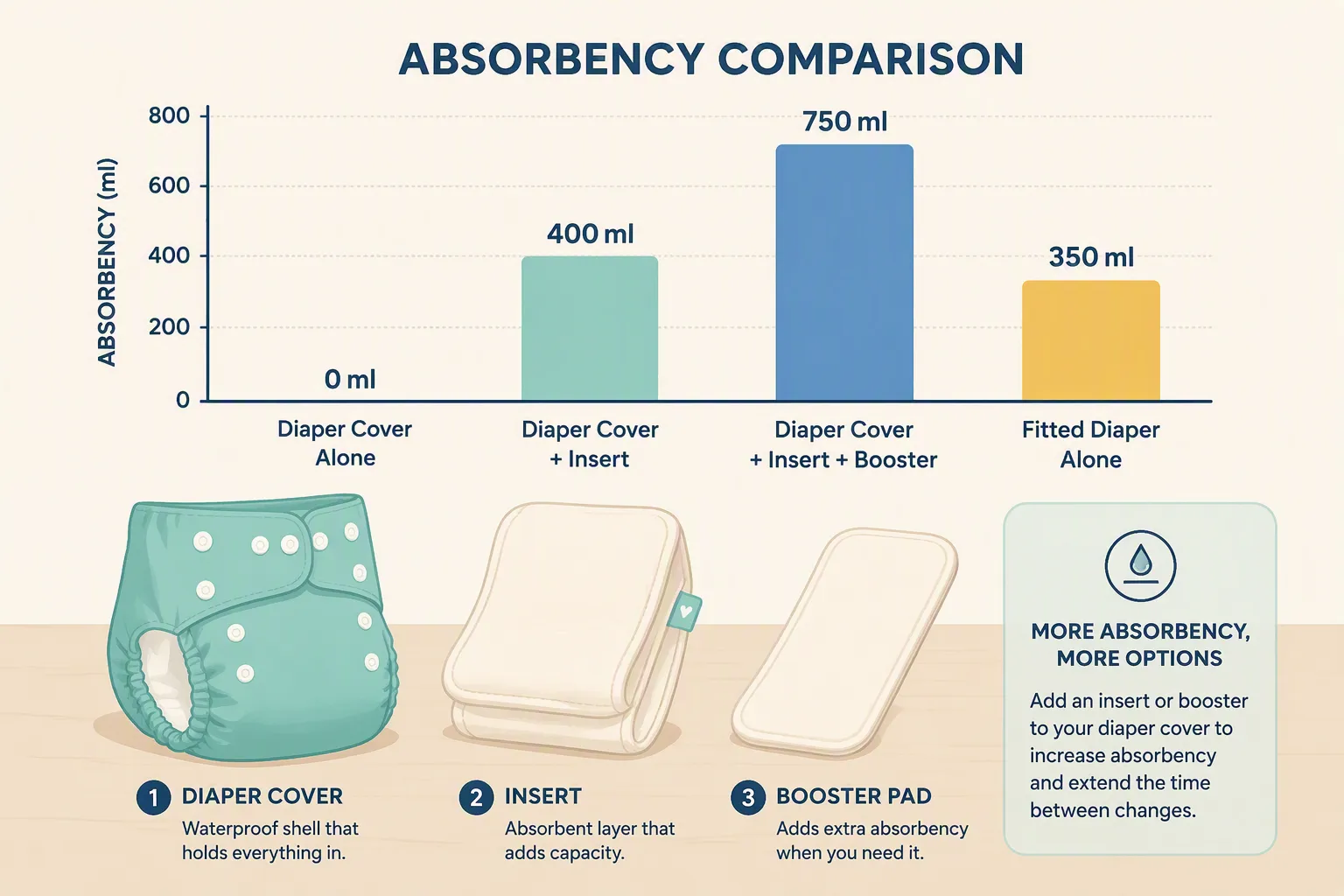
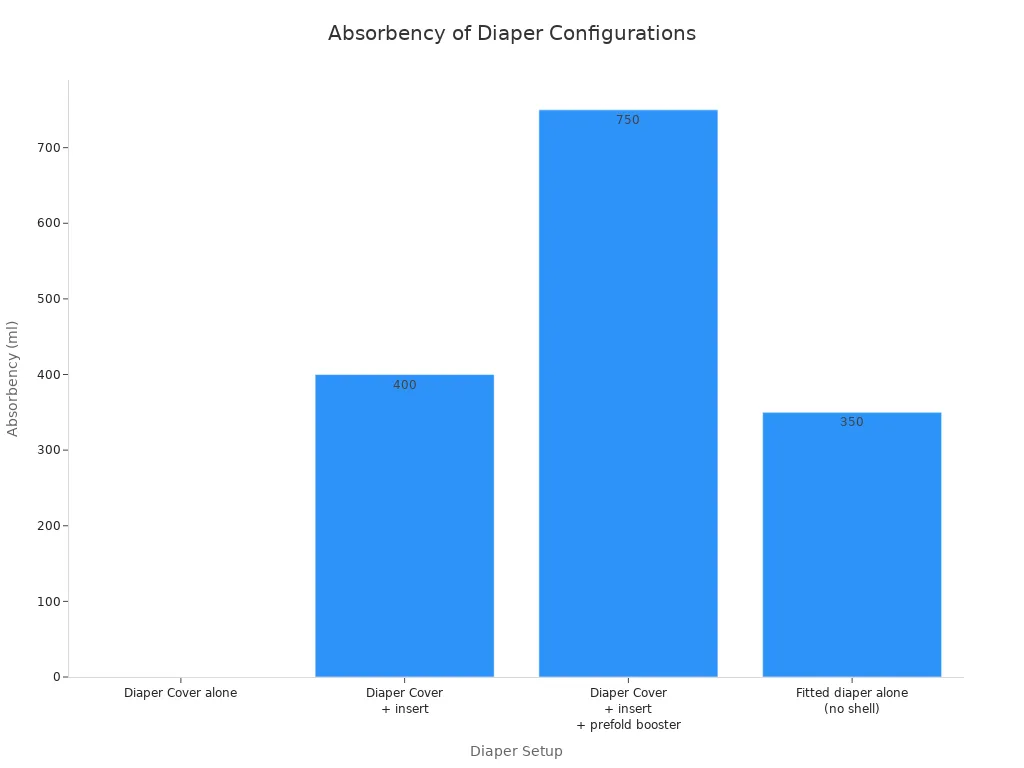
A diaper cover works as a waterproof shell. It holds the absorbent layers inside. The cover itself has zero absorbency. It depends on the diaper or insert to hold liquid. But the cover stops that liquid from leaking out. Here is a comparison of different setups:
Configuration
Waterproof?
Est. absorbency (ml)
Diaper Cover alone
Yes
0
Diaper Cover + insert
Yes
~400
Diaper Cover + insert + prefold booster
Yes
~750
Fitted diaper alone (no shell)
No
~350
This table shows what the cover does. The cover itself is not absorbent. But it makes the whole system waterproof. A fitted diaper alone holds 350 ml but leaks. With a cover, the same setup holds more and stays dry. The cover’s waterproof shell is the key. It stops leaks from the legs and waist. The cover also has special design features. Double gussets around the legs create a second seal. Elastic at the waist ensures a snug fit. These features prevent leaks even during active movement.
So, when you see these 5 signs it’s time to consider diaper covers & prevent leaks, the answer is clear. Add a cover to your baby’s diaper. It gives you the protection you need. Brands like Thirsties offer diapers made for use with covers. These diapers maximize absorbency and work well with the cover’s barrier. The combination works great. You get fewer leaks, less laundry, and a happier baby. This is how a diaper cover solves the problem. It is a simple, effective solution. It manages your baby’s incontinence better than a diaper alone. A diaper cover is a reliable incontinence product. It makes the switch to a dry routine easy. The transition is smooth.
Sign 1: Waking Up to a Leaky, Soaked Sheet
What It Looks Like at Night
You reach into the crib at night and feel a cold, wet patch. The sheet is soaked. Your baby's pajamas are damp. The leak even went through to the mattress pad. This is not a one-time event. It repeats night after night. These signs point to a common issue. Your current setup cannot handle the overnight load. You are dealing with leaking through the night. Watch for these signs each night.
Several patterns explain why this happens. Consider the size of the diaper. An absorbent item that is too small cannot hold enough urine. An absorbent item that is too large gaps at the legs or waist. Both cause leakage. Other patterns include:
Heavy wetting: Some infants produce more urine at night. A standard absorbent layer gets saturated and leaks.
Poor fit: Loose waistbands or leg cuffs create gaps. Urine escapes through these gaps.
Low absorbency: Daytime absorbent items lack the absorbency for prolonged overnight use. They get overwhelmed.
Sleeping position: Infants who sleep on their stomachs or sides press on the absorbent core. This shifts the core and causes leaks.
Growth spurts: During a growth spurt, your baby feeds more and urinates more. This can cause a sudden increase in nighttime wetness.
You may need to adjust the fit.
Why a Cover Seals the Leak
A cover is the solution. It adds a waterproof barrier. It does not replace the diaper. It goes over it. This stops moisture from escaping. Even if the absorbent layer is saturated, the cover holds everything inside. The cover has elastic at the waist and legs. This creates a snug fit. It prevents gaps. Double gussets around the legs add extra protection. The cover works with any absorbent item. You can use a fitted absorbent layer or a prefold. The cover makes the system waterproof. It stops the moisture. You wake up to dry sheets. The infant sleeps better. You save time on laundry. This is a simple fix. It is a reliable incontinence product for managing incontinence. This incontinence issue is common. It provides the protection you need. You will notice a change in your routine. Fewer frequent leaks mean less cleanup. This is a positive change. Your baby stays dry all night.
Sign 2: Constantly Damp Baby Clothes
The Wet Onesie Pattern
You pick up your little one after a nap, and the onesie feels damp around the legs. You change it, and later the fresh outfit feels wet again. This pattern repeats all day. You find yourself doing load after load of laundry. You wonder if your baby just pees too much. But the real issue might be simpler than you think.
This constant dampness happens because your current diaper setup lacks a waterproof outer layer. The absorbent core soaks up what it can, but pressure from sitting, crawling, or being held squeezes moisture out through the leg openings. You notice wet spots on your shoulder when you carry your baby. You see damp patches on the car seat. These signs point to the same problem: moisture is escaping, and your baby's clothes are paying the price.
How a Cover Prevents Dampness
A diaper cover creates a waterproof shield between the absorbent layer and your baby's outfit. The cover itself holds no liquid. Instead, it traps everything inside. This simple barrier stops the dampness before it starts.
The material matters. Most covers use polyurethane laminate (PUL), which is 100% waterproof, flexible, and durable. It bends with your baby's movements while keeping moisture locked in. Some parents prefer wool covers treated with lanolin. These natural covers resist water, breathe well, and even fight bacteria. They don't trap heat, which helps prevent diaper rash. Plastic pants offer a budget-friendly option, though they feel less breathable than PUL or wool.
You don't need to replace your current diaper. You just add the cover on top. This change takes seconds. The payoff is huge. No more mid-day outfit swaps. No more damp car seats. Your baby stays dry, and you keep your sanity. This simple incontinence product works with any absorbent diaper you already own. It manages your baby's incontinence effectively without requiring a complete routine overhaul.
Think about how much time you spend changing clothes right now. A cover cuts that time dramatically. Fewer frequent leaks mean fewer outfit changes. You'll notice the difference within a day. Your baby stays comfortable, and you stop chasing dampness around the house. That's a change worth making.
Sign 3: Heavy Wetting Overwhelms Diaper Absorbency
The Flood of a Large Volume
You change your baby's diaper, and shortly after, the front feels swollen and heavy. You squeeze it gently, and moisture seeps out. This happens even with the most absorbent brands. Your little one produces a large volume of urine in a single void, and no absorbent core can hold that much liquid that fast.
This pattern often appears during growth spurts. Your baby drinks more milk, and their bladder holds more. The absorbent material inside the diaper saturates quickly. You notice the diaper sagging between your baby's legs. The weight pulls it down, creating gaps at the waist and thighs. Those gaps become escape routes for urine. You find yourself checking the diaper constantly, wondering if it will hold until the next change.
Why Absorbency Alone Isn't Enough
Here's the truth: absorbency has a limit. A diaper core can hold a certain amount of liquid, but heavy wetting pushes past that limit. The diaper doesn't fail because it's low quality. It fails because the volume exceeds its capacity. This is where the diaper doesn't fit the situation anymore.
You might think the answer is to size up diapers. That helps sometimes, but not always. A larger diaper gives you more absorbent material, but it also creates a looser fit. Loose fit means gaps. Gaps mean leaks. You end up trading one problem for another. The real solution combines absorbency with a waterproof barrier.
A diaper cover adds that barrier. It doesn't absorb anything itself. Instead, it traps whatever escapes from the saturated diaper. The cover's elastic leg cuffs and waistband create a seal. That seal holds the moisture inside, even when the diaper underneath is completely soaked. You get the absorbency you need plus the protection you can't get from the diaper alone.
This matters especially for heavy wetters. If you notice your baby soaking through diapers quickly, you might be ready to size up. But before you do, consider adding a cover. It works with your current diaper and gives you immediate protection. You'll see fewer leaks and less laundry. This simple incontinence product manages the problem without a complete routine change. You save time and money. Your baby stays dry and comfortable. That's the outcome you want.
Sign 4: Tired of Midnight Laundry and Cleanups
The Midnight Bedding Change
You hear the cry at night. You stumble to the crib, reach in, and feel it—cold, wet fabric. The sheet is soaked through. The mattress pad has a dark stain spreading across it. You sigh, because you know what comes next. You strip the crib, carry the wet bedding to the laundry room, and hunt for fresh sheets. Then you wake your baby fully while changing their pajamas. By the time everyone settles back down, you've lost a considerable amount of time. This scene repeats frequently.
The pattern feels exhausting. You start dreading nighttime. You keep extra sheets stacked nearby, ready for the inevitable. You wash the same bedding set over and over. The routine drains your energy. You wonder why your current setup fails so consistently. The answer lies in the missing waterproof layer. Your baby's diaper absorbs what it can, but nighttime wetting often exceeds its capacity. The moisture escapes onto the sheets, and you pay the price with lost sleep and extra chores.
How a Cover Saves Time
A diaper cover changes this entire picture. You slip it over your baby's diaper before bedtime. That one simple step takes five seconds. The cover's waterproof shell traps moisture inside, even when the diaper underneath reaches full saturation. You wake up to dry sheets. You skip the nighttime bedding change entirely. You stay in bed, and so does your baby.
Think about the math. Each midnight cleanup costs you a considerable amount of time. Frequent cleanups per week means several hours of lost sleep over the week. A cover eliminates most of those interruptions. You reclaim that time for rest. You also cut laundry loads significantly. Fewer wet sheets mean fewer wash cycles. You save water, detergent, and effort. The cover itself rinses clean in seconds and air-dries by morning.
This simple incontinence product works with the diapers you already own. You do not need a complete routine change. You just add one layer of protection. The cover manages your baby's incontinence effectively, reducing leaks and messes. You spend less time cleaning and more time sleeping. That trade-off makes the cover worth every penny. Your baby stays dry, your sheets stay clean, and your nights stay peaceful.
Sign 5: Strong Odors and Frequent Cleaning
Lingering Smells from Leaks
You walk into the nursery and smell something sour. You cleaned the sheets yesterday, but the smell stays. You sniff the mattress pad, the crib bumper, even the carpet near the changing table. The odor follows you around the room. This isn't in your head. Urine has ammonia and other smelly compounds that sink deep into soft materials. The longer a leak sits, the stronger the smell gets. It also gets harder to remove the stain.
Think about what happens after a nighttime accident. The urine soaks through the sheet, into the mattress pad, and sometimes reaches the mattress itself. You strip the bed and toss everything in the wash. But the smell comes back the next night. That happens because the urine has already soaked into layers you can't clean easily. The odor sets in, and your regular laundry can't break down the ammonia. You find yourself spraying air freshener, lighting candles, and still noticing that faint sour scent.
How a Cover Contains Odors
A diaper cover stops this problem at the source. The waterproof shell traps urine inside, so it never reaches your bedding, furniture, or carpet. No soaked sheets means no lingering smells. The cover itself rinses clean in seconds, and a quick wipe with a sanitizing cloth keeps it fresh between washes. You stop the odor problem before it starts.
If you do catch a leak early, act fast. Start cleaning as soon as you notice it. Then follow these steps:
Clean the area a second time with sanitizing disposable wipes or a disinfectant solution to neutralize the ammonia.
Wash urine-stained bedding and garments right away. Avoid rubbing fabrics together heavily, as this can push the stain deeper.
Use white vinegar, baking soda, Borax, or a peroxide-baking soda-dish soap spray to absorb and neutralize stubborn odors.
These methods break down the ammonia compounds at the root of the smell. But honestly, you'd rather skip this routine entirely. A cover helps you manage your baby's incontinence without the constant cleaning cycle. You spend less time scrubbing and more time enjoying your little one. That's a change worth making. This simple incontinence product reduces leaks and keeps your home smelling fresh. You'll notice the difference within days. Your baby stays comfortable, and your nursery stays pleasant. No more chasing odors around the house.
Choosing the Right Diaper Cover for Your Baby
Material and Fit Considerations
The material you choose is very important. Vinyl pull-on pants are strong and light. They block moisture well for daytime use. Plastic-coated nylon covers stop leaks and are easy to clean. Both options keep your baby dry without adding bulk. For breathability, wool covers with lanolin resist water and let air flow. This helps prevent diaper rash. You want a material that balances waterproofing with comfort.
Fit is also very important. A snug fit around the waist and legs stops leaks. Loose covers create gaps and cause blowouts. Tight covers leave marks on your baby's skin. Look for a full-back, stretchy elastic waistband that fits without squeezing. Double leg cuffs gently hug the thighs to make a leak-proof seal. Pro tip: Pull the ruffles outward so they don't tuck in and cause leaks. Adjustable tabs let you change the fit for your baby's size and shape. For boys, point the genitals downward so leaks don't go up.
Before you buy, consult a size guide from the manufacturer to get the right size. For best fit, choose a cover that matches the diaper size you are using. If you need to adjust the diaper size for heavy wetting, ensure the cover also fits properly. A poor fit, such as gapping at the legs or a low waist, can cause leaks. Measure your baby's waist and thighs to ensure the cover fits snugly, following the manufacturer's sizing guide.
Ease of Use and Care Tips
Caring for covers is easy. Pre-wash with cold or warm water on a short cycle. Then run a hot heavy cycle with enough water. Rinse with warm water and do an extra rinse. Do not use borax, bleach, fabric softeners, or sanitize cycles. These can damage the waterproof layer. Use detergents safe for cloth diapers, like Tide or Seventh Generation. Hang dry in sunlight to remove stains and make them last longer. If you use a dryer, use medium heat. A hot 15-minute dryer cycle once a month helps the waterproof layer.
Wash covers every 2-3 days to stop ammonia buildup. Some covers, like vinyl pull-on pants, are designed for easy on and off. They slide on quickly, making changes faster. Choose a cover that fits your baby's needs and your routine. Always check the fit and care instructions for best results.
If you see these signs, a diaper cover is the simple fix you need. It doesn’t replace your diaper. It adds a waterproof layer. This layer stops leaks before they start. Try one for a few nights. You’ll see a big difference right away. Your sleep will improve. Your laundry pile will shrink. You’ll spend less time cleaning. You’ll spend more time resting. Brands like Thirsties are committed to helping parents. They offer reliable, high-quality products. But the focus here is on the solution. A simple cover solves a common problem. A dry baby means a happy home. It also means a happy parent. You and your baby deserve a good night’s sleep. Make the switch today. Your baby will stay dry all night.
FAQ
Can I Use a Diaper Cover with Disposable Diapers?
Yes, you can. A diaper cover can be used with any absorbent diaper, including cloth and disposable options, to provide a waterproof barrier. It adds a layer of protection that catches what the diaper misses. This combo works especially well overnight. You get extra protection without changing your routine. Just slip the cover on top and fasten it snugly.
How Do I Know When to Start the Transition from Diapers to Training Pants?
Watch for signs of readiness. Your baby stays dry for longer stretches. They show interest in the potty. They can pull clothes up and down. Start the transition from diapers to training pants when these signs appear. A cover designed for easy on and off can help during this phase. It gives your baby independence while still preventing leaks.
Will a Cover Feel Too Bulky for My Baby?
Not at all. Modern covers are thin and flexible. They move with your baby. The extra layer adds minimal bulk. Your baby will barely notice it. You'll notice the difference in dry clothes and clean sheets. That trade-off makes the slight extra layer worth it.
How Do I Make the Transition from Diapers to Training Pants Smoother?
Start slowly. Use a cover during daytime hours first. Let your baby get used to the feel. Then add it to nighttime routines. The transition from diapers to training pants works best when you stay consistent. Praise your baby for staying dry. Keep extra covers nearby for accidents. This approach makes changes quick and easy.
How Often Should I Wash Diaper Covers?
Wash covers every two to three days. This prevents ammonia buildup and keeps odors away. Rinse them in cold water first. Then run a hot cycle with gentle detergent. Hang them to dry in sunlight. Sunlight naturally removes stains. Your covers stay fresh and last longer with this simple routine.