As a professional baby diaper manufacturer, we deeply understand parents' attention to every detail of their baby's growth, and baby pee is one of the key indicators reflecting a baby's health. Baby pee is a vital physiological phenomenon during fetal development and remains a persistent care challenge for newborn families. This article combines scientific research and clinical experience to systematically address core questions about baby pee. We also share recommendations for selecting baby diapers suited to different scenarios, providing parents with a comprehensive care guide. We hope this information proves helpful.
Do Babies Pee in the Womb?Urinary Circulation During Fetal Development
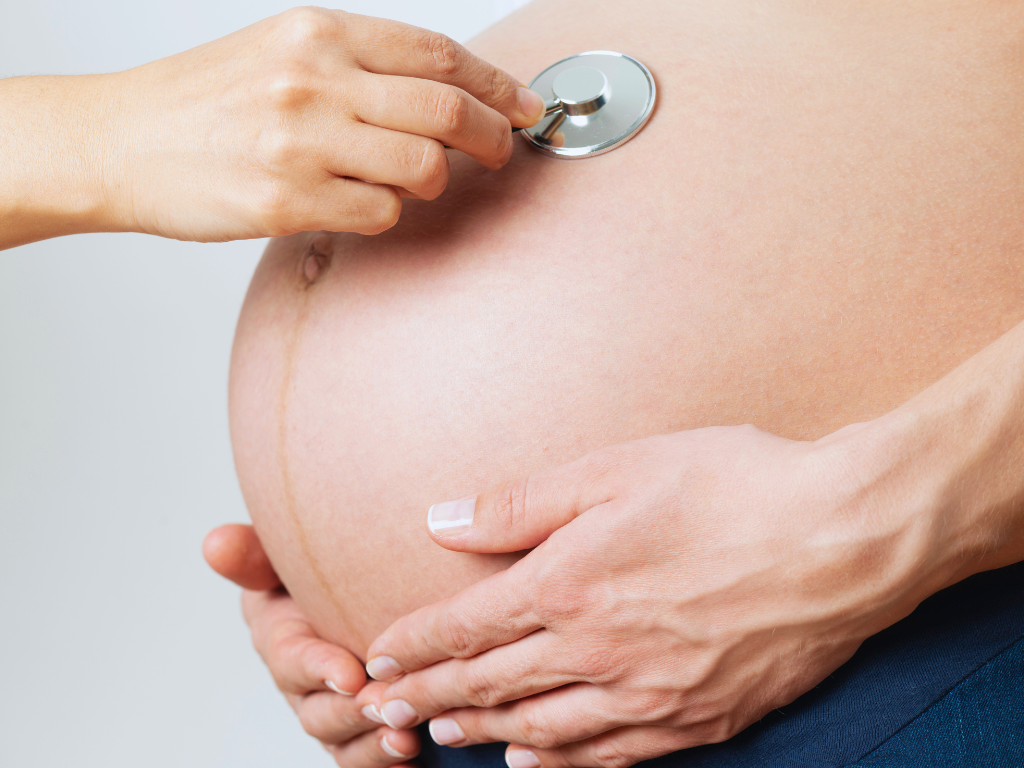
Many parents wonder if babies urinate while in the womb. The answer is yes—fetal urination in the uterus is a vital component of amniotic fluid circulation and a key indicator of urinary system development. This process is not only normal but directly impacts the fetus's healthy growth. As a baby diaper manufacturer specializing in infant care, we optimize our diaper design logic through research into fetal physiological development.
From a developmental timeline perspective, the fetal kidneys begin forming in early pregnancy. By approximately 10-12 weeks gestation, the kidneys can produce small amounts of baby urine. However, at this stage, the urine is reabsorbed by the fetus's body and does not enter the amniotic fluid. As pregnancy progresses into the second trimester (around 20 weeks), the fetal urinary system gradually matures. Urine produced by the kidneys is then transported through the ureters into the amniotic cavity, becoming one of the primary sources of amniotic fluid. Research indicates that by late pregnancy, the fetus produces approximately 500-700 milliliters of urine daily. This urine continuously replenishes the amniotic fluid. Simultaneously, the fetus swallows the amniotic fluid, absorbing its water and nutrients, creating a closed-loop amniotic fluid cycle of "urination-swallowing-re-urination."
Fetal urine differs in composition from that after birth. Its primary component is water, containing minimal metabolic waste, with no noticeable odor, and poses no harm to the fetus. Through this cycle, amniotic fluid provides cushioning protection for the fetus while promoting the development of its lungs and digestive system. It is important to note that abnormalities in amniotic fluid volume or composition may indicate developmental issues in the fetal urinary system or other organs. Therefore, monitoring the amniotic fluid index during regular prenatal checkups is crucial.
For baby diaper manufacturers, understanding the developmental characteristics of fetal urine helps us better design newborn-specific baby diapers. After birth, newborns' kidneys are not yet fully mature. They urinate frequently, in small amounts, and irregularly. Our newborn baby diapers feature high-absorbency resin (SAP) and a soft, breathable outer layer to quickly absorb frequent urination, minimizing irritation to delicate skin. Additionally, the newborn size incorporates an umbilical cord cutout design that conforms to the newborn's body curve.
How to Make a Baby Pee? Scientific Methods and Scenarios for Inducing Baby Pee
During a baby's development, parents often encounter situations requiring urine induction, such as collecting samples for medical exams or guiding elimination during early potty training. Forced pressure or frequent diaper changes may harm the baby's bladder and spine. Drawing on clinical nursing experience, we've compiled safe and effective induction methods while reminding parents to use appropriate baby diapers to support training.
First, routine pee induction should follow the baby's natural physiological rhythms, capitalizing on peak urination reflex periods after feeding or waking from sleep. For infants under 6 months, the bladder gradually fills 15-30 minutes after breastfeeding or formula feeding. At this time, gently lift the baby, allowing their legs to hang naturally. Use a warm, damp baby wipe to gently wipe the perineal area or massage the lower abdomen. This provides a gentle stimulus to contract the bladder, inducing urination. This method avoids forceful pressure, aligns with the infant's physiological reflexes, and the use of soft baby wipes prevents skin friction injuries.
To quickly induce a urine sample from an infant (e.g., for medical testing), the bladder stimulation method may be used. This clinically validated technique is safe and effective for infants weighing over 1200 grams who do not require respiratory support. The procedure is as follows: First, feed the infant an appropriate amount of breast milk or formula. After 25 minutes, clean the genital area with baby wipes. One person holds the baby under the armpits with legs dangling. The other gently taps the suprapubic area (lower abdomen near the pubic bone) with fingers at approximately 100 taps per minute for 30 seconds. Then, use both thumbs to gently massage the area beside the lumbar spine on the lower back for 30 seconds. Repeat this cycle for up to 5 minutes, which typically induces urination. Note: Use gentle pressure throughout to avoid overstimulating the baby.
For toilet training (ages 1+), baby pee induction requires behavioral guidance and environmental adaptation. At this stage, conditioned reflexes develop. Parents should observe physical cues (such as squatting, frowning, or fussing) and promptly guide the child to use an infant potty. We recommend pairing this with our baby pull-up pants—designed for easy on/off—allowing children to independently attempt potty use and reduce diaper dependency. Parents can establish regular urination habits through scheduled reminders. The American Academy of Pediatricsrecommends initiating potty training between 18-24 months when the child shows interest, using patient guidance rather than coercion, with success rates exceeding 80%.
Parents should note that each baby's urination patterns vary. For newborns, 4-10 wet diapers daily is normal—there's no need to enforce a specific count. If your baby resists during pee prompts, stop immediately to avoid creating psychological aversion. Additionally, promptly changing diapers or pull-ups to keep the bottom dry helps prevent discomfort that might lead to refusal to urinate.
Why Does My Baby's Pee Stink?Causes and Solutions
The smell of baby pee serves as a “barometer” reflecting your baby's health. Freshly passed urine typically has no noticeable odor, though exposure to air may produce a mild ammonia scent due to urea breakdown. If baby pee develops a distinct pungent or unusual smell, parents should be alert to potential physiological or pathological factors. As a baby diaper manufacturer, we also recommend incorporating daily care practices to minimize odor and promptly detect abnormalities.
Physiological factors are common causes of baby urine odor and generally do not warrant excessive concern. The primary cause is insufficient fluid intake. When babies sweat heavily, drink little water, or are underfed, urine becomes concentrated, increasing the concentration of metabolic waste and intensifying the odor. For exclusively breastfed babies, breast milk provides sufficient hydration. However, on hot days, small amounts of water can be offered between feedings. Formula-fed or solid-food-eating babies require age-appropriate hydration to dilute urine and reduce odor. Dietary factors also play a role: excessive intake of high-protein foods (like meat and eggs) increases nitrogenous waste production, intensifying urine odor. Consuming strongly flavored foods like garlic or onions releases specific compounds through urine, altering its odor. Adjusting the diet to maintain balanced nutrition and reduce intake of single high-protein foods can alleviate this. Additionally, prolonged urine concentration in the bladder during nighttime sleep may cause the first morning urine to have a more noticeable odor, which is a normal phenomenon.
Pathological causes of unusual baby urine odor require prompt medical attention to avoid delaying treatment. The most common cause is a urinary tract infection (UTI). Bacteria multiplying in the urinary tract can produce a strong, pungent odor in the urine, often accompanied by symptoms like frequent urination, urgency, crying during urination, or fever. Girls face higher infection risks due to shorter urethras and proximity to the anus. Boys with phimosis (excessive foreskin) may also be more susceptible. Prompt medical evaluation is essential, including urinalysis and urine culture tests. Antibiotics should be administered under medical supervision, alongside increased fluid intake to flush the urinary tract through frequent urination. Additionally, rare congenital metabolic disorders (such as phenylketonuria) can cause urine to emit a distinct mouse-like odor, alongside symptoms like developmental delays and intellectual abnormalities. Though uncommon, these conditions require early detection through newborn screening for timely intervention.
In daily care, proper use of baby diapers and wipes effectively reduces urine odor and related health risks. As a baby diaper manufacturer, our products feature breathable liners and absorbent cores that quickly lock in urine, minimizing odor caused by urine exposure to air. The breathable material also reduces bacterial growth. Paired with specialized baby wipes, clean the baby's perineal area during each diaper change. For girls, wipe from front to back to prevent fecal contamination of the urethral opening. For boys, clean the foreskin area to maintain local hygiene. Parents should change diapers promptly based on the baby's age and urine output. For newborns, change every 1-2 hours. For older babies, adjust based on activity level, but never exceed 4 hours to prevent prolonged skin irritation and bacterial growth.
Common Misconceptions About Baby Pee Care and Professional Advice
When addressing baby pee-related issues, parents often fall into common caregiving pitfalls that not only affect the baby's health but may also complicate care. As a baby diaper manufacturer deeply rooted in infant care, we combine international market expertise to provide parents with scientific guidance while recommending suitable baby diapers and complementary products to optimize the care experience.
One common misconception is excessive potty training or starting toilet training too early. Some parents attempt frequent potty training before 6 months to reduce diaper usage. This practice may injure the baby's spine and hip joints while disrupting the development of the autonomous urination reflex. The Chinese Medical Association's Pediatric Surgery Branch recommends initiating potty training between 6-9 months (9 months for boys) and starting formal toilet training after 1 year of age, provided the child can communicate basic needs and sit independently on the toilet. Premature coercion can cause resistance, delaying the development of independent urination skills and increasing the risk of bed wetting. The correct approach is to respect the baby's developmental pace, guide them by observing elimination cues, and use baby pull-up pants as training aids to gradually achieve the goal of transitioning away from diapers.
The second common misconception is ignoring changes in urine color. Beyond odor, urine color serves as a health indicator. Normal urine is clear or pale yellow. Darker hues often signal insufficient hydration, while abnormal colors like deep yellow, orange, or red may indicate dehydration, liver issues, or urinary tract bleeding. Parents should develop the habit of observing urine color and promptly adjust fluid intake or seek medical attention if abnormalities are detected. Additionally, some parents mistakenly believe highly absorbent diapers can extend changing intervals. This practice keeps the baby's bottom in a prolonged damp environment, intensifying urine odor and increasing the risk of diaper rash—a practice to avoid.
Baby diaper manufacturers recommend pairing products with specific care needs: - For newborns: Use lightweight diapers suited for frequent urination, paired with alcohol-free wipes to minimize skin irritation. - During potty training: Opt for pull-up pants for independent use, combined with a training potty to establish habits. - When traveling: Carry portable wipes and disposable diapers for hygiene and convenience. We offer a full range of baby diapers, pull-up pants, and baby wipes. Purchasers may consult us for product pairing recommendations based on market conditions.
Conclusion
In summary, baby pee accompanies every stage of a child's growth, with its cyclical patterns, urination rhythms, and odor changes all closely linked to health. As a professional baby diaper manufacturer, we are not only committed to providing high-quality infant care products but also strive to help parents solve care challenges through scientific education. Paying attention to the details of baby pee, combined with proper care methods and appropriately sized baby diapers, can safeguard your baby's healthy development. If persistent abnormalities in baby pee occur, it is advisable to consult a pediatrician promptly and adjust the care plan based on professional diagnosis.


