As a baby diaper manufacturer specializing in infant care, Chiaus consistently addresses the various questions new parents encounter during childcare. "How long can a newborn go without peeing?" is one such concern. Newborns' physiological functions are not yet fully developed, resulting in significant differences in their urination patterns compared to adults. Understanding these urination-related facts not only helps parents assess their baby's health but also enables them to provide comfortable care by selecting the appropriate baby diapers. This article combines insights from authoritative international childcare research with the expertise of a baby diaper manufacturer to provide detailed answers to questions about newborn urination, offering scientific guidance for parents worldwide.
I. Normal Patterns of Urination in Newborns
1.Time frame for a Newborn's First Urination After Birth
For new parents, "how long can a newborn go without peeing after birth" is one of the first concerns postpartum. According to research data from the American Academy of Pediatrics (AAP), the vast majority of newborns will have their first urination within 24-48 hours after birth. This is an important indicator that the baby's kidney function has begun to activate. However, some newborns may experience delayed first urination up to 72 hours due to factors like amniotic fluid absorption, birth weight, or feeding patterns. This delay is generally considered a normal physiological phenomenon in medical terms. Initial urine volume in newborns is typically small, appearing dark yellow or amber in color, reflecting the baby's fluid reserves and metabolic waste excretion. As feeding patterns become more regular, the baby's urine output will gradually increase, and the urine color will shift to pale yellow or clear and transparent. At this stage, selecting a baby diaper with strong absorbency and good breathability becomes particularly important. Diapers with a thin, full-core structure can quickly absorb the baby's frequent, small amounts of urine, keeping the bottom dry and reducing discomfort caused by urine irritation.
It's important to note that if a newborn hasn't urinated within 72 hours of birth, parents should promptly consult a doctor to rule out potential health issues such as kidney development abnormalities or urinary tract obstruction. If this is accompanied by a lack of bowel movements, poor alertness, or feeding difficulties, heightened vigilance is essential.
2.Reference for Newborn Daily Urination Frequency and Volume
Newborns' urination patterns gradually become more regular with age. Parents can assess normal urination by observing the wetness of the baby's diaper. During the first 3-5 days after birth, babies typically urinate 4-6 times daily, with each urination amounting to approximately 5-15 milliliters. At this stage, the diaper may only appear slightly damp. As feeding volume increases, by 1-2 weeks post-birth, daily urination frequency rises to 6-10 times, with volume increasing to 15-30 milliliters per instance. High-quality diapers can easily manage this frequency, preventing leaks.
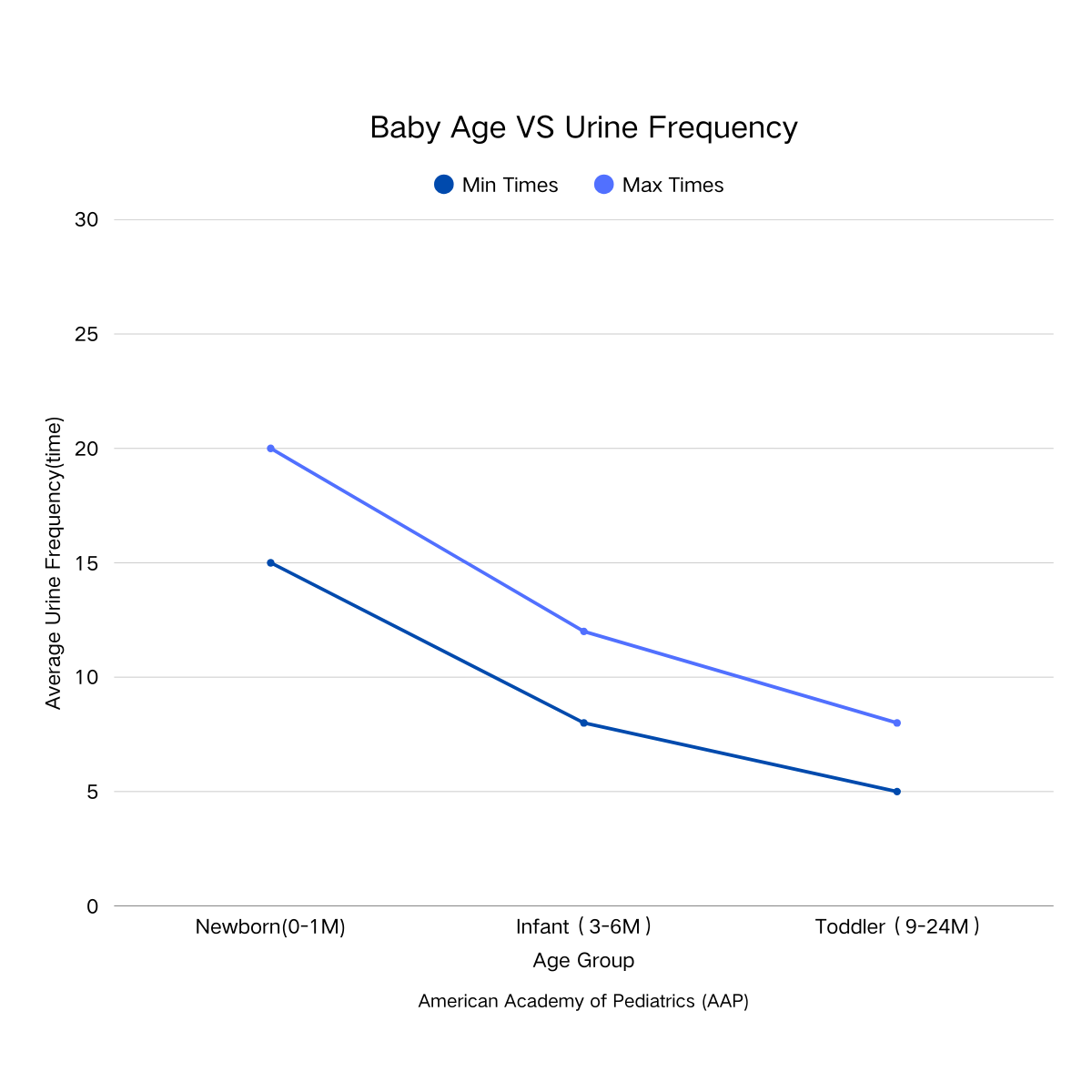
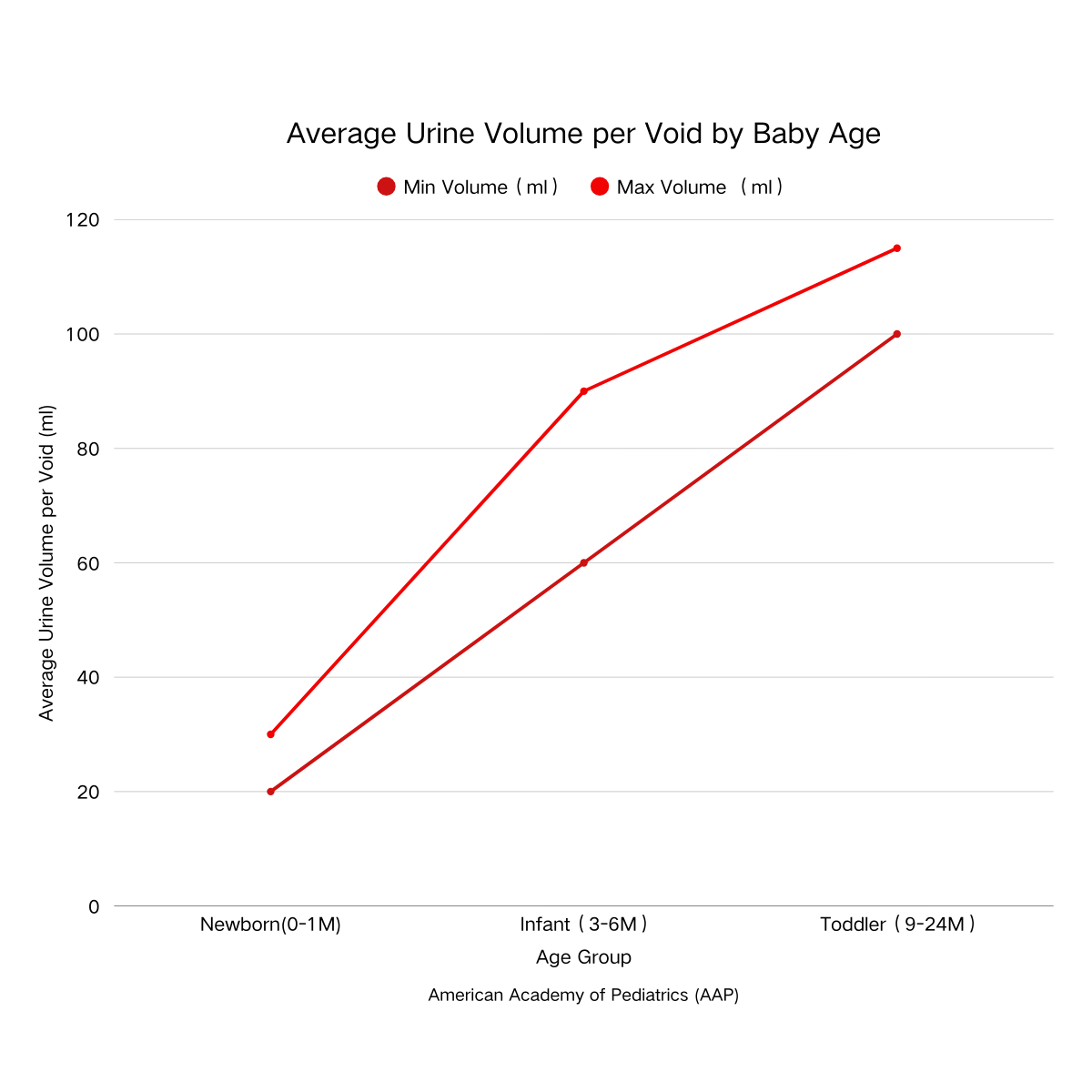
Regarding the common question "how long can a newborn baby go without peeing," the typical answer is 2-3 hours. Under normal feeding conditions, newborns generally do not go more than 3 hours without urinating. If prolonged absence of urination is accompanied by crying, irritability, or dry lips, it may indicate dehydration due to insufficient fluid intake or excessive environmental temperature. Parents should promptly supplement feeding or adjust the care environment.
When observing newborn urination, in addition to frequency and volume, pay attention to urine color (Newborn urine color)and odor. Normal newborn urine should be pale yellow and odorless. Dark yellow, reddish urine, or urine with a pungent odor may indicate dehydration or infection. Seek prompt medical evaluation. Additionally, using breathable, skin-friendly baby wipes with diapers to clean the baby's bottom during changes effectively prevents diaper rash, providing comprehensive comfort care.
II. Why isn't My Newborn not Peeing Enough?
1.Feeding Factors: The Most Common Influencing Factors
"Why isn't my newborn urinating enough?" is a common concern for new parents, and insufficient feeding is the primary cause of this issue. Whether breastfed or formula-fed, if a baby consumes too little milk, their body won't have enough fluids to meet metabolic needs, leading to reduced urination and concentrated urine. Breastfed babies may experience insufficient feeding due to low milk supply or improper latching, manifesting as short feeding sessions, frequent fussiness, and slow weight gain. Formula-fed babies may have inadequate hydration from overly concentrated formula or underfeeding.
Parents can assess this situation by observing feeding patterns and weight gain. If the baby uses more than 6 wet diapers daily and gains 150-200 grams weekly, feeding is generally adequate. If diapers remain insufficiently wet or weight gain is slow, feeding methods should be adjusted promptly. For breastfeeding mothers, try increasing feeding frequency, improving latch technique, or consulting a lactation consultant if needed. Formula-fed parents should strictly follow the recommended dilution ratio to avoid excessive concentration and gradually increase feedings based on the baby's needs.
Additionally, transitioning feeding methods can affect newborn urination. For instance, switching from breast milk to formula requires the baby's digestive system and kidneys to adapt to the new food, potentially causing temporary urination irregularities. Parents need not be overly concerned, as this typically resolves within 1-2 days. During this period, selecting a baby diaper that fits snugly and offers reliable absorption—such as Chiaus 360º leak-proof baby diapers—can minimize leakage caused by irregular urination. This allows parents to more accurately monitor their baby's urination patterns.
2.Environmental and Physiological Factors: Often Overlooked Influences
Beyond feeding factors, environmental temperature and the baby's physical condition also affect newborn urination. When ambient temperatures are too high, increased sweating causes fluid loss through perspiration, leading to reduced urine output—a common occurrence during hot seasons that answers the question "how long can a newborn go without peeing." Parents should maintain a comfortable indoor temperature, typically between 22-26°C (72-79°F), and avoid overdressing or over-blanketing the baby to prevent excessive sweating and dehydration.
Physiological developmental differences among newborns may also cause abnormal urination patterns. For instance, premature infants have underdeveloped kidney function, leading to different urination rhythms compared to full-term babies. They are more prone to delayed urination or reduced urine output. Some babies may experience abnormal urination due to congenital conditions like urinary tract narrowing or renal hypoplasia. These cases typically present with persistent postnatal urination difficulties, abnormal urine color, and accompanying symptoms such as abdominal distension or persistent crying.
As a responsible baby diaper manufacturer, Chiaus advises parents that if feeding and environmental factors have been ruled out yet the baby still exhibits abnormal urination—such as when questions like "is it normal for newborn to not pee" or "what if newborn doesn't pee" remain unanswered—they should promptly take the baby to the hospital for tests like a urinalysis and renal ultrasound to rule out health issues. Early detection and intervention can effectively safeguard the baby's growth and development. Additionally, we offer extensive Caring Tips. Parents or international buyers can explore related articles to learn more about newborn care techniques or consult our online customer service for professional advice on selecting, using, and bulk purchasing baby diapers.
3.Improper Use of Baby Diapers: Indirectly Affecting Urination Observation and Care
While baby diapers themselves do not directly cause urinary abnormalities in newborns, improper use may affect parents' ability to assess their baby's urination status and even indirectly impact the baby's comfort. For instance, choosing diapers with poor absorbency or inadequate breathability may cause the baby's bottom to become damp and stuffy, leading to crying and resistance to urination. If the diaper is too large or too small and does not fit snugly, leakage may occur, preventing parents from accurately assessing the baby's actual urine output.
Therefore, selecting high-quality baby diapers from reputable manufacturers is crucial. As one of the top 10 baby diaper manufacturers globally, Chiaus prioritizes infant comfort and health by using food-grade safe materials. We develop and produce a full range of infant care products, including baby diapers, pull-up pants, and baby wipes. Among these, Chiaus' newborn-specific diapers are designed for delicate skin, incorporating natural moisturizing ingredients to reduce friction irritation. Their ultra-absorbent core rapidly soaks up urine and locks it in, preventing leakage. This allows parents to clearly gauge their baby's urination status by the diaper's weight and wetness distribution.
Additionally, parents should ensure timely diaper changes. Newborn skin is extremely delicate, and prolonged exposure to urine and feces can lead to diaper rash. Promptly replacing the diaper with a clean one and gently wiping the bottom with baby wipes significantly reduces the risk of diaper rash. Generally, newborns should have their diapers changed every 2-3 hours. If the diaper is completely saturated or soiled, it must be changed immediately to keep the baby's bottom dry and clean.
III. Practical Guide for New Parents on Managing Newborn Urination Issues
1. How to Correctly Observe Newborn Urination
For new parents, mastering the right observation methods is key to determining whether your baby's urination is normal. First, assess urine volume by checking the wetness of the baby diaper: High-quality baby diapers typically feature a wetness indicator strip. A darker color indicates the baby has urinated, allowing parents to gauge urination frequency based on the strip's color changes. Second, observe urine color: Normal newborn urine should be pale yellow or clear and transparent. If abnormal colors such as deep yellow, red, or milky white appear, prompt attention is needed. Finally, note the baby's urination state: The baby should show no obvious discomfort like crying or fussiness during urination. If urination is accompanied by crying, leg curling, or abdominal tension, it may indicate painful urination, requiring investigation for possible urinary tract infections.
Parents should also document the baby's urination patterns, including the number of diapers changed daily, urine color, and the baby's condition during urination. This information will help provide accurate details during medical consultations. Regarding the question "how long should a newborn go without peeing," parents can refer to the following guidelines: - Within the first 0-3 days after birth: No longer than 72 hours. - After 3 days: Typically no longer than 3 hours. If longer, promptly investigate the cause.
2. Specific Measures for Abnormal Urination
When encountering situations like "why my newborn isn't peeing" or "what if newborn doesn't pee," parents can follow these steps:
Check feeding: First determine if the baby is receiving adequate nourishment. For breastfed infants, try increasing feeding frequency and observe for swallowing sounds during suckling. If formula-fed, verify the correct mixing ratio and consider slightly increasing the feeding volume. Observe for urination 1-2 hours after feeding. If no urination occurs, offer a small amount of lukewarm water (breastfed babies generally do not require supplemental water; formula-fed babies may be given 5-10 ml of lukewarm water between feedings).
Adjust environment and care: Check if the room temperature is too high or if the baby is overdressed. Adjust to a comfortable level to prevent excessive sweating and dehydration. Also, ensure the diaper fits properly and is breathable. A diaper that is too tight or poorly ventilated may interfere with urination. Switch to a well-fitting, breathable diaper.
3. Choosing the Right Baby Diaper to Support Healthy Urination
As a professional baby diaper manufacturer, Chiaus understands the importance of high-quality baby diapers for infant urinary care. A suitable baby diaper not only keeps baby's bottom dry but also helps parents accurately monitor urination, ensuring healthy development. When selecting baby diapers, parents should consider the following:
Absorbency and Breathability:
Newborns urinate frequently in small amounts. Opt for diapers with strong absorbency and excellent breathability to prevent prolonged moisture and heat buildup on the skin. Chiaus diapers utilize imported absorbent agents that quickly soak up urine and lock in moisture. Their breathable base layer accelerates airflow, reducing the risk of diaper rash.
Newborn skin is delicate, and the material of baby diapers directly impacts comfort and health. All Qiaoshi baby diapers are certified by the EU CE and US FDA, using food-grade safe materials. They are free from fluorescent agents, fragrances, and irritants, gently caring for your baby's sensitive skin.
Fit and Leak Protection: As newborns become more active, choosing a well-fitting, leak-resistant diaper prevents wetness issues. Chiaus diapers feature a wrap-around elastic waistband that flexibly adjusts to your baby's shape, while leg leak guards effectively prevent side leaks, allowing unrestricted movement.
Additionally, parents can select products suited to their baby's developmental stage. For newborns, choose umbilical cord-friendly diapers to protect the unhealed cord. When babies begin crawling or walking, transition to pull-up pants for easy on/off without restricting movement. Simultaneously, pairing these with Chiaus baby wipes during diaper changes cleans the baby's bottom, effectively removing residual urine and stool to maintain a clean, dry, and comfortable area.
IV. Summary
In summary, the answer to "how long can a newborn go without peeing" depends on factors such as the baby's age, feeding schedule, and environmental conditions:
- Within the first 0-3 days after birth: no longer than 72 hours.
- After 3 days: typically no longer than 3 hours. Parents need not be overly anxious. Simply monitor the baby's urination frequency, urine volume, urine color, and alertness closely. Choose appropriate baby diapers for proper care, and seek medical attention promptly if any abnormalities arise.
Chiaus, a globally renowned baby diaper manufacturer, is committed to providing parents with professional parenting solutions and high-quality baby diaper products. For more information on baby diapers, baby pull-up pants, baby wipes, or to access additional parenting knowledge, visit Chiaus' official website. We offer comprehensive support and services. Let's work together to safeguard your baby's healthy growth!


