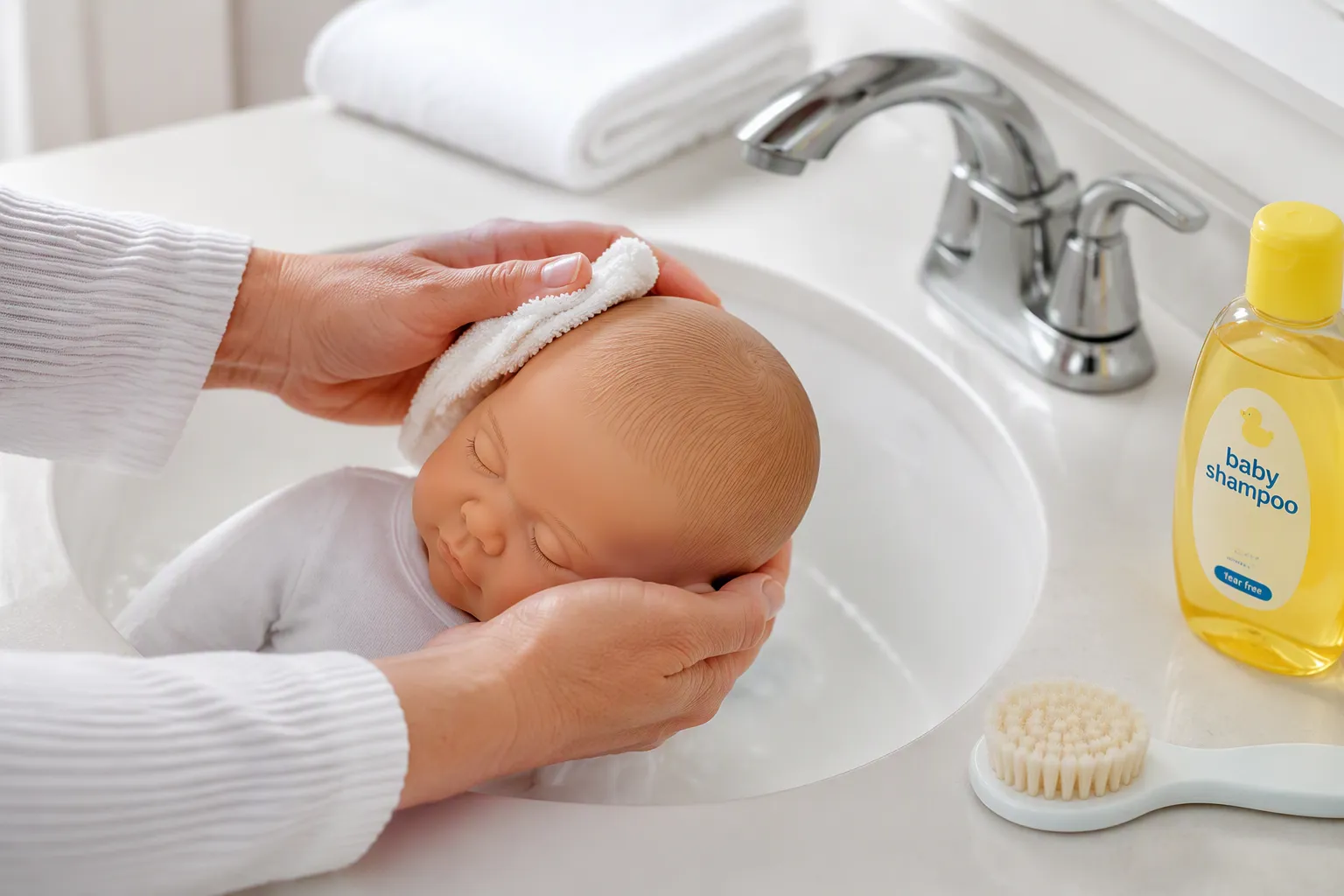
Yes, you can gently touch your baby's soft spot. Plenty of parents worry about that tender patch on the top of the head. Here is the good news: a tough membrane covers the area and shields the brain beneath it. Your gentle touch, a cuddle, or a shampoo will not harm it.
Still, that little pulse and dip can raise questions. Caring for the Soft Spot on Your Baby’s Head starts with knowing what is typical. This guide walks you through what soft spots are, how a normal soft spot looks, and the warning signs that mean a call to the doctor. You will finish feeling calmer and more confident.
Key Takeaways
You can gently touch and wash your baby's soft spot. A tough membrane protects the brain.
A normal soft spot looks slightly sunken and may pulse gently. This is healthy.
Support your baby's head and neck during holding and feeding. Change positions often.
Call the doctor if the soft spot looks sunken or bulging, or if your baby acts sick.
The soft spot closes on its own schedule. Most close within 1 to 3 years.
What Is the Soft Spot on Your Baby's Head?
That tender patch has a name: the fontanelle. It is a membrane-covered gap between the skull bones. The membrane is tough. It protects the brain during gentle touch, so you can relax when you stroke your baby's head.
Soft Spot Locations
You will find two main baby soft spots. The table below shows where each one sits.
Fontanelle
Location
Shape
Anterior fontanelle
Top of the head, toward the front
Diamond-shaped
Posterior fontanelle
Back of the head
Triangular
The anterior fontanelle is the large, easy-to-find soft spot on your baby's head. It sits where the two frontal bones and two parietal bones meet. The posterior fontanelle is smaller and sits at the back, where the parietal bones meet the occipital bone. Many parents notice the front one first because it is bigger and more visible.
Why Babies Have Soft Spots
These gaps serve two big jobs. First, they let the skull bones flex during birth. The plates can overlap slightly, so the head passes through the birth canal without pressing on the brain. Second, they give the brain room to grow. The sutures stay flexible through infancy and childhood. The brain grows fast in this stage, and the soft spots on your baby’s head allow that growth while still protecting against minor bumps.
Without flexible sutures and fontanelles, the brain could not grow enough. That is why baby’s fontanelles matter so much. They are not a design flaw. They are a smart feature of early development. The soft spots on your baby’s head will close on their own as the skull bones knit together. For now, they do exactly what they should.
What a Normal Soft Spot Looks Like
A normal soft spot looks unremarkable, and that is exactly the point. It sits mostly flush with the rest of the head. Skin and hair cover it, so you may not see it until you look closely. Part the hair gently and compare both sides of the head. The area should blend in with the curve around it. Run your fingers over it and you will feel a texture that is relatively soft. It curves inward very slightly. That gentle dip is the normal soft spot appearance, and it tells you the skull is forming as it should. A healthy soft spot feels like a shallow bowl, not a tight drum. Check when your baby is calm and fed. A crying baby tenses up, and that can change how the spot feels for a moment. Every soft spot on a baby’s head has its own shape, and your baby’s soft spot can dip slightly and still be perfectly normal. Check the soft spot at the same time each day.
Is a Pulsating Soft Spot Normal?
Yes, a gentle pulse is normal. You may notice a faint beat under your fingertips or a small flutter when your baby lies still. That rhythm reflects blood flow moving through the vessels beneath the membrane. It is not a sign of trouble. Many parents find bulging or pulsating soft spots alarming at first. Try not to worry. A light, steady pulse in an otherwise soft, slightly curved spot is simply part of how baby soft spots work. The beat may come and go with your baby's heartbeat and activity. It often grows less visible as your baby’s fontanelles knit together. Some days you will spot it right away. Other days you will feel nothing at all. Both are fine. The fontanelle is not a weak point. It is a flexible seam doing its job.
Sunken vs. Bulging Soft Spots
Depth matters more than pulse. A sunken soft spot sits lower than usual and can look like a small crater. The most common of the causes of a sunken soft spot is dehydration in babies. Offer extra bottles or more breastfeeding sessions, then call the doctor. Other signs usually show up alongside it:
dry tongue and lips
dry, cool skin
infrequent urination
no tears when crying
sunken eyes
A sunken fontanelle can also, though uncommonly, point to malnutrition. Watch for a baby who is underweight, tired, or has dry hair that falls out easily. A sunken soft spot on a baby’s head is a reason to act, not to wait and see.
Now look the other way. A bulging soft spot curves outward. A true bulging fontanelle stays raised after you calm your baby and hold them upright. It feels firm rather than slightly sunken. Fever or unusual sleepiness may come with it. Rule out the harmless stuff first. Crying, vomiting, or lying flat can cause short-lived fullness that settles once your baby calms. That is not bulging while baby is calm. A bulging fontanelle that stays tight and raised deserves a call to your pediatrician. Pressure inside the head can build for many reasons, and your doctor is the right person to sort it out. Trust your eyes on this one. You know your baby's soft spot best, and a quick check gives you peace of mind. Both soft spots should feel similar in texture, so compare them. Keep watching the soft spots over the next few days, too. Each fontanelle has its own timeline, and your baby’s soft spot may look different from another baby’s.
Caring for the Soft Spot on Your Baby's Head
You already know the membrane is tough. Now let's talk about daily care. Gentle touching, cuddling, hair washing, and soft brushing are all safe. Use a soft brush or your hand, and never scrub or tug the skin. A thick, durable membrane just beneath the scalp protects the brain, so gentle cleaning over the fontanelles is safe.
Safe Touching and Washing
Bath time is where most parents pause. Here is a simple routine for how do you care for the soft spot on a baby’s head during washing:
Begin at the head with a washcloth dipped in lukewarm water.
Gently wipe the face and scalp, and it is safe to clean gently over the soft spots.
Clean the neck creases and behind the ears.
Use baby shampoo only once or twice a week.
Gently massage the whole scalp, including over the fontanelles. When you rinse, cup a hand across the forehead so suds run to the sides and not into the eyes. If suds get in, wipe them with a wet washcloth and plain lukewarm water. Continue down the body from top to bottom. This is the heart of caring for the soft spot on your baby’s head — calm, gentle, and routine.
Holding and Positioning Tips
Support matters more than touch. Until your baby holds their head up independently, support the head whenever they are not lying flat on their back. Place one hand behind the head and neck and the other under the bottom. Gently scoop your baby up toward your chest. Never lift a newborn by or under the arms, because the head could dangle or flop. Bend your knees as you lift to protect your back.
When holding your baby upright against your chest, face the stomach toward you, place the head near your shoulder, support the bottom with one arm, and support the back of the head and neck with the other hand. Keep your baby upright after feeding for about 30 minutes to aid digestion. When burping, keep a loose hand on the neck and head to prevent wobbling. Check that car seats, strollers, and bouncers sit at the correct incline. If the head flops forward, readjust the angle.
Change positions often so no one area of the skull gets too much pressure. As part of a gentle daily routine, Chiaus baby diapers and baby wet wipes help keep changes and cleanup calm and comfortable. That is how do you care for the soft spot on a baby’s head without stress. Good positioning is really just caring for the soft spot on your baby’s head in motion. Every cuddle and every diaper change becomes part of care for your baby’s soft spot. Keep these habits steady, and care for the soft spot becomes second nature. Parents who ask how do you care for the soft spot on a baby’s head often find the answer is simple: support, gentleness, and variety. That is caring for the soft spot on your baby’s head done well.
When Should the Soft Spot Close?
Typical Closure Timelines
Every baby follows their own schedule. Even so, most soft spots close within a window you can expect. The table below shows the usual timing.
Fontanelle
Typical Closure
Posterior fontanelle
Within the first few months after birth
Sphenoidal fontanelle
Within the first few months after birth
Mastoid fontanelle
Within the first few months after birth
Anterior fontanelle
Around 9–18 months of age
The smaller back spot usually closes within the first few months. The larger front spot often closes by around 18 months. Some children take a little longer, and that is fine. You may wonder when does a baby’s soft spot close for good. The answer is different for each baby, and your pediatrician checks it at each visit.
Let the soft spot close on its own as your baby grows. Do not press on it, and do not try to make it close faster. The skull bones join together on their own timeline. Your job is simply to watch and note any changes.
What Late or Early Closure Means
A late-closing fontanelle is one still open after about 24 months at the front, or after about 4 months at the back. Most cases are harmless. Sometimes, though, a delayed fontanelle points to a health issue. Watch for these possible causes:
congenital hypothyroidism, which slows bone growth
rickets or vitamin D deficiency, which softens bones
genetic conditions such as Down syndrome
metabolic bone disorders
increased intracranial pressure or hydrocephalus
malnutrition
Early closure deserves attention too. Research on healthy children with early anterior closure found slightly lower motor and cognitive scores on the Bayley III assessment. No child showed clear developmental delay, and timing itself was not the main factor. The authors recommend follow-up for development.
Here is the key point: neither early nor late closure is a reason to panic. Bring it up at a well-child checkup. Your pediatrician can measure head growth, review the growth chart, and order tests if needed. Ask about when does a baby’s soft spot close at your next visit, and share anything that seems off. Watching closely keeps you informed and your baby safe.
What If the Soft Spot Gets Bumped?
Minor bumps happen. Your baby wiggles during a diaper change, a sibling's toy rolls off the couch, or a car seat strap slips. Take a breath. The membrane over the fontanelle is tough, and it shields the brain during everyday knocks. Your job now is simple: watch your baby's behavior and the spot's appearance for the next day or two.
Signs to Watch After a Bump
Most bumps leave no mark at all. A small red spot on the scalp may fade within minutes. Watch how your baby acts instead of staring at the skin. A baby who feeds well, plays, and settles for naps is usually fine.
Some signs deserve a closer look. Keep this list handy:
nonstop crying that nothing soothes
vomiting, especially repeated or forceful vomiting
changes in sleep, from unusual drowsiness to trouble waking
unusual irritability or a baby who seems unwell
a bulging soft spot after the injury, which may signal bleeding or fluid buildup in the brain
That last one needs immediate medical attention. A bulging fontanelle that stays raised while your baby is calm, upright, and quiet is not a wait-and-see sign. Neither is a sunken soft spot paired with poor feeding. If you ever ask yourself when to worry about fontanelle changes, trust that instinct and make the call.
When to Call the Doctor
Call your pediatrician if the spot looks unusually sunken or bulging, or if your baby seems unwell in any way. A fever of 100.4°F (38°C) or higher matters too, especially alongside a bulging fontanelle. So do seizures, rapid or labored breathing, a rash that does not fade when pressed, or swollen lymph nodes in the neck or behind the ears.
You know your baby best. When to worry about a baby's soft spot comes down to two things: how the spot looks and how your baby acts. A sunken fontanelle, a firm and raised bulging fontanelle, or a baby who is hard to wake all warrant a call. When to worry about a baby's soft spot should never feel like a guessing game. Pick up the phone. Your doctor would rather hear from you than have you sit home and fret. Those baby soft spots are built to handle small bumps, and a quick check gives you peace of mind about the soft spot on a baby's head. Keep watching both soft spots over the next few days, and note any change in your baby's soft spot. A calm parent notices more, so stay calm and keep observing.
That tender patch is normal, touchable, and part of healthy growth. You can wash it, brush it, and cuddle your baby without fear. A tough membrane does the protecting.
Keep an eye out for a sunken, bulging, or unusually firm soft spot. You know your baby best, so trust your instincts and call the doctor when something feels off. Regular well-child checkups let your pediatrician track closure and development over time.
Your baby's soft spot will close on its own schedule. Until then, gentle hands and steady checkups are all you need. You are doing a great job. Those soft spots are simply proof of how wisely your baby’s soft spot is designed for growth.
FAQ
Can I brush my baby's hair over the soft spot?
Yes, go right ahead. Use a soft brush or your hand and stroke gently. The membrane beneath the scalp is tough, so normal grooming will not hurt your baby. Skip any scrubbing or tugging, and you are fine.
Why does the spot seem to beat?
That faint rhythm comes from blood flowing through vessels under the membrane. A gentle pulse is normal and often fades as the skull bones knit together. You may see it one day and not the next. Both are fine.
Should I worry if I cannot feel the soft spot?
Not at all. Hair, positioning, and your baby's mood all change how easy it is to find. Some days it feels obvious, other days barely there. Ask your pediatrician to check it at the next well-child visit.
Does a hat or headband put pressure on it?
A loosely fitted hat or soft headband is safe. Just avoid anything tight, stiff, or clipped firmly against the scalp. Comfort is your guide here. If a mark stays on the skin after you remove it, the fit is too snug.
Can I wash the scalp with regular baby shampoo?
Yes, baby shampoo is fine. Use it once or twice a week and rinse with lukewarm water. Cup your hand across the forehead so suds run sideways. Gentle washing keeps both soft spots clean without any risk.