Introduction
Did you know that many new mothers experience urinary incontinence after childbirth? This common issue can significantly affect daily life. Hormonal changes, physical strain from delivery, and pressure on the bladder all contribute to this condition.
In this article, we will explore the causes, types, and impacts of postpartum urinary incontinence. You’ll also discover practical solutions, including the role of adult diapers in providing comfort and support for new mothers.
Causes of Urinary Incontinence During Postpartum
Hormonal Changes
During pregnancy, hormonal changes help prepare the body for labor and delivery. However, these hormonal fluctuations, particularly the hormone relaxin, can weaken the pelvic floor muscles, which play a crucial role in bladder control. Relaxin increases flexibility in the pelvic region, enabling the body to accommodate the growing fetus. While this is essential for childbirth, it also reduces the strength and support for the bladder. As a result, new mothers may experience difficulty controlling their bladder during the postpartum period. These changes are often temporary, but without the right management strategies, they can cause significant discomfort.
Physical Strain from Delivery
Whether vaginal or cesarean, delivery puts considerable strain on the pelvic floor muscles and the bladder. In vaginal deliveries, the pelvic floor muscles and tissues may become stretched, weakened, or torn, which can affect bladder control. Additionally, forceps use, episiotomies, or prolonged labor may exacerbate this strain, leading to further complications. In cesarean sections, while there may be less direct impact on the pelvic floor, the abdominal muscles that support the bladder can still be weakened. As the body heals, the bladder and pelvic muscles may struggle to regain their previous strength, resulting in urinary incontinence.
Increased Pressure on the Bladder
During pregnancy, the growing fetus places tremendous pressure on the bladder. This pressure, combined with hormonal changes, can significantly affect bladder function. After childbirth, this pressure may persist, particularly if the mother had a large baby or experienced prolonged labor. Even after the baby is born, the pelvic floor muscles may take time to return to their pre-pregnancy state, and the bladder may continue to feel the effects of the pressure. This often leads to urinary leakage, particularly when sneezing, coughing, or engaging in physical activities.
Types of Urinary Incontinence Postpartum
Stress Incontinence
Stress incontinence is the most common form of postpartum urinary incontinence. It occurs when increased pressure on the bladder—such as from laughing, coughing, or physical exertion—causes urine leakage. This is often the result of weakened pelvic floor muscles during pregnancy and childbirth, which make it difficult to control the bladder during normal activities. Stress incontinence is typically mild, but in some cases, it can become more severe and frequent, especially during activities that involve physical movement or sudden changes in pressure.
Urge Incontinence
Urge incontinence is characterized by a sudden and intense need to urinate, often leading to involuntary leakage. This type of incontinence occurs when the bladder muscles contract involuntarily. The sudden urge can be overwhelming, and women experiencing urge incontinence may struggle to reach the bathroom in time. Postpartum women may experience urge incontinence due to hormonal shifts or nerve damage during delivery, which can cause the bladder to misfire. This can be particularly frustrating, as it may feel like the body is not in control of its normal functions.
Mixed Incontinence
Mixed incontinence is a combination of both stress and urge incontinence. This type can be particularly challenging to manage, as it involves both physical pressure on the bladder and the uncontrollable urge to urinate. Women experiencing mixed incontinence may have difficulty determining when the leakage is due to stress (such as from coughing or laughing) or when it is due to a sudden and urgent need to urinate. This can make it more difficult to find an effective treatment plan, as both types of incontinence need to be addressed simultaneously.
How Postpartum Incontinence Affects Daily Life
Emotional Impact
Postpartum urinary incontinence can significantly affect a woman’s emotional well-being. Many new mothers feel embarrassed, anxious, or frustrated about the condition. The social stigma surrounding incontinence can make it difficult to seek help, leading to a sense of isolation. This emotional toll can negatively impact their self-esteem, relationships, and overall mental health. The constant worry about leakage can also make it challenging to enjoy the early stages of motherhood, which should be filled with joy and bonding with the baby.
Practical Challenges
Managing incontinence while caring for a newborn can be a major challenge. New mothers already face a range of responsibilities, from feeding to changing diapers, and adding incontinence management to the list can feel overwhelming. Constantly worrying about leakage can disrupt daily activities such as exercising, shopping, or attending social events. For some, the fear of embarrassing accidents can prevent them from participating in public activities, further isolating them. This can also interfere with the development of a healthy and balanced routine after childbirth.
Impact on Physical Well-being
Postpartum incontinence can also affect a woman’s physical health. The inability to exercise or engage in normal activities can delay the healing process and hinder physical rehabilitation. For example, women may avoid physical activities such as walking, running, or strength training due to the fear of leakage. This lack of physical activity can prevent the pelvic floor muscles from strengthening and recovering, contributing to longer-term incontinence issues. Women who cannot engage in regular exercise may also struggle with weight management or regain core strength.
Effective Strategies for Managing Postpartum Incontinence
Pelvic Floor Exercises (Kegel Exercises)
Kegel exercises are one of the most effective methods for managing postpartum urinary incontinence. These exercises target the pelvic floor muscles, which support the bladder, uterus, and rectum. By strengthening these muscles, women can improve bladder control and reduce symptoms of incontinence. Kegel exercises are easy to perform and can be done at home, making them a convenient option for new mothers. It’s important to perform them regularly to see results, and a healthcare provider can provide guidance on how to perform them correctly.
Lifestyle Changes
In addition to pelvic floor exercises, lifestyle changes can help manage postpartum incontinence. Staying hydrated is essential, but it is important not to overhydrate. Drinking water consistently throughout the day ensures that the bladder does not become irritated. It is also important to avoid bladder irritants such as caffeine, alcohol, and spicy foods, which can exacerbate urinary urgency. Maintaining a healthy weight by eating a balanced diet can take pressure off the bladder and improve symptoms over time. Regular bathroom visits—timed urination—can also help prevent bladder accidents.
Medical Treatments
For women whose symptoms persist despite lifestyle changes, medical treatments may be necessary. Medications, such as anticholinergics, can help reduce bladder spasms and improve bladder control. Physical therapy, including biofeedback techniques, can help retrain the pelvic floor muscles. These therapies are non-invasive and can be effective for many women who experience moderate to severe incontinence. In some cases, a healthcare provider may recommend pessaries or other devices to provide additional support for the bladder.
Surgical Options
Surgical options are generally considered as a last resort for postpartum urinary incontinence, particularly in cases of severe or persistent symptoms. Procedures such as sling surgery, where a supportive sling is placed around the bladder to reduce leakage, can provide long-term relief. However, surgery carries risks and should be discussed thoroughly with a healthcare provider. In some cases, minimally invasive procedures like injections or nerve stimulation can be considered to restore bladder control.
The Role of Diapers in Managing Postpartum Urinary Incontinence
Comfort and Discretion
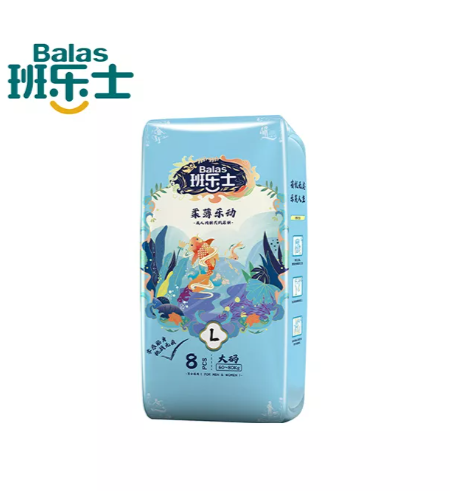
Adult diapers offer a practical solution for new mothers dealing with postpartum urinary incontinence. These diapers are designed for comfort and discretion, allowing women to go about their daily activities without the constant fear of leakage. High-quality diapers provide excellent absorbency and can be worn for extended periods, ensuring that mothers feel secure while managing their incontinence. Additionally, modern adult diapers are designed with soft materials that reduce the risk of skin irritation, making them a comfortable option for long-term use.
Choosing the Right Diapers
When selecting adult diapers for postpartum use, it is essential to choose the right fit and absorbency level. The diaper should provide enough absorbency to handle the amount of leakage experienced by the individual. It should also have a comfortable, secure fit to prevent leaks and ensure maximum comfort. Look for products designed specifically for postpartum use, as they offer features like breathable materials and extra padding where it’s needed most. Soft, skin-friendly materials reduce irritation, ensuring comfort throughout the day.
Comparison: Diapers vs. Pads
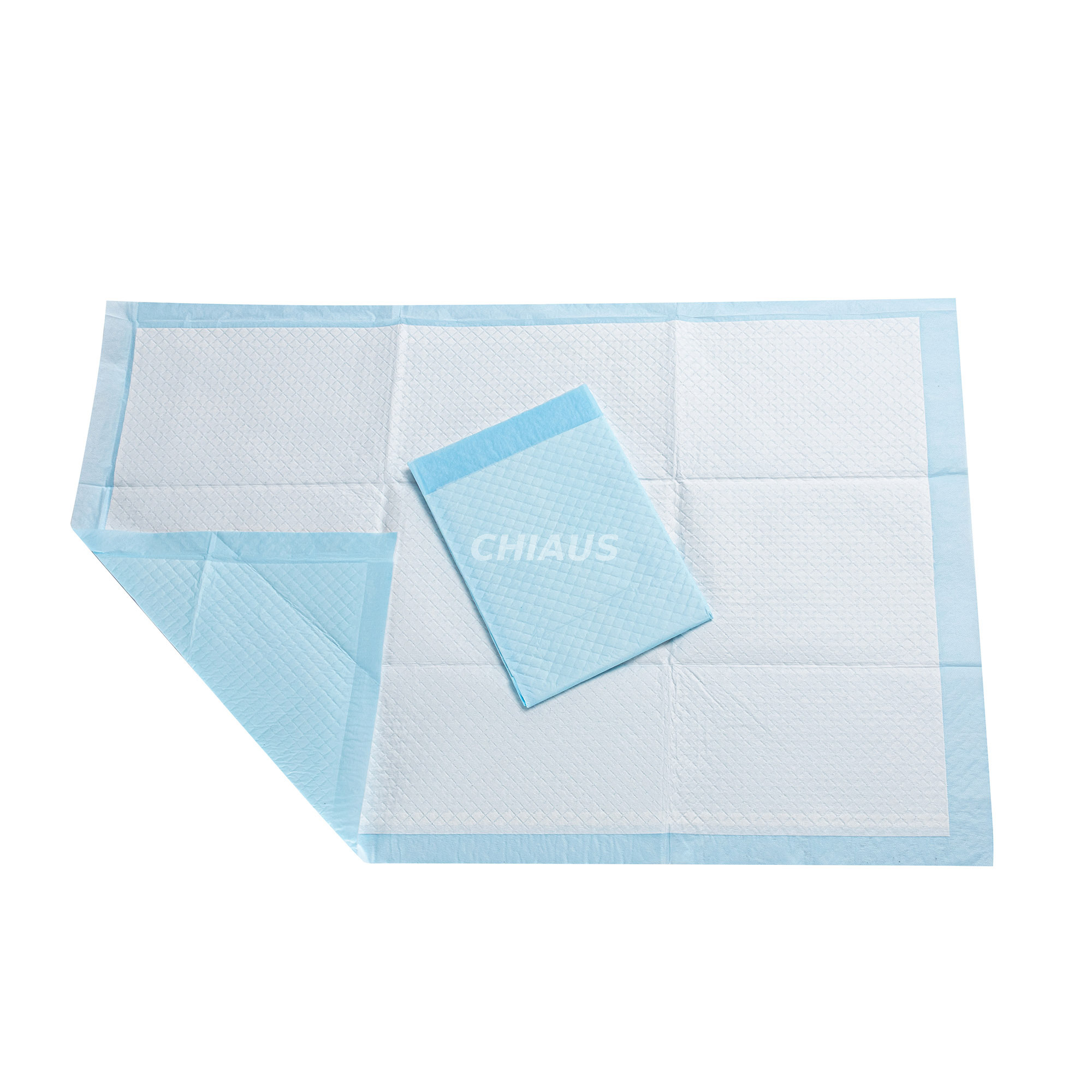
While pads may seem like a convenient option, adult diapers are often a more effective solution for postpartum urinary incontinence. Diapers offer superior absorbency, preventing leaks more effectively than regular pads. They also provide better coverage and comfort, especially during extended wear. For new mothers who are dealing with frequent leakage or more severe incontinence, diapers can offer a more reliable and discreet solution. Diapers are less likely to shift out of place and provide more protection against leaks, making them ideal for long-term use.
| Feature | Adult Diapers | Pads |
| Absorbency | High, designed for long-term use | Moderate, often for lighter flow |
| Fit | Secure, snug fit | Can shift during use |
| Coverage | Full coverage for leakage prevention | Smaller coverage, may leak at the edges |
| Comfort | Soft, breathable material for comfort | May cause irritation over time |
| Use Case | Best for frequent or severe incontinence | Suitable for light urinary leaks or spotting |
| Discretion | Provides discreet protection for extended wear | Less discreet in terms of leakage prevention |
Long-Term Management and Recovery from Postpartum Incontinence
Tracking Progress and Recovery
Monitoring progress is important for managing postpartum urinary incontinence. Regular follow-up with a healthcare provider ensures that any improvements are tracked, and adjustments can be made to treatment plans as needed. Many women find that their incontinence improves over time as they strengthen their pelvic floor muscles through exercises and lifestyle changes. Keeping track of symptoms and progress can help women stay motivated and focused on their recovery journey.
Support Networks and Counseling
Postpartum incontinence can be emotionally draining, and seeking support is key to recovery. Support groups, counseling, or talking to a trusted friend or family member can help reduce feelings of isolation and anxiety. Many women benefit from the emotional support of others who are going through similar experiences. This support can also help women cope with any negative emotions associated with incontinence and help them feel empowered to manage their condition.
Preventing Recurrence
Strengthening the pelvic floor muscles through consistent exercise and maintaining a healthy weight can help prevent the recurrence of postpartum incontinence. Being mindful of posture, avoiding heavy lifting, and staying active are also helpful in maintaining long-term bladder health. Regular exercises and mindful care of the pelvic floor muscles can help women regain control of their bodies and reduce the risk of long-term issues related to incontinence.

Conclusion
Postpartum urinary incontinence is a common issue faced by many new mothers, but it doesn't have to be a permanent challenge. By understanding its causes, types, and impacts, women can manage this condition and improve their quality of life. From pelvic floor exercises to the right adult diapers, there are various solutions available. Seeking professional help and building a supportive environment is crucial. With the right approach, new mothers can regain control and embrace motherhood with confidence and comfort.
Chiaus provides high-quality products designed to offer comfort and reliability for managing postpartum incontinence. Their diapers help new mothers feel secure, making it easier to manage incontinence while caring for their baby.
FAQ
Q: What is postpartum urinary incontinence?
A: Postpartum urinary incontinence refers to the involuntary leakage of urine after childbirth, commonly caused by hormonal changes, physical strain, and pressure on the bladder during pregnancy.
Q: How can diapers help manage postpartum incontinence?
A: Diapers offer comfort and discretion, providing reliable absorbency for new mothers dealing with postpartum urinary incontinence, allowing them to go about their daily activities confidently.
Q: How long does postpartum urinary incontinence last?
A: For many women, postpartum urinary incontinence improves over time, typically within a few months as the body heals. However, ongoing pelvic floor exercises and using products like diapers can help manage symptoms effectively.
Q: Are there different types of postpartum incontinence?
A: Yes, postpartum incontinence can be stress incontinence, urge incontinence, or a mix of both. Each type may require different management strategies, such as pelvic exercises or using adult diapers for support.
Q: When should I consider using diapers for postpartum incontinence?
A: If leakage becomes frequent or severe, diapers can offer a discreet and comfortable solution to manage symptoms while you work on other treatments like pelvic floor exercises or medical interventions.


