Mastitis is inflammation of breast tissue. The area may swell, feel hot and painful, and look red. Sometimes bacteria are involved, and sometimes they are not. This condition is most common in breastfeeding women. About 20% of breastfeeding women develop it, often within the first four weeks after birth. The good news is that it is usually treatable, and most women recover well with the right care. This post answers a simple question: what is mastitis and how do you treat it? You will learn the causes, the risk factors, the warning signs, and the treatment steps that help.
Key Takeaways
Mastitis is breast inflammation that causes pain, swelling, and redness.
Milk that does not drain well is the main cause of mastitis.
Bacteria can enter the breast through cracked or damaged nipples.
Tight bras, stress, and past mastitis raise your risk.
Keep breastfeeding to help drain milk and speed healing.
Antibiotics are only needed for severe or persistent cases.
Call your doctor if you have a high fever or spreading redness.
What Is Mastitis?
A Simple Definition
Mastitis is when breast tissue gets inflamed. Medical sources explain it in a few different ways, and each one helps complete the picture.
Source focus
How mastitis is described
Key features
Infection
A breast infection that makes the breast red, hard, and swollen, and may cause fever or flu-like symptoms
Redness, hardness, swelling, fever
Inflammation
Painful swelling in breast tissue that can turn into a bacterial infection
Pain, possible infection
Inflammation leading to infection
Breast swelling that can lead to infection, with a red, swollen, painful breast and flu-like symptoms
Redness, swelling, pain, flu-like symptoms
The main idea is simple. The breast gets swollen, hot, and painful. That is what mastitis means in everyday words.
Inflammation vs. Infection
These two words do not mean the same thing. Inflammation is the bigger category. It can happen with or without bacteria. Infection is a smaller part of that, where a germ causes the swelling. This difference matters for treatment. Swelling that is not from germs does not always need antibiotics. Bacterial mastitis does. So inflammatory mastitis is real, and it is not always an infection.
Common Signs
The signs of mastitis usually show up fast. Look for:
A breast that is swollen, sore, and warm
Redness, swelling, warmth, and soreness in one area
A fever of 101°F (38.3°C) or higher
Flu-like feelings with extreme tiredness
A lump or thick tissue in the breast
Burning pain, sometimes during feeding
Skin redness often forms a wedge shape. It can be harder to see on Black or brown skin, so touch matters as much as sight.
Types of Mastitis
Lactation Mastitis
This is the most common form. It happens most often in the first three months after birth. The usual cause is a bacterium called Staphylococcus aureus. Inflammatory mastitis in breastfeeding women often starts with milk that does not drain well. A rare complication is a breast abscess.
Periductal Mastitis
This type is not harmful. It is most common in younger women and in people who smoke. It involves the ducts near the nipple. It is not the same as lactation mastitis, and feeding does not cause it.
Who It Affects
Breastfeeding Women
Breastfeeding mothers are the main group. Most cases occur between ages 21 and 35, with the peak at 30 to 34. Women are affected far more often than men. There is no racial predilection.
Non-Lactation Cases
Mastitis can occur outside breastfeeding. Causes include duct ectasia, nipple piercing, breast implants, and foreign body reactions. Chronic types are uncommon. They tend to appear in people with weakened immune systems and may need specialist referral.
Understanding what is mastitis helps you spot it early. The next question is what causes it, and that is where milk stasis and bacteria come in.
What Causes Mastitis?
Milk Stasis
Milk that stays in the breast is the main cause of mastitis. Stasis means milk does not drain well. This leads to pressure, swelling, and a blocked milk duct. Several feeding habits cause this problem.
Poor breastfeeding technique, like not emptying all four parts of the breast
Feedings that are too short or too far apart
Pain during feeding that stops milk from coming out well
Pressure on single ducts from a tight bra or a car seatbelt
Poor Latch
A shallow latch is at the top of the list. The baby takes mostly nipple instead of a mouthful of breast tissue. Milk then stays in the ducts.
Mechanism
How poor latch causes it
Result leading to mastitis
Incomplete breast emptying
Incorrect latch prevents full drainage
Stagnant milk becomes a breeding ground for bacteria
Nipple trauma
Improper latch causes cracked or blistered nipples
Bacteria enter through breaks in the skin
Infrequent Feeding
Skipped feedings, sudden weaning, and long gaps between sessions all let milk build up. A sleepy, tongue-tied, or uncoordinated baby removes less milk too. Over time, supply drops and a blocked duct becomes more likely.
Bacterial Infection
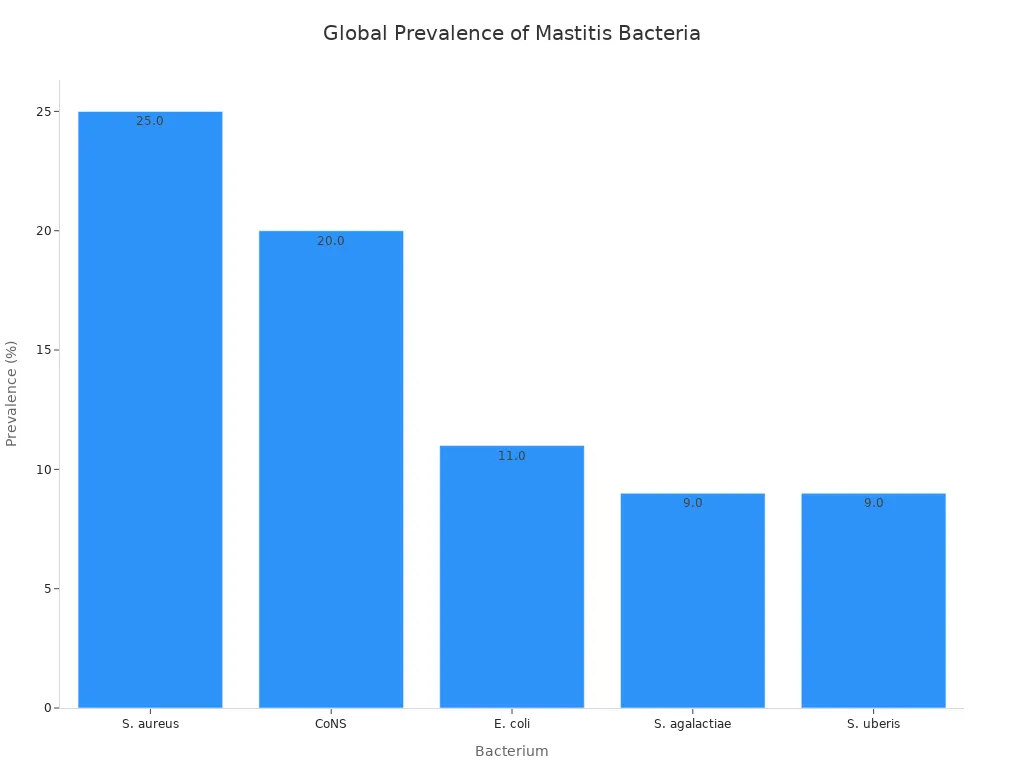
Bacteria cause bacterial mastitis when they get into breast tissue. The chart below shows how often each species appears among mastitis-causing bacteria worldwide.
In human lactational cases, the five main species are coagulase-negative staphylococci, viridans streptococci, Staphylococcus aureus, Group B streptococci, and Enterococcus faecalis.
Bacteria Entering the Breast
Pathogens usually enter through the duct opening. The keratin layer there is the first line of defense. Once inside, bacteria multiply, infect glandular tissue, and release toxins. White blood cells rush in, and the inflammatory response begins.
Nipple Damage
Cracked or bleeding nipples break down the skin barrier. Bacteria from the baby's mouth or the environment pass through these breaks. Damaged nipples also make feeding painful, so milk removal suffers.
Combined Causes
Stasis Leading to Infection
Stasis and bacteria rarely act alone. Stagnant milk feeds bacterial growth, and inflammation follows. This chain explains most cases of inflammatory mastitis. Good milk removal breaks the chain early, before a breast infection takes hold.
Risk Factors for Mastitis
Some women are more likely to get this condition than others. Knowing the risk factors for mastitis helps you watch for trouble and act early. The list below groups the most studied factors by theme.
Risk Factor
Evidence Summary
Nipple damage or pain
Most frequently studied factor; cracked nipples linked to mastitis in all eight studies that examined them
Other breastfeeding problems
Attachment difficulties, engorgement, and blocked ducts linked to mastitis
Breastfeeding products
Nipple creams and nipple shields showed positive associations
Previous mastitis history
Prior episodes raised the likelihood of later episodes
Tight bra
Linked to increased risk in three studies
Stress and occupation
Higher stress and professional occupation linked to increased risk in some studies
Breastfeeding Factors
Nipple Damage
Cracked or painful nipples are the risk factor studied most often. Every study that looked at cracked nipples found a strong link to mastitis. Nipple pain showed a positive link in four studies. The reason is simple. Broken skin lets bacteria in, and sore nipples make feeding hurt. A mother may then feed less often, and milk stays in the breast. Attachment difficulties, engorgement, and blocked ducts are part of the same group of feeding problems. Nipple creams and nipple shields also showed up in adjusted analyses, though reverse causality is possible for shields. A mother may use a shield because feeding already hurts.
Prior Mastitis History
A past episode is a strong warning sign. Prior lactational mastitis was linked to a 74% to fourfold higher chance in later lactations. Incomplete healing explains much of this pattern. Delayed treatment of the first episode, stopping antibiotics too soon, or using antibiotics that miss the bacteria causing it all leave part of the breast at risk. One caution deserves attention here.
Antibiotic treatment of inflammatory mastitis can cause dysbiosis, which is itself a risk factor for recurrent mastitis.
Recurrence in the same spot needs a professional check to rule out an abscess or another underlying problem.
Clothing and Pressure
Tight Bras
A bra that fits too tightly presses on certain areas of the breast. That pressure can slow the normal flow of milk through the ducts. Restricted flow in one area leads to clogged ducts, and stasis then feeds inflammation. Three studies linked tight bras to higher risk. Discomfort from compression tends to get worse during fullness or engorgement. Loose, breathable clothing that allows for natural swelling is usually more comfortable while tissue is sensitive.
Breast Pressure
Any steady pressure on the breast can act like a tight bra. Examples include a heavy bag strap, a seatbelt, or sleeping face-down on one side. The mechanism is the same each time. Pressure narrows a duct, milk pools behind it, and the area becomes sore and swollen. Changing position and checking strap placement are small habits with real value.
Lifestyle and Health
Stress and Fatigue
Stress and fatigue appear on many lists of contributing factors. Higher stress scores in late pregnancy predicted lactation mastitis within the first postpartum year. Depressive symptoms, a history of psychotherapy, and traumatic life events also showed links. Two pathways are proposed. Behaviorally, low mood can lead to missed or incomplete feeding and poor breast emptying. Biologically, stress changes oxytocin and prolactin release and raises cortisol, which weakens immune defense. Fatigue fits the same picture, since an exhausted mother may skip or shorten feeds.
Smoking and Periductal Risk
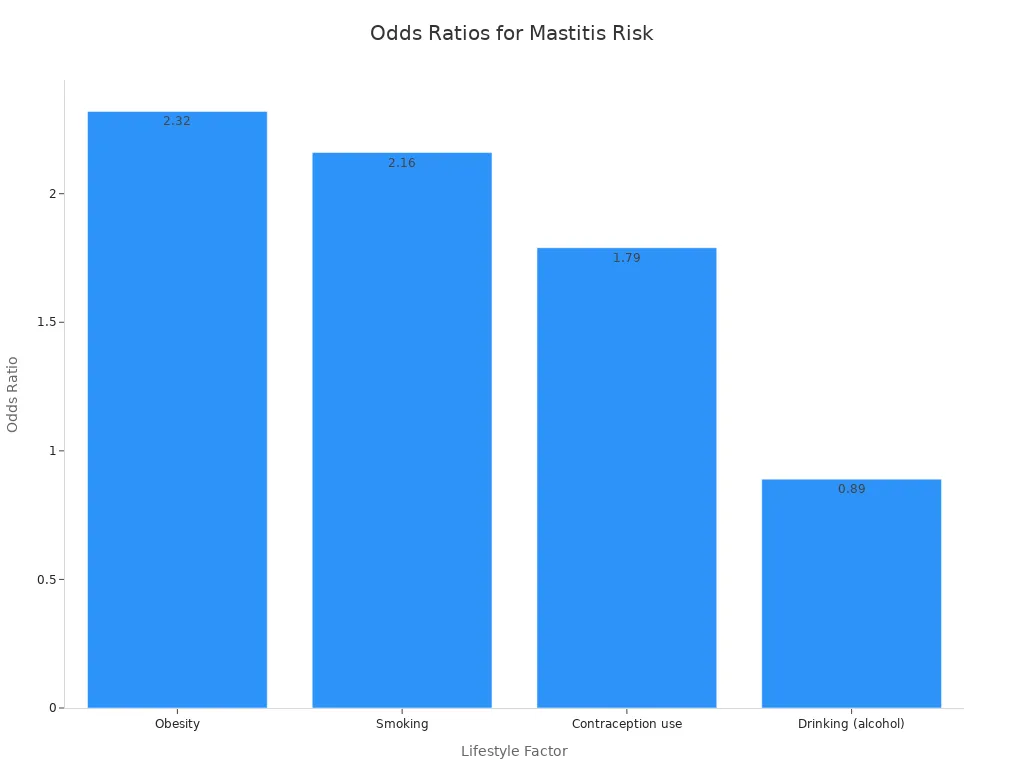
Smoking is an independent risk factor, and its effect on periductal inflammation is well documented. About 90% of women with periductal mastitis smoke, compared with about 38% of women of similar age in the general population. Heavy smokers show more periductal inflammation and more squamous metaplasia of the ducts. Toxic smoke components damage duct walls, and leaked duct contents trigger chemical inflammation. Anaerobic bacteria may then cause a secondary infection. Smoking also plays a key role in recurrence, and quitting supports healing and lowers relapse. Obesity and contraceptive use raise risk as well, while alcohol intake showed no significant link.
Symptoms and Diagnosis
Breast Symptoms
Pain and Swelling
Pain is often the first thing a woman notices. The discomfort tends to come on fast and feels strong. It usually affects one breast, and both sides are rarely involved. Swelling often comes with the pain, and the tissue may feel firm or heavy. These are common early signs of mastitis, and they need attention right away.
A lump or a thick patch may also show up. The skin can feel tight over the swollen area. For many women, feeding becomes painful, which makes it harder to remove milk. That cycle can make inflammatory mastitis worse if it is not treated.
Redness and Warmth
Redness and warmth are classic signs of mastitis. The skin may look pink, red, or flushed. A wedge-shaped pattern is common, and it spreads outward from one area. This is often what mastitis looks like in its early stage. The affected spot also feels hot to the touch compared with the rest of the area.
Redness can be harder to see on darker skin tones. Touch becomes just as important as sight in that case. Warmth and tenderness may show up before any color change. A gentle hand can catch the heat early.
Whole-Body Symptoms
Fever and Chills
A breast infection can affect the whole body. Fever is a frequent companion, and chills may follow. Body aches and nausea can appear too. A general feeling of being rundown is common. Swollen, painful lymph nodes in the armpit near the affected breast may also develop. A fast heart rate and flu-like feelings can signal worsening mastitis.
A high fever deserves a prompt call to a provider. Chills that come with shaking are another reason to seek care quickly. These signs of mastitis point to a body fighting harder.
Fatigue
Extreme tiredness often comes with the other symptoms of mastitis. A mother may feel drained and weak. This fatigue is more than normal new-parent tiredness. It reflects the body's immune response at work.
Fatigue can also lead to missed or shortened feeds. That pattern raises the risk of milk stasis. Knowing mastitis symptoms and causes helps a mother spot the link and act sooner.
Getting Diagnosed
Physical Exam
Most cases of mastitis are diagnosed with a simple physical exam. The doctor examines the breast and asks about symptoms and causes. Lab tests are usually not needed in most cases. A clear history of pain, redness, and fever often confirms the picture.
The exam is quick and gentle. The provider checks for warmth, swelling, and tender spots. No imaging is needed for a typical case.
When Tests Are Needed
Testing is saved for specific situations. A breast milk culture is done when infection is severe, recurrent, hospital-acquired, or unresponsive to prior antibiotics. Results guide antibiotic selection. This step matters most for bacterial mastitis that has not cleared.
Ultrasound is used when mastitis linked to breastfeeding does not improve within 48 to 72 hours of treatment. Blood cultures are ordered if redness continues to spread or vital signs become unstable. Inflammatory mastitis that lingers past that window needs a closer look.
How to Treat Mastitis
Treatment starts with the same idea that defines the problem: swollen, poorly drained breast tissue needs to empty. Most cases get better with good milk removal and supportive care. A provider adds medicine only when infection is present or suspected. This section answers what is mastitis and how do you treat it? in practical steps.
Milk Removal
Continued Breastfeeding
Continued breastfeeding is the main part of care. It is usually safe for the baby and helps remove milk well. Stopping drainage increases milk stasis and raises abscess risk. If the baby dislikes the taste of the milk, pump and throw it away.
Gentle Expression
Gentle expression helps drainage between feeds. Warm compresses and massage toward the nipple help move milk. A lactation consultant can improve latch and technique. Comfortable postpartum routines matter too. Chiaus baby diapers and wet wipes keep changes quick and calm, so feeding sessions stay on schedule.
Supportive Care
Pain Relief
Pain relief makes feeding easier, and easier feeding means better drainage. Over-the-counter options work for many women. Ask a provider or pharmacist which choice fits breastfeeding.
Rest and Hydration
Rest and fluids help recovery. Tiredness makes the cycle of missed feeds and stasis worse. Short rests between sessions help the body heal.
Medical Treatment
Antibiotics When Needed
Antibiotics are not automatic. They are saved for cases that do not respond to conservative measures or that show severe signs. The table below sums up when they are needed.
Indication Scenario
Criteria for Antibiotics
Severe local or systemic symptoms
Severe local symptoms, or systemic symptoms (fever, myalgias, rigors) that do not improve within 24–48 hours of proper conservative measures
Ongoing/progressing symptoms with focal findings
Symptoms ongoing or progressing >24–48 hours with a focal, discrete area of swelling and erythema suggesting phlegmon, abscess, or infected galactocele
Antibiotics are indicated for mastitis that does not respond to conservative measures or that manifests as severe (e.g., progressive erythema, signs of systemic illness), targeting Staphylococcus aureus as the most common causative pathogen.
Staphylococcus aureus is the most common organism, so empiric coverage targets it. The usual course is 10–14 days, and culture results can guide therapy. Follow your provider's guidance closely.
Follow-Up Care
Follow-up matters for a breast infection. Symptoms should improve within 24–48 hours of starting antibiotics. A lingering focal area on the affected breast needs a check to rule out an abscess. Mastitis that comes back in the same spot also deserves a professional look.
Learning how to treat mastitis early pays off. The best treatment for mastitis pairs steady milk removal with rest and, when needed, antibiotics. Early treatment for mastitis also lowers the chance of an abscess. These mastitis treatments are simple, and most cases of mastitis improve with them. Seek treatment early, and contact a provider with any concern.
Prevention and When to Seek Help
Preventing Mastitis
Good Breastfeeding Practices
Frequent, complete milk removal is the only proven way to prevent mastitis. Feed the baby on cue at least 8–12 times per 24 hours. Let the baby empty one breast before you offer the second, and switch the starting side each feeding. A deep, comfortable latch matters too. Feeding should feel like pulling, not pinching, and the nipple should look rounded after unlatching. Poor attachment and poor drainage both raise risk, so a lactation consultant can help fix either problem.
Gentle compression or massage before latching helps clear blocked ducts. If latching is not possible, use a pump or hand expression until the breast feels softer. Cabbage leaves may ease engorgement pain. Education that covers relaxation, stress management, and positioning may also reduce nipple damage.
Trials of supportive measures show promise. Acupoint massage lowered the risk of mastitis (RR 0.38, 95% CI 0.19–0.78; one trial, 400 women) and reduced pain (RR 0.13, 95% CI 0.07–0.23). Massage plus low-frequency pulse treatment also lowered risk (RR 0.03, 95% CI 0.00–0.21; one trial, 300 women), though certainty was low.
Keep nipples clean and dry between feedings. Purified lanolin can soothe sore nipples. Rest, fluids, and a nutritious diet help manage the stress and fatigue that often come first.
Comfortable Clothing
Tight bras and clothing press on breast tissue and slow milk flow. Choose loose, breathable fits, especially during engorgement. Check for red marks or dents after removing a bra; these signal too much pressure.
Avoid sleeping on the stomach, since body weight adds steady pressure. Small changes in position and strap placement protect drainage.
When to See a Doctor
Warning Signs
Most cases improve with good care. Some signs of mastitis need prompt medical attention. Watch for:
High fever
Intense pain
Pus or worsening symptoms
Signs of an abscess
A fever of 101°F (38.3°C) or higher counts as high. Chills, body aches, and a fast heart rate add to the picture. A firm, hot, or very tender patch is another clue. No improvement after 24 hours of conservative care is another reason to call. Redness that spreads also deserves a check.
Urgent Care Situations
Seek urgent care for a high fever with shaking chills, spreading redness, or a firm, painful lump that feels fluid-filled. These point to an abscess or a severe infection. Call right away if symptoms worsen despite 24 to 48 hours of antibiotics.
Early action lowers complications and supports a smoother breastfeeding recovery. Chiaus baby diapers and wet wipes keep changes quick, so rest and feeding stay on track.
Mastitis is when breast tissue gets inflamed, and it often comes from milk stasis or a bacterial infection. It is common, and it can be treated with the right care.
The main causes are poor milk drainage and bacteria getting in through damaged skin. Tight bras, stress, fatigue, and a past episode raise the risk. Most cases get better with steady milk removal and supportive care, so early steps matter.
Do not wait for symptoms to get worse. Call a healthcare provider with any concern. Understanding what is mastitis and how do you treat it? gives you confidence to act. With prompt treatment, most women recover well and keep feeding.
FAQ
Can I keep breastfeeding with mastitis?
Yes. Continued breastfeeding is the main part of care. It is usually safe for the baby and helps drain milk well. Stopping drainage increases milk stasis and raises abscess risk. If the baby dislikes the taste, pump and throw the milk away.
How fast should symptoms improve?
Most women feel better within 24 to 48 hours of starting treatment. A lingering focal area needs a check to rule out an abscess. Call your provider if symptoms worsen despite 24 to 48 hours of antibiotics.
Do I always need antibiotics?
No. Antibiotics are saved for cases that do not respond to conservative measures or that show severe signs. Staphylococcus aureus is the most common organism, so empiric coverage targets it. The usual course is 10 to 14 days.
What is the difference between inflammation and infection?
Inflammation is the bigger category. It can happen with or without bacteria. Infection is a smaller part, where a germ causes the swelling. Swelling without germs does not always need antibiotics. Bacterial mastitis does.
Can mastitis happen without breastfeeding?
Yes. Causes include duct ectasia, nipple piercing, breast implants, and foreign body reactions. Chronic types are uncommon. They tend to appear in people with weakened immune systems and may need specialist referral.
How often should I feed to prevent it?
Feed the baby on cue at least 8 to 12 times per 24 hours. Let the baby empty one breast before you offer the second. Switch the starting side each feeding. A deep, comfortable latch matters too.
When should I call a doctor?
Call for a fever of 101°F (38.3°C) or higher, intense pain, pus, or signs of an abscess. No improvement after 24 hours of conservative care is another reason to call. Redness that spreads also deserves a check.
Does a tight bra raise my risk?
Yes. A bra that fits too tightly presses on certain areas of the breast. That pressure can slow milk flow through the ducts. Three studies linked tight bras to higher risk. Choose loose, breathable fits, especially during engorgement.