Have you ever worried about how to prevent urinary and bowel leakage? You are not alone. About 1 in 3 women and 1 in 10 men have some type of incontinence. This condition affects your daily life, but you can treat and prevent it. Knowing the causes gives you control over your body. Simple changes like eating better and doing pelvic floor exercises can greatly improve bladder control. You can take charge of your health and have fewer leaks. This guide gives practical steps to help you prevent urinary and bowel leakage. You will learn what causes accidents and how to build better habits. Start today, and you will see positive changes.
Key Takeaways
Incontinence affects many people, but you can manage it.
Know what kind of incontinence you have so you can pick the right treatment.
Change what you eat and drink to help stop leaks.
Train your bladder by going to the bathroom on a set schedule.
Make your pelvic floor stronger with Kegel exercises.
Use the Knack maneuver to stop leaks when you cough.
See a doctor if your symptoms get in the way of your daily life.
To fix your leakage, you first need to know which type you have. Incontinence is not just one problem. It comes in several forms, and each form has its own causes and triggers. Once you see your pattern, you can take the right steps to regain control.
What Is Urinary Incontinence? Types and Triggers
Urinary incontinence means you leak urine without meaning to. The three main types are stress, urge, and overflow. Each type feels different and happens for different reasons.
Type
Definition
Common Triggers
Stress incontinence
Leakage from physical pressure on the bladder
Sneezing, coughing, laughing, lifting, exercise, being overweight
Urge incontinence
Sudden, intense need to urinate that you cannot delay
Bladder never fully empties, so urine drips out constantly
Prostate issues in men, nerve damage, bladder stones, tumors
Do you leak when you sneeze or jump? That points to stress incontinence. A review of 48 studies found that 78% of women with urinary incontinence have the stress type, making it the most common. Urge incontinence often strikes without warning. You feel a strong need to go, and you may not reach the toilet in time. Some people have mixed incontinence, which combines both stress and urge symptoms. That means you might leak during exercise and also feel sudden urges at night.
What Is Bowel Incontinence? Common Causes
Bowel incontinence means you cannot control stool or gas. It affects about 8% of adults worldwide, according to a review of 80 studies. The rate rises to 9.3% for adults over 60. Women experience it slightly more often than men.
Population
Prevalence
Overall adults
8.0%
Adults ≥60 years
9.3%
Adults <60 years
4.9%
Women
9.1%
Men
7.4%
Several conditions cause bowel leakage. Diarrhea can overwhelm your system. Constipation can stretch the rectum and weaken muscles. Childbirth by vaginal delivery may tear the anal sphincter. Nerve damage from diabetes, stroke, or spinal cord injury also plays a role. Hemorrhoids, rectal prolapse, and rectocele contribute too. Physical inactivity makes the problem worse.
How Pelvic Floor Weakness Affects Both
Your pelvic floor muscles support your bladder, bowel, and uterus. They also keep urine and stool inside until you choose to release them. When these muscles weaken, both systems suffer. Clinical data shows that urinary and fecal incontinence coexist in 35–50% of patients. This overlap points to a shared cause: pelvic floor dysfunction.
Weak floor muscles lose their ability to hold organs in place. This can lead to prolapse, where organs shift downward. The loss of support affects the rectum, causing ineffective emptying and seepage. Bladder control problems often appear alongside bowel issues because the same muscles support both. Strengthening your pelvic floor through targeted exercises can improve both types of leakage. The good news is that these muscles respond well to training, no matter your age.
Lifestyle Changes to Prevent Urinary and Bowel Leakage
Small changes can make a big difference. You do not need to change your whole life to stop leaks. Simple daily habits can strengthen your body and cut down accidents. These changes fix the real causes of leakage, not just the symptoms. You will learn what to eat, how to drink, and how to train your bladder. Each step helps you build better control step by step.
Diet Adjustments for Urinary Health
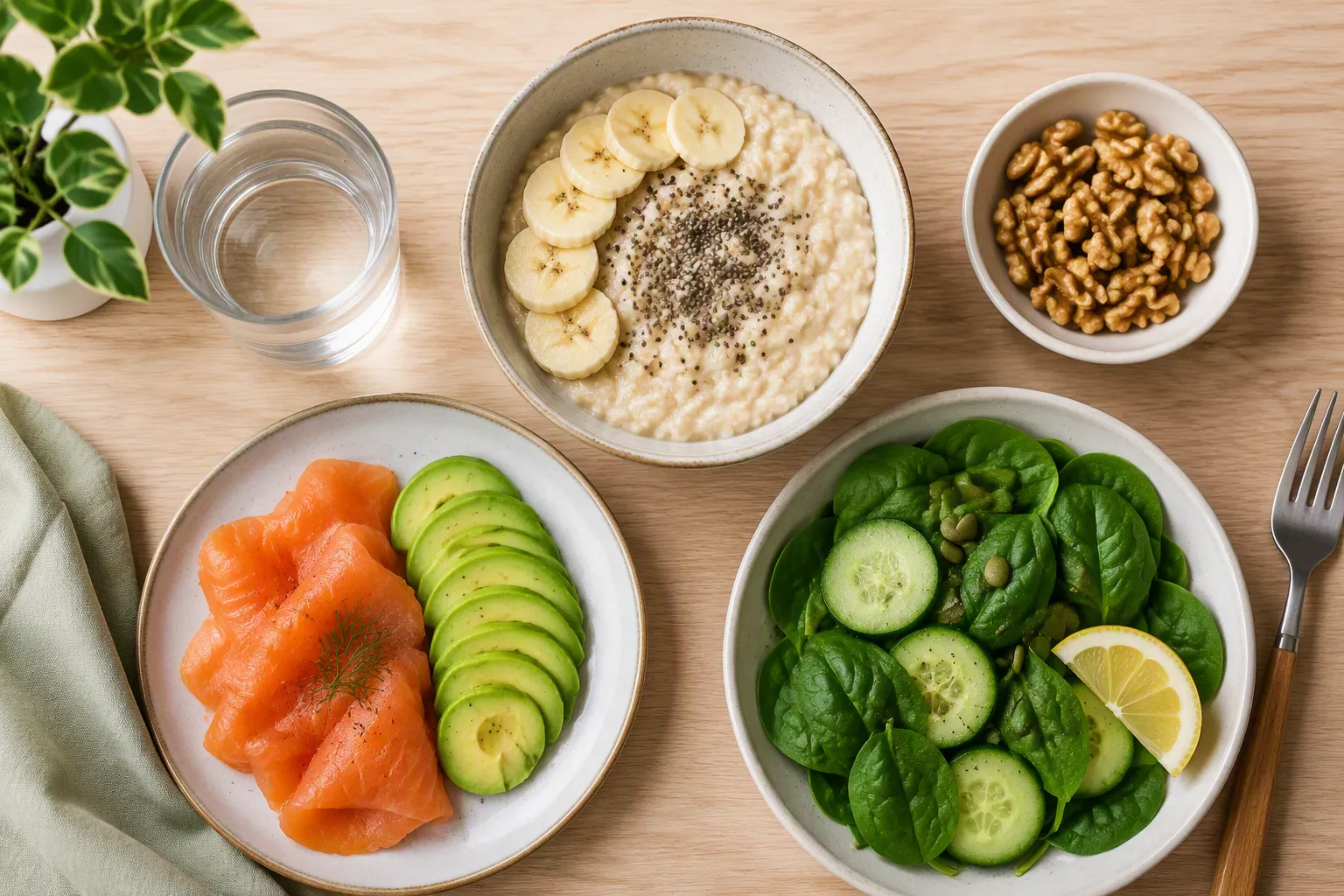
What you eat affects your bladder and bowel. Some foods calm your system. Others cause irritation. The right choices can stop leaks before they start. The table below shows foods that help and foods to limit.
Recommended Foods
Foods to Avoid
Water – drinking enough stops concentrated urine from bothering your bladder
Caffeine (coffee, tea, soda) – wakes up your bladder, makes you feel urgent
Carbonated drinks – gas makes you bloated, raises bladder pressure
Probiotic-rich foods (yogurt, kefir, sauerkraut) – help your gut and urinary system stay healthy
Highly processed foods – lots of salt and additives cause more swelling
Urologist Emily Slopnick, MD, lists common bladder bothers. Caffeine drinks like coffee and tea are top. Sodas, fake sweeteners, alcohol, and acidic foods like tomatoes and orange juice also cause problems. You do not have to cut them all out. Start by having less and see how your body feels. Triggers are different for each person, so pay attention to what bothers you most.
Fiber is key for your digestion. High-fiber foods help you avoid constipation, which puts extra pressure on your bladder. When your bowel is full, it pushes against your bladder and can cause leaks. Adding whole grains, vegetables, and lentils to your meals keeps things moving well. This simple change helps you avoid constipation and lowers your chance of accidents.
Hydration and Fluid Management
Drinking enough water helps with bladder control in several ways. When you do not drink enough, your urine gets strong. Strong urine bothers your bladder lining and can cause muscle squeezes. Not drinking enough also leads to constipation, which adds pressure on your bladder. Staying hydrated keeps your system working well.
General fluid instructions can help reduce the feeling of needing to pee urgently. The recommended normal fluid intake is 50 to 70 ounces (about 1.5–2 liters) per day, spread evenly throughout the day, and avoiding fluids within a few hours of bedtime. The study saw a big drop in leak episodes per 24 hours from the start to 10 weeks (p<0.001).
Follow a simple fluid schedule to improve bladder control. Aim for 40–60 ounces of plain water each day. Sip water often instead of drinking a lot at once. This stops your bladder from getting overwhelmed. Limit fluids after 6 p.m. to cut down on nighttime leaks. Make sure you go to the bathroom right before bed to empty your bladder fully.
You can also track your habits with a bladder diary. Write down what you drink, when you go to the bathroom, and when you leak. This record helps you see patterns. You might notice that coffee in the morning leads to accidents by noon. Once you see the link, you can make smarter choices. Managing your fluid intake is one of the best lifestyle changes you can make.
Bladder Training Techniques
Bladder training teaches your bladder to hold more urine for longer. This method works well for urge incontinence and mixed types. You slowly teach your bladder to wait, gaining more control over time. The table below shows the main techniques.
Technique
Description
Scheduled Voiding
Going to the bathroom at set times, slowly making the time between visits longer from 1 hour to 3-4 hours.
Urge Suppression
Learning to wait when you feel the urge, starting with 5-10 minutes, using deep breaths and pelvic floor squeezes.
Pelvic Floor Exercises (Kegels)
Strengthening muscles that control urination to help bladder control.
Bladder Diary
Tracking when you pee, how much you drink, and when you leak to find patterns and a starting point.
Lifestyle Changes
Managing caffeine, alcohol, when you drink fluids, and diet to cut down bladder bothers.
Start with scheduled voiding. Go to the bathroom at set times, even if you do not feel the urge. Begin with hourly trips and slowly make the time longer. Your goal is to reach 3–4 hours between bathroom visits. This takes patience, but your bladder gets used to it over time.
Urge suppression helps you handle sudden urges. When you feel you need to go, stop and take a deep breath. Squeeze your pelvic floor muscles a few times. Distract yourself with a thought or conversation. Start by waiting 5–10 minutes, then work up to longer times. Each success builds your confidence and control.
A Cochrane review found that bladder training may lower the number of leak episodes compared to no treatment. The evidence shows improvements in how often you pee and how much you hold. Fewer bathroom trips and a bigger bladder capacity mean fewer chances to leak. These bladder training methods directly help with bladder control problems and help you stop leaks. Being consistent matters more than being perfect. Stick with your schedule, track your progress, and celebrate small wins along the way.
Pelvic Floor Exercises for Better Control
Your pelvic floor muscles work like a hammock. They go from your pubic bone to your tailbone. These muscles hold up your bladder, bowel, and uterus. When they get weak, you lose control. Pelvic floor exercises build that support back up. They make the muscles stronger that stop urine and stool from leaking. These exercises help both urinary and bowel control at once. You can do them anywhere, anytime, and no one will know. The key is doing them right and staying with it. Results take time, but the payoff is worth it.
How to Locate Your Pelvic Floor Muscles
Before you can make your pelvic floor stronger, you must find it. Many people use the wrong muscles without knowing. They squeeze their stomach, thighs, or buttocks instead. That mistake leads to frustration and no results. Use one of these proven ways to find the right muscles.
Method
Who
How to identify
Confirmation
Urine stop test
All
Start urinating, then stop; feel muscles in vagina/bladder/anus tighten and move up
Feeling the muscles tighten confirms correct identification
Digital palpation
Women
Insert a finger into the vagina; tighten as if holding urine
Feel muscles tighten and move up and down
Digital palpation
Men
Insert a finger into the rectum; tighten as if holding urine
Feel muscles tighten and move up and down
Vaginal cone
Women
Insert weighted device into vagina; tighten pelvic floor to hold it in place
Ability to hold the device in place confirms correct muscle use
Biofeedback
All
Electrodes/sensors placed on abdomen, anal area, or in vagina/anus; monitor shows muscle activity
You can also try simple visualization tricks. Squeeze the muscles around an examiner's finger and pull up and in. Think about stopping gas by tightening the ring of muscles around your anus. You should feel a closing and lifting feeling without tensing your legs or buttocks. For men, imagine moving the penis up and down without moving anything else. For women, feel the vagina and rectum pull up and in. Another way is to stop urine mid-stream for 1–2 seconds over the toilet. This 'stop-test' finds the muscles around the front passage. Use it only to find the muscles, not as a regular exercise. You can also imagine stopping urine and holding in gas at the same time. Relax your thighs, buttocks, and abdomen. Squeeze around the front passage, suck upwards, and squeeze around the back passage. Women can imagine squeezing a tampon higher in the vagina.
Many beginners make common errors. They squeeze their abdominals or glutes instead of the pelvic floor. They arch their lower back during exercises. They hold their breath, which raises abdominal pressure and strains the pelvic floor. They overdo it by holding contractions too long or doing more than three sets a day. These small muscles need rest. If you see no change after a week, your technique may be wrong. Some conditions, like pelvic pain, need relaxation exercises instead of strengthening. When in doubt, ask a physical therapist for help.
Performing Kegel Exercises Correctly
Once you find the right muscles, you can start kegel exercises. The technique matters more than the effort. Poor form can cause more harm than good.
Make sure your bladder is empty, then sit or lie down. Tighten your pelvic floor muscles. Hold tight and count 3 to 5 seconds. Relax the muscles and count 3 to 5 seconds. Repeat 10 times, 3 times a day (morning, afternoon, and night). Breathe deeply and relax your body when you are doing these exercises. Make sure you are not tightening your stomach, thigh, buttock, or chest muscles. Once you learn how to do them, do not practice Kegel exercises at the same time you are urinating more than twice a month, as this can weaken your pelvic floor muscles over time.
Follow this step-by-step approach for proper form:
Find your pelvic floor muscles by stopping urine midstream or imagining you are stopping gas.
Repeat this 10 times to complete one set. If 10 is too hard, reduce to five repetitions until you gain strength.
Do one set in the morning and one set at night.
As you get stronger, increase the hold and relax time to five seconds each.
Slowly increase the number of kegels per set to 10 and the frequency to three sets per day.
Keep breathing normally throughout the exercise; do not hold your breath or tighten your stomach, thigh, or buttock muscles.
These pelvic muscle exercises give real results. One study tracked women doing kegel exercises after childbirth. At week 4, only 10% of the kegel group had first-grade urinary incontinence, compared to 13.3% in the control group. At week 8, just 3.3% of the kegel group had second-grade urinary incontinence, versus 6.7% in the control group. No one in either group developed fecal incontinence. The kegel group also reported big improvements in quality of life, including role function, social function, and global health. They felt less fatigue, diarrhea, anorexia, and constipation compared to their baseline.
"With stronger and more coordinated pelvic floor muscles, you can build better control and confidence, reduce urgency, and lower the likelihood of leaks," says Dr. Fernandez Cuadrado. Kegel exercises also improve timing and coordination. They allow a 'preemptive squeeze' when you feel an urge coming on. This skill helps you improve bladder control in real-world situations.
Frequency and Duration for Best Results
Consistency beats intensity. Your pelvic floor muscles are small. They respond to regular, moderate training better than occasional intense sessions. Aim for a sustainable routine you can maintain daily.
Gradually increase to 10-second contractions and relaxations.
Aim for 30-40 exercises daily, spread throughout the day.
Include quick flicks: 2-3 second contractions and releases.
Structure your sessions wisely. Spend 5-10 minutes per session, with short rests and a 2-minute break if you do 10 minutes. Exercise at least 5 days per week, though daily practice is preferable. You can do up to three sessions per day, spaced apart in the morning, midday, and evening. Avoid overtraining. Stop when you feel 50% strength loss. That fatigue signals your muscles need rest, not more work.
Patience is essential. The Cleveland Clinic reports that most people notice changes in incontinence after six to eight weeks of consistent kegel exercises. Rose City Urology indicates that most people start noticing real changes within 4-6 weeks, with more significant strength gains after 5-6 months. They report a 70% improvement rate in incontinence issues. The National Institute of Diabetes and Digestive and Kidney Diseases (NIDDK) states that bladder control may improve after 3 to 6 weeks of consistent practice.
These pelvic floor exercises address both bladder control problems and bowel leakage. They strengthen the same muscle group that supports both systems. You do not need special equipment or a gym membership. You can do them at your desk, in the car, or while watching television. The exercises become a habit, and the habit becomes a solution. Stick with your routine. Track your progress. Celebrate small improvements. Your pelvic floor will respond, and your control will grow stronger each week.
Behavioral Strategies to Reduce Leakage
Daily habits shape your bladder and bowel control more than you might think. Small changes to your routine can stop accidents before they start. These behavioral strategies work with pelvic floor exercises to give you confidence all day. You do not need special equipment or medications. You just need steady practice and attention to your body's signals.
Scheduled Bathroom Trips and Double Voiding
Your bladder learns from routine. When you wait for urgency to strike, you invite accidents. Scheduled bathroom trips break that pattern. Set specific times to use the toilet, even when you feel no urge. Start with hourly visits and slowly extend the time by about 15 minutes at a time. A typical bladder training program uses a bladder diary to create your personal schedule. You follow that schedule even when the urge feels mild or absent. This approach retrains your bladder to hold more urine and reduces unexpected leaks.
Double voiding adds another layer of protection. This technique helps you empty your bladder completely. After your first stream stops, stay seated and relaxed. Lean slightly forward and wait 20–30 seconds. Then try to urinate again without straining. This second void removes leftover urine that would otherwise stay behind. Less leftover urine means less chance of overflow leakage and fewer urgent trips. Practice double voiding in the morning, before bedtime, after heavy fluid intake, or whenever symptoms get worse. Steady practice can reduce frequency and urgency within days. Within weeks, you may notice better bladder control and fewer urinary tract infections.
Managing Coughing, Sneezing, and Physical Strain
Sudden movements catch everyone off guard. A sneeze or cough creates sudden pressure on your bladder. The Knack maneuver gives you a strong defense. This technique involves squeezing your pelvic floor muscles right before and during the cough or sneeze. A clinical study showed remarkable results. Nonpregnant women reduced their wetted area from 43.2 cm² to 6.9 cm² on a paper towel test. Pregnant women went from 14.8 cm² to 0.0 cm². In that study, 76.6% of nonpregnant women reduced leakage, and 18.8% stopped it completely. Among pregnant women, 79.3% reduced leakage, and 55.1% stopped leaking altogether.
Population
Before Knack (median)
After Knack (median)
Statistical Significance
Nonpregnant women (n=64)
43.2 cm²
6.9 cm²
p < 0.0001
Pregnant women (n=29)
14.8 cm²
0.0 cm²
p = 0.001
The Knack maneuver works right away. You do not need weeks of training to benefit. Just remember to squeeze before you cough, sneeze, laugh, or lift something heavy. This simple action gives you instant protection against stress-related urine loss. Practice it during daily activities until it becomes automatic.
Hygiene Tips: Wiping Front to Back and Using Bidets
Proper hygiene prevents infections and skin irritation. These habits matter even more when you manage incontinence. Always wipe from front to back after using the toilet. This direction prevents bacteria from the rectal area reaching your urethra. That simple habit lowers your risk of urinary tract infections significantly.
Clean your genital area regularly with mild soap and water. Harsh soaps disrupt your natural pH balance and cause irritation. Use pH-balanced wipes or sprays to keep natural acidity and reduce odor. These products work well for sensitive skin, but use them in moderation. They do not replace regular washing.
Gentle but effective skincare is key. Exposure to urine and stool can lead to issues like incontinence-associated dermatitis (IAD), so keeping the skin clean and protected really matters. When you include intimate skincare as part of daily care, it helps maintain comfort, prevents infections, and supports a better quality of life overall.
Follow a simple four-step routine after each bowel movement. First, cleanse the skin promptly using mild, soap-free, and alcohol-free cleansers. No-rinse cleansing foams and wipes remove waste without drying your skin. Second, pat the skin dry gently. Avoid rubbing, which causes friction damage. Third, apply a moisturizing cream without alcohol to keep skin moisture. Fourth, protect the area with a barrier cream containing zinc oxide. This creates a protective layer that seals out moisture and prevents chafing. Reapply the barrier cream after each cleaning and drying process. These hygiene habits keep your skin healthy and comfortable while you work on improving your bladder control problems.
When to Seek Medical Help for Incontinence
Signs You Should See a Doctor
You might wonder if your symptoms need a doctor's care. The answer is yes if they get in the way of your day. Ongoing or getting-worse urinary leakage should always be checked, even if you think it's just part of getting older. Several warning signs mean you should get a professional opinion.
Other key signs include frequent leaks that mess up your daily routine. A sudden, hard-to-control urge to pee is a classic sign of urge incontinence. Peeing often at night can disturb your sleep. If you have trouble emptying, get checked. Also, see a health care professional if you have pain with your symptoms or a sudden change in how you function. These signs may point to a hidden condition that needs treatment. If bladder control issues disrupt your life, remember that asking for help shows strength.
What to Expect During a Consultation
Your doctor will start by talking with you about your medical history. They will ask when symptoms began, how they changed over time, pregnancy history, surgery history, medicines, and past treatments. This talk helps them understand your specific situation.
Next comes a physical exam. The doctor will check your belly, back, and pelvic area. For women, a pelvic exam may include coughing to check for leaks. The doctor will also check for prolapse and test pelvic floor muscle strength. For men, a prostate exam may be done.
Examination Component
Clinical Purpose
Belly check and bladder tap
Find masses, soreness, or swelling that means overflow
Limb exam
Check joint movement and swelling in the legs
Prostate exam (men)
Find an enlarged prostate blocking urine flow
Outer gynecologic exam (women)
Check for vaginal thinning or irritation
Your doctor may also order several tests. A bladder diary tracks what you drink and how much you pee for at least three days. A dipstick test checks your urine for bacteria, blood, or protein. A residual urine test measures how much urine stays in your bladder after you pee. This helps check for overflow incontinence. If needed, more tests like cystoscopy or urodynamic studies may be done. These tests measure pressure while your bladder fills and empties.
Treatment Options Your Doctor May Recommend
Your treatment plan depends on the type and how bad your incontinence is. Several good options exist. Your doctor will work with you to find the right one.
For stress incontinence, a vaginal pessary may help. This removable device supports the urethra.
Urethral sling surgery uses a mesh hammock to support the urethra for stress incontinence.
Surgery to lift the organs moves them back into place, often for pelvic organ prolapse.
For urge incontinence, medicines can calm an overactive bladder.
Antidepressant medicines may help for mixed incontinence.
Doctors often combine treatments for both types of symptoms when patients have mixed incontinence.
Pelvic floor strengthening through Kegel exercises or electrostimulation rebuilds muscle strength.
These non-invasive options work well for many people. Your doctor may also suggest lifestyle changes, training, or behavioral strategies. The right mix of treatments gives you the best chance to regain control. You do not have to accept this condition as permanent. Help is out there, and it works.
Management Options: Products and Treatments
Choosing Absorbent Pads and Protective Underwear
The right absorbent product can help you feel more comfortable each day. You need to think about fit, function, and product type. Pick a size based on your waist and hip measurements. Your activity level and how bad the leakage is also matter. Different brands use different sizing charts. You may need to try a few before you find the best fit. A good product should sit close to your body without gaps. This stops side leaks and keeps you comfortable.
Look for products that match how much you leak. Light leakage needs less absorbency than heavy leakage. The best products use super absorbent materials to pull moisture away from your skin. They also stop odor so you feel confident. Chiaus is a trusted maker of high-quality adult diapers and incontinence pads. Their products have high absorption rates and breathable materials. You can choose between disposable and reusable options. Disposable products are easy to use and change. Reusable products are washable and better for the environment. Each type works for different needs. Pick the style that fits your life best. The right product lets you move through your day without worry.
Medications and Minimally Invasive Procedures
Professional treatment options exist for both urinary and bowel leakage. Your doctor may suggest a procedure based on your specific problem. For stress incontinence, urethral bulking is a common choice. This treatment injects a soft gel around the urethral walls. The gel helps your urethra close better. The procedure takes only 3-5 minutes at a clinic. You can go back to normal activities within 24 hours. Many women feel much better after this procedure. The effects are meant to last many years.
For urge incontinence, Botox injections are another option. Your doctor injects the medicine into your bladder wall during a quick office visit. The effects last 6-9 months. You may need repeat injections over time. Sacral neuromodulation is another option for urgency incontinence. A small device sends gentle signals to the nerves that control your bladder. You try a test phase first. If it works well, your doctor puts in a permanent implant. These procedures give you more control over your symptoms. Talk to your doctor about which option is right for you. You do not have to accept leakage as a permanent problem.
Integrating Supportive Products into Daily Life
Using incontinence products does not mean you must give up your normal routine. Modern products are made for dignity and comfort. They look and feel like regular underwear. You can wear them under any clothes without anyone noticing. Set up a daily routine for changing products. This helps you stay fresh and lowers the risk of skin irritation. Use mild soap and warm water each time you clean the area. Pat your skin dry gently before putting on a new product.
Think about using odor-blocking bags for private disposal. These bags trap smells and make disposal easy at home or on the go. Breathable diaper covers can give extra leak protection. They are lightweight and come in many colors. You can keep your personal style while feeling secure. Find the smallest product that handles your leakage level. This gives you the most privacy and comfort. Keep a small supply of products in your bag or car. Being prepared helps you feel confident wherever you go. With the right products and habits, you can live your life without worry.
Incontinence affects millions, but you can manage it. Small, consistent steps create lasting change. Start with pelvic floor exercises, dietary adjustments, and bladder training. These three actions give you the most control over leakage. You do not need to overhaul your life overnight.
Seeking medical help shows strength, not weakness. Doctors offer treatments that work. You can take charge of your urinary and bowel health today. Choose one or two tips from this guide and practice them daily. Build from there as you gain confidence. Every small victory moves you closer to freedom from incontinence. Your body responds to patience and practice. Begin now, and you will notice improvements within weeks.
FAQ
How Long Before Pelvic Floor Exercises Show Results?
Most people see improvements in 4 to 6 weeks of daily practice. Your pelvic floor muscles work like any other muscle. Doing them regularly matters more than doing them hard. Keep doing your pelvic muscle exercises every day. You will slowly get better control over time.
Can Incontinence Be Cured Completely?
Yes, many people make a full recovery. The result depends on the type and cause of your incontinence. Stress incontinence often gets much better with specific exercises. Urge incontinence gets better with bladder training. Mixed incontinence may need a mix of methods. Your doctor can help you find the right way.
What Is the Difference Between Stress and Urge Incontinence?
Stress incontinence happens when physical pressure pushes urine out. Coughing, sneezing, or lifting can cause it. Urge incontinence means you feel a sudden, strong need to pee. You may not make it to the toilet in time. Knowing your type helps you pick the right treatment.
Are Absorbent Products Noticeable Under Clothing?
Modern products are made to be not noticeable. They fit close to your body and lie flat under clothes. No one will know you are wearing them. Pick the smallest product that works for your leakage level. You will feel safe and comfortable all day.
When Should I See a Doctor About Leakage?
See a doctor if leakage gets in the way of your daily life. Blood in your urine, pain, or trouble emptying your bladder also mean you should go. Sudden changes in your symptoms need a doctor's care. Asking for help shows strength, not weakness. Early treatment gives better results.
Can Bladder Training Really Help?
Yes, bladder training works well for many people. A review of studies found it cuts down leak episodes compared to no treatment. You slowly teach your bladder to hold more urine. Going to the bathroom on a schedule and learning to wait help build your control. Keep with the plan for several weeks.
Do Kegel Exercises Help with Bowel Leakage Too?
Yes, they do. Your pelvic floor muscles hold up both your bladder and bowel. Making them stronger improves control for both. Studies show that 35–50% of people with urinary incontinence also have bowel leakage. Kegel exercises fix the shared muscle weakness well.
What Products Does Chiaus Offer for Incontinence?
Chiaus makes adult diapers, pull-up pants, and incontinence pads. Their products have high absorption and breathable materials. You can pick between disposable or reusable options. All products go through strict quality checks. They are made for dignity, comfort, and confidence in daily life.